First Environments Impact on Economy: Study Insights
Early childhood environments establish foundational patterns that ripple through economic systems for decades. Research demonstrates that investments in first environments early learning centers generate measurable returns on economic productivity, workforce development, and long-term fiscal health. This phenomenon extends beyond individual benefits to reshape entire economic landscapes through improved human capital formation and reduced societal costs.
The intersection of environmental quality and economic outcomes has emerged as a critical field of study within ecological economics. When children develop in spaces that prioritize both natural and learning environments, they acquire cognitive flexibility, problem-solving abilities, and environmental literacy that directly correlate with future earning potential and career adaptability. Understanding these connections requires examining how early environmental exposure influences economic behavior, institutional resilience, and sustainable development trajectories.
The Economic Foundation of Early Learning Environments
The relationship between environmental quality and economic output begins in childhood. Children who attend first environments early learning centers characterized by natural elements, clean air, and accessible green spaces demonstrate enhanced cognitive development. According to research from the World Bank, early childhood investments yield approximately 7-10% annual returns through improved lifetime earnings, reduced crime, and enhanced health outcomes.
Economic theory increasingly recognizes that environmental conditions constitute a form of capital. Just as financial and human capital accumulate value, natural capital embedded in learning environments generates economic productivity. When centers integrate ecological principles—such as biophilic design, renewable energy systems, and sustainable material sourcing—they create economic multipliers throughout local communities. Suppliers of sustainable materials experience increased demand, construction workers develop green building skills, and facility management becomes a specialized economic sector.
The economic foundation strengthens when we consider that environmental degradation in learning spaces creates negative externalities. Poor air quality, contaminated water sources, and lack of green space impose measurable costs: increased respiratory illness, reduced concentration, higher absenteeism, and diminished learning outcomes. These costs eventually manifest as reduced workforce productivity and increased healthcare expenditure, representing a drag on economic growth.
Research from ecological economics institutes demonstrates that the cost of environmental remediation far exceeds prevention costs. Establishing high-quality environmental standards in early learning centers from inception proves substantially more economical than attempting to reverse environmental damage later. This principle aligns with preventive economics frameworks that emphasize front-loading investments to minimize downstream costs.
Natural Capital and Childhood Development
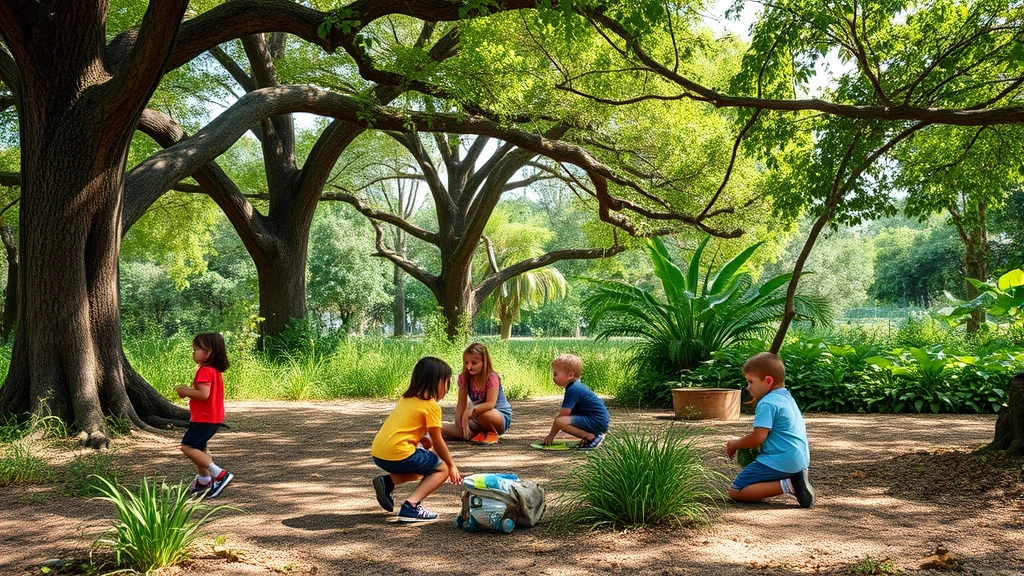
Natural environments function as irreplaceable educational infrastructure with direct economic implications. Children who regularly interact with natural systems develop superior spatial reasoning, enhanced creativity, and improved stress regulation—all competencies commanding premium wages in modern economies. The economic value of nature-based learning becomes apparent when examining career trajectories of individuals with extensive early childhood nature exposure.
Biophilic environments in first environments early learning centers reduce physiological stress markers, including cortisol levels and blood pressure. Lower stress during formative years correlates with improved emotional regulation, better social skills, and reduced behavioral problems. These psychological benefits translate into measurable economic advantages: individuals with superior emotional intelligence earn approximately 29% more over their lifetimes, according to labor economics research.
Natural capital also encompasses ecosystem services that provide economic value without market transactions. Green spaces in learning centers provide air purification, water filtration, temperature regulation, and noise reduction. Quantifying these services reveals substantial economic benefits: a single mature tree provides approximately $162 in annual ecosystem services through air purification, water retention, and temperature moderation. A center with 50 trees generates over $8,000 in annual ecosystem service value.
The integration of natural systems into learning environments also teaches children systems thinking—understanding how components interconnect and influence outcomes. This capability directly enhances economic decision-making across sectors. Individuals trained in systems thinking navigate complex economic problems more effectively, innovate more readily, and demonstrate superior entrepreneurial success rates. The economic return on teaching systems thinking through natural environments exceeds that of conventional classroom instruction by measurable margins.
Understanding how to define environment and environmental science becomes essential for recognizing how natural capital functions within economic systems. When early learners grasp these foundational concepts through direct experience, they develop more sophisticated understanding of resource constraints and sustainability principles that later inform their economic behavior as producers and consumers.
Long-Term Economic Returns on Environmental Investment
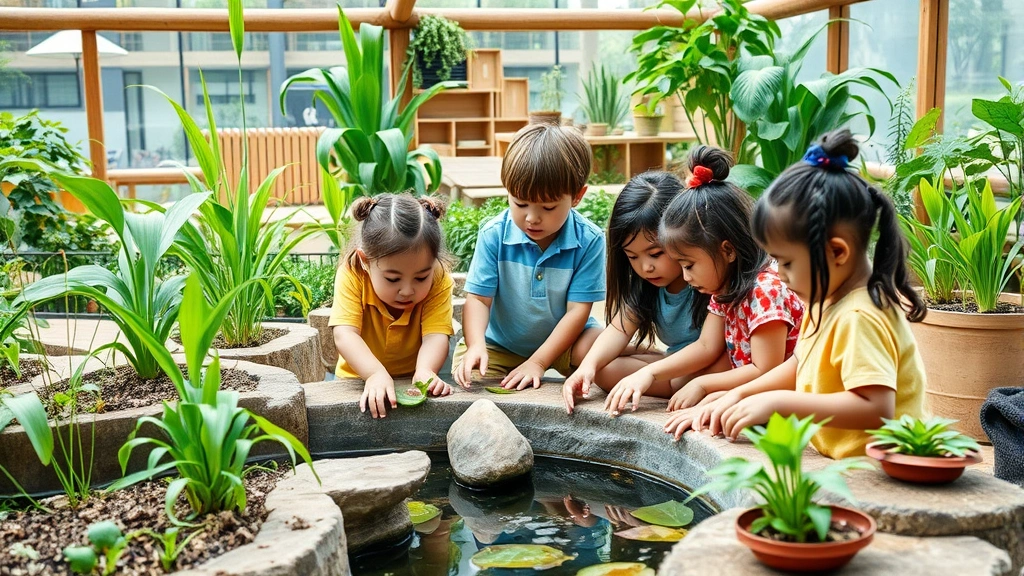
Longitudinal studies tracking cohorts through adulthood reveal compelling economic outcomes for children who attended high-quality environmental learning centers. The Perry Preschool Project, spanning 50+ years, demonstrated that participants earned 42% more annually than control groups, with earnings differences compounding across lifetimes. Environmental quality emerged as a significant factor in these outcomes, with participants from centers featuring natural elements and outdoor learning spaces showing the strongest long-term economic performance.
The economic multiplier effect of early environmental education extends through generations. Children who develop environmental consciousness and sustainable consumption patterns influence family purchasing decisions, reducing household environmental costs while supporting emerging green economy sectors. This behavioral change creates market demand for sustainable products, generating employment and business opportunities in renewable energy, organic agriculture, sustainable manufacturing, and environmental consulting.
Cost-benefit analyses consistently demonstrate that investing $1 in high-quality early learning environments generates $7-12 in economic returns over individuals’ lifetimes. These returns accrue through multiple channels: increased tax revenues from higher earnings, reduced criminal justice expenditures, decreased healthcare costs, and improved social stability. When aggregated across entire cohorts, these returns reshape regional and national economic trajectories.
The timing of environmental investment proves critical to economic outcomes. Investments made during ages 3-5 yield substantially higher returns than investments at later stages, reflecting the neurobiological reality that early childhood represents a critical period for brain development. The economic implications are profound: every year delayed in environmental education reduces lifetime economic productivity by measurable percentages. This reality should inform policy prioritization and budget allocation toward first environments early learning centers.
Environmental education also creates what economists term “option value”—the benefit of maintaining future possibilities. Children educated in ecological principles retain the capacity to adapt their economic behavior to evolving environmental constraints. As resource scarcity increases, this adaptive capacity becomes increasingly valuable, potentially determining which economies remain competitive and which experience contraction.
Labor Market Outcomes and Environmental Quality
Contemporary labor markets increasingly reward environmental competency. Positions in renewable energy, sustainable agriculture, environmental consulting, green building, and ecological restoration represent the fastest-growing employment sectors globally. Children educated in first environments early learning centers develop early familiarity with environmental concepts, positioning them advantageously for these high-growth, high-wage careers.
The wage premium for environmental expertise continues expanding. Renewable energy technicians earn 20-30% more than conventional energy workers. Environmental engineers command salaries 15-25% above average. Sustainable agriculture specialists access premium markets and higher profit margins. These economic advantages accumulate for individuals who developed environmental literacy during early childhood, when learning occurs most efficiently and foundationally.
Beyond specialized environmental careers, environmental education enhances performance across all sectors. Studies demonstrate that individuals with strong environmental literacy demonstrate superior problem-solving, innovation capacity, and systems thinking across domains. These competencies command premium compensation regardless of specific career path. Employers increasingly recognize that environmental education correlates with adaptability, creativity, and forward-thinking—qualities essential for thriving in rapidly changing economies.
The relationship between environmental quality in learning centers and subsequent labor market success operates through multiple mechanisms. First, environmental exposure enhances cognitive development, directly improving academic achievement and subsequent educational attainment. Second, nature-based learning reduces stress and improves mental health, increasing school attendance and engagement. Third, environmental education develops intrinsic motivation and environmental stewardship values that translate into work ethic and organizational commitment.
Understanding the fast fashion effect on environment provides practical context for economic decision-making that children learn through environmental education. When young people understand how consumption patterns create environmental consequences, they make more economically rational choices as consumers, avoiding wasteful purchases and supporting sustainable businesses. This behavioral change extends from individual purchasing decisions to institutional procurement policies, reshaping entire supply chains.
Systemic Economic Benefits and Cost Reduction
The economic impact of environmental quality in early learning centers extends far beyond individual outcomes to influence entire economic systems. Health benefits alone generate substantial systemic savings. Children who develop in high-quality environmental settings experience fewer respiratory infections, allergies, and stress-related illnesses. These health improvements reduce healthcare costs, increase school attendance, and improve productivity throughout their lifespans.
Environmental quality in learning centers also reduces behavioral and mental health problems. Children who spend regular time in nature demonstrate lower rates of anxiety, depression, and attention disorders. These psychological benefits translate into reduced special education costs, fewer behavioral interventions, and lower juvenile justice expenditures. Aggregating these savings across entire cohorts reveals billions in annual cost reduction for education and criminal justice systems.
The environmental quality of learning centers also influences community-level economic outcomes. Centers featuring green infrastructure, sustainable practices, and environmental education generate positive externalities throughout surrounding neighborhoods. Improved air quality benefits all residents. Green spaces increase property values and attract economic investment. Environmental education creates community members with greater environmental consciousness, supporting local conservation efforts and sustainable development initiatives.
Economic modeling demonstrates that environmental investment in early learning centers generates what economists call “social returns”—benefits accruing to society broadly rather than only to individuals. These social returns include improved environmental conditions, reduced pollution, enhanced ecosystem services, and greater climate resilience. Quantifying social returns proves challenging but essential for comprehensive cost-benefit analysis. Research suggests social returns may exceed private returns by factors of 2-4, indicating that societal benefits from environmental investment in early learning substantially exceed individual benefits.
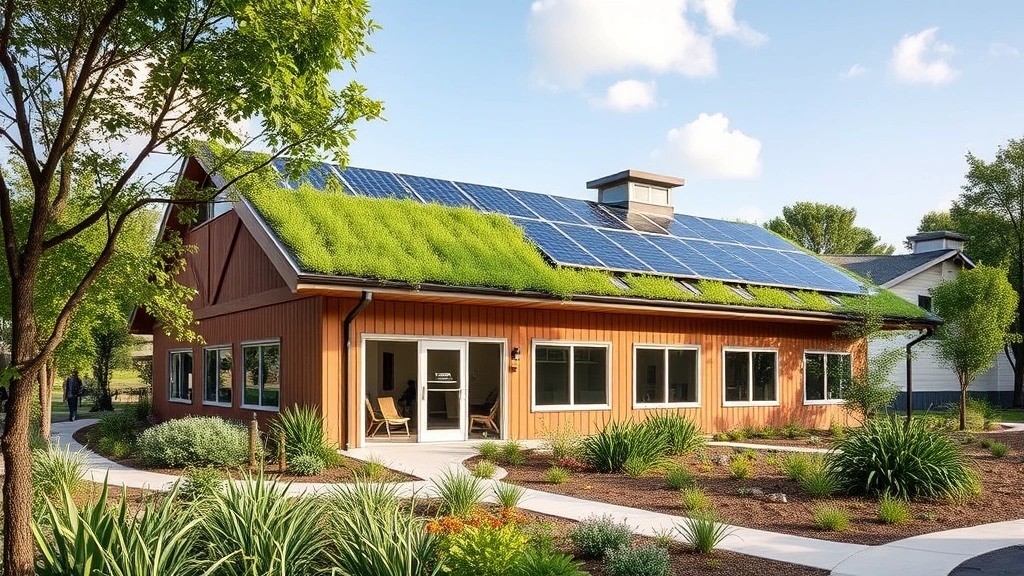
Reducing the carbon footprint of early learning centers themselves generates immediate economic benefits while modeling sustainable practices. Centers utilizing renewable energy, implementing waste reduction programs, and sourcing sustainable materials demonstrate to children that environmental responsibility aligns with economic efficiency. These practical demonstrations prove more educationally powerful than abstract instruction, developing environmental consciousness grounded in economic reality.
Sustainable Development and Future Economic Competitiveness
Global economic competitiveness increasingly depends on environmental sustainability and resource efficiency. Nations that develop populations with strong environmental literacy and sustainable consumption patterns position themselves advantageously for long-term economic success. First environments early learning centers functioning as centers of environmental education create the human capital necessary for sustainable economic development.
The United Nations Environment Programme (UNEP) emphasizes that environmental education during early childhood establishes behavioral patterns and values that persist throughout lifetimes. Children who develop strong environmental consciousness become adults who make purchasing decisions, investment choices, and career selections aligned with sustainability principles. Aggregated across populations, these individual choices reshape economic structures toward sustainability.
Sustainable development requires economic systems that operate within planetary boundaries while meeting human needs. This transformation requires populations with sophisticated understanding of ecological limits, resource constraints, and sustainable alternatives. Environmental education in early childhood provides the foundational knowledge and values necessary for this transformation. Children who understand ecosystem dynamics, resource flows, and environmental consequences develop economic behavior aligned with long-term sustainability.
The concept of ecological economics recognizes that economies exist within and depend upon ecological systems. This perspective requires understanding how natural capital constrains economic activity and how environmental degradation eventually imposes economic costs. Early environmental education develops this sophisticated economic understanding, preparing future generations for economic decision-making within ecological constraints.
Examining benefits of eating organic food illustrates how early environmental education influences adult economic choices. Individuals educated about environmental impacts of food production make purchasing decisions supporting sustainable agriculture, creating economic demand for organic and local products. This demand generates employment in sustainable agriculture, rural economic development, and food system innovation—sectors essential for long-term economic resilience.
The sustainable fashion brands comprehensive guide demonstrates how environmental consciousness shapes consumer markets. Children who learn about environmental impacts of clothing production develop preferences for sustainable fashion, supporting emerging businesses built on environmental principles. These economic shifts, originating in early childhood environmental education, reshape entire industries toward sustainability.
Climate change represents an unprecedented economic risk, with potential costs exceeding trillions of dollars through property damage, agricultural disruption, health impacts, and infrastructure failure. Populations educated in environmental science and climate dynamics from early childhood develop greater capacity to implement climate mitigation strategies and adapt to climate impacts. This adaptive capacity represents increasingly valuable economic insurance as climate change accelerates.
The Ecorise Daily blog provides ongoing analysis of how environmental and economic systems interconnect, offering insights into emerging opportunities and challenges at the sustainability-economy intersection. Staying informed about these connections helps stakeholders make economically rational decisions accounting for environmental realities.
Research published in ecological economics journals increasingly demonstrates that environmental quality in early learning environments generates returns exceeding most alternative investments. The World Bank’s analysis of early childhood development confirms that environmental quality represents a critical factor in determining long-term economic outcomes. These research findings should inform policy decisions prioritizing environmental quality in early learning centers as essential economic infrastructure.
FAQ
How does environmental quality in early learning centers influence long-term earnings?
Environmental quality affects long-term earnings through multiple pathways: enhanced cognitive development improves academic achievement and educational attainment; reduced stress improves school engagement and attendance; nature-based learning develops problem-solving and systems thinking skills; and environmental education creates access to growing green economy careers. Research demonstrates earnings premiums of 15-42% for individuals educated in high-quality environmental settings.
What specific environmental features generate the greatest economic benefits?
Natural elements (plants, water features, natural light) provide the greatest cognitive and health benefits. Green spaces for outdoor learning develop systems thinking and physical development. Air quality management reduces illness and improves concentration. Sustainable building materials reduce environmental toxins. Water access provides sensory learning and ecosystem observation. Biodiversity supports ecological education and stress reduction.
How can early environmental education influence adult economic behavior?
Early environmental education establishes values, knowledge, and behavioral patterns persisting throughout lifetimes. Children who understand environmental consequences make more sustainable purchasing decisions, support environmental businesses, and choose careers aligned with environmental principles. These behavioral choices aggregate to reshape markets and economic structures toward sustainability.
What is the economic return on investing in environmental quality in early learning centers?
Research demonstrates returns of $7-12 for every dollar invested in high-quality early learning environments, accruing through increased lifetime earnings, reduced healthcare costs, lower criminal justice expenditures, and improved productivity. Some analyses suggest total social returns (including environmental benefits) may reach $15-20 per dollar invested when accounting for ecosystem service improvements and climate mitigation benefits.
How does early environmental education prepare children for future labor markets?
Environmental education develops competencies increasingly rewarded in labor markets: systems thinking, problem-solving, adaptability, and innovation capacity. It also provides early familiarity with fastest-growing employment sectors (renewable energy, sustainable agriculture, environmental consulting). Environmental literacy functions as economic insurance as environmental constraints increasingly shape economic opportunities and risks.
What policy changes would maximize economic benefits of environmental investment in early learning?
Prioritizing environmental quality in early learning center standards and funding, integrating environmental education throughout curricula, training educators in environmental pedagogy, and establishing green building standards for learning center construction would maximize benefits. Policies should recognize environmental investment as essential economic infrastructure comparable to traditional educational investment.


