Clackamas Water Services: Expert Overview of Environmental Management and Economic Impact
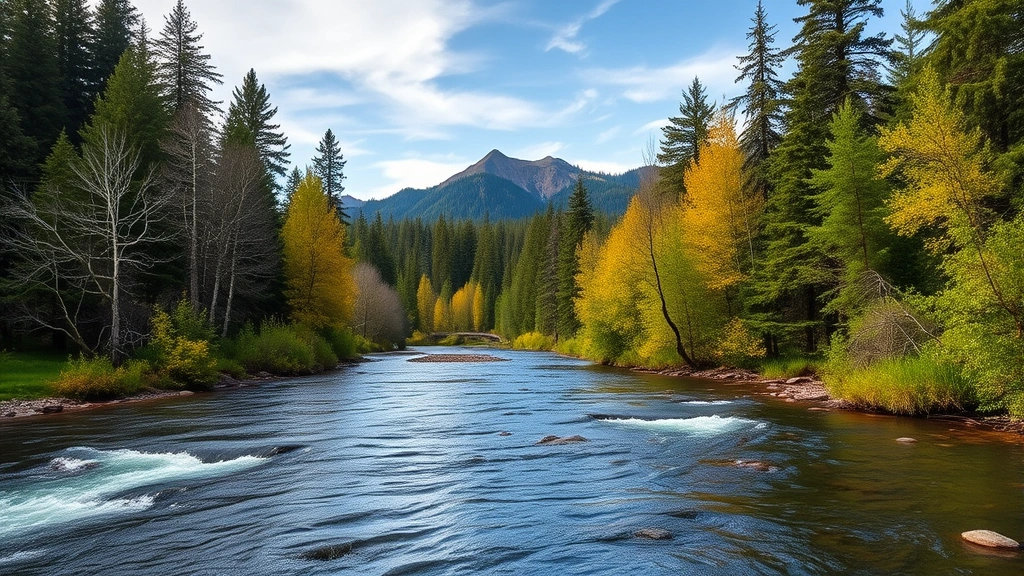
Clackamas County’s water infrastructure represents a critical intersection of environmental stewardship, economic sustainability, and public health management. As one of Oregon’s most populous counties, Clackamas County Water Services operates one of the Pacific Northwest’s most sophisticated water delivery and treatment systems, serving over 300,000 residents across diverse urban and rural communities. This comprehensive overview examines how integrated water management systems function within the broader context of ecosystem economics and sustainable resource allocation.
The Clackamas River basin, spanning approximately 1,460 square miles, serves as the lifeblood of the region’s water security. Understanding water services in Clackamas County requires analysis of multiple interconnected systems: treatment infrastructure, distribution networks, wastewater management, and environmental restoration initiatives. The economic value of these systems extends far beyond direct water provision, encompassing flood mitigation, groundwater protection, habitat preservation, and climate resilience—all critical components of what economists term natural capital accounting.
Water Infrastructure and Treatment Systems
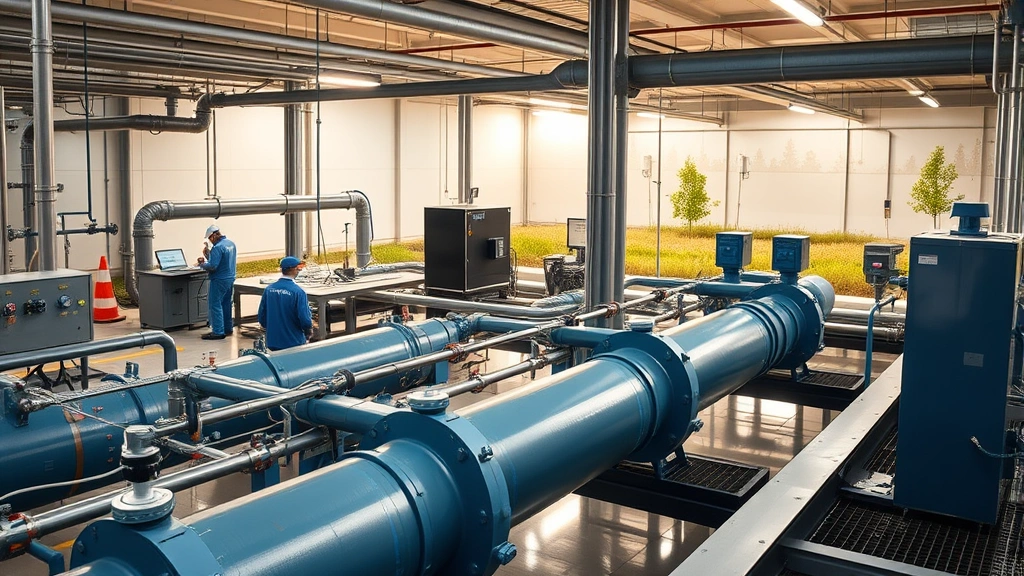
Clackamas County Water Services operates multiple treatment plants utilizing both surface water from the Clackamas River and groundwater sources. The primary surface water treatment facility processes water through advanced multi-barrier treatment protocols including coagulation, sedimentation, filtration, and ultraviolet disinfection. This multi-stage approach ensures compliance with Safe Drinking Water Act standards while minimizing chemical treatment requirements.
The distribution infrastructure comprises over 2,000 miles of transmission and distribution pipelines, representing billions of dollars in capital investment. Modern water systems like Clackamas face significant challenges in aging infrastructure maintenance, with the American Water Works Association estimating that water utilities nationwide require substantial reinvestment to replace aging pipes and treatment equipment. The economic burden of infrastructure renewal directly impacts water rates and municipal budgets.
Groundwater resources supplement surface water supplies, providing drought resilience and reducing dependency on seasonal river flows. Clackamas County’s groundwater management involves careful monitoring of aquifer levels, water quality testing, and protection of recharge zones. The environmental science underlying groundwater protection involves hydrogeological assessments, contamination risk mapping, and sustainable yield calculations.
Wastewater treatment infrastructure equally demands significant investment and expertise. Secondary and tertiary treatment processes remove pathogens, nutrients, and other contaminants before discharge to receiving waters. These systems represent essential investments in public health and environmental protection, with treatment costs typically comprising 40-60% of municipal water utility budgets.
Environmental Economics of Water Management
Water services exemplify the principles of environmental economics, where market failures necessitate government intervention and regulation. Traditional economic models often undervalue water as a resource, failing to account for the true costs of extraction, treatment, and environmental restoration. Clackamas County’s approach incorporates more sophisticated economic analysis through rate structures that encourage conservation while maintaining affordability.
The concept of natural capital valuation has gained prominence in water management economics. According to research from the World Bank’s water resources division, water infrastructure investments generate multiplier effects throughout regional economies, supporting agriculture, manufacturing, and service industries. In Clackamas County, reliable water supply directly enables economic activity worth hundreds of millions annually.
Ecosystem services provided by intact watershed systems include water purification, flood regulation, groundwater recharge, and nutrient cycling. Economists increasingly quantify these services in monetary terms. The Nature Conservancy and similar organizations have documented that natural water filtration systems can provide treatment services worth $1,000-$5,000 per acre annually, compared to $4,000-$8,000 per acre for constructed treatment infrastructure. This analysis demonstrates why human environment interaction in water management must balance development with conservation.
Pricing mechanisms in water services reflect economic theory regarding externalities and public goods. Tiered rate structures incentivize conservation while cross-subsidies ensure affordability for low-income households. Clackamas County implements progressive rate designs where higher consumption tiers cost proportionally more, aligning individual incentives with broader sustainability objectives.
Ecosystem Services and Natural Capital
The Clackamas River basin provides extensive ecosystem services beyond direct water supply. Riparian forests filter runoff, stabilize streambanks, moderate water temperatures, and provide critical habitat for salmon, steelhead, and other aquatic species. These services generate economic value through recreational opportunities, commercial fisheries, and existence values appreciated by residents.
Salmon restoration initiatives in Clackamas County demonstrate integrated water management incorporating ecological and economic objectives. Removing dams, restoring riparian habitat, and improving fish passage generate ecosystem services while supporting tribal economies, recreational tourism, and commercial fishing industries. The economic valuation of these restoration projects involves calculating benefits across multiple sectors and time horizons.
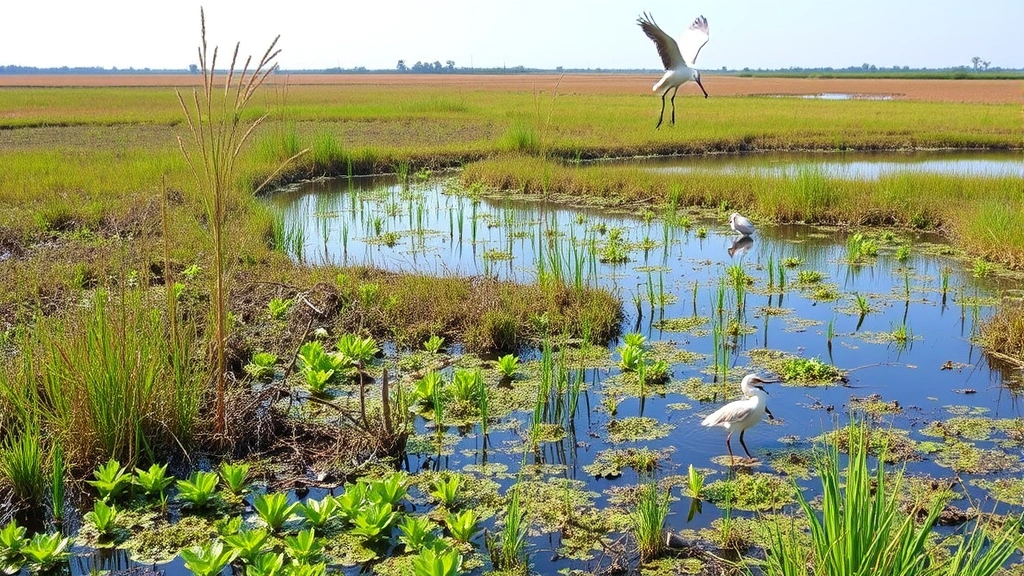
Wetland protection and enhancement initiatives provide flood storage, water filtration, and wildlife habitat. Research from the United Nations Environment Programme indicates that wetland conservation provides flood mitigation services valued at $5,000-$30,000 per hectare depending on location and hydrology. Clackamas County’s wetland protection policies recognize these substantial economic values.
Groundwater recharge zones require protection from contamination and development pressure. These areas, often located in upland forests and agricultural lands, represent critical natural infrastructure. Economic analysis of land use in recharge zones must account for the value of groundwater protection services, which can exceed returns from alternative uses.
Climate Adaptation and Resilience
Climate change poses unprecedented challenges to water services throughout the Pacific Northwest. Shifting precipitation patterns, earlier snowmelt, and increased drought frequency threaten reliable water supply. Clackamas County Water Services has developed comprehensive climate adaptation strategies incorporating supply diversification, demand management, and infrastructure modernization.
Drought preparedness requires maintaining diverse water sources and storage capacity. Reservoirs provide critical buffering against seasonal and interannual precipitation variability. However, reservoir construction involves tradeoffs between water security and ecosystem impacts, requiring careful economic and environmental analysis. Climate projections suggest increased reliance on groundwater during extended droughts, necessitating sustainable yield management.
Green infrastructure investments—including rain gardens, permeable pavements, and stormwater retention systems—provide climate adaptation benefits while reducing treatment costs. These nature-based solutions often cost less than conventional gray infrastructure while providing additional benefits including urban cooling, air quality improvement, and habitat creation. This integration of ecological and economic benefits exemplifies modern sustainable infrastructure design.
Water conservation programs represent essential climate adaptation strategies. Behavioral economics research demonstrates that conservation incentives combining price signals with information provision achieve greater reductions than pricing alone. Clackamas County’s water efficiency programs target landscape irrigation, indoor fixture upgrades, and industrial process optimization.
Community Engagement and Sustainability
Effective water management requires sustained community engagement and support for conservation behaviors. Public education about water scarcity, treatment processes, and environmental protection builds social license for water utilities. Clackamas County Water Services conducts extensive outreach through schools, community organizations, and media campaigns.
Stakeholder participation in water planning processes improves outcomes and builds trust. Collaborative governance models involving municipal governments, environmental organizations, agricultural interests, and indigenous tribes produce more resilient and equitable solutions. The integration of traditional ecological knowledge with scientific water management represents emerging best practice.
Economic instruments including water pricing, conservation rebates, and pollution permits align individual incentives with collective sustainability goals. However, these mechanisms must balance efficiency objectives with equity concerns, ensuring that low-income households maintain access to essential water services. Clackamas County implements affordability programs recognizing water as a human right while promoting conservation.
Green jobs in water services—including treatment plant operations, infrastructure maintenance, ecosystem restoration, and water efficiency consulting—provide employment while advancing sustainability. The water sector represents a growing economic opportunity in the transition toward sustainable resource management.
Economic Implications and Future Planning
Capital costs for water infrastructure modernization in Clackamas County exceed $500 million over the coming decade. Financing mechanisms including municipal bonds, federal grants, and public-private partnerships distribute costs across current and future generations. Economic analysis of these investments requires long-term perspective, accounting for benefits extending 50+ years.
Population growth and climate change create conflicting pressures on water availability. Economic modeling suggests that proactive investment in efficiency and alternative supplies costs significantly less than reactive measures implemented during crises. The economic case for sustainable water management rests on preventing costly supply disruptions, environmental degradation, and public health emergencies.
Regional water markets and transfers represent emerging economic mechanisms for allocating scarce resources. However, water markets raise equity concerns and require careful regulation to prevent externalities. Clackamas County participates in regional water planning addressing basin-wide allocation challenges.
Technology innovation in water treatment, distribution monitoring, and demand management offers pathways toward greater efficiency. Smart metering systems providing real-time consumption data enable demand response programs. Advanced treatment technologies reduce chemical requirements and minimize environmental impacts. Investment in water innovation represents both economic opportunity and environmental necessity.
The transition toward circular water systems—where wastewater becomes a resource rather than a waste product—promises substantial economic and environmental benefits. Reclaimed water for irrigation, industrial processes, and groundwater recharge reduces freshwater demand while creating new economic activities. Clackamas County explores recycled water opportunities as part of long-term sustainability planning.
Integration of water management with broader sustainability objectives—including carbon footprint reduction in water treatment and distribution—reflects evolving understanding of interconnected environmental systems. Energy intensity of water services creates climate implications, with treatment and pumping consuming significant electricity. Renewable energy integration in water utilities represents important climate mitigation opportunity.
Looking forward, Clackamas County Water Services faces the challenge of managing competing demands for limited water resources while protecting ecosystem health and adapting to climate change. Success requires sustained investment in infrastructure, conservation, and ecosystem restoration; equitable pricing mechanisms balancing affordability with sustainability; and collaborative governance incorporating diverse stakeholder perspectives. The economic value of reliable, sustainable water services extends far beyond direct consumption, supporting regional prosperity and environmental resilience.
FAQ
What is the primary water source for Clackamas County?
The Clackamas River provides the primary surface water source, supplemented by groundwater from local aquifers. This diversified approach provides drought resilience and supply security.
How does Clackamas County address water conservation?
Conservation programs include tiered rate structures encouraging reduced consumption, rebates for efficient fixtures, landscape irrigation efficiency improvements, and public education campaigns. These integrated approaches address both supply and demand sides of water management.
What environmental protections apply to Clackamas water resources?
Multiple regulations protect water quality and ecosystem health, including Safe Drinking Water Act compliance, Clean Water Act requirements, endangered species protections, and state water quality standards. Clackamas County exceeds minimum regulatory requirements in many areas.
How does climate change affect Clackamas water services?
Changing precipitation patterns, earlier snowmelt, and increased drought frequency challenge traditional water management. Clackamas County responds through supply diversification, demand management, green infrastructure investment, and climate adaptation planning.
What is the economic value of ecosystem services in the Clackamas watershed?
Ecosystem services including water filtration, flood regulation, habitat provision, and recreation support generate economic value estimated in hundreds of millions of dollars annually. Natural capital accounting increasingly informs water management policy.
How are water infrastructure costs financed?
Municipal bonds, federal and state grants, public-private partnerships, and water rates finance infrastructure investments. Rate structures balance cost recovery with affordability objectives.
What role do indigenous tribes play in Clackamas water management?
Tribal governments hold treaty rights to water resources and participate in collaborative management. Integration of traditional ecological knowledge with scientific approaches improves outcomes and respects sovereignty.
How can residents reduce household water consumption?
Strategies include fixing leaks, installing efficient fixtures, optimizing landscape irrigation, reducing outdoor water use during dry seasons, and adopting water-conscious behaviors. Clackamas County provides rebates and technical assistance for efficiency improvements.


