
Sea Otters: Key Players in Coastal Economies
Sea otters represent one of nature’s most compelling examples of how biodiversity directly translates into economic value. These charismatic marine mammals, once hunted to near extinction, have emerged as keystone species whose ecological functions generate measurable economic benefits across coastal communities. From supporting commercial fisheries to enhancing tourism revenues, sea otters demonstrate that environmental protection and economic prosperity need not exist in opposition—they are fundamentally intertwined.
The relationship between sea otters and coastal economies extends far beyond simple ecological curiosity. As apex predators in kelp forest ecosystems, sea otters regulate sea urchin populations, which in turn preserves kelp forests that form the foundation of entire marine food webs. This ecological cascade produces tangible economic outcomes: healthier fisheries, carbon sequestration services, and increased recreational opportunities. Understanding these connections requires an interdisciplinary approach that bridges marine biology, economics, and policy analysis.
This analysis examines how sea otter populations function as economic assets, explores the mechanisms through which they generate value, and investigates the policy frameworks necessary to sustain these benefits. By integrating ecological and economic perspectives, we can better appreciate why sea otter conservation represents a sound investment in long-term economic resilience.
Ecological Functions and Economic Value
Sea otters occupy a unique position in marine ecosystems as keystone species whose presence disproportionately influences ecosystem structure and function. A keystone species, by definition, has an ecological impact far exceeding what its abundance would suggest. When sea otters were hunted to near extinction in the 18th and 19th centuries, their absence triggered cascading ecological changes that reverberated through coastal economies for generations.
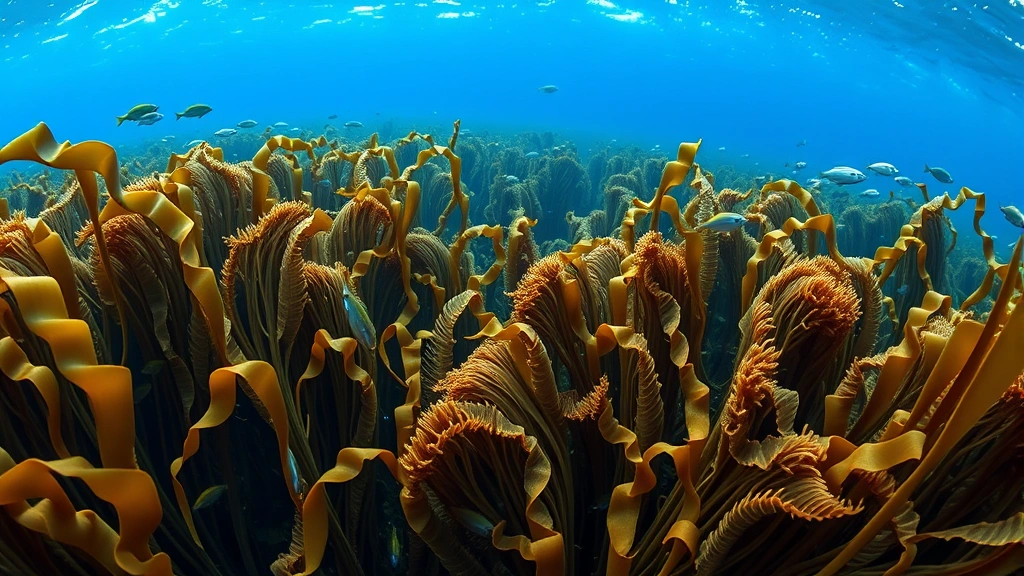
The primary ecological mechanism involves sea otter predation on sea urchins. Sea urchins are voracious grazers that consume kelp at rates that can devastate entire forests. In areas where sea otters were absent, sea urchin populations exploded, creating “urchin barrens”—barren rocky landscapes devoid of kelp. These barrens represent ecological deserts with minimal economic productivity. When sea otters return, they control urchin populations through predation, allowing kelp forests to regenerate. This seemingly simple predator-prey relationship generates enormous economic value.
Kelp forests themselves function as economic engines. They support diverse fish populations that sustain commercial and recreational fisheries. They provide habitat for crustaceans, mollusks, and other economically important species. They absorb wave energy, providing natural coastal protection. They sequester carbon at rates significantly higher than terrestrial forests. The economic value of these ecosystem services—termed natural capital in ecological economics—can be quantified and compared to other uses of coastal resources.
Research from the World Bank and various UNEP assessments has begun valuing these ecosystem services. Studies estimate that kelp forests support between $2-4 billion annually in global fisheries value alone. Sea otters, by maintaining kelp forest structure and productivity, directly enable this economic output. Without sea otters, kelp forest degradation would eliminate or severely reduce these fisheries benefits.
The environment and environmental science frameworks help us understand these relationships. Sea otters function within complex ecological networks where their behavior influences nutrient cycling, energy flow, and species composition. From an economic perspective, this ecological function translates into what economists call “ecosystem services”—benefits humans derive from natural systems. The challenge lies in quantifying and monetizing these services in ways that inform policy decisions.
Understanding the scientific definition of environment is crucial for appreciating sea otter economics. The environment is not separate from the economy—it is the foundation upon which all economic activity rests. Sea otters are environmental components whose economic value stems from their ecological functions. This perspective represents a shift from traditional economics that treated environmental resources as externalities to be ignored or exploited.
Fisheries Support and Commercial Benefits
Commercial fisheries represent one of the most direct economic benefits associated with sea otter presence. The mechanism operates through multiple pathways. Sea otters control sea urchin populations, which preserves kelp forests that serve as nurseries and feeding grounds for commercially important fish species including rockfish, lingcod, and various flatfish. Additionally, sea otters directly consume sea urchins that would otherwise compete with other species for limited resources.
The economic data reveals significant fisheries value. In California, where sea otter populations have recovered from fewer than 50 individuals in the 1930s to over 3,000 today, commercial fisheries have benefited substantially. Kelp forest recovery correlates with increased catches of species dependent on healthy kelp ecosystems. A comprehensive economic analysis by researchers at UC Santa Cruz estimated that sea otter presence generates approximately $489 million in fisheries value across the California coast when accounting for ecosystem service provision.
This valuation incorporates several components. Direct use value includes commercial catches of fish and invertebrates that depend on kelp forest habitat. Indirect use value includes the ecosystem services—carbon sequestration, coastal protection, nutrient cycling—that kelp forests provide. Option value reflects the potential future benefits of maintaining healthy kelp forests. Existence value captures the willingness of people to pay for sea otter conservation simply because they value these animals’ continued existence.
The relationship between sea otter density and fisheries productivity is not uniformly positive, however. In some regions, sea otter predation on commercially valuable invertebrates like sea urchins and crabs creates direct conflicts with fishing interests. Where sea urchin roe represents a high-value product, sea otter predation reduces harvestable stocks. This creates genuine economic trade-offs that require careful policy management. The optimal sea otter population level may not be the maximum possible population, but rather a level that balances multiple economic interests.
These trade-offs illustrate why blog resources examining ecological-economic integration are essential for informed decision-making. Policy must account for winners and losers in sea otter recovery. Fishing communities that depend on sea urchin harvesting may experience economic losses even as overall ecosystem productivity increases. Effective policy requires compensation mechanisms, alternative income sources, or spatial management approaches that allow both sea otter recovery and traditional fishing activities.
Tourism and Recreational Economics
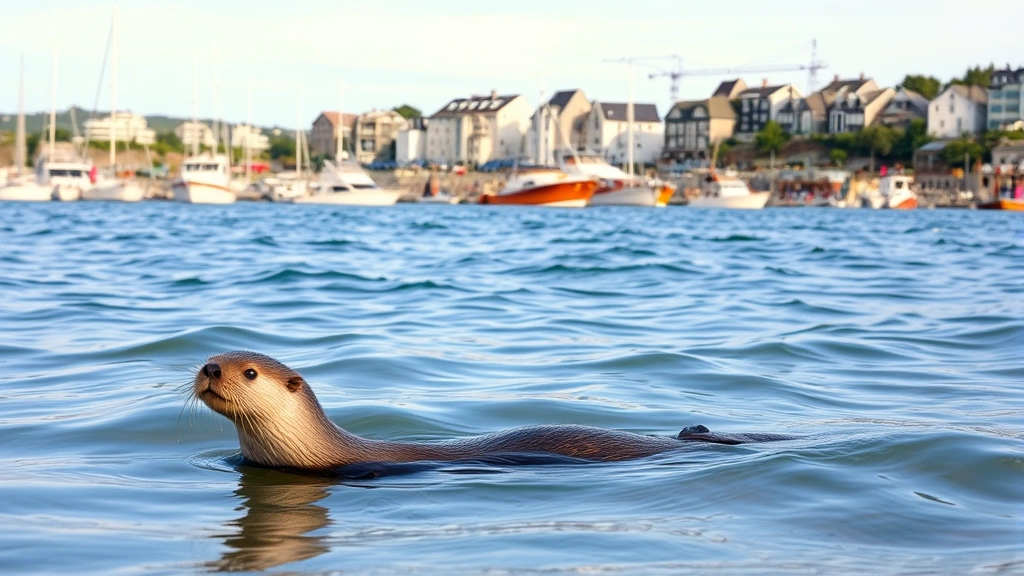
Sea otters generate substantial economic value through tourism and recreation. These animals are exceptionally charismatic—their playful behavior, visible activity in nearshore waters, and cultural significance make them powerful tourist attractions. Coastal communities with healthy sea otter populations experience increased visitation from wildlife enthusiasts, photographers, and general tourists who value marine mammal viewing experiences.
Economic studies quantify this tourism value. Research in the Monterey Bay area of California found that sea otter tourism generates approximately $50-100 million annually in direct spending. Tourists pay for boat tours, lodge accommodations, meals at coastal restaurants, and retail purchases. This spending supports employment in hospitality, transportation, and service sectors. Indirect economic effects multiply as tourism revenue circulates through local economies, supporting businesses and tax bases.
The tourism value of sea otters extends beyond direct viewing experiences. Sea otters function as flagship species—animals that inspire broader conservation efforts and environmental awareness. Their presence increases the appeal of marine protected areas, state parks, and coastal preserves. Visitors motivated by sea otter viewing may also support other conservation activities, donate to environmental organizations, or advocate for stronger environmental policies. This multiplier effect is difficult to quantify precisely but represents genuine economic and social value.
Recreational diving and snorkeling in kelp forests, enabled by healthy ecosystems maintained by sea otters, generates additional tourism revenue. Divers seek vibrant kelp forest ecosystems with abundant wildlife. Sea otter presence correlates with higher-quality diving experiences. This creates economic incentives for sea otter conservation among tourism operators and coastal communities dependent on recreational spending.
The tourism economics of sea otters also includes cultural and psychological benefits. People value the opportunity to observe and interact with wildlife in natural settings. This non-market value is sometimes dismissed as uneconomic, but behavioral economics and environmental valuation techniques have developed methods to quantify these preferences. Surveys consistently show that people are willing to pay significant amounts to support sea otter conservation, revealing substantial economic value beyond traditional market transactions.
Carbon Sequestration and Climate Services
Recent research has revealed that sea otters provide critical climate regulation services through their indirect influence on kelp forest carbon sequestration. This mechanism operates through what scientists call “blue carbon”—carbon stored in marine ecosystems. Kelp forests sequester carbon at rates exceeding many terrestrial forests, storing carbon in kelp biomass and in sediments where decomposition is slowed.
The carbon sequestration pathway depends on sea otter predation on sea urchins. When sea urchins are controlled by sea otters, kelp forests grow more densely and productively. This increased biomass sequesters more atmospheric carbon dioxide. When kelp dies and sinks to the ocean floor, much of its carbon becomes sequestered in deep-sea sediments, removed from the active carbon cycle for centuries or millennia. This represents a genuine climate service with quantifiable economic value under carbon pricing frameworks.
Economic valuation of carbon sequestration uses market carbon prices or social cost of carbon estimates. If carbon is valued at $50-100 per ton—a conservative estimate given climate damages—then the carbon sequestration services provided by sea otter-maintained kelp forests represent billions of dollars in annual climate benefits. A study published in Frontiers in Ecology and the Environment estimated that sea otters along the California coast prevent approximately 4.4 million metric tons of carbon dioxide equivalent from entering the atmosphere annually through their ecosystem engineering effects.
This climate service value becomes particularly significant as climate change impacts intensify and carbon pricing mechanisms expand. Sea otters represent a natural climate solution—a way to harness ecological processes to mitigate climate change. The economic case for sea otter conservation strengthens as climate damages increase and the value of carbon sequestration rises. This creates a long-term economic incentive for sea otter protection that may exceed short-term commercial fishing interests.
The climate service argument also connects to broader discussions about how to reduce carbon footprint at both individual and systemic levels. Supporting sea otter conservation represents one pathway for reducing atmospheric carbon. This perspective integrates marine ecosystem conservation into climate action strategies, recognizing that biodiversity protection and climate mitigation are complementary objectives.
Coastal Community Resilience
Sea otters contribute to coastal community economic resilience through multiple mechanisms. First, by maintaining healthy kelp forests, they support fisheries that provide food security and economic stability for coastal populations. Second, their ecosystem engineering maintains natural coastal protection infrastructure. Third, their role in supporting diverse marine ecosystems reduces economic vulnerability to single-species fishery collapses.
Kelp forests provide substantial coastal protection benefits. They attenuate wave energy, reducing erosion and storm surge impacts. Coastal communities located near healthy kelp forests experience less flooding and erosion damage during storms. This ecosystem service has quantifiable economic value—the cost of artificial coastal protection infrastructure, when compared to natural alternatives, reveals the economic value of kelp forest-provided protection. Studies estimate that kelp forest protection services are worth hundreds of millions of dollars annually for California coastal communities alone.
Economic resilience also stems from diversified marine resource bases. Communities dependent on single fisheries face extreme vulnerability to population fluctuations or regulatory changes. Communities with access to diverse marine resources—finfish, invertebrates, tourism, and ecosystem services—maintain more stable economies. Sea otters, by supporting ecosystem diversity, contribute to this economic resilience. When one fishery declines, alternative economic opportunities remain available.
The concept of economic resilience extends to adaptive capacity—the ability of communities to adjust to environmental or economic shocks. Coastal communities with healthy marine ecosystems have greater adaptive capacity. They can shift between fishing opportunities, develop tourism alternatives, or transition to ecosystem service-based economies. Sea otter-maintained ecosystems provide this flexibility and adaptive capacity, enhancing long-term community economic security.
However, sea otter recovery can also create short-term economic disruption. Communities historically dependent on sea urchin or crab harvesting may experience income losses as sea otter populations increase. Managing this transition requires deliberate policy attention. Compensation programs, livelihood diversification initiatives, and alternative employment creation can smooth the transition from resource extraction to ecosystem service-based economies. The long-term economic benefits of sea otter recovery justify these transition costs, but only if policy explicitly addresses distributional impacts.
Policy Frameworks and Conservation Economics
Effective sea otter conservation requires policy frameworks that recognize and value the economic benefits these animals provide. Traditional conservation approaches focused on ecological arguments—protecting species for intrinsic value or biodiversity. Modern conservation increasingly employs economic arguments, demonstrating that species protection generates measurable economic benefits that exceed conservation costs.
Payment for ecosystem services (PES) frameworks represent one policy approach. Under PES, entities that benefit from ecosystem services—such as fishing communities or tourism operators—contribute financially to conservation. These payments compensate communities that bear conservation costs, creating incentives for protection. Sea otter conservation could be funded partially through PES mechanisms where beneficiaries contribute to protection efforts.
Marine protected areas (MPAs) represent another policy tool. MPAs restrict extractive activities while allowing ecosystem services to be produced and captured. Research demonstrates that MPAs supporting sea otter recovery generate net economic benefits when ecosystem services, tourism, and fisheries support are included in calculations. MPAs function as natural capital investments that generate long-term returns exceeding short-term foregone extraction.
International policy frameworks also matter. Sea otters migrate across jurisdictional boundaries and occupy transnational ecosystems. Effective conservation requires coordination among nations and regions. The United Nations Environment Programme and various international environmental agreements provide frameworks for this coordination. Recognizing sea otters as shared natural resources requiring cooperative management enhances conservation effectiveness.
Economic policy instruments including subsidies, tax incentives, and regulatory standards can support sea otter conservation. Removing subsidies for fishing methods that harm kelp forests or compete with sea otter recovery can align economic incentives with conservation objectives. Tax incentives for ecosystem service provision can fund monitoring and protection. Regulatory standards can restrict activities incompatible with healthy sea otter populations.
Research institutions and policy think tanks contribute to conservation economics. Organizations like the World Bank and various ecological economics research centers develop valuation methodologies and policy analysis tools. Academic research provides empirical evidence about ecosystem service values and conservation effectiveness. This knowledge base informs policy decisions and builds political support for conservation.
The ultimate policy challenge involves integrating sea otter conservation into broader coastal management frameworks. Sea otters are not isolated from other coastal uses—fishing, aquaculture, energy development, and shipping all occur in sea otter habitat. Effective policy coordinates these uses, recognizing trade-offs and seeking management approaches that maximize net economic benefits while distributing impacts equitably.
FAQ
How much economic value do sea otters generate?
Sea otter economic value is substantial and multifaceted. Studies estimate that sea otters generate $489 million in fisheries support value, $50-100 million annually in tourism value, and additional billions in carbon sequestration and coastal protection services. Total economic value likely exceeds $2-4 billion annually when all ecosystem services are included, though precise valuation remains challenging due to methodological complexities.
Do sea otters ever create economic conflicts?
Yes. Sea otters consume commercially valuable species including sea urchins and crabs. In regions where these species represent significant income sources, sea otter recovery can reduce harvestable stocks and create economic losses for fishing communities. Effective policy must address these trade-offs through compensation, alternative livelihood development, or spatial management approaches that allow both sea otter recovery and traditional fishing.
Are sea otters essential for kelp forest survival?
Sea otters are not absolutely essential—kelp forests can survive in their absence through alternative mechanisms. However, sea otters are the primary natural mechanism controlling sea urchin populations in most ecosystems. Without sea otters, kelp forests are more vulnerable to urchin overgrazing and ecosystem degradation. Their presence dramatically increases kelp forest resilience and productivity.
How do carbon sequestration values affect sea otter conservation economics?
Carbon sequestration provides increasing economic justification for sea otter conservation as climate change impacts intensify and carbon pricing expands. If carbon is valued at $50-100 per ton, sea otter carbon services represent billions in annual climate benefits. This creates long-term economic incentives for conservation that may exceed short-term commercial interests.
What policy tools most effectively support sea otter conservation?
Effective policies include marine protected areas that restrict extractive activities, payment for ecosystem services programs that fund conservation through benefit-sharing, international coordination frameworks, removal of subsidies for ecosystem-damaging practices, and livelihood diversification programs for communities affected by sea otter recovery. Integrated coastal management that coordinates multiple uses while prioritizing ecosystem health produces optimal outcomes.
How do sea otters support tourism economies?
Sea otters attract wildlife enthusiasts, photographers, and general tourists through their charismatic behavior and visibility. Tourism spending on sea otter viewing experiences, accommodations, dining, and retail generates $50-100 million annually in coastal California alone. This tourism value creates economic incentives for sea otter protection among tourism operators and coastal communities.


