Can Sustainable Economies Thrive? Case Studies in Production and Environment
The intersection of economic production and environmental stewardship represents one of the most pressing challenges of our time. For decades, conventional economic theory treated the environment as an externality—a cost that could be ignored or minimized in pursuit of growth. Yet emerging evidence from global case studies demonstrates that sustainable economies are not merely possible; they can outperform their less environmentally conscious counterparts across multiple metrics including long-term profitability, resilience, and social stability.
This comprehensive analysis examines real-world examples where production environment integration has become a competitive advantage rather than a burden. From Costa Rica’s payment for ecosystem services to Denmark’s renewable energy revolution, these case studies reveal that thriving sustainable economies require systemic redesign—not token gestures toward green capitalism. By understanding how leading nations and corporations have restructured their production systems, we can identify scalable pathways toward genuine ecological-economic alignment.
Defining Sustainable Economy in Production Context
A sustainable economy integrates ecological limits into every production decision, treating environmental degradation not as an acceptable cost but as a fundamental constraint on economic activity. This differs fundamentally from traditional development models that externalize environmental costs onto communities and future generations. Understanding the definition of environment and environmental science becomes essential when restructuring production systems, as it clarifies what we’re protecting and why.
The production environment—the intersection of manufacturing, resource extraction, agricultural output, and service delivery with ecological systems—demands integration of natural capital accounting into mainstream business practice. Human environment interaction in production contexts has historically followed a linear “take-make-waste” model. Sustainable alternatives instead emphasize regenerative and circular approaches that restore natural systems while meeting human needs.
According to research from the World Bank’s Environmental Economics Division, nations implementing comprehensive natural capital accounting report 15-25% improvements in long-term economic stability. This isn’t theoretical—it reflects measurable outcomes across diverse economies.
Key characteristics of thriving sustainable economies include:
- Integration of ecosystem service valuation into production costs
- Circular economy principles replacing linear production models
- Stakeholder governance including environmental representation
- Investment in green infrastructure and renewable resources
- Long-term thinking that prioritizes intergenerational equity
- Resilience planning for climate and ecological disruption

Costa Rica: Payment for Ecosystem Services Model
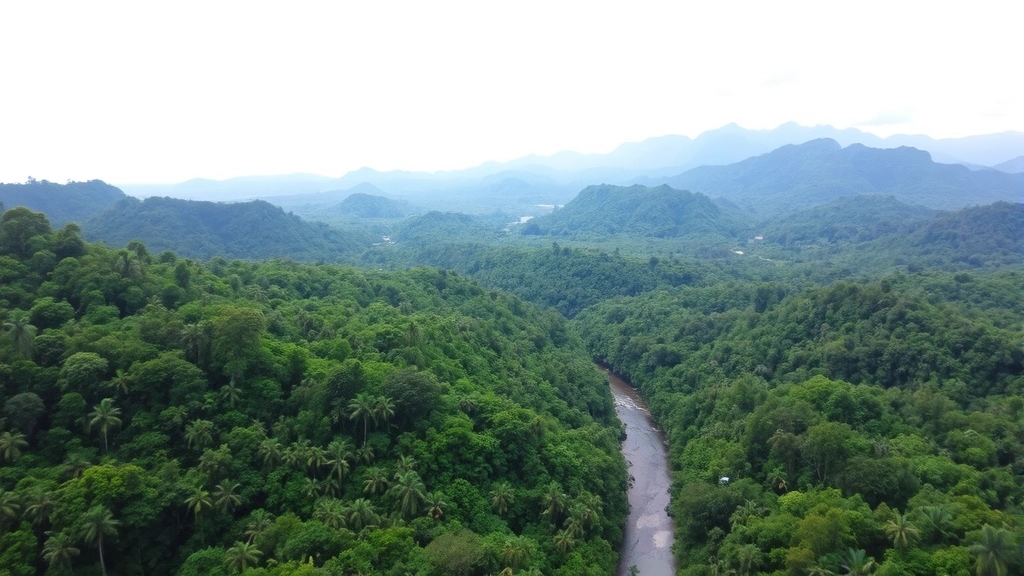
Costa Rica presents perhaps the most celebrated case study of a developing nation successfully implementing sustainable production practices. In 1987, the country pioneered the Payment for Ecosystem Services (PES) program, fundamentally restructuring how its economy values and protects natural resources while maintaining productive capacity.
The Costa Rican model recognizes that forests, wetlands, and watersheds provide measurable economic value through carbon sequestration, water purification, biodiversity conservation, and scenic beauty. Rather than treating these as free public goods, the government compensates landowners for preserving or restoring ecosystems. This creates economic incentives for environmental protection within the production environment.
Results over three decades demonstrate remarkable outcomes:
- Forest coverage increased from 21% (1987) to 52% (2023)—reversing decades of deforestation
- Hydroelectric generation expanded to 99% renewable capacity in optimal water years
- Tourism revenue grew to $4.3 billion annually, representing 8.5% of GDP, heavily dependent on ecosystem quality
- Carbon sequestration programs positioned Costa Rica as a carbon-neutral nation by 2021
- Agricultural productivity in coffee and cacao maintained competitiveness while improving environmental outcomes
The economic mechanism works through direct payments funded by taxes on fossil fuels, water usage, and biodiversity-related services. Landowners receive approximately $64-320 annually per hectare for forest conservation—sufficient incentive to abandon cattle ranching or logging while maintaining income stability. This transforms the production environment calculation: preserving forest becomes economically rational for individual actors.
Tourism operators, hydroelectric companies, and water utilities benefit from ecosystem services, creating a constituency supporting environmental investment. When Costa Rican coffee producers adopted shade-grown methods, they maintained yields while creating habitat for migratory birds—a win that attracts premium prices in sustainability-conscious markets.
However, the model’s limitations merit acknowledgment. PES programs work best where ecosystem services have direct economic value (water, carbon, tourism appeal). Less charismatic ecosystems or those benefiting distant populations struggle to attract adequate funding. Additionally, payment levels must remain sufficient to compete with alternative land uses—a challenge as commodity prices fluctuate.
Denmark’s Renewable Energy and Industrial Symbiosis
Denmark demonstrates how advanced industrial economies can restructure production toward sustainability while maintaining global competitiveness and manufacturing excellence. The nation’s transformation from coal-dependent energy to renewable generation parallels a broader restructuring of industrial production.
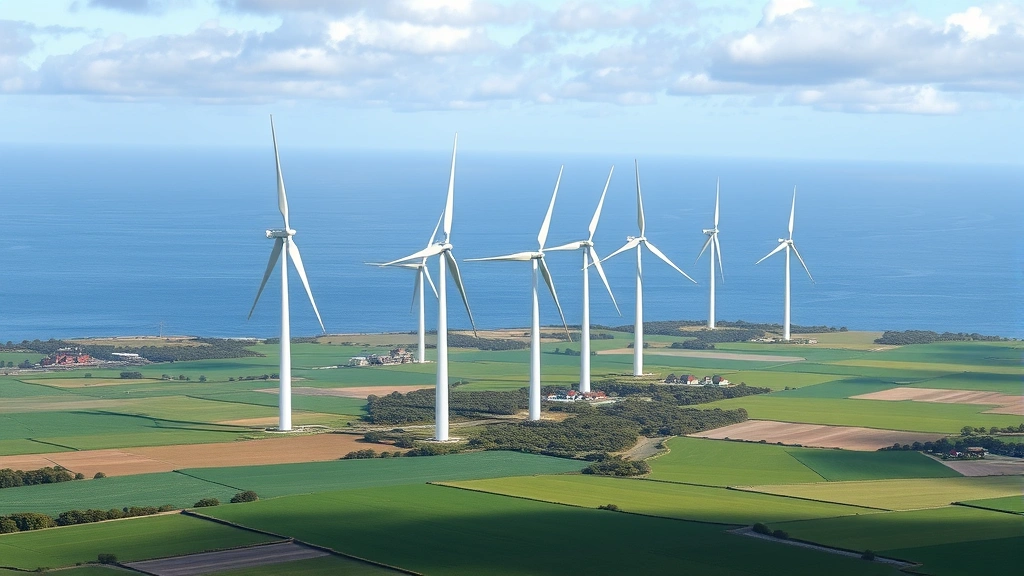
Danish renewable energy capacity now exceeds 80% of electricity generation, with wind power providing the dominant share. More significantly for production environment integration, Denmark pioneered industrial symbiosis—a systems approach where waste from one industrial process becomes feedstock for another, dramatically reducing resource extraction and landfill burden.
The Kalundborg Symbiosis, operational since 1961 but significantly expanded in recent decades, connects:
- A coal power plant (transitioning to biomass and waste heat)
- An oil refinery
- A pharmaceutical manufacturer
- A wallboard producer
- A cement manufacturer
- Multiple other facilities
Through these connections, excess heat from power generation warms district heating systems serving 60,000 residents. Refinery gases fuel the pharmaceutical plant. Gypsum waste becomes wallboard feedstock. Cooling water serves aquaculture. This circular production environment reduces environmental impact while lowering operational costs—making sustainability economically rational for participating firms.
The results quantify impressively: Kalundborg symbiosis prevents approximately 300,000 tons of CO2 emissions annually while generating millions in cost savings. Similar industrial symbiosis networks have replicated across Europe, China, and other regions, proving the model’s scalability.
Denmark’s approach extends to agricultural production through biogas programs where farm waste converts to energy and fertilizer, maintaining agricultural viability while reducing methane emissions. This integration of renewable energy principles throughout production systems demonstrates how systemic redesign creates competitive advantage.
The Danish experience reveals crucial insights: sustainable production requires infrastructure investment and coordination mechanisms (district heating networks, waste exchange systems, regulatory frameworks). These upfront costs create barriers to adoption but generate substantial long-term returns. Nations and regions lacking such infrastructure face higher transition costs, explaining why wealthy economies often lead sustainability transitions.
New Zealand’s Biodiversity-Centered Economy
New Zealand offers a contrasting case study where endemic biodiversity and agricultural production initially seemed incompatible. The nation’s unique ecosystem—evolved in isolation for 80 million years—faced unprecedented pressure from introduced species and land conversion for sheep and dairy farming.
Rather than accepting this as inevitable, New Zealand has increasingly integrated biodiversity protection into agricultural production systems. The Department of Conservation works with farmers to create habitat corridors, wetland restoration, and native forest recovery while maintaining productive land use.
Key initiatives restructuring the production environment include:
- Predator-Free 2050: Eliminating invasive species threatening native birds, enabling ecosystem recovery while maintaining farmland productivity
- Sustainable Dairy Standard: Reducing nitrogen runoff and methane emissions through rotational grazing and feed additives while maintaining milk production
- Native Forest Carbon Credits: Allowing farmers to earn revenue from reforestation on marginal land, diversifying income streams
- Kiwi Fruit Industry Sustainability: Integrated pest management reducing chemical inputs while maintaining yields and export competitiveness
New Zealand’s approach recognizes that biodiversity provides insurance against agricultural shocks—pest outbreaks, climate variability, disease—while providing ecosystem services like pollination and soil health. By embedding ecological resilience into production systems, the nation reduces vulnerability to disruption.
Economic data supports this integration: New Zealand’s agricultural exports command premium prices specifically because producers can certify environmental stewardship. Japanese importers pay 15-20% premiums for grass-fed beef from certified sustainable farms. This transforms the production environment economics, making environmental investment directly profitable rather than merely cost-reducing.
India’s Circular Economy Manufacturing Initiatives
India presents perhaps the most challenging case study—a rapidly industrializing nation of 1.4 billion people attempting to achieve development goals while managing severe environmental constraints. Yet specific sectors demonstrate that circular economy manufacturing can thrive even in resource-constrained contexts.
India’s leather industry, historically among the world’s most polluting, has undergone dramatic transformation in leading centers. Tamil Nadu’s leather clusters have implemented closed-loop tannery systems where chromium and other hazardous chemicals recycle internally rather than contaminating waterways. This restructuring of the production environment required:
- Technological investment in water recycling systems
- Regulatory enforcement through pollution control boards
- Industry association coordination enabling shared infrastructure
- Worker training programs for new production methods
Results demonstrate that circular production increases profitability: leather manufacturers in compliant clusters report 12-18% cost reductions through resource efficiency, despite higher upfront capital investment. These savings come from reduced raw material consumption, lower waste disposal costs, and avoided pollution penalties.
India’s textile industry similarly embraces circular approaches, with manufacturing hubs implementing:
- Zero liquid discharge systems
- Fiber-to-fiber recycling programs
- Natural dye alternatives reducing chemical inputs
- Waste-to-energy systems powered by production byproducts
The Indian pharmaceutical industry, another historically polluting sector, increasingly implements green chemistry principles—designing production processes that minimize toxic byproducts rather than treating waste after generation. This approach, pioneered by researchers at Indian Institute of Technology, proves that sustainable production isn’t exclusive to wealthy nations but requires knowledge transfer and regulatory frameworks supporting innovation.
However, India’s case reveals critical challenges: circular economy adoption concentrates in export-oriented sectors with international buyer pressure and regulatory capacity. Domestic industries serving local markets face weaker incentives. This highlights that sustainable production environment integration requires consistent policy frameworks, not merely market signals.
Critical Challenges and Scalability Questions
These case studies collectively demonstrate sustainable economy viability, yet significant obstacles limit universal adoption. Understanding these challenges clarifies what systemic changes are necessary for broader transformation.
Capital Requirements and Transition Costs
Restructuring production toward sustainability requires substantial upfront investment in new infrastructure, technology, and workforce training. Denmark’s renewable energy transition cost approximately €70 billion over two decades. Costa Rica’s PES program requires continuous government funding. Industrial symbiosis networks demand coordination infrastructure and geographic proximity of complementary industries.
Developing nations with limited capital face genuine constraints in financing these transitions. International climate finance mechanisms have mobilized only $100 billion annually—insufficient for global needs estimated at $2-3 trillion annually by UNEP research. This financing gap explains why sustainable economy adoption concentrates in already-wealthy nations or export sectors with international buyer pressure.
Commodity Price Volatility and Market Signals
Sustainable production often costs more than extractive alternatives when environmental externalities aren’t priced. Costa Rican ecosystem services payments work because alternative land uses (cattle ranching, logging) generate insufficient returns. But when commodity prices spike—as occurred with agricultural commodities in 2010-2011 and 2021-2022—pressure to abandon conservation intensifies.
This reveals that market mechanisms alone cannot sustain environmental production standards. Regulatory frameworks, international agreements, and cultural values must reinforce market incentives. Nations lacking strong institutions struggle to maintain sustainable practices during price booms.
Technological Lock-in and Path Dependency
Existing infrastructure—power plants, transportation networks, manufacturing facilities—embeds decades of investment in extractive production models. Replacing this capital stock requires either catastrophic write-offs (economically and politically impossible) or gradual transition spanning 30-50 years. Meanwhile, climate science indicates we lack such time for complete energy system transformation.
This explains why sustainability transitions prove faster in rapidly developing nations building new infrastructure (India’s renewable energy capacity expanded faster than many wealthy nations) compared to wealthy nations retrofitting existing systems.
Distributional Impacts and Political Economy
Sustainable production transitions create winners and losers. Workers in fossil fuel industries, agricultural regions dependent on extractive practices, and corporations with stranded assets face genuine hardship. These groups often possess political power to block or slow transitions, as evident in fossil fuel lobbying, agricultural subsidies protecting inefficient practices, and regulatory capture in polluting industries.
Successful transitions (Denmark, Costa Rica, parts of New Zealand) implemented strong labor protections, regional development programs, and political coalitions supporting change. Transitions without these protections generate political backlash and reversals.
Measurement and Accounting Challenges
Sustainable production requires valuing ecosystem services, natural capital depletion, and long-term externalities—difficult measurements with significant uncertainty. Different valuation methodologies produce vastly different results. This creates space for manipulation and disputes about whether production actually achieves sustainability.
The UN Environment Programme’s Natural Capital Accounting initiatives attempt to standardize measurement, but implementation remains inconsistent across nations and sectors. Without reliable measurement, claims of sustainability lack verification.
FAQ
What distinguishes sustainable economies from greenwashing?
Authentic sustainable economies integrate environmental constraints into production decisions with measurable outcomes and independent verification. Greenwashing involves marketing claims without corresponding systemic changes. Costa Rica’s forest recovery (measurable via satellite imagery), Denmark’s renewable energy percentage (independently verified), and India’s pollution reduction (monitored by environmental agencies) represent genuine sustainability. By contrast, a corporation claiming sustainability while expanding extraction in pristine ecosystems exemplifies greenwashing. Examining actual production environment changes, not merely marketing claims, reveals the distinction.
Can sustainable production match conventional production’s profitability?
Evidence from case studies suggests sustainable production achieves comparable or superior profitability when measured over sufficient timeframes and when environmental externalities receive pricing. Denmark’s renewable energy sector generates higher returns than coal generation when lifecycle costs are calculated. Costa Rican ecosystem services create genuine economic value justifying investment. However, short-term financial metrics may disadvantage sustainability investments with long payoff periods. This reveals why market mechanisms alone prove insufficient—regulatory frameworks and accounting standards must align financial incentives with ecological reality.
How do developing nations finance sustainable transitions?
Successful developing-nation transitions employ multiple financing mechanisms: international climate finance, remittances from diaspora communities, green bonds attracting ESG-conscious investors, payments for ecosystem services, and domestic resource mobilization through environmental taxation. India finances renewable energy expansion partly through international climate finance, partly through sovereign bonds, partly through domestic solar manufacturers achieving economies of scale. Costa Rica funds PES through environmental taxes. No single mechanism suffices; diversified financing approaches prove essential.
What role do international agreements play?
International frameworks (Paris Agreement, Convention on Biological Diversity, UN Sustainable Development Goals) establish targets and accountability mechanisms encouraging national transitions. However, enforcement remains weak—nations routinely fail to meet commitments without significant consequences. More significantly, international trade agreements and supply chain pressure from multinational corporations often drive more rapid adoption than government mandates. This suggests that integrating sustainability into global value chains and corporate accountability may prove more effective than intergovernmental negotiations.
How does climate change affect sustainable economy viability?
Climate change simultaneously increases pressure for sustainable transitions and threatens their implementation. Extreme weather (droughts, floods, storms) undermines agricultural production, renewable energy output, and ecosystem services, making sustainability more economically rational. Yet the same disruptions divert capital toward disaster recovery rather than preventive transition investments. Nations already struggling with climate impacts face reduced capacity for systemic economic restructuring. This creates a tragic irony: nations most vulnerable to climate change often least able to finance sustainable transitions, requiring unprecedented international support.


