Otters’ Role in Ecosystems: A Scientific Study
Otters represent one of nature’s most fascinating examples of keystone species, organisms whose ecological impact far exceeds their biomass or numerical abundance. These semi-aquatic carnivores inhabit freshwater rivers, lakes, and coastal marine environments across six continents, playing crucial roles in maintaining ecosystem balance and health. The otter environment relationship demonstrates how individual species can cascade through food webs, influencing nutrient cycling, prey population dynamics, and habitat structure in ways that fundamentally reshape entire ecosystems. Understanding this relationship requires examining the intricate mechanisms through which otters influence their surroundings and the broader implications for ecosystem resilience.
Scientific research over the past three decades has revealed that otters function as both apex predators and ecosystem engineers, directly controlling herbivorous and mesopredator populations while simultaneously altering physical habitat characteristics through their feeding and movement patterns. Their conservation status has become increasingly important as evidence mounts regarding their irreplaceable ecological functions. This comprehensive analysis explores the multifaceted roles otters play in maintaining ecosystem integrity, the economic value of their ecological services, and the implications for conservation policy and environmental management strategies.
Keystone Species and Trophic Cascades
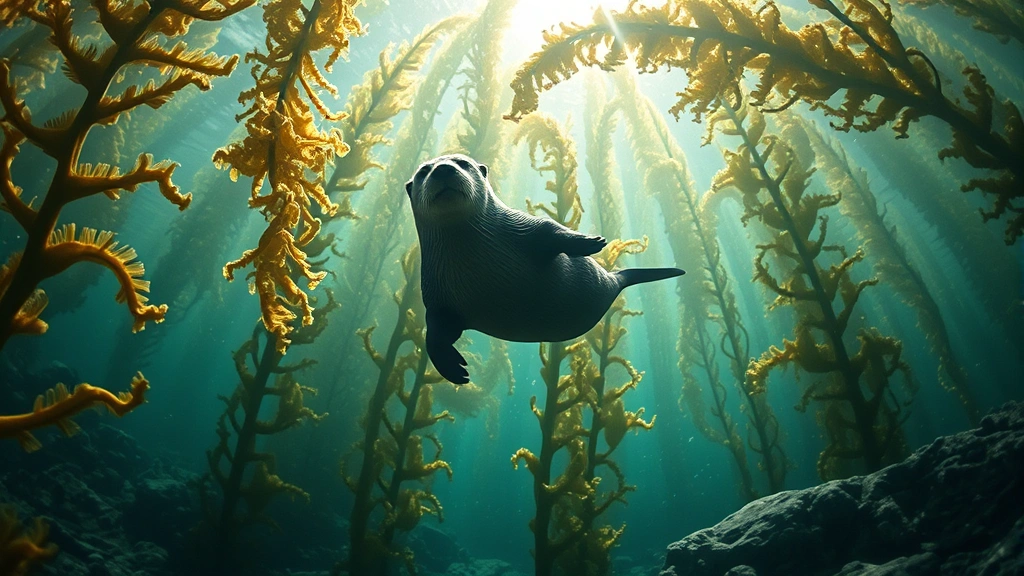
The concept of keystone species emerged from ecological theory to describe organisms whose removal disproportionately disrupts ecosystem function relative to their abundance. Otters exemplify this principle through their role in controlling sea urchin populations in kelp forest ecosystems. When sea otters were hunted to near extinction in the Pacific coast of North America during the 18th and 19th centuries, the ecological consequences were catastrophic. Without predatory pressure from otters, sea urchin populations exploded, leading to overgrazing of kelp forests and subsequent ecosystem collapse. This phenomenon, termed a trophic cascade, demonstrates how top predators regulate multiple trophic levels through indirect effects.
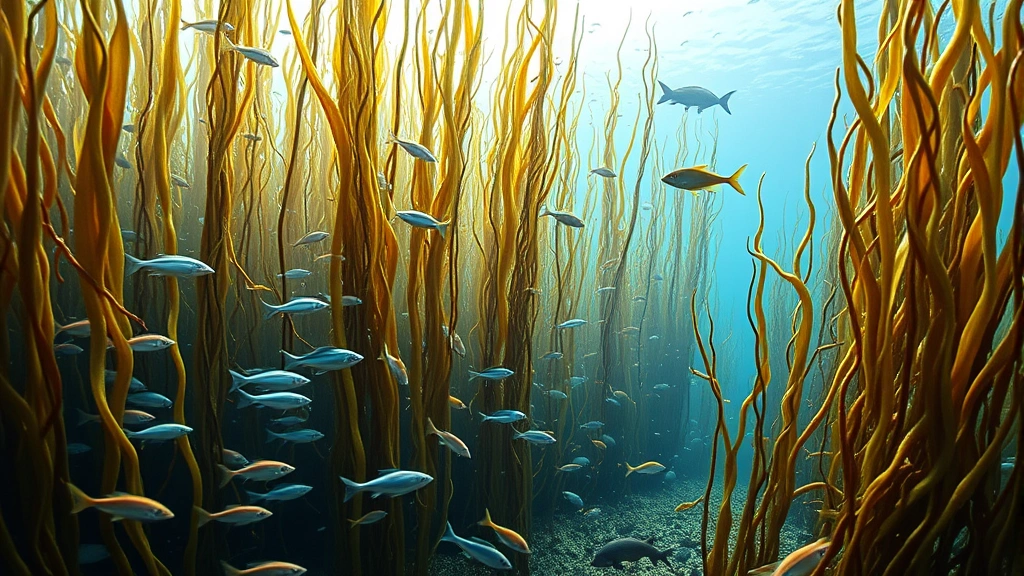
Research conducted along the California coast and the Aleutian Islands documented dramatic differences in ecosystem structure between areas with and without sea otters. In otters-present environments, kelp forests remained dense and productive, supporting diverse fish communities, invertebrates, and marine mammals. In contrast, urchin-dominated barrens devoid of kelp supported minimal biodiversity. This research, published in leading ecological journals and supported by World Bank environmental assessments, fundamentally changed scientific understanding of predator importance in maintaining ecosystem stability. The restoration of sea otter populations in certain regions has allowed researchers to observe ecosystem recovery in real-time, providing compelling evidence for the mechanism through which keystone species maintain ecological balance.
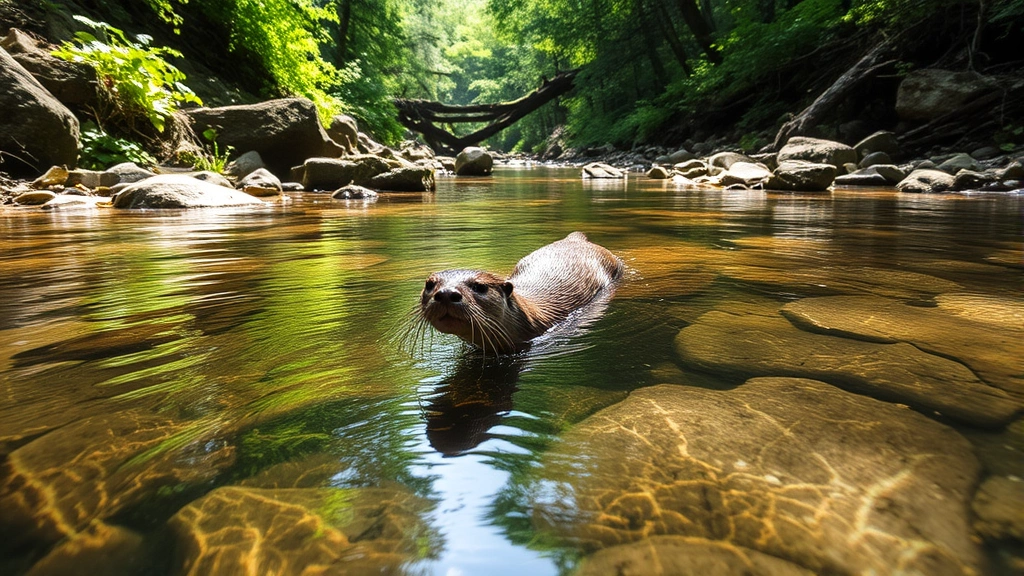
River otters demonstrate similar cascading effects in freshwater systems. By controlling fish populations and reducing predation pressure on aquatic invertebrates, river otters influence algal communities and primary productivity. These effects extend to riparian vegetation through changes in nutrient availability and water quality. The interconnected nature of these relationships illustrates why understanding the definition of environment and environmental science requires recognizing species interactions as fundamental environmental components.
Otters as Apex Predators
Otters occupy apex or near-apex predatory positions in their respective ecosystems, consuming fish, crustaceans, mollusks, and occasionally larger prey depending on species and habitat. This predatory role directly influences prey population dynamics, species composition, and size structure of prey communities. Sea otters, for instance, consume approximately 25-30% of their body weight daily, with an adult requiring roughly 8,000-10,000 calories per day. This substantial energy demand translates into enormous predation pressure on benthic invertebrate communities, particularly sea urchins, crabs, and clams.
The selective feeding behavior of otters generates important ecological consequences through differential predation. Otters preferentially consume larger, more energetically rewarding prey items while avoiding well-defended species, thereby altering the size distribution and species composition of prey communities. This selective predation pressure has been documented to favor the persistence of less palatable or defended prey species, effectively modifying community assembly patterns. Research employing stable isotope analysis and dietary reconstruction has demonstrated that otters consume diverse prey portfolios that vary seasonally and geographically based on local availability.
The energetic demands of otters create significant carbon and nutrient flows through ecosystems. Each calorie consumed represents biomass transferred from prey populations to otter biomass and subsequently exported through otter feces, which deposits concentrated nutrient loads in downstream or distant locations. This transport mechanism redistributes nutrients across ecosystem boundaries, influencing productivity in areas far removed from otter foraging grounds. Understanding these predatory relationships connects directly to broader concepts of human environment interaction and how species removal affects ecosystem services.
Ecosystem Engineering and Habitat Modification
Beyond their roles as predators, otters function as ecosystem engineers—organisms that modify their physical environment in ways that create habitat for other species. Sea otters create complex three-dimensional habitat structures through their feeding activities and movement patterns. By controlling sea urchin populations, otters maintain dense kelp forests that provide shelter, food, and breeding habitat for hundreds of fish species, invertebrates, and marine mammals. The structural complexity of kelp forests creates distinct microhabitats at different water column heights, supporting specialized communities of organisms adapted to specific light, temperature, and hydrodynamic conditions.
River otters similarly modify riparian and aquatic habitats through their denning and movement behaviors. Their burrows aerate sediments, alter water flow patterns, and create refuge habitats for fish and invertebrates. Otter latrines (communal defecation sites) concentrate nutrients in specific locations, creating nutrient hotspots that stimulate algal and plant growth. These modified habitat patches support distinct biological communities compared to surrounding areas, effectively creating biodiversity islands within river systems. The physical modification of habitat by otters demonstrates how species interactions extend beyond simple predator-prey relationships to encompass fundamental ecosystem restructuring.
Nutrient Cycling and Biogeochemical Processes
Otters significantly influence nutrient cycling through their position in food webs and their spatial distribution of nutrients via feces and urine. Sea otters, in particular, act as nutrient transporters between benthic and pelagic zones. By consuming benthic invertebrates and subsequently excreting in the water column, otters transport nitrogen, phosphorus, and other essential nutrients from seafloor communities to surface waters. This nutrient translocation increases primary productivity in surface waters, supporting phytoplankton communities and subsequently entire pelagic food webs. Research employing nutrient budget analyses has quantified that sea otter populations can transport bioavailable nitrogen equivalent to substantial terrestrial nutrient inputs.
The nutrient redistribution by otters has cascading effects on ecosystem productivity and carbon cycling. Increased primary productivity in surface waters enhances carbon fixation and organic matter production, portions of which sink to depth and contribute to carbon sequestration in deep ocean sediments. This process, termed the biological carbon pump, represents a critical mechanism through which marine ecosystems influence atmospheric carbon dioxide concentrations. While individual otters may seem insignificant in global carbon cycling, populations numbering in the hundreds of thousands can measurably influence biogeochemical processes at regional scales. These ecosystem services relate directly to broader environmental concerns discussed in resources about how to reduce carbon footprint through ecosystem-based approaches.
River otters similarly influence nutrient cycling in freshwater systems, though through different mechanisms. By transporting fish biomass from aquatic to terrestrial environments (otters often consume prey on land), river otters redistribute aquatic nutrients to riparian forests. This cross-ecosystem nutrient flow supports terrestrial productivity and influences plant community composition in riparian zones. Salmon-consuming river otters in Pacific coastal regions participate in nutrient cycling patterns similar to bears, distributing salmon-derived nutrients throughout terrestrial ecosystems when they consume portions of salmon carcasses.
Economic Value of Otter Ecosystems
The ecosystem services provided by otters translate into substantial economic value, though quantifying these services requires employing ecological economics methodologies and environmental valuation techniques. Kelp forest ecosystems maintained by sea otters generate economic value through multiple pathways: fisheries production, carbon sequestration, coastal protection, and tourism. UNEP environmental assessments have estimated the economic value of ecosystem services in otter-maintained kelp forests at hundreds of millions of dollars annually when considering global kelp forest extent.
Tourism revenue from otter viewing constitutes a significant economic component in regions supporting healthy otter populations. Coastal communities in California, Alaska, and other regions with established sea otter populations attract ecotourists specifically to observe otters in their natural habitats. This tourism generates direct revenue through guide services, accommodation, and retail spending, while simultaneously creating economic incentives for otter conservation. Similarly, river otter populations attract wildlife photographers and birdwatchers, generating economic value in freshwater tourism sectors.
The fisheries value of otter-maintained ecosystems extends beyond direct otter consumption. By controlling sea urchin populations and maintaining kelp forests, sea otters preserve habitat essential for commercially important fish species. Kelp forest fish communities support both recreational and commercial fisheries valued at millions of dollars annually. The indirect economic value of otters through maintaining fisheries productivity often exceeds the direct costs of otter conservation, creating positive economic arguments for protection policies. These economic considerations connect to broader environmental economics frameworks discussed in environmental and economic research.
The carbon sequestration value of otter-maintained kelp forests represents another quantifiable ecosystem service. As kelp forests enhanced by otters sequester carbon at rates substantially higher than urchin-dominated barrens, the carbon value of maintained kelp forests can be estimated using carbon pricing methodologies. Preliminary analyses suggest the annual carbon sequestration value of sea otter populations ranges from tens to hundreds of millions of dollars globally, depending on carbon pricing assumptions.
Conservation Challenges and Solutions
Despite their ecological importance and economic value, otter populations face numerous conservation challenges including habitat degradation, pollution, disease, and direct human persecution. Many otter species remain endangered or vulnerable, with population recovery requiring coordinated international conservation efforts. The International Union for Conservation of Nature (IUCN) lists several otter species as threatened, with some populations numbering fewer than 1,000 individuals.
Pollution, particularly persistent organic pollutants and heavy metals, accumulates in otter tissues through bioaccumulation and biomagnification processes. As apex predators consuming contaminated prey, otters experience elevated toxin burdens that impair reproduction, immune function, and survival. Marine pollution from oil spills, plastic debris, and chemical contaminants directly threatens sea otter populations. River otters face similar pollution challenges in freshwater systems, with agricultural runoff, industrial discharge, and urban stormwater introducing contaminants into aquatic habitats.
Habitat loss represents another critical conservation challenge. Coastal development, dam construction, and water diversions eliminate or fragment otter habitats, restricting population expansion and reducing genetic diversity through isolation. Climate change poses emerging threats through ocean acidification affecting prey species, kelp forest distribution changes, and altered freshwater flow regimes. Addressing these challenges requires integrated conservation approaches combining habitat protection, pollution reduction, and species management.
Successful conservation strategies have employed translocation programs, habitat restoration, and pollution remediation to recover otter populations. The California sea otter population, once reduced to approximately 50 individuals, has recovered to over 3,000 through decades of protection and management efforts. This recovery demonstrates that otter restoration remains feasible when resources and political will align. River otter reintroduction programs throughout North America have similarly succeeded in restoring populations to historically occupied ranges.
Future conservation requires integrating ecological knowledge with economic valuation to justify protection investments. Demonstrating that otter conservation generates economic returns through ecosystem services provision creates compelling policy arguments for protection. Collaborative approaches involving government agencies, conservation organizations, academic institutions, and local communities have proven most effective at achieving lasting conservation outcomes. Incorporating traditional ecological knowledge alongside scientific research enhances conservation strategy effectiveness, particularly in regions where indigenous peoples have managed otter ecosystems for centuries.
The intersection of otter conservation with renewable energy development and sustainable practices presents opportunities for win-win outcomes. Recognizing that ecosystem health depends on maintaining species like otters encourages broader sustainability initiatives. Similar to principles discussed regarding renewable energy for homes, ecosystem conservation requires long-term commitments to sustainable practices and recognition that short-term costs yield long-term benefits.
FAQ
What makes otters keystone species?
Otters are considered keystone species because their ecological impact disproportionately exceeds their biomass. Their predatory control of prey populations, particularly sea urchins and fish, cascades through ecosystems altering community composition, habitat structure, and ecosystem productivity. The removal of otters causes dramatic ecosystem reorganization, while their presence maintains ecosystem stability and diversity.
How do sea otters maintain kelp forests?
Sea otters maintain kelp forests by controlling sea urchin populations through predation. Without otter predation, sea urchin populations exceed sustainable levels, leading to overgrazing of kelp. Otters consume sufficient urchins to maintain urchin populations at levels allowing kelp forest persistence and productivity. This predator-prey relationship represents a classic trophic cascade affecting multiple ecosystem levels.
What economic value do otters provide?
Otters provide economic value through multiple pathways: maintaining fisheries productivity through habitat preservation, generating tourism revenue from wildlife viewing, supporting carbon sequestration in kelp forests, and maintaining biodiversity valuable for pharmaceutical and agricultural research. Quantitative analyses suggest otter ecosystem services are worth hundreds of millions of dollars annually globally.
Why are otter populations declining?
Otter populations decline due to habitat loss, pollution accumulation, disease, climate change impacts on prey species, and direct human persecution. Coastal development eliminates sea otter habitat, agricultural and industrial pollution contaminates freshwater systems, and changing ocean conditions affect prey availability. Addressing population declines requires comprehensive conservation addressing multiple threat factors simultaneously.
Can otter populations recover?
Yes, otter populations can recover when provided adequate protection and habitat restoration. The California sea otter population recovery from near extinction demonstrates that restoration is possible. Success requires long-term commitment, international cooperation, habitat protection, and pollution reduction. River otter reintroduction programs have similarly succeeded throughout North America, showing that recovery potential exists for most otter species.


