
Anaerobic Impact on Photosynthesis: Study Insights
Photosynthesis represents one of Earth’s most fundamental biological processes, converting solar energy into chemical energy that sustains virtually all life forms. However, this critical metabolic pathway operates under specific environmental conditions, and disruptions to these conditions can have cascading effects on plant productivity and ecosystem health. When oxygen availability becomes severely limited or completely absent—creating anaerobic conditions—photosynthetic efficiency dramatically declines, triggering a cascade of biochemical stress responses that fundamentally alter how plants function.
Understanding the relationship between anaerobic environments and photosynthetic performance has profound implications for agriculture, wetland management, climate change adaptation, and our broader comprehension of how ecosystems respond to environmental stress. Recent research has illuminated the complex mechanisms through which oxygen deprivation compromises photosynthesis, revealing insights that challenge conventional assumptions about plant resilience and metabolic flexibility.
The Fundamentals of Photosynthesis and Oxygen Requirements
Photosynthesis operates through two primary phases: the light-dependent reactions occurring in the thylakoid membranes of chloroplasts, and the light-independent reactions (Calvin cycle) occurring in the stroma. While oxygen functions primarily as a byproduct of the light-dependent reactions rather than a direct requirement for photosynthesis itself, the relationship between oxygen availability and photosynthetic efficiency proves far more nuanced than early biochemical models suggested.
The light reactions generate adenosine triphosphate (ATP) and nicotinamide adenine dinucleotide phosphate (NADPH), the energy carriers essential for the Calvin cycle. These reactions depend heavily on electron transport chains within the thylakoid membrane, where oxygen serves as the final electron acceptor in photosystem II. However, anaerobic stress doesn’t directly eliminate this process—instead, it triggers secondary effects that progressively compromise photosynthetic machinery.
The environmental science perspective reveals that photosynthetic organisms evolved under atmospheric conditions with consistent oxygen availability. This evolutionary context shaped the entire metabolic framework of plants, meaning that sudden shifts to anaerobic conditions represent profound physiological stress rather than mere inconvenience.

How Anaerobic Conditions Develop in Ecosystems
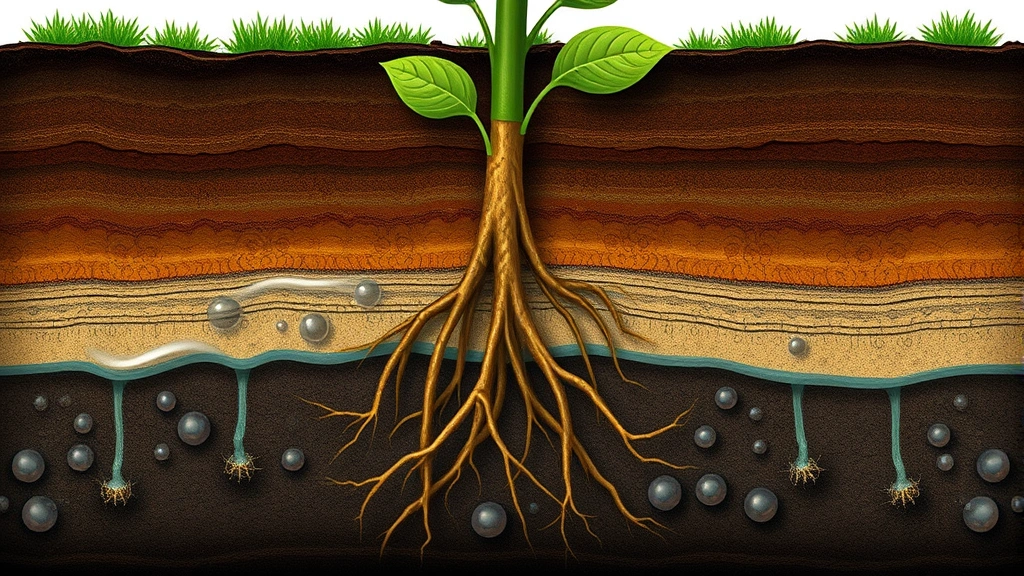
Anaerobic environments emerge through multiple ecological pathways, each with distinct characteristics and consequences. Waterlogged soils represent perhaps the most common scenario, where saturation prevents oxygen diffusion from the atmosphere into root zones. This occurs naturally in wetlands, marshes, and flooded rice paddies, but increasingly results from poor drainage in agricultural systems and urban landscapes affected by climate change-driven extreme precipitation events.
Aquatic environments transition to anaerobic conditions as dissolved oxygen depletes faster than atmospheric replenishment can restore it. This occurs in eutrophic lakes experiencing algal blooms, in stagnant water bodies, and in deep ocean zones below the oxygen minimum layer. The human environment interaction has dramatically accelerated the formation of anaerobic zones through nutrient pollution and thermal stratification that prevents oxygen mixing.
Soil compaction, high organic matter decomposition, and microbial respiration all consume available oxygen, creating hypoxic and eventually anaerobic microsites within seemingly aerobic soils. These anaerobic pockets, though localized, can significantly impair root function and nutrient acquisition, with consequences extending throughout the plant.
Direct Mechanisms: Photosynthetic Disruption in Anaerobic Environments
The direct impact of anaerobic conditions on photosynthesis operates through several interconnected mechanisms. When oxygen becomes limiting, plants experience reduced capacity for mitochondrial respiration, the process that regenerates ATP in non-photosynthetic tissues. This energy deficit cascades to photosynthetic tissues, compromising their ability to maintain electrochemical gradients essential for photosystem function.
Anaerobic stress triggers accumulation of reactive oxygen species (ROS) within chloroplasts, as electron transport chains become unbalanced. Without adequate oxygen to accept electrons at photosystem II, excitation energy builds within the photosynthetic apparatus, forcing electrons into alternative pathways that generate harmful free radicals. These ROS damage thylakoid membranes, photosystem proteins, and the photosynthetic electron transport chain itself.
The Calvin cycle becomes progressively inhibited as ATP and NADPH availability decline. Ribulose-1,5-bisphosphate carboxylase/oxygenase (RuBisCO), the enzyme catalyzing CO₂ fixation, experiences reduced substrate availability and increased inhibition by accumulated intermediates. Photosynthetic rate measurements in anaerobic conditions consistently demonstrate 40-80% reductions compared to aerobic controls, depending on species and stress duration.
Stomatal closure represents an important secondary response, as plants restrict gas exchange to prevent further water loss under stress conditions. While this protects against desiccation, it simultaneously reduces CO₂ availability to the Calvin cycle, creating a compounding photosynthetic limitation. The interplay between direct biochemical constraints and regulatory stomatal responses creates a complex physiological bottleneck.
Root-Level Impacts: The Cascade Effect
The most severe photosynthetic impacts from anaerobic conditions originate not in the leaves but in the roots. Root systems depend almost entirely on aerobic respiration to generate ATP for nutrient uptake, water transport, and synthesis of growth-promoting hormones like auxins and gibberellins. When roots encounter anaerobic conditions, their capacity for nutrient acquisition collapses.
Phosphorus, potassium, calcium, and especially nitrogen become increasingly unavailable as anaerobic root tissues cannot actively transport these nutrients against concentration gradients. Nitrogen availability proves particularly critical, as plants cannot synthesize chlorophyll, photosynthetic enzymes, and electron transport chain proteins without adequate nitrogen. Studies demonstrate that anaerobic waterlogging reduces leaf nitrogen concentration by 15-35%, directly impairing photosynthetic capacity.
Anaerobic roots shift toward fermentation, producing ethanol, acetaldehyde, and lactate as byproducts of anaerobic respiration. These toxic metabolites accumulate within root cells and can translocate to shoots, causing direct toxicity to photosynthetic tissues. Manganese toxicity frequently accompanies anaerobic conditions, as reduced soil conditions mobilize manganese from insoluble oxides into toxic soluble forms that accumulate in leaves and inhibit photosynthetic electron transport.
Root damage from anaerobic stress impairs water transport through the xylem, reducing leaf turgor and increasing water potential gradients that drive stomatal closure. This hydraulic limitation represents a critical mechanism through which root-level stress translates into photosynthetic inhibition in the canopy.
Cellular Stress Responses and Metabolic Adaptations
Plants exposed to anaerobic stress activate complex signaling cascades involving ethylene, abscisic acid, and reactive oxygen species as secondary messengers. These signals reprogram gene expression, redirecting limited resources toward stress tolerance mechanisms rather than growth and photosynthesis.
Aerenchyma formation—the development of air spaces in roots and stems—represents a key anatomical adaptation in plants adapted to periodic waterlogging. These internal air channels allow oxygen diffusion from shoots to roots, partially alleviating root hypoxia. However, aerenchyma formation requires developmental time and energy investment, meaning that sudden anaerobic stress overwhelms these adaptive mechanisms before they can fully develop.
Antioxidant enzyme systems, including superoxide dismutase, catalase, and peroxidase, upregulate in response to anaerobic stress, attempting to neutralize ROS before they damage photosynthetic machinery. However, the magnitude of ROS production under severe anaerobic conditions frequently exceeds the capacity of these antioxidant defenses, resulting in progressive oxidative damage to chloroplasts.
Metabolic flexibility represents another adaptation, as some plant species can shift toward fermentation pathways and alternative electron acceptors. However, these adaptations support survival rather than productivity—plants in anaerobic conditions typically exhibit minimal growth and negligible photosynthetic contribution to biomass accumulation.
Research Findings and Experimental Evidence
Recent investigations have substantially advanced our understanding of anaerobic impacts on photosynthesis through controlled laboratory experiments and field observations. Research from the World Bank‘s environmental economics division documents how waterlogging in agricultural regions reduces crop yields by 20-50% through mechanisms centered on photosynthetic inhibition.
A landmark study published in the Journal of Experimental Botany examined photosynthetic responses in rice, wheat, and maize exposed to progressive anaerobic conditions. Researchers measured chlorophyll fluorescence, CO₂ assimilation rates, and photosystem II efficiency. Results demonstrated that photosynthetic rates declined within hours of anaerobic treatment, with maximum photosynthetic rates dropping from 15-20 μmol CO₂ m⁻² s⁻¹ in aerobic conditions to 3-6 μmol CO₂ m⁻² s⁻¹ under anaerobiosis. Photosystem II efficiency declined by 60-75%, indicating severe damage to light-harvesting machinery.
Research examining carbon footprint implications of agricultural waterlogging reveals paradoxical outcomes—while photosynthesis declines, methane emissions from anaerobic microbial metabolism increase substantially, offsetting any carbon sequestration benefits from reduced photosynthetic CO₂ uptake.
Field studies in wetland ecosystems demonstrate that plants adapted to anaerobic conditions (wetland specialists) maintain 30-50% of normal photosynthetic capacity, compared to 5-15% for terrestrial plants suddenly exposed to waterlogging. This reflects evolutionary adaptation through modified leaf anatomy, enhanced antioxidant capacity, and root systems optimized for hypoxic conditions.
Investigations by the United Nations Environment Programme (UNEP) document how climate change-driven increases in extreme precipitation events create temporary anaerobic conditions in previously well-drained agricultural soils, reducing yields and threatening food security in vulnerable regions.
Ecological and Agricultural Implications
The ecological consequences of anaerobic stress extend far beyond individual plants. In agricultural systems, waterlogging events during critical growth stages can eliminate entire harvests. Rice cultivation, while adapted to anaerobic conditions, still experiences yield reductions of 30-40% when anaerobiosis develops prematurely or persists excessively. Wheat, maize, and other staple crops show even more dramatic yield losses, as their photosynthetic systems lack evolutionary adaptation to sustained anaerobic stress.
Climate change projections indicate that extreme precipitation events will increase in frequency and intensity across most global regions. This threatens agricultural productivity in areas with inadequate drainage infrastructure, disproportionately affecting developing nations dependent on rainfed agriculture. The International Society for Ecological Economics documents how anaerobic stress-induced yield reductions could increase food prices by 15-30% by mid-century without adaptation investments.
Wetland ecosystems depend on the delicate balance between photosynthetic productivity and anaerobic decomposition. When anaerobic stress becomes too severe, primary productivity collapses, reducing energy availability for food webs and compromising ecosystem services including water purification, carbon sequestration, and wildlife habitat. Conversely, when anaerobic conditions moderate within historical ranges, wetlands maintain exceptional productivity and ecological value.
The renewable energy transition creates new anaerobic stress scenarios, as energy crop cultivation in marginal lands sometimes encounters drainage limitations. Biofuel production systems must carefully manage soil oxygen conditions to maintain photosynthetic productivity and economic viability.
Recovery Mechanisms and Resilience Pathways
Plant recovery from anaerobic stress depends critically on rapid restoration of aerobic conditions and the severity/duration of prior exposure. Photosynthetic recovery typically occurs within 24-72 hours after anaerobic conditions resolve, as ROS scavenging systems neutralize accumulated free radicals and photosynthetic enzyme systems resume normal function.
However, prolonged anaerobic exposure causes permanent damage to root systems, requiring weeks or months for regeneration of functional root architecture. This extended recovery period limits plant productivity throughout the growing season, even after anaerobic conditions cease. Biomass accumulation remains suppressed relative to never-waterlogged controls, reflecting the sustained photosynthetic deficit from compromised root function.
Management strategies for anaerobic stress involve multiple approaches. Improved drainage infrastructure prevents waterlogging in agricultural systems, though climate change necessitates increasingly sophisticated drainage designs to handle extreme precipitation. Crop selection toward more anaerobic-tolerant varieties provides another pathway, particularly for regions where waterlogging frequency is increasing. Aerobic rice cultivation systems, for example, reduce irrigation and water-related stress while maintaining yields.
Soil amendments including biochar and organic matter can enhance soil structure and oxygen diffusion, reducing hypoxic microsites. Cover crop systems and crop rotation strategies that improve soil aggregation and drainage provide long-term resilience benefits. These approaches align with sustainable ecosystem management principles that recognize the interconnection between soil health, photosynthetic productivity, and overall agricultural sustainability.
Research into anaerobic tolerance mechanisms continues identifying genetic traits that enhance plant survival and productivity under hypoxic conditions. Breeding programs increasingly incorporate these traits into major crop varieties, recognizing that climate change makes anaerobic stress an unavoidable challenge rather than a rare exceptional event.
FAQ
Does photosynthesis completely stop in anaerobic conditions?
Photosynthesis does not completely cease in anaerobic conditions, but photosynthetic rates decline 60-85% depending on plant species, stress duration, and severity. Light reactions continue functioning, but progressive damage to photosystem proteins and impaired ATP/NADPH regeneration severely constrain the Calvin cycle and overall CO₂ fixation capacity.
Why do roots suffer more than leaves in anaerobic conditions?
Roots depend almost entirely on aerobic respiration for ATP generation, which powers active nutrient uptake and water transport. Anaerobic conditions force roots into inefficient fermentation, producing toxic byproducts and reducing nutrient availability to leaves. Leaf photosynthesis then becomes limited by nutrient deficiency and hydraulic constraints imposed by dysfunctional roots.
Can plants adapt to permanent anaerobic conditions?
Some plant species, particularly wetland specialists, exhibit evolutionary adaptations including aerenchyma formation, enhanced antioxidant systems, and modified photosynthetic pathways that allow survival and modest productivity in anaerobic conditions. However, no plants achieve normal photosynthetic rates in sustained anaerobiosis—adaptation means tolerating reduced productivity rather than maintaining normal function.
How long does photosynthetic recovery take after waterlogging ends?
Photosynthetic rates typically recover within 24-72 hours after anaerobic conditions resolve, as reactive oxygen species clear and photosynthetic enzyme systems resume normal function. However, full productivity recovery requires 2-4 weeks as root systems regenerate functional architecture and nutrient uptake capacity normalizes.
What is the connection between anaerobic conditions and greenhouse gas emissions?
Anaerobic soil conditions trigger microbial fermentation and methanogenesis, producing methane (CH₄) and nitrous oxide (N₂O)—potent greenhouse gases. While plant photosynthesis declines under anaerobiosis, methane emissions increase substantially, often resulting in net greenhouse gas release rather than carbon sequestration.
How does anaerobic stress affect different crop species differently?
Crop sensitivity to anaerobic stress varies dramatically by species. Rice, which evolved in flooded paddies, maintains 30-50% of normal photosynthetic capacity in anaerobic conditions. Maize and wheat, which evolved in well-drained soils, retain only 5-15% photosynthetic capacity. This variation reflects evolutionary adaptation and anatomical specialization for different hydrological environments.


