
Great White Sharks: Ecosystem Impact Explained
Great white sharks represent one of the ocean’s most vital apex predators, wielding extraordinary influence over marine ecosystems through mechanisms that extend far beyond simple predation. These magnificent creatures, scientifically known as Carcharodon carcharias, have evolved over millions of years to occupy a position of ecological supremacy that fundamentally structures the health, diversity, and productivity of coastal and open ocean environments. Understanding their ecosystem impact requires examining the intricate web of biological, chemical, and physical processes that connect these predators to the broader health of our oceans.
The presence or absence of great white sharks in marine ecosystems creates cascading effects that influence everything from the abundance of mid-sized predators to the distribution of prey species, nutrient cycling, and even carbon sequestration. As environmental science has advanced, researchers have increasingly recognized that apex predators like great whites function as ecosystem engineers whose impacts ripple through food webs in ways that were poorly understood just decades ago. This article explores the multifaceted ecological roles these sharks play and why their conservation remains critical for ocean health.
Apex Predator Role and Food Web Dynamics
Great white sharks occupy the apex position in marine food webs, meaning they have few natural predators and exert top-down control over the species beneath them. This position grants them disproportionate influence over ecosystem structure and function. As apex predators, great whites consume a diverse array of prey including fish, marine mammals, and other sharks, thereby preventing any single prey species from achieving dominance that might exclude competitors or devastate lower trophic levels.
The feeding ecology of great white sharks demonstrates remarkable complexity and regional variation. In the Atlantic, they consume substantial quantities of fish species including tunas and groupers, while in the Pacific, particularly around seal colonies, they specialize in pinnipeds. This dietary flexibility allows great whites to adapt to changing prey availability and maintain ecosystem balance across varying environmental conditions. Their large body size—adults typically range from 4.5 to 5.5 meters—enables them to consume substantial prey items, meaning each individual shark removes significant biomass from prey populations.
Research published through the World Bank’s environmental economics division has documented how apex predator removal fundamentally alters food web structure. When great white populations decline due to overfishing or other pressures, the ecological consequences unfold across multiple trophic levels. Mid-sized predators that were previously controlled by great white predation expand in abundance, potentially outcompeting other species and reducing overall biodiversity. This demonstrates how tightly integrated great whites are within their ecosystems.
Trophic Cascades and Population Control
One of the most significant ecosystem impacts of great white sharks involves trophic cascades—indirect effects that propagate downward through food webs when apex predators regulate populations of their prey. The classic example comes from regions where great white populations have been severely depleted. In these areas, populations of mid-sized sharks like tiger sharks and bull sharks, which are natural prey for great whites, have expanded dramatically.
These population explosions of smaller predatory sharks have cascading consequences for their own prey. When tiger sharks become hyperabundant in the absence of great white predation, they consume vastly increased quantities of fish, crustaceans, and smaller sharks. This can lead to the collapse of commercially important fisheries and the loss of species that provide critical ecosystem functions. Studies from the western Atlantic demonstrate that regions with healthy great white populations maintain more balanced predator communities and more resilient prey populations.
The trophic cascade phenomenon extends beyond direct predator-prey relationships. When great whites control populations of smaller sharks, they indirectly protect the species those smaller sharks would have consumed. This protection allows diverse fish and invertebrate communities to persist, maintaining the genetic diversity and functional redundancy necessary for ecosystem resilience. This interconnected system exemplifies why human-environment interaction regarding marine protection requires sophisticated understanding of food web complexity.
Quantitative research demonstrates that great white predation removes approximately 11 percent of available prey biomass annually in some regions, a substantial extraction that prevents prey populations from exceeding carrying capacity. This regulatory function prevents the boom-and-bust population cycles that characterize prey species lacking effective predation pressure, instead promoting stable, sustainable population dynamics.
Nutrient Cycling and Ocean Productivity
Beyond direct predation effects, great white sharks influence ocean ecosystems through their role in nutrient cycling—a process that has profound implications for primary productivity and carbon sequestration. When great whites consume large marine mammals like seals and sea lions, they extract nutrients from coastal waters and redistribute them across broader ocean regions through their movement patterns and migratory behaviors.
Great white shark migrations span thousands of kilometers, connecting disparate ocean regions and facilitating nutrient transport between coastal and offshore ecosystems. A shark that feeds on a seal in coastal waters may travel to the open ocean, where it releases nutrients through excretion and eventually through decomposition. This process transports nitrogen, phosphorus, and other critical nutrients from localized feeding grounds to nutrient-limited offshore regions, enhancing productivity across vast ocean areas.
The contribution of megafauna like great whites to nutrient cycling has been quantified by marine scientists studying how the removal of large animals affects ocean chemistry. Research indicates that the loss of large predators and their prey has reduced nutrient cycling efficiency in many ocean regions, with measurable decreases in phytoplankton productivity. This connection between apex predators and ocean fertilization demonstrates the systemic nature of ecosystem impacts and underscores why shark conservation relates to global ocean health.
Additionally, great white sharks influence nutrient cycling through their consumption and redistribution of energy. By maintaining control over mid-sized predator populations, they prevent wasteful energy transfer through excessive intermediate predation. This efficient energy transfer supports higher overall ecosystem productivity and greater carbon sequestration capacity in ocean biomass.
Prey Behavior and Habitat Use Patterns
The presence of great white sharks fundamentally alters how prey species utilize marine habitats and modify their behavior patterns. This phenomenon, known as the landscape of fear, describes how prey organisms adjust their activity patterns, habitat selection, and foraging strategies based on perceived predation risk. Even in regions where great whites are relatively rare, prey species exhibit behavioral responses to the possibility of encountering them.
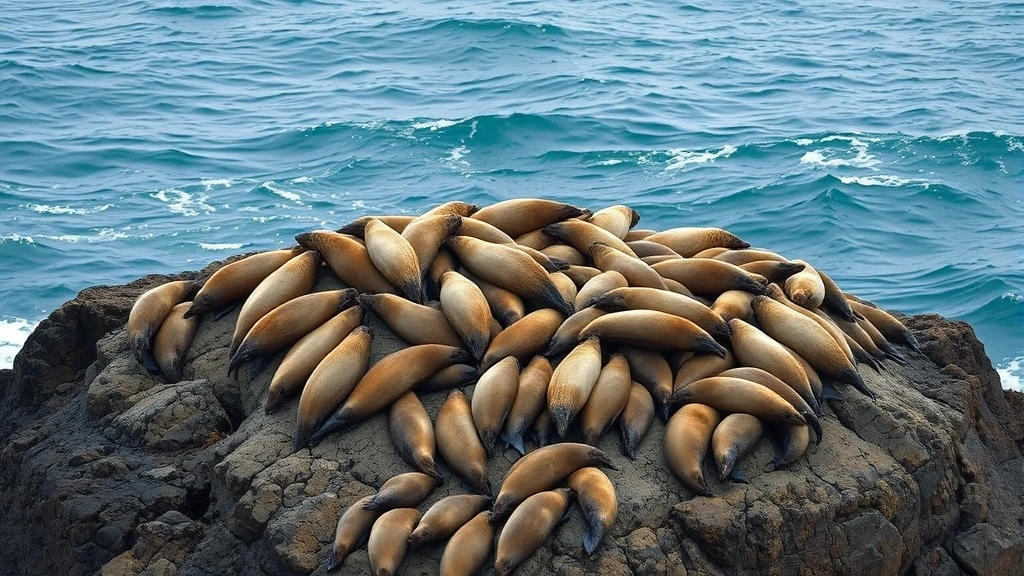
Seals and sea lions in great white-inhabited regions demonstrate sophisticated risk assessment behaviors, avoiding certain areas and times of day when predation risk appears elevated. They restrict their foraging to periods and locations where they can maintain vigilance and rapid escape routes, often limiting access to otherwise productive feeding grounds. This behavioral constraint reduces their foraging efficiency and population growth rates, maintaining population sizes below the carrying capacity of available prey resources.
These behavioral effects extend to fish communities as well. Smaller fish species exhibit altered schooling behaviors and habitat use patterns when great white predation risk is present. Fish reduce foraging activity in high-risk areas, leading to altered spatial distribution of grazing pressure and changing the structure of algal communities. These cascading behavioral effects mean that great white presence shapes ecosystem structure through multiple mechanisms beyond simple predation.
The importance of understanding these behavioral effects relates to broader questions about environmental awareness and ecosystem management. Conservation strategies that focus only on population numbers without considering behavioral and ecological mechanisms risk missing critical ecosystem functions that depend on predator presence.
Climate Change and Shifting Distributions
Climate change is rapidly altering the distribution and abundance of great white sharks, with significant implications for ecosystem structure in regions where they are expanding or declining. Ocean warming drives shifts in prey distribution, forcing great whites to expand their ranges or modify their migratory patterns. In some regions, great whites are moving into previously occupied habitats as ocean temperatures warm, while in others, range contractions are occurring.
These distributional shifts create ecological mismatches where established predator-prey relationships break down. In regions where great whites are expanding their range, prey species that evolved without substantial predation pressure from large sharks may lack effective defensive behaviors or ecological refugia. This can lead to rapid population declines in naive prey species and restructuring of entire food webs. Conversely, in regions where great whites are declining due to warming, prey populations may expand explosively, potentially destabilizing local ecosystems.
The interaction between climate change and great white shark ecology exemplifies the interconnected nature of environmental challenges. Understanding these dynamics requires interdisciplinary approaches combining oceanography, ecology, evolutionary biology, and climate science. Research through the United Nations Environment Programme has highlighted how apex predator responses to climate change will fundamentally reshape marine ecosystems over coming decades.
Regional case studies demonstrate the complexity of these interactions. In the western Atlantic, warming waters have expanded great white range northward, bringing these apex predators into waters where seal populations have recently established. The ecological consequences of this interaction are still unfolding, but early evidence suggests significant impacts on seal population dynamics and potentially cascading effects through fish communities.
Economic Implications and Ecosystem Services
Great white sharks generate substantial economic value through multiple ecosystem services and commercial activities. The most direct economic benefit comes from shark-watching tourism, which generates millions of dollars annually in regions like South Africa, California, and Australia. This tourism-based value provides economic incentive for shark conservation and coastal protection.
Beyond tourism, the ecosystem services provided by great whites through predation control and ecosystem regulation have measurable economic value. By maintaining balanced predator communities and controlling prey populations, great whites support the productivity of commercial fisheries. Research using ecological economics frameworks estimates that apex predator ecosystem services—including predation control, nutrient cycling, and energy flow optimization—represent billions of dollars in annual value globally.
The economic value of maintaining healthy great white populations extends to carbon sequestration and climate regulation services. Through their influence on nutrient cycling and ecosystem productivity, great whites indirectly enhance the ocean’s capacity for carbon storage. This climate regulation service, though difficult to quantify precisely, represents significant economic value in the context of global carbon pricing and climate mitigation strategies.
Conversely, the economic costs of great white population decline include fishery productivity loss, tourism revenue reduction, and ecosystem service degradation. Studies comparing regions with healthy shark populations to those where populations have collapsed document substantial economic differences. This economic analysis supports the case for shark conservation as a sound economic investment, not merely an environmental luxury.
The connection between ecosystem health and human economic well-being demonstrates why reducing our environmental impacts extends beyond individual actions to systemic ecosystem protection. Protecting apex predators like great whites represents a critical strategy for maintaining the ecosystem services that support human economies.
Conservation Status and Management
Great white shark populations have experienced severe declines in recent decades due to overfishing, habitat degradation, and accidental capture in fishing gear. Commercial shark fishing, particularly targeting great whites for their fins, has reduced populations by an estimated 70 to 90 percent in some regions. These population declines have already triggered cascading ecological changes in some areas, demonstrating the real-world consequences of apex predator loss.
Conservation efforts have focused on implementing protective regulations, establishing marine protected areas, and reducing bycatch through modified fishing practices. Several nations, including South Africa and Australia, have implemented comprehensive shark conservation strategies that have contributed to population recovery in some regions. However, many populations remain severely depleted, and recovery is slow due to the species’ late sexual maturity and low reproductive rates.
Effective great white conservation requires international cooperation given their highly migratory nature. Sharks tagged in one region are frequently found thousands of kilometers away, meaning that protection in a single nation provides limited benefit if neighboring regions permit unrestricted fishing. This challenge has led to the development of international conservation agreements and the listing of great whites on endangered species registers in many countries.
The management of great white sharks intersects with broader questions about sustainable practices and environmental stewardship. Just as sustainable fashion requires systemic change in production and consumption patterns, shark conservation requires fundamental shifts in fishing practices and ocean governance. Research institutions and environmental organizations continue to advocate for stronger protections, supported by accumulating evidence of ecosystem impacts from shark population decline.
Emerging technologies offer new conservation opportunities. Satellite tagging, environmental DNA monitoring, and population modeling enable more precise understanding of great white movements and population dynamics. These tools inform more effective marine protected area design and help identify critical habitats requiring protection. Additionally, research on shark behavior and ecology continues to reveal new ecosystem roles and functions previously unknown to science.

The future of great white shark conservation depends on sustained political will, international cooperation, and continued scientific research. As ocean ecosystems face mounting pressures from climate change, pollution, and fishing pressure, protecting apex predators like great whites becomes increasingly critical for maintaining ecosystem resilience and the services those ecosystems provide to human communities.
FAQ
What is a trophic cascade and how do great white sharks create one?
A trophic cascade occurs when changes in apex predator populations trigger indirect effects throughout food webs. When great whites decline, mid-sized predatory sharks expand in abundance, then consume increased quantities of smaller prey, which indirectly affects even lower trophic levels. This cascading effect means predator population changes influence ecosystem structure far beyond direct predation.
How do great white sharks influence nutrient cycling in oceans?
Great whites consume large prey and migrate across vast distances, transporting nutrients from coastal feeding grounds to offshore regions through their movements and excretion. When they consume seals in productive coastal areas and then travel to nutrient-limited open ocean, they effectively fertilize those regions. This nutrient redistribution enhances phytoplankton productivity across broad ocean areas.
Why is shark population decline economically significant?
Beyond tourism revenue, shark populations support fishery productivity through predation control and ecosystem regulation. The ecosystem services provided by healthy shark populations—including maintaining balanced predator communities, optimizing energy flow, and supporting nutrient cycling—represent billions of dollars in annual value. Population decline reduces these services and causes measurable economic losses.
How does climate change affect great white shark ecosystems?
Warming ocean temperatures are shifting great white distributions, potentially creating ecological mismatches where predators and prey are not evolutionarily adapted to each other. Prey species in regions where great whites are expanding may lack effective defenses, while regions losing great whites may experience explosive prey population growth. These shifts fundamentally restructure marine ecosystems.
What international protections exist for great white sharks?
Great whites are protected under various national regulations and international agreements including CITES (Convention on International Trade in Endangered Species). However, protection varies by country and region, and international enforcement remains challenging. Many conservation organizations advocate for stronger protections and expanded marine protected areas to ensure population recovery.
Can great white shark populations recover from current depletion levels?
Recovery is possible but slow, given the species’ late sexual maturity (not reproductive until 12-15 years old) and low fecundity. Some populations show signs of recovery in regions with strong protections, suggesting that with sustained effort, populations can rebuild. However, recovery requires decades to centuries depending on depletion severity and protection effectiveness.


