Engineered Environments: Economic Impacts Explored
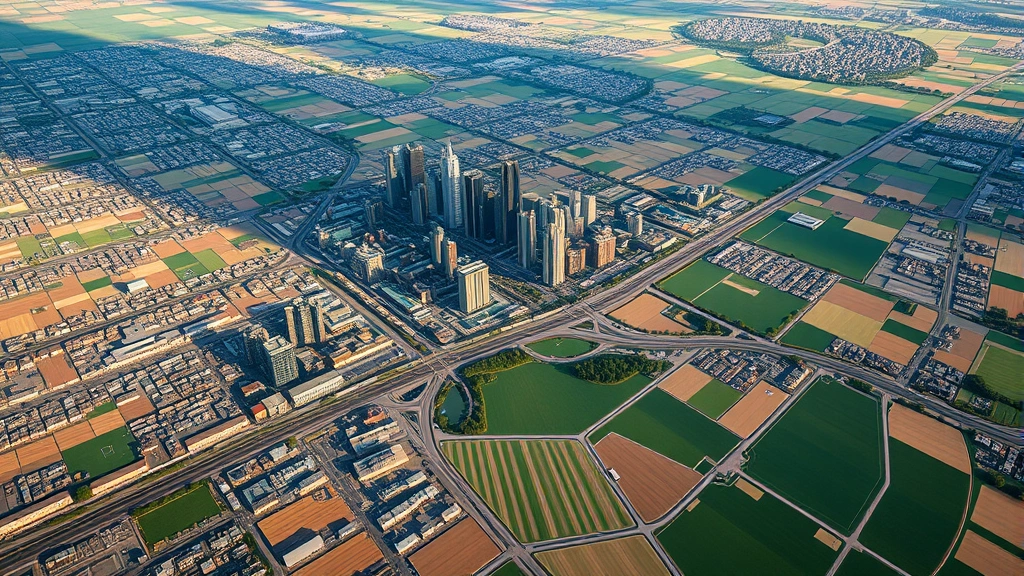
Engineered environments represent one of the most profound intersections between human economic activity and natural systems. From sprawling urban centers to controlled agricultural zones, these deliberately modified landscapes shape both economic productivity and ecological health. Understanding the economic impacts of engineered environments requires examining how human intervention creates value, generates costs, and fundamentally alters the relationship between commerce and nature.
The global economy increasingly depends on engineered ecosystems—cities that concentrate capital and labor, agricultural lands that feed billions, and infrastructure networks that enable trade. Yet these environments come with hidden economic costs that traditional accounting often overlooks. This comprehensive analysis explores how engineered environments generate economic benefits and burdens, examining the true cost of transforming natural systems into productive human spaces.
Defining Engineered Environments and Their Economic Role
Engineered environments are landscapes deliberately modified through human intervention to serve specific economic, social, or productive purposes. These span a remarkable range: concrete urban centers, monoculture farms, dammed rivers, constructed wetlands, and industrial zones. To truly understand their economic impact, we must first explore what defines environment and environmental science and how human modification creates economic value.
The economic significance of engineered environments cannot be overstated. Global urban areas alone generate approximately 80% of global GDP despite occupying less than 3% of Earth’s land surface. Agricultural engineering feeds 8 billion people through intensive land management practices. Infrastructure engineering—dams, canals, roads—enables trade networks worth trillions annually. These environments represent deliberate capital investments designed to maximize economic output from limited land resources.
However, engineered environments differ fundamentally from natural ecosystems. Natural systems evolved over millions of years to self-regulate, cycle nutrients, and maintain biodiversity. Engineered environments, by contrast, require constant human management, energy inputs, and maintenance to function. This distinction creates important economic implications: while engineered environments generate immediate economic returns, they often incur long-term maintenance costs that natural systems avoid.
The human environment interaction within engineered spaces reflects intentional economic design. Urban planners maximize land value through vertical development. Agricultural engineers increase yield per hectare through inputs and mechanization. These optimization strategies generate wealth but simultaneously reduce the ecological complexity that natural systems maintain.
Direct Economic Benefits of Environmental Engineering
Engineered environments generate substantial direct economic benefits that justify continued investment and expansion. Urban areas concentrate economic activity, reducing transportation costs and enabling knowledge spillovers. A single engineered city can generate economic output equivalent to entire nations.
Urban Concentration Benefits: Cities engineered for density create agglomeration economies. Workers, firms, and consumers cluster together, reducing transaction costs and enabling specialization. Research shows that doubling city size increases productivity by 3-8% per capita. This explains why engineered metropolitan areas command premium land values and attract continuous migration.
Agricultural Productivity: Engineered agricultural environments produce food at scales impossible in natural systems. Modern engineered farms yield 5-10 times more calories per hectare than traditional systems. This productivity supports global food security and generates agricultural exports worth over $2 trillion annually. For developing economies, agricultural engineering represents a primary pathway to economic growth.
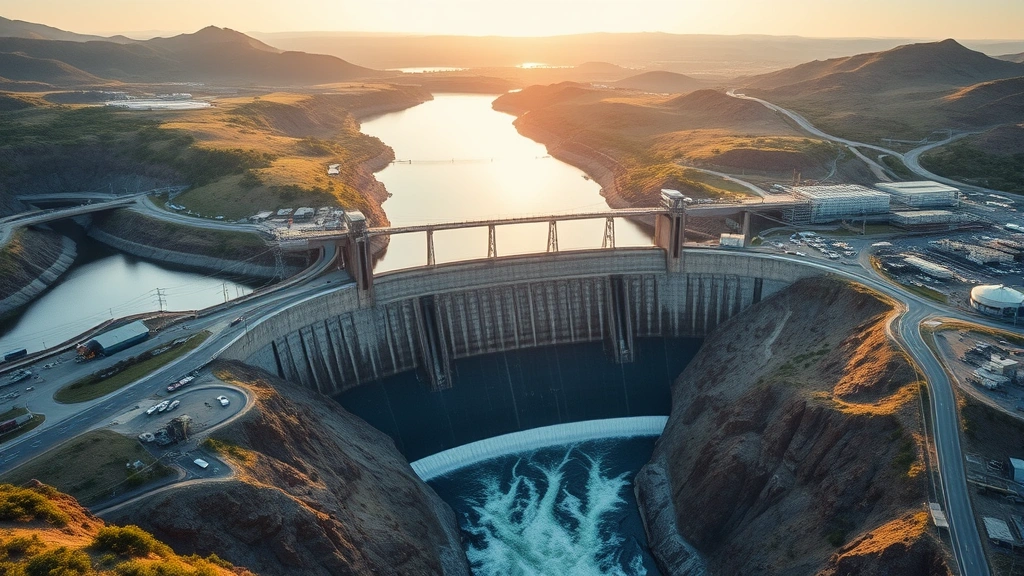
Infrastructure Returns: Engineered transportation networks, power systems, and water infrastructure enable economic activity far exceeding their construction costs. A single highway corridor might facilitate trade worth billions annually. Hydroelectric dams generate renewable electricity while enabling irrigation for agricultural engineering. Port facilities engineered for container ships reduce shipping costs by 90% compared to traditional methods.
Resource Extraction Economics: Mining, logging, and fishing in engineered environments generate immediate revenue. A single engineered mine might create thousands of jobs and contribute billions to government revenues. These activities represent primary income sources for many developing economies.
These direct benefits explain why governments and private investors continuously expand engineered environments. The immediate economic returns appear substantial, creating political support for further development.
Hidden Costs and Externalities
While direct benefits of engineered environments are tangible and measurable, the associated costs often remain hidden in economic accounting. Ecological economists call these “externalities”—costs imposed on society and nature that don’t appear in market prices.
Ecosystem Degradation Costs: Engineered environments typically reduce biodiversity by 70-90% compared to natural baselines. This biodiversity loss carries economic costs: fewer pollinators increase agricultural input costs, reduced genetic diversity increases crop vulnerability, and species extinction eliminates potential pharmaceutical compounds. The World Bank estimates ecosystem service losses from habitat conversion at $2-5 trillion annually.
Water System Disruption: Engineering rivers and wetlands provides irrigation and flood control benefits, but disrupts natural water cycles. Dams block fish migration, reducing fisheries productivity. Wetland drainage eliminates natural water filtration, increasing treatment costs. Agricultural runoff from engineered farms creates dead zones in coastal areas, eliminating fishing grounds. These water-related externalities cost global economies an estimated $260 billion annually in lost productivity.
Soil Degradation: Intensive agricultural engineering depletes soil fertility, requiring ever-increasing chemical inputs. Global soil degradation costs approximately $400 billion annually in lost productivity. Engineered monocultures lack the soil biological complexity of natural systems, necessitating expensive synthetic fertilizer inputs. This creates economic dependence on petrochemical industries.
Climate and Atmospheric Impacts: Engineered environments, particularly cities and industrial agriculture, generate substantial greenhouse gas emissions. Urban infrastructure, manufacturing, and transportation account for approximately 75% of global carbon emissions. The economic cost of resulting climate impacts—extreme weather, sea-level rise, agricultural disruption—far exceeds the immediate benefits of engineered development. Climate economists estimate annual climate damages at $280-600 billion currently, rising to $1-4 trillion by 2100.
Public Health Externalities: Engineered urban environments concentrate pollution, increasing respiratory disease, cardiovascular problems, and mental health issues. Air pollution alone costs global economies $5.1 trillion annually in health impacts and lost productivity. Engineered agricultural systems, reliant on pesticides and antibiotics, contribute to antibiotic resistance, creating public health threats worth billions in future treatment costs.
Urban Development and Metropolitan Economics
Cities represent humanity’s most extensive and economically significant engineered environments. The global urban economy generates approximately $125 trillion in annual economic output, yet this productive capacity comes with substantial environmental and social costs.
Land Value Dynamics: Urban engineering creates artificial scarcity and concentration of value. Engineered infrastructure—transit systems, utilities, zoning—transforms raw land into economically valuable parcels. A hectare of engineered urban land might be worth 1,000 times more than rural land. This value creation benefits property owners but often displaces lower-income residents, creating social costs masked by aggregate economic statistics.
Infrastructure Maintenance Burden: Unlike natural systems requiring minimal maintenance, engineered cities demand continuous costly upkeep. Urban infrastructure in developed economies requires 2-3% of GDP annually just to maintain current conditions. Aging infrastructure in American cities requires an estimated $2.6 trillion in repairs. This maintenance burden represents an ongoing economic drag that often goes unrecognized in development economics.
Energy Intensity: Engineered cities are extraordinarily energy-intensive. Urban areas consume 65-80% of global energy despite housing 55% of humanity. This energy dependence creates economic vulnerability to price shocks and environmental damage from energy production. Shifting urban energy to renewable sources requires massive capital investment and infrastructure redesign.
Heat Island Effects: Urban engineering creates thermal anomalies, with cities 2-5°C warmer than surrounding areas. This increases cooling costs, reduces agricultural productivity in surrounding areas, and exacerbates heat-related health impacts. The economic cost of urban heat islands in major cities reaches $5-10 billion annually in excess energy and health expenses.
Despite these costs, continued urbanization appears economically inevitable. The productivity benefits of urban agglomeration remain powerful economic drivers, even when environmental and infrastructure costs are considered.
Agricultural Engineering and Food System Economics
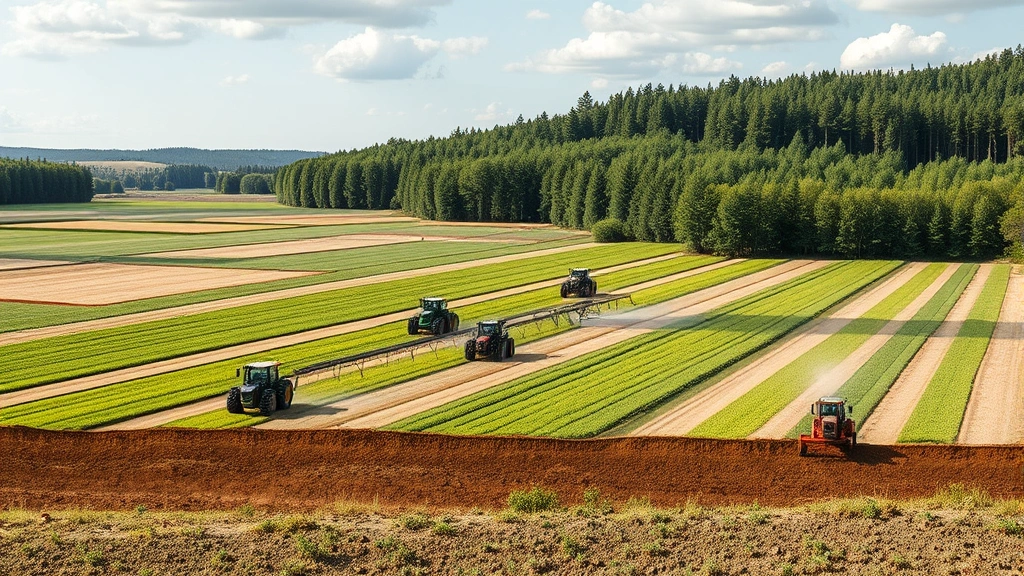
Modern food production represents perhaps humanity’s most extensive engineered environment, covering approximately 5 billion hectares globally. Agricultural engineering transformed food production from uncertain and variable to reliable and abundant, fundamentally reshaping human economics and society.
Productivity Transformation: Engineered agriculture increased global crop yields 3-4 fold over the past century. Modern engineered farms produce calories at costs 50-75% lower than traditional systems. This productivity enabled population growth from 1.6 billion in 1900 to 8 billion today, creating the economic foundation for modern civilization.
Input Dependency: Agricultural engineering created economic dependence on synthetic inputs. Modern engineered farms require petroleum-based fertilizers, pesticides, and mechanization. These input costs represent 30-50% of total agricultural expenses in developed economies. This creates economic vulnerability to energy price shocks and environmental dependence on petrochemical industries.
Biodiversity Loss Costs: Engineered monocultures reduced agricultural biodiversity from thousands of crop varieties to approximately 30 crops providing 95% of human calories. This reduces resilience to pests and climate variability. Crop losses from pests cost engineered agriculture approximately $220 billion annually—costs that would be lower with greater crop diversity.
Water Depletion: Agricultural engineering extracts water at unsustainable rates. Approximately 70% of global freshwater extraction supports engineered agriculture. Aquifer depletion in major agricultural regions—the Ogallala Aquifer in North America, the Indus in South Asia—threatens long-term food security. The economic cost of agricultural water depletion, including future productivity losses, reaches into the hundreds of billions annually.
Understanding how ecosystem services help humans and the environment reveals what agricultural engineering sacrifices. Natural agricultural ecosystems provide pollination, pest control, water filtration, and soil building—services that engineered agriculture must replace with purchased inputs.
Infrastructure Economics and Connectivity
Infrastructure engineering—roads, ports, dams, power grids, communication networks—enables economic integration and trade. These engineered environments generate substantial economic returns by reducing transaction costs and connecting markets.
Transportation Infrastructure: Engineered transportation networks reduced shipping costs from 20-30% of trade value a century ago to 2-4% today. A single container ship engineered for efficiency can transport 20,000 containers, equivalent to 500 trucks. This infrastructure efficiency enabled global trade worth $28 trillion annually. However, transportation infrastructure also fragments ecosystems, increases energy consumption, and creates pollution externalities exceeding $1 trillion annually.
Power Infrastructure: Engineered electrical grids enable industrial production and modern living standards. Yet grid infrastructure often relies on fossil fuels, creating carbon lock-in. Transitioning engineered power systems to renewable sources requires massive capital investment—estimated at $4-5 trillion through 2050. This represents a substantial economic cost of decarbonizing engineered infrastructure.
Water Infrastructure: Engineered water systems—dams, aqueducts, treatment plants—enable urban development and irrigation. Yet these systems often disrupt natural water cycles, reduce downstream ecosystem productivity, and concentrate water availability. The economic cost of water infrastructure failures and disruptions reaches billions annually.
Communication Infrastructure: Engineered communication networks—fiber optics, cellular systems, satellites—enable global economic integration. These networks generate substantial economic value but also create energy consumption and electronic waste. The environmental cost of communication infrastructure expansion remains largely unaccounted in economic statistics.
Ecosystem Services and Economic Valuation
Natural ecosystems provide services that engineered environments either eliminate or require expensive human substitutes. Quantifying these ecosystem services reveals the true economic cost of environmental engineering.
Valuation Challenges: Ecosystem services—pollination, water purification, climate regulation, nutrient cycling—have no market prices, making them economically invisible. A pollinator-rich natural meadow provides pollination services worth $3,000-5,000 per hectare annually. Converting this meadow to engineered pasture eliminates these services, requiring purchased inputs or accepting reduced productivity.
Carbon Sequestration Economics: Natural forests sequester carbon at rates of 2-10 tons per hectare annually. At current carbon prices ($50-150 per ton), this represents $100-1,500 in annual value per hectare. Engineered forests or cleared land provide no carbon sequestration, representing an economic loss that market prices don’t capture.
Water Filtration Services: Natural wetlands filter water, remove pollutants, and reduce flooding. These services provide economic value equivalent to expensive engineered water treatment plants. A hectare of engineered wetland costs $10,000-50,000 to construct, while natural wetlands provide equivalent services at zero capital cost. Yet natural wetlands occupy land with alternative economic uses, creating a real economic trade-off.
Biodiversity Insurance Value: Natural ecosystem diversity provides insurance against future shocks—pest outbreaks, climate variability, emerging diseases. This insurance value is economically substantial but difficult to quantify. A diverse natural ecosystem remains productive across variable conditions; engineered monocultures fail catastrophically when conditions diverge from design parameters.
Research by the World Bank on natural capital accounting demonstrates that ecosystem service losses from engineering environments represent genuine economic costs, even if market prices don’t capture them.
Long-Term Financial Sustainability
The economic sustainability of engineered environments depends on whether they can maintain productivity while covering their environmental and maintenance costs. This fundamental question reveals tensions between short-term economic gains and long-term viability.
Maintenance Cost Escalation: Engineered environments require escalating maintenance as they age. Urban infrastructure deteriorates, requiring replacement. Agricultural soil degrades, requiring increasing chemical inputs. This creates a treadmill where engineered environments demand ever-increasing economic investment just to maintain current productivity. Some analyses suggest engineered agriculture’s true economic cost, including input expenses and environmental damage, may exceed the value of food produced.
Resilience and Vulnerability: Engineered environments typically have lower resilience than natural systems. A monoculture farm fails if a pest adapts; a diverse natural system survives. A city engineered for current climate conditions becomes increasingly vulnerable as climate changes. This vulnerability creates future economic costs—adaptation expenses, productivity losses, and emergency responses—that aren’t reflected in current economic accounting.
Resource Depletion Economics: Many engineered environments depend on depleting non-renewable resources. Fossil fuel-dependent agriculture and infrastructure create economic time-bombs: as fossil fuels deplete or climate policy restricts use, engineered systems face fundamental disruption. The transition cost to sustainable engineered systems—renewable energy, regenerative agriculture—represents a substantial economic burden.
Natural Capital Depletion: Engineered environments often extract natural capital faster than it regenerates. Overfishing engineered fisheries, groundwater depletion in engineered agriculture, and forest clearance for engineered development represent capital consumption, not income. Ecological economics argues that sustainable economic activity should not deplete natural capital stocks. By this standard, most engineered environments are economically unsustainable.
The path toward economically sustainable engineered environments requires fundamental redesign. This includes integrating ecosystem functions into engineered systems (green infrastructure), reducing input dependencies, enhancing resilience, and accounting for true environmental costs in economic decisions. How to reduce carbon footprint represents one component of this transition, but requires systemic economic restructuring.
Research from ecological economics journals increasingly demonstrates that engineered environments optimized only for short-term productivity are economically inefficient when true costs are considered. This represents a fundamental challenge to development models that treat environmental degradation as acceptable costs of economic growth.
Looking forward, the economic future likely involves engineered environments redesigned for sustainability. This includes cities engineered for renewable energy and circular material flows, agricultural systems engineered to regenerate soil and support biodiversity, and infrastructure engineered for resource efficiency and climate resilience. These transitions require substantial capital investment but promise long-term economic sustainability that current engineered environments cannot achieve.
FAQ
What are engineered environments?
Engineered environments are landscapes deliberately modified by humans to serve economic, social, or productive purposes. Examples include cities, industrial agriculture, dams, and infrastructure networks. These differ from natural systems by requiring continuous human management and energy inputs to function.
What are the main economic benefits of engineered environments?
Primary benefits include urban agglomeration economies that increase productivity, agricultural intensification that feeds billions, and infrastructure that enables trade. These create immediate economic returns justifying continued investment and development.
What hidden costs do engineered environments impose?
Hidden costs include ecosystem service losses ($2-5 trillion annually), soil degradation, water system disruption, climate impacts, and public health externalities. These costs often aren’t reflected in market prices, making them economically invisible despite substantial real impacts.
How do engineered cities create economic value?
Engineered cities concentrate workers, firms, and consumers, reducing transportation and transaction costs. This agglomeration creates productivity spillovers and knowledge sharing. Urban areas generate 80% of global GDP despite occupying less than 3% of land, demonstrating their economic power.
What makes engineered agriculture economically significant?
Modern engineered agriculture produces food at 3-4 times the yield of traditional systems, feeding 8 billion people. This productivity created the foundation for modern civilization and generates $2 trillion in annual agricultural trade.
Are engineered environments economically sustainable long-term?
Many current engineered environments face sustainability challenges. They require escalating maintenance costs, depend on depleting resources, and reduce resilience to shocks. True long-term sustainability requires redesigning engineered environments to integrate ecosystem functions and regenerate natural capital.
How can engineered environments become more sustainable?
Sustainability requires incorporating green infrastructure, reducing input dependencies, enhancing resilience, and accounting for environmental costs in economic decisions. This includes urban systems powered by renewable energy, agriculture that regenerates soil, and infrastructure designed for resource efficiency.


