Oil Drilling’s Arctic Impact: Scientific Findings on the Arctic National Wildlife Refuge
The Arctic National Wildlife Refuge (ANWR) represents one of Earth’s most pristine and ecologically significant ecosystems, spanning 19.6 million acres across northeastern Alaska. Recent scientific research has intensified scrutiny on the environmental consequences of oil drilling operations within this sensitive region, revealing complex interactions between industrial extraction and Arctic biodiversity. Understanding how environment and environmental science inform policy decisions becomes critical as stakeholders debate the future of Arctic petroleum development.
The debate surrounding ANWR drilling encapsulates fundamental tensions between energy security and ecological preservation. Scientific findings from peer-reviewed studies, government agencies, and independent research organizations paint a multifaceted picture of drilling’s impacts on Arctic ecosystems, wildlife populations, and climate systems. This comprehensive analysis synthesizes current research to illuminate the documented effects of oil extraction on one of North America’s most vulnerable environments.
Arctic Ecosystem Characteristics and Baseline Conditions
The Arctic National Wildlife Refuge encompasses diverse ecological zones, from coastal plains to Brooks Range mountains, supporting one of the world’s most extreme environments. Established in 1980 through the Alaska National Interest Lands Conservation Act, ANWR protects approximately 8.9 million acres of designated wilderness, with the remaining area managed for multiple uses including potential resource extraction. The refuge experiences extreme seasonal variations, with winter temperatures plummeting below -40°F and summer daylight extending nearly 24 hours continuously.
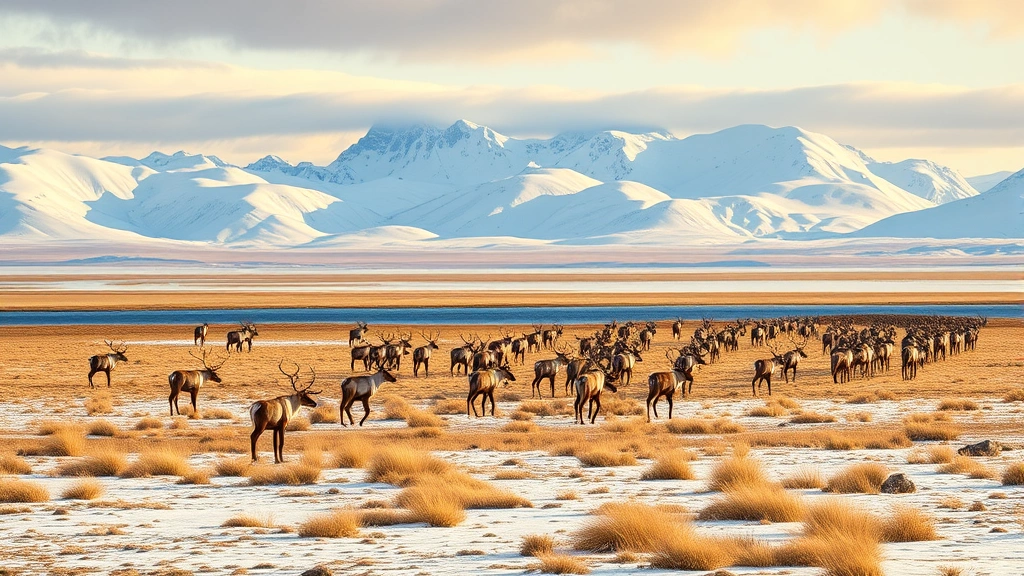
This unique ecosystem supports specialized fauna adapted to Arctic conditions, including the Porcupine caribou herd, musk oxen, Dall sheep, grizzly bears, and numerous migratory bird species. The coastal plain region, comprising approximately 1.5 million acres and containing the most accessible oil reserves, serves as critical calving and denning habitat for multiple species. Understanding the baseline ecological conditions proves essential for assessing drilling impacts, as Arctic systems demonstrate remarkable sensitivity to disturbance due to slow recovery rates and limited species redundancy.
Permafrost underlies most of ANWR, characterized by permanently frozen ground containing significant organic carbon reserves. This frozen substrate influences hydrology, vegetation patterns, and infrastructure stability, creating unique engineering and environmental challenges for industrial operations. Human environment interaction in Arctic regions requires specialized approaches accounting for permafrost dynamics and ecosystem fragility.
Direct Impacts on Wildlife Populations
Scientific research documents substantial impacts on Arctic wildlife resulting from oil drilling operations. The Porcupine caribou herd, comprising approximately 218,000 individuals, represents the primary mammalian concern for ANWR drilling scenarios. Multiple studies indicate that industrial development within the herd’s calving grounds could reduce reproductive success rates by 20-40%, depending on infrastructure density and operational intensity. Caribou demonstrate strong site fidelity to traditional calving areas, and displacement from optimal habitat reduces calf survival and population growth rates.
Research from the U.S. Geological Survey and academic institutions reveals that caribou avoid industrial infrastructure, including pipelines and production facilities, at distances up to 30 miles during sensitive calving periods. This avoidance behavior effectively removes vast tracts of otherwise suitable habitat from reproductive use. Studies tracking individual animals via GPS collars demonstrate consistent patterns of behavioral avoidance, with pregnant females particularly sensitive to anthropogenic disturbance during critical reproductive windows.
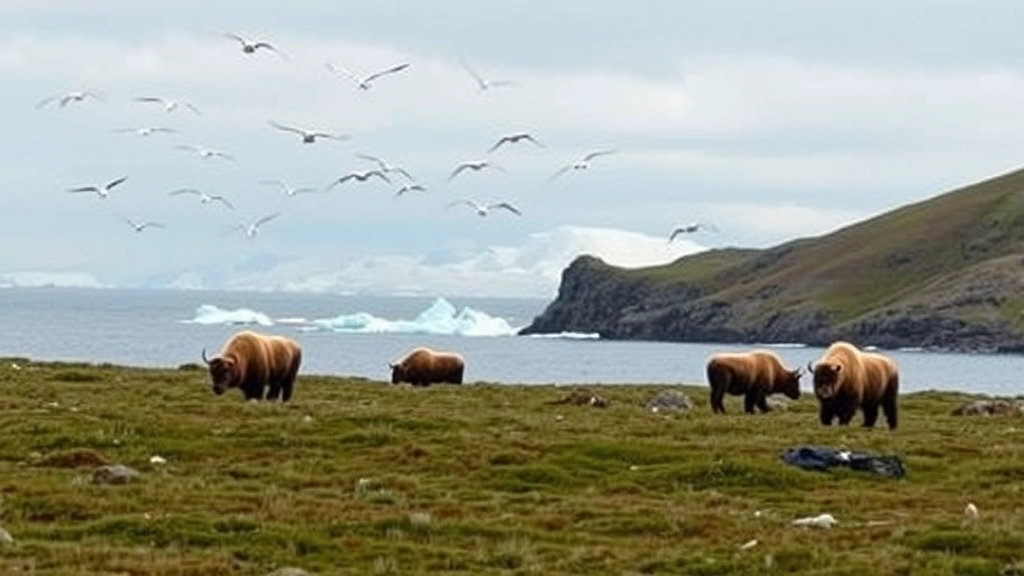
Musk oxen populations within ANWR show increased vigilance and altered grazing patterns near development sites, potentially reducing energy acquisition efficiency during critical pre-winter fattening periods. Dall sheep in the Brooks Range component of ANWR demonstrate stress responses to noise pollution from drilling operations and helicopter traffic, affecting natural predator avoidance behaviors and social structure. Migratory bird species utilizing ANWR as breeding and staging habitat face multiple drilling-related stressors, including habitat loss, increased predation vulnerability near infrastructure corridors, and disrupted migration timing through sensory disturbance.
Avian research documents population declines in species including spectacled eiders, common eiders, and various shorebird species in areas adjacent to existing oil development in Alaska’s North Slope. These findings extrapolate concerning implications for ANWR populations, particularly among species with limited alternative breeding habitat across the Arctic. Awareness about the environment regarding these species-specific impacts remains critical for informed conservation decisions.
Habitat Fragmentation and Infrastructure Effects
Oil drilling operations require extensive infrastructure including production facilities, pipelines, roads, airstrips, and support installations, fundamentally altering Arctic landscape connectivity. Research on fragmentation effects demonstrates that industrial corridors create landscape barriers disrupting movement patterns, gene flow, and metapopulation dynamics across multiple Arctic species. The cumulative footprint of development infrastructure in Alaska’s North Slope oil fields encompasses approximately 3,000 square miles of direct and indirect disturbance across 28 million acres, illustrating the spatial scale of industrial impacts.
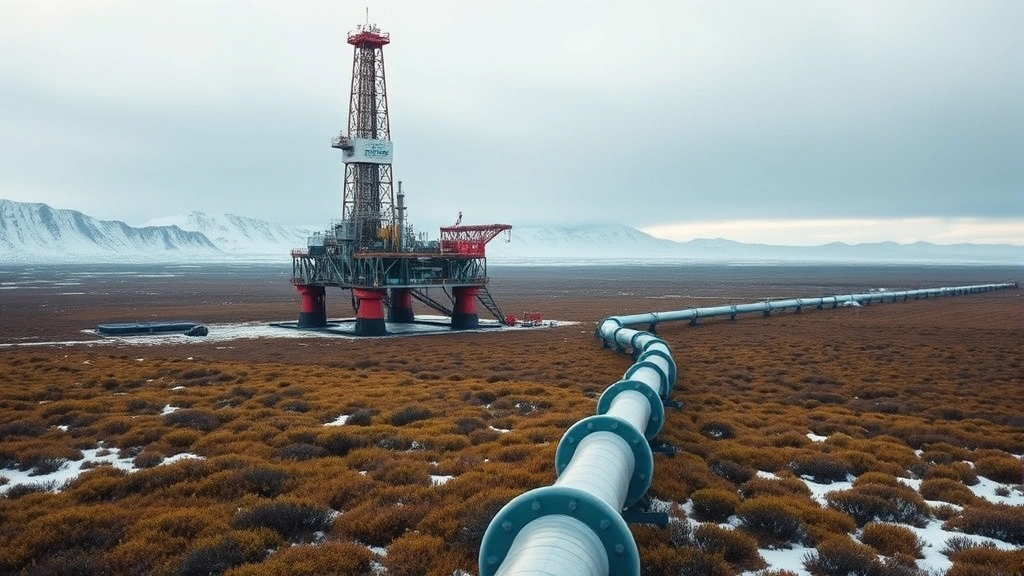
Pipeline networks present particular concerns for Arctic ecosystems. Elevated pipelines, designed to prevent permafrost degradation through thermal insulation, still create physical barriers affecting wildlife movement patterns. Buried pipelines risk rupture during permafrost thaw events, potentially contaminating groundwater and surface ecosystems. Studies from existing North Slope operations document chronic small-volume spills from pipeline infrastructure, accumulating environmental impacts across decadal timescales. The thermal and mechanical disturbance associated with pipeline installation triggers permafrost degradation, creating thermokarst topography that alters hydrology and vegetation patterns across extensive areas.
Road and airstrip construction in ANWR would fragment habitat into increasingly isolated patches, reducing ecosystem connectivity and resilience. Research on fragmentation thresholds indicates that Arctic ecosystems demonstrate particular vulnerability to habitat subdivision, with critical thresholds potentially exceeded at relatively modest development levels. The noise pollution from drilling operations, helicopter traffic, and vehicle movement extends disturbance effects far beyond physical infrastructure footprints, creating acoustic habitat degradation across thousands of square kilometers. Studies measuring noise propagation in Arctic environments document sound traveling exceptional distances due to atmospheric conditions and topography, affecting wildlife behavior at distances exceeding 50 kilometers from source operations.
Climate and Carbon Implications
Drilling within ANWR carries significant climate implications through multiple pathways. Direct greenhouse gas emissions from oil extraction, refining, and combustion represent substantial contributors to atmospheric carbon loading. According to World Bank analyses, Arctic oil development produces carbon emissions at rates 20-30% higher than global average petroleum extraction due to operational demands of extreme environment conditions, extended supply chains, and energy-intensive heating requirements.
Climate change impacts on Arctic ecosystems create feedback mechanisms amplifying industrial drilling consequences. Accelerating permafrost thaw destabilizes infrastructure and releases methane and carbon dioxide from organic-rich frozen soils, creating positive feedback loops accelerating warming. Oil operations in ANWR would accelerate permafrost degradation through thermal disturbance and infrastructure-related heat generation, releasing additional greenhouse gases independent of combustion-related emissions. Studies utilizing remote sensing and ground-based measurements document permafrost temperatures increasing at rates exceeding 0.7°C per decade across Arctic regions, with accelerating rates in recent years.
The Arctic amplification phenomenon—wherein the Arctic warms at rates 2-3 times faster than global averages—creates compounding stressors on Arctic ecosystems already stressed by industrial development. Reduced sea ice extent, shifting vegetation patterns, and altered precipitation regimes interact with drilling impacts to create complex ecological consequences difficult to predict with certainty. Research from UNEP emphasizes that Arctic climate tipping points may trigger irreversible ecosystem state changes, making precautionary approaches particularly warranted for ANWR management decisions.
Alternatively, how to reduce carbon footprint through transitioning to renewable energy sources represents a critical climate mitigation strategy that would obviate necessity for Arctic oil development. Renewable energy for homes and industrial applications continues expanding economically viable alternatives to fossil fuel dependence.
Water Quality and Contamination Risks
Arctic hydrological systems demonstrate particular vulnerability to contamination due to limited microbial degradation at cold temperatures, restricted dilution capacity in small water bodies, and complex subsurface hydrology influenced by permafrost. Oil spill scenarios represent primary contamination risks, with Arctic conditions substantially complicating response capabilities. Cold temperatures reduce evaporation rates and slow natural degradation processes, allowing spilled petroleum to persist in environments for extended periods. Research documents that oil persists in Arctic sediments and biota for decades following spill events, with chronic toxicity affecting organisms across multiple generations.
The Exxon Valdez spill in Prince William Sound, Alaska, provides sobering precedent for Arctic contamination risks. Nearly 35 years after the 1989 spill, scientific surveys continue documenting elevated polycyclic aromatic hydrocarbons (PAHs) and other petroleum constituents in affected sediments and organisms. Extrapolating from this precedent, major spill events in ANWR would likely create persistent contamination affecting water quality, fisheries, and subsistence harvesting for decades. The Porcupine River and Canning River systems, which drain ANWR coastal plains, support important fish populations including Arctic char and broad whitefish critical for indigenous subsistence economies.
Produced water—the saline water extracted alongside crude oil—presents additional contamination concerns. This water contains dissolved hydrocarbons, heavy metals, and radioactive elements, requiring treatment and disposal infrastructure. Improper disposal contaminates groundwater and surface water systems, affecting ecosystem health across extensive areas. Research on produced water contamination documents effects on aquatic macroinvertebrate communities, fish reproductive success, and vegetation patterns in areas receiving inadequate treatment and disposal. The permafrost setting of ANWR complicates containment infrastructure, as freeze-thaw cycles and subsidence create conditions promoting contaminant migration through groundwater.
Accidental chemical releases during drilling operations present additional water quality risks. Drilling muds, completion fluids, and hydraulic fracturing chemicals contain toxic compounds that can contaminate water resources if containment systems fail. Studies from existing Arctic oil operations document multiple incidents involving chemical spills, though magnitude and severity vary substantially depending on operational response capabilities and environmental conditions. The remote location of ANWR limits rapid response capabilities for major contamination events, extending recovery timescales and ecological impacts.
Economic and Policy Considerations
The economic analysis of ANWR drilling involves complex calculations weighing short-term revenue generation against long-term ecological and economic costs. Petroleum industry estimates suggest ANWR could produce 10-16 billion barrels of economically recoverable oil under favorable price conditions, generating substantial federal revenue and employment. However, these estimates often exclude external costs associated with ecosystem damage, climate impacts, and foregone ecosystem services. Research from ecological economics literature demonstrates that comprehensive cost-benefit analysis incorporating environmental externalities typically reveals unfavorable economic balances for Arctic oil development.
Resources for the Future, a leading environmental economics research organization, has published analyses indicating that ANWR oil development generates net economic losses when ecosystem service values are incorporated. Traditional petroleum valuations fail to account for climate damages, wildlife population losses, subsistence economy disruption, and ecosystem service degradation. The ecosystem services provided by intact ANWR—including carbon sequestration, water filtration, wildlife habitat, and cultural values—generate substantial economic value that drilling would diminish substantially.
Policy frameworks governing ANWR reflect competing mandates established through the Alaska National Interest Lands Conservation Act and subsequent legislative amendments. The 1002 lands (coastal plain) were designated for further study regarding development potential, creating statutory ambiguity regarding appropriate management approaches. Recent policy changes have opened sections of ANWR to oil lease sales, reflecting shifting political priorities. However, scientific findings increasingly suggest that precautionary approaches warrant protection of ANWR’s ecological integrity given uncertainty regarding long-term drilling consequences and rapid Arctic environmental change.
Indigenous perspectives, particularly those of Alaska Native communities including the Gwich’in Athabascan people, emphasize cultural and subsistence values potentially devastated by drilling development. Traditional hunting and harvesting practices depend on ecosystem conditions that drilling operations would substantially alter. Research documenting indigenous ecological knowledge demonstrates sophisticated understanding of Arctic ecosystem dynamics developed through centuries of adaptation and observation. Integrating indigenous perspectives into ANWR management decisions represents both an ethical imperative and a practical necessity for developing sustainable management frameworks.
The renewable energy transition presents alternative pathways addressing energy security concerns without Arctic oil development. Sustainable fashion brands exemplify broader economic shifts toward environmentally responsible business practices. Similar transitions in energy sectors could eliminate justifications for Arctic petroleum development while generating economic benefits through renewable energy employment and infrastructure investment. Research from the International Renewable Energy Agency documents that renewable energy deployment continues expanding at accelerating rates globally, with costs declining substantially below petroleum alternatives in many applications.
FAQ
What are the primary wildlife species affected by ANWR oil drilling?
The Porcupine caribou herd, musk oxen, Dall sheep, grizzly bears, and migratory bird species including spectacled eiders and common eiders represent primary wildlife populations vulnerable to ANWR drilling impacts. Caribou face particular risks through reproductive habitat disruption, while bird populations encounter breeding habitat loss and sensory disturbance.
How does permafrost affect oil drilling operations in the Arctic?
Permafrost creates substantial engineering challenges for drilling operations, requiring specialized infrastructure to prevent thermal destabilization. Simultaneously, drilling operations accelerate permafrost thaw, releasing greenhouse gases and creating landscape instability. These bidirectional interactions create complex management challenges.
What contamination risks does Arctic oil drilling present?
Primary contamination risks include petroleum spills persisting indefinitely in cold environments, produced water containing toxic constituents, and chemical releases from drilling operations. Arctic conditions limit natural degradation and response capabilities, extending contamination impacts across decadal timescales.
How significant are ANWR’s climate implications?
ANWR drilling would generate substantial greenhouse gas emissions through extraction, processing, and combustion, while simultaneously accelerating permafrost thaw releasing additional methane and carbon dioxide. These combined effects substantially contribute to Arctic amplification and global climate change.
Are there viable alternatives to Arctic oil development?
Renewable energy expansion, improved energy efficiency, and reduced consumption represent viable alternatives addressing energy security concerns without Arctic petroleum development. Economic analyses increasingly demonstrate renewable alternatives generating superior economic returns compared to Arctic oil development when environmental externalities are incorporated.
What do indigenous communities say about ANWR drilling?
Alaska Native communities, particularly the Gwich’in people, oppose ANWR drilling due to subsistence economy disruption and cultural impacts. Indigenous ecological knowledge demonstrates sophisticated understanding of ecosystem dynamics, emphasizing that drilling would devastate traditional harvesting practices and cultural continuity.


