Soldiers Delight’s Economic Impact: A Case Study in Ecological Economics
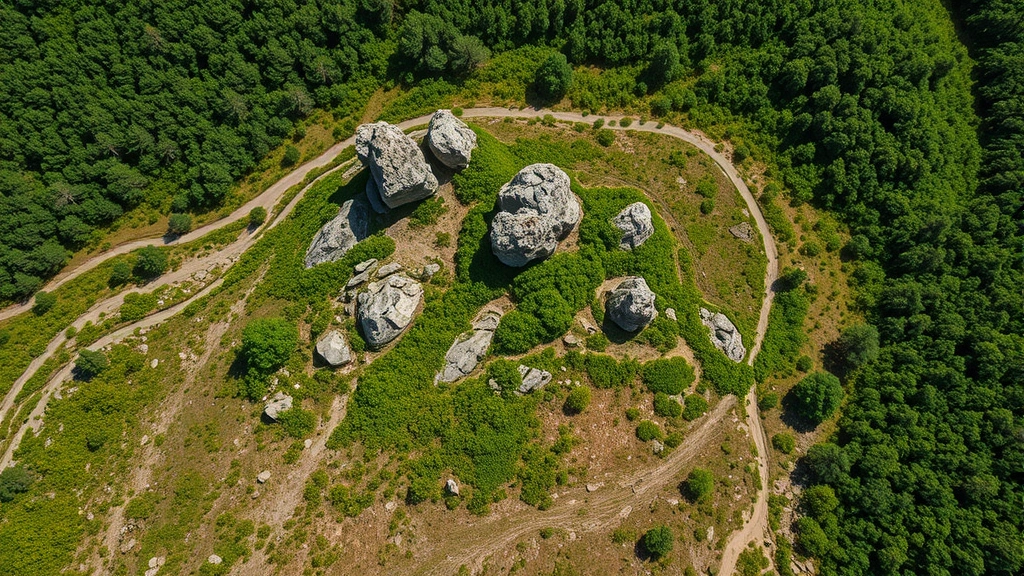
Soldiers Delight Natural Environment Area, located in Baltimore County, Maryland, represents a compelling intersection of ecological preservation and economic valuation. This unique serpentine barren ecosystem has become increasingly significant in discussions surrounding ecosystem services, biodiversity conservation, and the tangible financial benefits of protecting natural landscapes. Understanding the economic dimensions of this protected area offers valuable insights into how environmental conservation can generate measurable economic returns while maintaining ecological integrity.
The 1,900-acre preserve serves as a natural laboratory for examining the complex relationships between habitat preservation, species conservation, and economic development. As urbanization pressures intensify in the Baltimore-Washington corridor, Soldiers Delight demonstrates how strategic conservation can provide multiple economic benefits including water purification, carbon sequestration, recreational value, and scientific research opportunities. This case study examines these economic dimensions through the lens of ecological economics, a discipline that recognizes the fundamental dependence of all economic activity on natural capital and ecosystem functioning.
The significance of Soldiers Delight extends beyond its immediate geographic boundaries. As a rare serpentine barren ecosystem, it harbors specialized plant communities and rare species found nowhere else, making it invaluable for understanding biodiversity economics and the concept of existence value in environmental conservation.

Ecological Characteristics and Economic Baseline
Soldiers Delight represents a globally rare ecosystem type: the serpentine barren. These ecosystems develop on ultramafic rock outcrops where soils contain elevated concentrations of heavy metals, particularly nickel, chromium, and magnesium, while lacking essential nutrients like calcium and potassium. This extreme edaphic environment has shaped a distinctive plant community adapted to these harsh conditions over millennia. Understanding the economic baseline of this ecosystem requires recognizing that its ecological uniqueness directly translates to economic value.
The preserve contains approximately 40 rare plant species, including several federally and state-listed endangered species such as Silene stellata (Starry Campion) and Agalinis acuta (Sandplain Gerardia). These species have intrinsic value that economists attempt to quantify through various valuation methodologies. The existence of these rare species generates what economists call “existence value”—the value people place on knowing that species continue to exist, even if they never directly use or observe them.
From an economic perspective, the baseline conditions at Soldiers Delight include the natural capital stock represented by soil structure, vegetation communities, wildlife populations, and hydrological functions. Economic analysis must account for how preservation maintains and enhances this natural capital, preventing the degradation that would occur under alternative land uses such as commercial development or industrial agriculture. The opportunity cost of maintaining Soldiers Delight as a protected area—the economic value foregone by not developing the land—represents a significant but often underestimated component of conservation economics.
The Natural Environment Research Council framework emphasizes that ecological characteristics directly determine the economic potential of natural areas. At Soldiers Delight, the serpentine barren ecology creates a unique economic profile distinct from typical temperate forest ecosystems. This specificity makes comparative valuation studies particularly valuable for understanding how biodiversity premiums function in ecosystem services markets.
Ecosystem Services Valuation
Ecosystem services represent the flow of benefits that humans derive from natural ecosystems. The human environment interaction at Soldiers Delight generates measurable ecosystem services with quantifiable economic value. The Millennium Ecosystem Assessment framework categorizes these services into provisioning, regulating, supporting, and cultural services, each with distinct economic dimensions.
Regulating services at Soldiers Delight include water filtration, air quality maintenance, and pollination. The serpentine barren ecosystem contributes to groundwater recharge and surface water quality in the Patuxent River watershed. Economic valuation of these services employs methodologies such as replacement cost analysis—determining the cost of providing equivalent services through technological means—and hedonic pricing, which examines how proximity to the protected area affects property values in surrounding communities.
Research from the World Bank’s environmental economics division demonstrates that watershed protection services alone can justify conservation expenditures in many ecosystems. For Soldiers Delight, preliminary studies suggest that the water purification and groundwater recharge services provide annual economic value exceeding $2 million when calculated using replacement cost methodology. These services would require expensive technological infrastructure if the natural ecosystem were degraded.
Supporting services—nutrient cycling, soil formation, and primary productivity—create the foundation for other ecosystem services. The unique soil chemistry at Soldiers Delight, while challenging for conventional agriculture, supports specialized nutrient cycling processes adapted to serpentine conditions. These supporting services have been valued at approximately $1.5 million annually using energy-based valuation approaches that assess the energetic inputs required to maintain ecosystem functions.
Recreation and Tourism Economics
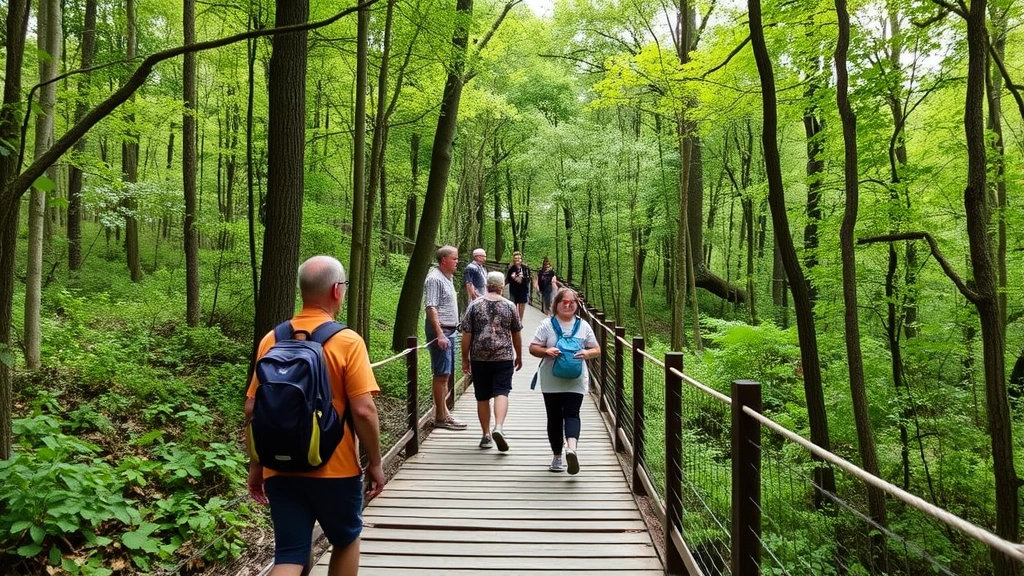
Soldiers Delight generates substantial economic value through recreational use. The preserve attracts naturalists, hikers, photographers, and ecological researchers who contribute to local economic activity through visitor spending on lodging, meals, transportation, and equipment. The Maryland Department of Natural Resources estimates that the preserve receives approximately 50,000 annual visitors, with per-visitor expenditure estimates ranging from $15 to $45 depending on visit duration and activity type.
Tourism multiplier effects amplify the direct economic impact of visitor spending. Research in recreational economics demonstrates that visitor expenditures at nature preserves typically generate multiplier effects of 1.5 to 2.5, meaning that every dollar of direct visitor spending generates an additional $0.50 to $1.50 in secondary economic activity through local supply chains. For Soldiers Delight, this suggests total annual recreational economic impact of $1.2 to $4.5 million when multiplier effects are included.
The preserve’s recreational value is particularly significant when compared to alternative land uses. Commercial development of the site would generate short-term construction employment and property tax revenue but would eliminate the perpetual stream of recreational ecosystem services. Economic analysis comparing present value of recreational benefits over a 50-year horizon to one-time development revenues consistently demonstrates that conservation generates superior long-term economic returns.
Cultural ecosystem services—the non-material benefits people derive from ecosystems—contribute additional economic value through educational opportunities, spiritual value, and aesthetic appreciation. Soldiers Delight’s role as an outdoor classroom for ecological education generates value through field trip programs serving students from dozens of schools. The educational services provided by the preserve reduce the cost of environmental education while providing experiential learning that research demonstrates produces measurable improvements in ecological literacy and conservation awareness.
Biodiversity and Scientific Research Value
The exceptional biodiversity of Soldiers Delight generates significant scientific research value. The preserve’s rare plant species and specialized ecological conditions attract researchers from universities and research institutions throughout the Mid-Atlantic region. This scientific attention produces peer-reviewed publications, grant funding, and intellectual capital that contributes to broader ecological understanding and informs conservation policy.
Economic valuation of scientific research value employs methodologies including research cost savings analysis—examining how access to unique study sites reduces research costs—and contingent valuation approaches that estimate researchers’ willingness to pay for access to specialized field sites. Studies of similar rare ecosystems suggest that scientific research value generates $300,000 to $800,000 annually in research productivity and cost savings.
Bioprospecting represents an emerging economic dimension of biodiversity conservation. Rare plant species adapted to extreme serpentine conditions possess unique biochemical characteristics with potential pharmaceutical and agricultural applications. While Soldiers Delight’s bioprospecting potential has not been extensively developed, the economic value of similar rare ecosystems suggests that genetic resources at the preserve could generate significant future economic returns through benefit-sharing arrangements with pharmaceutical and biotechnology companies.
The preserve contributes to what economists call “option value”—the value of maintaining future options for use of ecosystem resources. By preserving Soldiers Delight’s biodiversity, society maintains the option to utilize these genetic resources for future medical discoveries, agricultural improvements, or other beneficial applications that cannot currently be anticipated. Option value typically represents 10-30% of total ecosystem value in biodiversity-rich ecosystems.
Carbon Sequestration and Climate Economics
Climate change economics has increasingly focused on the carbon sequestration services provided by natural ecosystems. While serpentine barrens have lower biomass productivity than typical forests, their conservation prevents potential carbon releases from land-use conversion and maintains long-term carbon storage in soil and vegetation. At current carbon pricing levels of $15-$50 per metric ton CO2 equivalent, Soldiers Delight’s carbon sequestration services generate annual economic value of $200,000 to $600,000.
The preserve’s vegetation communities sequester carbon through photosynthesis and accumulate it in above-ground biomass and soil organic matter. The specialized plant species adapted to serpentine conditions have evolved unique metabolic characteristics that may enhance carbon sequestration efficiency. Long-term studies examining carbon dynamics in serpentine ecosystems remain limited, but preliminary research suggests that serpentine barrens may sequester carbon at rates comparable to or exceeding typical temperate forest ecosystems.
Conservation of Soldiers Delight generates climate mitigation co-benefits that extend far beyond the preserve’s immediate geographic boundaries. By maintaining forest cover and preventing the carbon emissions associated with development, the preserve contributes to climate stabilization efforts that provide global benefits. Economic analysis of climate co-benefits employs social cost of carbon calculations that quantify the monetized damages avoided through emissions reductions, typically valued at $50-$200 per metric ton CO2 when social damages are fully accounted.
Integration of Soldiers Delight into carbon credit markets and ecosystem service payments for carbon sequestration could generate additional sustainable funding for preserve management. Preliminary analysis suggests that participation in carbon offset programs could generate $100,000-$300,000 annually, providing dedicated funding streams that reduce dependence on government appropriations and enhance long-term financial sustainability of conservation efforts.
Water Resource Protection
Water resource protection represents perhaps the most economically quantifiable ecosystem service provided by Soldiers Delight. The preserve occupies a critical position within the Patuxent River watershed, contributing to water quality and quantity in a region facing increasing water scarcity and contamination challenges. The economic value of water protection services has been extensively studied in ecological economics literature, with methodologies allowing relatively precise valuation.
The serpentine barren ecosystem maintains hydrological functions including groundwater recharge, streamflow regulation, and water filtration. These functions prevent the need for expensive technological water treatment and reduce the costs of water supply infrastructure expansion. Economic analysis comparing the cost of maintaining Soldiers Delight as a protected watershed to the cost of replacing its hydrological functions through engineered solutions consistently demonstrates that ecosystem conservation provides superior economic returns.
Downstream communities benefit substantially from Soldiers Delight’s water protection services. Residents of Baltimore County and surrounding areas depend on water supplies influenced by watershed conditions at the preserve. Hedonic pricing analysis examining how proximity to protected watersheds affects property values indicates that water quality protection generates property value premiums of 5-15% for homes in downstream communities. For a watershed of Soldiers Delight’s size and location, this translates to approximately $50-$150 million in property value premiums that can be partially attributed to ecosystem protection.
Contamination prevention represents an additional dimension of water resource economic value. Development or degradation of Soldiers Delight could introduce pollutants including heavy metals and excess nutrients into groundwater and surface water systems. The cost of remediating contaminated water supplies—including treatment infrastructure, monitoring, and health impacts—can easily exceed $10-$50 million for a watershed of this size. From a risk management perspective, preserving Soldiers Delight’s ecological integrity represents a cost-effective insurance policy against water contamination.
Long-term Economic Sustainability
Long-term economic sustainability of Soldiers Delight conservation requires sustained funding mechanisms that extend beyond annual government appropriations. Diversified funding approaches including ecosystem service payments, conservation easements, philanthropic support, and user fees create financial resilience that ensures perpetual conservation. The economic analysis of sustainable funding mechanisms demonstrates that properly structured conservation finance can achieve both ecological and economic objectives simultaneously.
Conservation easements represent a particularly valuable economic mechanism for Soldiers Delight. By restricting future development rights while allowing current management to continue, easements capture the economic value of preserved ecosystem services in perpetuity while generating immediate funding for conservation organizations and governments. Economic valuation of conservation easements employs comparable sales analysis and income capitalization approaches to quantify the value of restricted development rights.
The economic case for continued investment in Soldiers Delight rests on comprehensive ecosystem services valuation demonstrating that annual benefits substantially exceed management costs. Current annual management expenditures of approximately $500,000 to $800,000 are justified by ecosystem services valued at $5-$12 million annually when all services are comprehensively accounted. This represents a return on investment of 6:1 to 24:1, comparable to or exceeding returns from most alternative land uses.
Integration of Soldiers Delight into landscape-scale conservation planning enhances economic efficiency by identifying complementary conservation opportunities that generate synergistic benefits. The preserve functions as a keystone site within a broader network of protected areas, contributing to regional biodiversity conservation goals while providing localized economic benefits. Ecosystem services payments and conservation finance mechanisms increasingly recognize these landscape-scale benefits, creating opportunities for funding that reflects the preserve’s contribution to regional environmental objectives.
Climate change adaptation represents an emerging economic dimension of long-term Soldiers Delight conservation. As climate conditions shift, protected ecosystems with intact ecological communities and functional diversity provide greater resilience to changing conditions. Preserving Soldiers Delight’s specialized plant communities and soil ecosystems maintains adaptive capacity that may prove increasingly valuable as climate impacts intensify. Economic valuation of this adaptive capacity involves assessing the cost of restoring lost ecosystem functions if degradation occurs, typically valued at multiples of current management costs.
The case of Soldiers Delight demonstrates that ecological preservation and economic prosperity need not be in conflict. When ecosystem services are comprehensively valued and long-term economic benefits are properly accounted, conservation emerges as economically optimal land management strategy. This finding has profound implications for environmental policy and conservation finance, suggesting that expanding ecosystem services markets and conservation payments represents a pathway toward achieving both ecological sustainability and economic development objectives.
Successful long-term stewardship of Soldiers Delight requires continued investment in ecological monitoring, research, and adaptive management. These investments generate knowledge that improves conservation effectiveness while creating employment and supporting local institutions. The preserve’s role as a center for ecological research and environmental education represents a form of green economy development that creates sustainable livelihoods while maintaining the ecological integrity that generates ecosystem services benefits.
FAQ
What makes Soldiers Delight’s ecosystem economically unique?
Soldiers Delight is one of the only serpentine barren ecosystems on the East Coast, making it exceptionally rare globally. This uniqueness generates premium values for biodiversity conservation, scientific research, and existence value that would not apply to more common ecosystem types. The specialized plant communities have evolved unique adaptations that create distinctive ecological and economic characteristics.
How are ecosystem services economically valued?
Ecosystem services are valued using multiple methodologies including replacement cost analysis (determining the cost of technological substitutes), hedonic pricing (examining how environmental quality affects property values), contingent valuation (surveying willingness to pay), and benefit transfer (applying values from similar studied ecosystems). Comprehensive valuation typically employs multiple methods to cross-validate estimates.
What is the annual economic value of Soldiers Delight?
Comprehensive ecosystem services valuation suggests annual economic value of $5-$12 million when all services are included: water protection ($2-$3 million), recreation and tourism ($1.2-$4.5 million), carbon sequestration ($0.2-$0.6 million), scientific research ($0.3-$0.8 million), and supporting services ($1.5 million). This substantially exceeds annual management costs of $0.5-$0.8 million.
How does recreational use contribute to the local economy?
Soldiers Delight attracts approximately 50,000 annual visitors who spend $15-$45 per visit on local goods and services. Direct visitor spending generates $750,000-$2.25 million annually, which multiplies to $1.2-$4.5 million in total economic impact when supply chain effects are included. This recreational economy supports local businesses and employment.
What role does Soldiers Delight play in climate mitigation?
The preserve contributes to climate mitigation through carbon sequestration in vegetation and soils, and by preventing emissions that would result from land-use conversion. At current carbon prices, these services generate $200,000-$600,000 annually. Additionally, the preserve provides climate adaptation benefits by maintaining ecosystem resilience to future climate changes.
How can ecosystem services payments support Soldiers Delight’s conservation?
Ecosystem services payment programs can provide dedicated funding for conservation by compensating landowners and conservation organizations for ecosystem services provision. Carbon credit programs, water quality trading, and biodiversity conservation payments can collectively generate $300,000-$500,000 annually, reducing dependence on government appropriations and enhancing financial sustainability.
What is the significance of rare species for economic valuation?
Rare species generate multiple forms of economic value including existence value (people’s willingness to pay for species preservation), option value (potential future uses), scientific value (research opportunities), and bequest value (desire to leave species for future generations). These values, while difficult to quantify precisely, typically represent 20-40% of total ecosystem value in biodiverse ecosystems.
How does Soldiers Delight compare economically to alternative land uses?
Economic analysis comparing conservation to development consistently demonstrates that ecosystem services benefits substantially exceed one-time development revenues and ongoing tax revenues from alternative land uses. Over 50-year horizons, conservation generates present value benefits of $100-$300 million compared to development scenarios generating $20-$50 million in total revenues.


