
Renewing Trust Funds: Impact on Economy & Nature
Environmental and natural resources trust funds represent one of the most innovative financial mechanisms for bridging the gap between economic development and ecological preservation. These dedicated funding instruments, established to generate sustainable revenue streams for conservation and environmental management, have become increasingly critical as governments worldwide grapple with competing fiscal priorities and mounting environmental pressures. The renewal and expansion of these trust funds carry profound implications for both economic stability and the health of natural systems that underpin all economic activity.
The concept of trust funds for natural resources emerged from recognition that one-time appropriations and volatile government budgets cannot reliably support long-term environmental stewardship. By capitalizing these funds with initial endowments—derived from resource extraction revenues, debt-for-nature swaps, or other sources—governments create perpetual income streams dedicated to conservation. This article examines how renewing and strengthening these mechanisms can catalyze economic resilience while simultaneously enhancing ecosystem health and biodiversity protection.
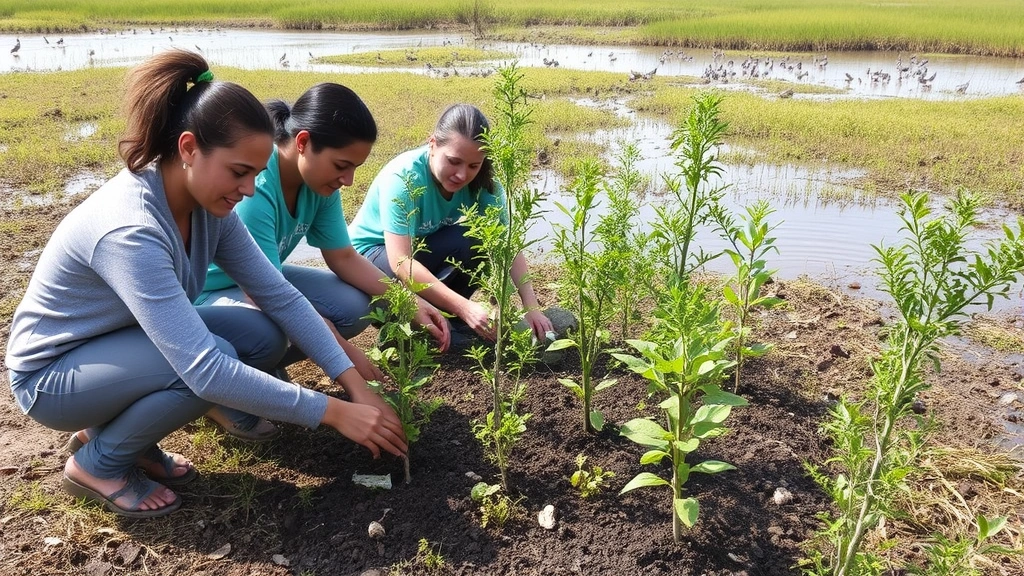
Understanding Natural Resources Trust Funds
Natural resources trust funds operate on the principle of intergenerational equity, ensuring that revenues generated from finite natural capital are converted into sustainable income for perpetual use. Unlike traditional government budgets subject to annual appropriations and political fluctuations, trust funds create institutional mechanisms with dedicated governance structures, professional management, and long-term investment horizons. The fundamental architecture involves three key components: an initial endowment, investment management according to specified principles, and distribution of earnings to environmental programs.
The economic logic underlying trust funds draws from ecological economics and natural capital accounting frameworks. Pioneering research from institutions like the World Bank demonstrates that treating natural resources as depletable assets requires compensatory investment in alternative forms of capital—whether human, social, or built capital. Trust funds operationalize this principle by converting resource extraction revenues into financial capital that generates perpetual returns. This transformation from extractive to regenerative economics represents a fundamental shift in how societies value and manage their natural inheritance.
Several distinct models exist within the trust fund framework. Revenue-based models capitalize funds with percentage allocations from resource extraction (oil, minerals, timber). Conservation trust funds, increasingly prevalent in developing nations, combine government contributions, international donor support, and private philanthropy. Debt-for-nature arrangements allow countries to redirect debt service payments toward environmental protection. Each model reflects different political economies and resource endowments, yet all share the core objective of creating durable funding mechanisms insulated from budgetary pressures.

Economic Mechanisms and Multiplier Effects
The economic impact of renewed trust fund investments extends far beyond direct conservation expenditures through several multiplier mechanisms. When trust funds allocate capital to environmental management, habitat restoration, and sustainable resource use, they stimulate employment across multiple sectors: conservation professionals, restoration contractors, environmental monitoring services, and community-based natural resource management enterprises. Research from ecological economics literature suggests employment multipliers ranging from 1.5 to 2.5 times direct job creation, as conservation spending circulates through local economies.
Trust fund renewal catalyzes investment in green infrastructure and nature-based solutions that provide economic co-benefits. Mangrove restoration funded through these mechanisms, for instance, simultaneously protects coastal communities from storm surge, maintains fishery productivity, sequesters carbon, and provides employment for restoration workers. Wetland protection preserves water purification services, reduces flooding damage, and supports tourism industries. The United Nations Environment Programme estimates that every dollar invested in ecosystem restoration generates four to seven dollars in economic returns through avoided damages and enhanced productivity.
Financial markets increasingly recognize the economic value of natural capital protection, creating opportunities for trust fund expansion through innovative financing. Green bonds backed by trust fund revenues attract institutional investors seeking sustainable returns. Payment for ecosystem services mechanisms allow beneficiaries—water utilities, agricultural enterprises, hydropower operators—to contribute directly to trust fund capitalization in exchange for ecosystem service provision. These mechanisms transform environmental protection from a fiscal burden into an economically productive investment generating measurable returns.
The relationship between environmental stability and economic productivity operates through multiple pathways. Climate-related ecosystem degradation imposes substantial costs on economies dependent on agriculture, fisheries, and water resources. By renewing trust funds dedicated to climate adaptation and ecosystem resilience, governments reduce future economic losses while improving present-day productivity. Studies of agricultural productivity in regions with well-funded environmental trust funds show significantly higher yields and greater resilience to climate variability compared to regions lacking such mechanisms.
Ecosystem Services Valuation and Economic Impact
Understanding the economic value of ecosystem services provides the analytical foundation for trust fund renewal decisions. Ecosystem services—the benefits humans derive from natural systems—encompass provisioning services (food, water, timber), regulating services (climate regulation, flood control, pollination), supporting services (nutrient cycling, soil formation), and cultural services (recreation, spiritual value, aesthetic appreciation). The challenge of converting these services into economic metrics has generated substantial methodological development within ecological economics.
Valuation methodologies range from market-based approaches capturing actual payments for services (water fees, timber prices) to contingent valuation and hedonic pricing techniques estimating willingness-to-pay for environmental improvements. A comprehensive assessment of global ecosystem services by researchers affiliated with ecological economics journals estimates annual value exceeding $125 trillion, with significant regional variation reflecting ecosystem diversity and human population density. This valuation framework demonstrates that ecosystem protection through trust fund investment represents economically rational allocation of capital.
The distribution of ecosystem service values across beneficiary populations creates both opportunities and challenges for trust fund governance. Urban water utilities benefit directly from upstream watershed protection funded through trust mechanisms, creating incentives for cost-sharing arrangements. Agricultural producers dependent on pollination services, soil health, and water availability have economic interest in supporting ecosystem conservation. Fishing communities relying on marine and freshwater ecosystems represent another stakeholder group with direct economic interest in ecosystem management. Trust fund renewal processes that explicitly map these service values to beneficiary populations can unlock diverse funding sources and broaden political coalitions supporting environmental protection.
Climate regulation services warrant particular attention given their global significance and economic magnitude. Forests, wetlands, and marine ecosystems sequester carbon and regulate atmospheric composition, providing climate services valued at thousands of dollars per hectare annually when calculated using social cost of carbon metrics. Renewing trust funds dedicated to protecting high-carbon ecosystems—tropical forests, peatlands, mangroves—represents economically justified investment in global climate stability. The economic case strengthens as carbon pricing mechanisms expand and climate damages accelerate, making nature-based climate solutions increasingly cost-effective compared to technological alternatives.
Global Case Studies and Implementation Models
The Ecorise Daily Blog has documented numerous trust fund implementations demonstrating diverse approaches to environmental finance. The Bhutan Trust Fund exemplifies the revenue-based model, dedicating hydropower revenues to conservation while maintaining the world’s highest forest coverage. Madagascar’s Conservation Trust Fund demonstrates international partnership mechanisms, combining government, donor, and private sector contributions to support protected areas and community-based conservation. The Nature Conservancy manages conservation trust funds across multiple continents, generating over $500 million annually for environmental protection.
Latin American trust funds provide instructive examples of scaling mechanisms. Brazil’s Amazon Fund, though facing political challenges, demonstrated potential for converting international climate finance into domestic conservation investment. Costa Rica’s Payment for Ecosystem Services program, funded through fossil fuel taxes and international contributions, protects forests while generating rural income. These models show that trust fund renewal requires not only technical financial design but also sustained political commitment and international cooperation frameworks.
African trust fund experiences reveal both successes and implementation challenges. The East African Community’s initiatives to establish regional conservation trust funds face capacity constraints and governance questions but represent important efforts to institutionalize environmental finance at appropriate scales. Island nations, particularly vulnerable to climate impacts, have pioneered innovative trust fund models combining climate adaptation and conservation objectives. Seychelles’ debt-for-nature swap restructured sovereign debt while capitalizing a marine conservation trust fund, demonstrating how financial innovation can align debt sustainability with environmental protection.
Asian trust fund models increasingly integrate biodiversity conservation with poverty reduction objectives. India’s Joint Forest Management program, though not strictly a trust fund, demonstrates principles of community participation and benefit-sharing that inform contemporary trust fund design. Indonesia’s experience with forest conservation trust funds reveals tensions between extraction pressures and conservation commitments, highlighting governance challenges in resource-rich nations. These diverse global experiences provide crucial lessons for trust fund renewal: success requires tailored institutional design reflecting local political economies, sustained international support, and explicit mechanisms ensuring benefits reach affected communities.
Challenges in Trust Fund Renewal and Governance
Renewing and expanding trust funds confronts substantial governance challenges that require careful institutional design. Political pressure to raid trust fund capital for immediate fiscal needs represents the most persistent threat to long-term sustainability. Countries facing economic crises or political transitions frequently divert environmental funds toward debt service or current expenditures. Addressing this requires constitutional protections, international oversight mechanisms, and transparent reporting standards that make fund diversions politically costly. The World Bank’s governance frameworks provide models for institutional design enhancing trust fund durability.
Investment management challenges arise from the technical complexity of managing endowments in developing country contexts. Trust funds require professional financial management, diversified investment portfolios, and risk management expertise often scarce in countries where conservation needs are greatest. Outsourcing investment management to international firms reduces local capacity development while potentially extracting substantial fees. Developing regional financial centers with expertise in conservation finance represents an important institutional development priority supporting trust fund renewal.
Benefit distribution and community engagement constitute critical governance dimensions affecting both equity and sustainability. Trust funds that concentrate benefits among conservation professionals and government bureaucrats while excluding affected communities generate opposition and undermine legitimacy. Effective trust fund renewal requires mechanisms ensuring community participation in governance, benefit-sharing from ecosystem service payments, and employment opportunities in conservation activities. The human environment interaction perspective emphasizes that environmental protection succeeds only when communities perceive direct benefits from conservation investments.
Monitoring, reporting, and verification mechanisms face resource constraints in many contexts. Trust fund renewal requires investments in monitoring systems documenting both financial performance and environmental outcomes. Without credible outcome measurement, trust funds risk becoming vehicles for rent-seeking rather than genuine environmental protection. Developing standardized metrics for ecosystem health, biodiversity protection, and carbon sequestration across trust fund networks would enhance accountability and learning.
Currency and inflation risks present particular challenges for trust funds in developing countries experiencing macroeconomic instability. Endowments denominated in local currency face erosion through inflation, while dollar-denominated endowments create exchange rate risks. Trust fund renewal processes should incorporate currency hedging strategies and inflation-adjusted spending rules ensuring purchasing power preservation across generations. Some trust funds have successfully employed commodity-linked endowments, dedicating resource extraction revenues directly to conservation rather than converting to financial assets.
Integrating Climate Adaptation and Biodiversity Goals
Contemporary trust fund renewal must integrate climate adaptation and biodiversity conservation as interconnected objectives rather than competing priorities. Climate change threatens ecosystem integrity and biodiversity while simultaneously increasing demand for ecosystem services providing climate adaptation benefits. Mangrove protection simultaneously supports biodiversity, provides coastal protection against rising seas and storms, sequesters carbon, and maintains fishery productivity. Upland forest protection regulates water cycles, prevents erosion, maintains agricultural productivity, and sequesters carbon. Trust fund renewal processes should explicitly map these co-benefits and design funding mechanisms capturing value across multiple services.
Nature-based solutions to climate change represent increasingly cost-effective adaptation strategies compared to purely technological approaches. Protecting and restoring forests, wetlands, mangroves, and grasslands sequesters carbon while simultaneously enhancing ecosystem resilience and biodiversity. The how to reduce carbon footprint framework increasingly emphasizes ecosystem protection as central to climate mitigation. Trust fund renewal should prioritize funding mechanisms supporting nature-based climate solutions, potentially through linkages to carbon markets and climate finance mechanisms.
Biodiversity loss and climate change interact through multiple feedback mechanisms. Ecosystem degradation reduces resilience to climate impacts, while climate change accelerates extinction rates and ecosystem transformation. Trust funds designed to address these challenges simultaneously can achieve greater impact than parallel mechanisms. Integrated assessment frameworks should evaluate how trust fund investments affect biodiversity outcomes across multiple taxa and ecosystem types while simultaneously quantifying climate mitigation and adaptation benefits.
Indigenous and local knowledge systems provide crucial insights for climate adaptation and biodiversity conservation reflected in trust fund design. Communities with multi-generational experience managing specific ecosystems possess knowledge about sustainable practices, species interactions, and climate variability patterns often unavailable through scientific literature. Trust fund renewal should incorporate mechanisms ensuring indigenous communities benefit from conservation investments and participate in governance structures shaping fund priorities.
Future Pathways and Policy Recommendations
Renewing and scaling trust funds requires coordinated policy action across multiple governance levels. At national levels, governments should establish constitutional or statutory protections for trust fund capital, ensuring durability across political cycles. Dedicating specific revenue streams—carbon taxes, payments for ecosystem services, sustainable resource extraction fees—to trust fund capitalization creates transparent mechanisms disconnecting environmental finance from annual budget politics. UNEP’s environment and development initiatives provide frameworks for integrating trust fund expansion into national development planning.
International cooperation mechanisms should expand to support trust fund renewal in developing countries. Climate finance and biodiversity funding mechanisms could increasingly channel resources through trust funds rather than project-based approaches, enhancing sustainability and reducing transaction costs. Debt-for-nature swaps should be scaled as mechanisms simultaneously addressing debt sustainability and environmental protection. Technology transfer and capacity building support for trust fund management would reduce reliance on expensive international consultants while developing local expertise.
Regional and global coordination of trust fund networks could enhance learning and optimize ecosystem management across boundaries. Transboundary ecosystems—shared river basins, migratory species ranges, coastal areas—require coordinated protection mechanisms transcending national boundaries. Regional trust fund networks could pool resources, coordinate investments, and establish common standards for environmental protection and benefit-sharing. The Conda environment and Python environment variables concepts from technology transfer could inform approaches to standardizing trust fund protocols across diverse institutional contexts.
Innovative financing mechanisms should be expanded to increase trust fund capitalization. Green bonds backed by trust fund revenues, conservation impact bonds linking returns to environmental outcomes, and payment for ecosystem services mechanisms represent emerging tools attracting private capital to conservation. Blended finance structures combining concessional donor funding with commercial capital could scale trust fund endowments substantially. Cryptocurrency and blockchain technologies, while requiring careful governance, offer potential for transparent, automated benefit-sharing mechanisms in decentralized trust fund models.
Research and adaptive management frameworks should inform trust fund renewal processes. Systematic evaluation of trust fund outcomes across diverse contexts would identify effective institutional designs, investment strategies, and governance mechanisms. Funding dedicated to monitoring ecosystem responses to trust fund investments, tracking economic multipliers, and assessing equity outcomes would enable continuous improvement. Academic institutions and research networks should prioritize comparative analysis of trust fund performance, contributing to evidence-based policy design.
Private sector engagement represents an underutilized pathway for trust fund expansion. Companies dependent on ecosystem services—beverage manufacturers relying on water quality, agricultural enterprises dependent on pollination and soil health, tourism operators benefiting from scenic landscapes—have economic interest in supporting ecosystem protection. Corporate contribution mechanisms, benefit corporation structures, and supply chain sustainability investments could channel significant private capital toward trust fund capitalization. Certification systems and market mechanisms rewarding products derived from ecosystem-friendly production could generate trust fund revenues while supporting producer livelihoods.
FAQ
What is the primary purpose of environmental trust funds?
Environmental trust funds create sustainable, perpetual funding mechanisms for conservation and ecosystem management by converting one-time natural resource revenues into ongoing income streams. They insulate environmental spending from annual budget pressures and political fluctuations, ensuring long-term commitment to environmental protection and natural capital stewardship.
How do trust funds generate economic benefits beyond conservation?
Trust fund investments create employment in conservation sectors, stimulate local economies through spending multipliers, support ecosystem services providing direct economic value, reduce future climate and disaster-related economic losses, and attract investment in green infrastructure and sustainable industries.
What governance challenges threaten trust fund sustainability?
Primary challenges include political pressure to divert funds for immediate fiscal needs, investment management complexity in developing countries, ensuring equitable benefit distribution to affected communities, establishing credible monitoring of environmental outcomes, and managing currency and inflation risks in unstable macroeconomic contexts.
How can trust funds address both climate and biodiversity objectives?
Nature-based solutions like ecosystem protection simultaneously mitigate climate change through carbon sequestration, enhance biodiversity, provide ecosystem services supporting human adaptation, and build resilience to climate impacts. Trust fund design should explicitly integrate these multiple benefits into funding priorities and outcome measurement.
What international mechanisms support trust fund renewal?
Climate finance, biodiversity funding, debt-for-nature swaps, international conservation partnerships, and regional cooperation frameworks increasingly support trust fund capitalization. Technology transfer, capacity building support, and coordination of transboundary ecosystem protection represent important international mechanisms enhancing trust fund effectiveness.


