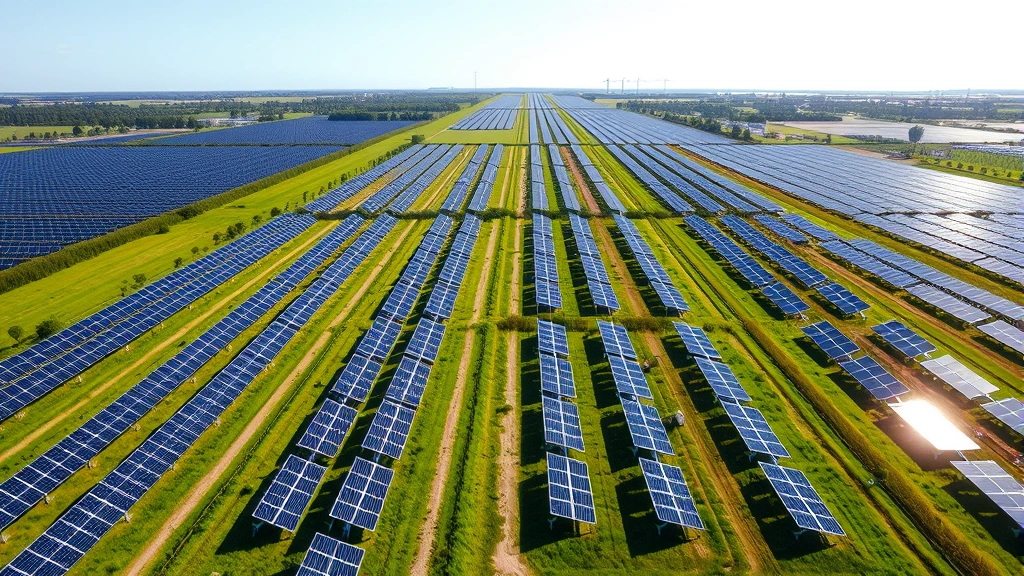
Can Green Bonds Boost Economies? Economist Insights
Green bonds have emerged as one of the most compelling financial instruments of the 21st century, offering a bridge between environmental sustainability and economic growth. As global capital markets increasingly recognize the urgency of climate action, these specialized debt securities are redirecting billions of dollars toward renewable energy projects, sustainable infrastructure, and climate resilience initiatives. But can they truly catalyze broad-based economic growth, or do they represent merely a reallocation of existing capital? This question sits at the intersection of environmental economics, financial innovation, and macroeconomic policy—domains where rigorous analysis reveals both substantial promise and persistent challenges.
The global green bond market has experienced explosive growth, expanding from virtually nothing in 2007 to over $500 billion in annual issuances by 2021. This trajectory reflects not merely investor sentiment but a fundamental shift in how markets price environmental risk and opportunity. Economists across major institutions—from the World Bank to leading research universities—are examining whether this capital flow creates genuine economic stimulus or simply redirects funds from conventional investments. The answer appears nuanced: green bonds can boost economies through specific transmission channels, but their macroeconomic impact depends heavily on implementation context, policy frameworks, and the underlying quality of funded projects.

Green Bonds and Economic Fundamentals
Green bonds function as fixed-income securities where proceeds are exclusively allocated to environmental projects. Unlike traditional bonds, they carry certification requirements and reporting obligations that distinguish them within capital markets. From an economic perspective, their primary value proposition rests on three foundations: channeling capital toward productive environmental assets, reducing the cost of capital for green projects, and signaling investor commitment to sustainability transitions.
The economic case begins with market failure correction. Environmental degradation—carbon emissions, biodiversity loss, water pollution—represents an externality that traditional markets systematically underprice. By creating dedicated instruments with explicit environmental mandates, green bonds help internalize these externalities and direct capital toward assets that generate positive environmental externalities. This represents a fundamental reorientation of how financial markets allocate resources, moving beyond pure profit maximization toward integrated environmental-economic optimization.
Research from the World Bank demonstrates that green bonds typically offer pricing advantages—often 5-25 basis points lower yields than comparable conventional bonds—reflecting both lower perceived risk and investor preference for sustainable assets. This cost reduction proves economically significant when multiplied across large capital projects. A renewable energy facility financed at 150 basis points lower cost than conventional alternatives experiences substantially improved project economics, enabling either faster deployment or broader geographic coverage.
The stewardship and environmental management embedded in green bond issuance creates accountability mechanisms that strengthen project outcomes. Mandatory environmental impact reporting, third-party verification, and transparent fund allocation create governance structures that reduce implementation risk and enhance project quality compared to conventional financing arrangements.
Employment and Sectoral Growth
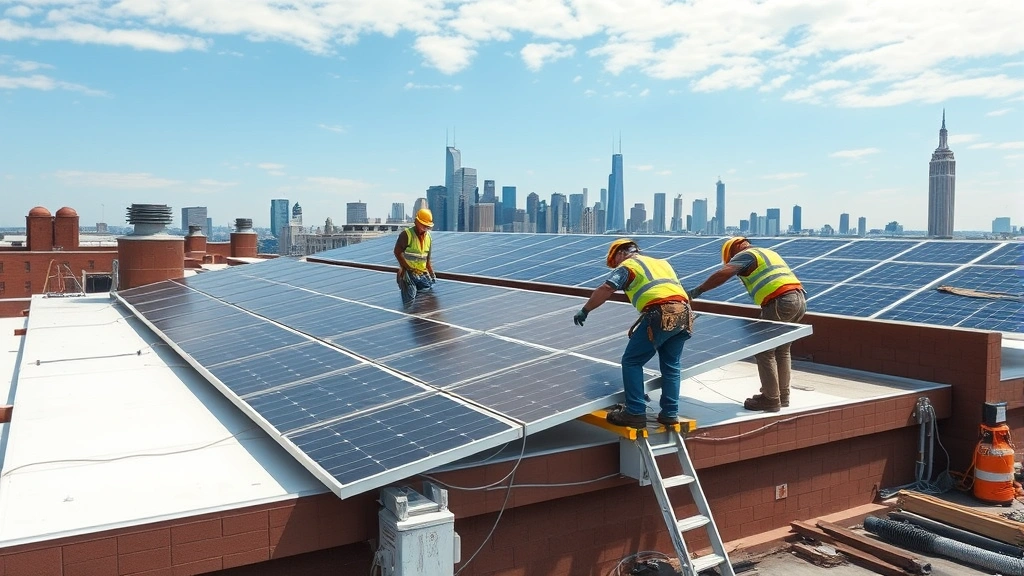
Perhaps the most immediate economic benefit of green bond financing manifests through employment generation. Renewable energy installation, energy efficiency retrofitting, sustainable transportation infrastructure, and ecological restoration all represent labor-intensive sectors. The International Labor Organization estimates that clean energy transitions could generate 24 million new jobs globally by 2030, with green bond financing serving as a critical enabler of this employment expansion.
The employment multiplier effects prove particularly pronounced in developing economies. When green bonds finance solar panel manufacturing facilities or wind turbine assembly plants, they create direct employment while stimulating local supply chains—cement production, electrical component manufacturing, construction services, and transportation logistics all experience demand increases. Research indicates that renewable energy projects generate 2-3 times more employment per dollar invested than fossil fuel infrastructure, amplifying the economic stimulus effect of green bond capital deployment.
Sectoral analysis reveals concentrated growth in technology-intensive domains. The clean technology sector—encompassing renewable energy, energy storage, smart grid systems, and sustainable agriculture—has demonstrated compound annual growth rates exceeding 15% over the past decade. Green bond financing accelerates this trajectory by reducing capital constraints that previously limited expansion. For entrepreneurs and enterprises pursuing renewable energy solutions, green bond-financed projects create market momentum and supply chain maturation that reduces costs for subsequent market entrants.
The sectoral shift also generates skills development and human capital accumulation. Solar installers, wind technicians, energy auditors, and sustainable agriculture specialists represent occupations with expanding demand and improving wage prospects. Educational institutions increasingly respond by developing relevant training programs, creating positive feedback loops where capital availability drives skills development, which further enables sectoral expansion.
Infrastructure Investment and Productivity
Green bonds finance infrastructure assets with direct productivity implications. Sustainable transportation systems—electric bus networks, rail electrification, charging infrastructure—reduce congestion and transportation costs for businesses and consumers. Energy-efficient buildings consume less electricity, reducing operational expenses for commercial enterprises. Water infrastructure improvements enhance agricultural productivity and industrial competitiveness. These productivity gains translate into measurable economic output increases beyond the direct investment stimulus.
The infrastructure productivity channel operates through multiple transmission mechanisms. First, reduced energy costs lower production expenses across all sectors. A manufacturing facility in a region with green bond-financed renewable energy infrastructure benefits from lower electricity prices, improving cost competitiveness. Second, improved transportation infrastructure reduces logistics costs and delivery times, enhancing supply chain efficiency. Third, ecosystem restoration funded through green bonds—wetland protection, forest conservation, soil rehabilitation—supports agricultural productivity and water security essential for economic activity.
Ecological economics research emphasizes that these productivity gains represent genuine economic value creation rather than mere redistribution. Unlike conventional stimulus that may primarily shift purchasing power temporally, green infrastructure investments generate persistent productivity improvements. A renewable energy facility continues reducing energy costs for decades. An energy-efficient building retrofit sustains operational savings across its remaining useful life. This persistence distinguishes green bond impacts from temporary demand stimulus, creating more durable economic benefits.
The human-environment interaction fundamentally shapes infrastructure productivity. Green bonds that finance projects enhancing environmental quality—urban green space development, water quality improvement, air pollution reduction—generate health benefits that reduce healthcare costs and increase labor productivity. Workers in cities with improved air quality experience fewer respiratory illnesses, reducing absenteeism. These health externalities, while often difficult to monetize, represent genuine economic gains.
Financial Market Development
Beyond direct project financing, green bonds catalyze broader financial market development with significant economic implications. The emergence of a substantial green bond market has stimulated development of specialized investment vehicles, rating methodologies, and analytical frameworks. Asset managers globally now maintain dedicated sustainable investing teams, institutional investors have established environmental, social, and governance (ESG) criteria, and financial infrastructure providers have developed green bond tracking systems and indices.
This market development generates economic benefits through multiple channels. First, improved price discovery mechanisms for environmental risk reduce information asymmetries that previously hindered capital allocation. As financial markets develop more sophisticated understanding of climate risks, they better price assets accordingly, improving overall capital allocation efficiency. Second, institutional investor participation in green bonds legitimizes sustainable finance as an asset class, attracting capital that previously concentrated in conventional investments.
The development of green bond markets also stimulates financial sector employment and expertise. Specialized bond traders, environmental analysts, verification professionals, and impact measurement specialists represent growing occupational categories. Financial institutions compete to develop innovative green financial products, driving technological advancement and operational efficiency improvements.
Emerging market economies particularly benefit from green bond market development. Countries that successfully establish credible green bond markets gain access to international capital pools previously inaccessible due to perceived sovereign risk. A developing nation that issues green bonds attracts environmentally-conscious institutional investors, potentially securing financing at lower costs than conventional sovereign debt. This capital access enables infrastructure investments essential for economic development while simultaneously advancing environmental objectives.
Challenges and Limitations
Despite substantial promise, green bonds face significant limitations that constrain their macroeconomic impact. The most fundamental challenge involves additionality—whether green bond financing actually increases total environmental investment or merely redirects existing capital toward green projects while conventional projects lose funding. If green bonds primarily shift capital between investment categories without expanding total investment, their net economic impact diminishes substantially.
Empirical evidence on additionality remains mixed. Some studies suggest that green bonds successfully expand capital flows to environmental projects, particularly in sectors previously constrained by financing limitations. Other research indicates that sophisticated investors merely reallocate portfolios toward green investments, leaving total capital deployment relatively unchanged. The distinction proves economically crucial: genuine additionality creates net positive macroeconomic effects, while pure reallocation generates zero net stimulus.
Greenwashing represents another significant concern. When issuers label projects as green without substantive environmental benefits, or when verification processes prove inadequate, capital flows to projects offering minimal genuine environmental value. This misallocation reduces economic efficiency and undermines investor confidence in green bond markets. The absence of universally accepted green bond standards—though improving with development of the International Capital Market Association Green Bond Principles—has historically enabled problematic labeling.
Scale limitations also constrain green bonds’ macroeconomic impact. While the green bond market has grown substantially, total issuance remains modest relative to global capital flows and infrastructure investment needs. Annual green bond issuance of $500 billion, while significant, represents less than 1% of global capital market activity. Meeting climate transition objectives requires trillions of dollars in annual investment, suggesting green bonds alone cannot drive necessary transformation without substantial expansion or complementary policy mechanisms.
The cost reduction benefit of green bonds, while real, proves smaller than sometimes portrayed. The 5-25 basis point advantage translates into meaningful but modest savings—perhaps 0.5-2% of total project costs. For marginal projects at the boundary of financial viability, this cost reduction proves decisive. For projects already economically attractive at conventional financing rates, the green bond benefit provides primarily distributional gains rather than enabling net-new investment.
Policy Frameworks for Maximum Impact
Green bonds’ economic impact depends critically on complementary policy frameworks that maximize their additionality and effectiveness. First, clear environmental standards and certification mechanisms prove essential. When governments establish rigorous definitions of eligible green projects and require independent verification, capital flows toward genuinely impactful investments rather than marginal projects with minimal environmental benefits. The United Nations Environment Programme has developed guidance on green bond standards that countries can adapt to local contexts.
Second, carbon pricing mechanisms amplify green bond effectiveness. When governments establish carbon taxes or cap-and-trade systems that price environmental externalities, conventional fossil fuel investments become more expensive, widening the cost advantage of green bond-financed alternatives. A carbon price of $50-100 per ton, combined with green bond financing advantages, creates substantial economic incentives for environmental investment. Without complementary carbon pricing, green bonds operate in a policy vacuum where environmental externalities remain unpriced, limiting their transformative potential.
Third, investment in analytical capacity and financial infrastructure strengthens green bond market development. Countries that develop specialized environmental finance expertise, establish dedicated green banking units, and create technological infrastructure for bond issuance and tracking experience superior market outcomes. This infrastructure investment—while requiring upfront public resources—generates returns through improved capital allocation and reduced transaction costs.
Fourth, integration of green bonds into broader climate finance strategies ensures coherent policy implementation. Green bonds represent one mechanism among many—including public investment, carbon pricing, regulatory mandates, and direct subsidies—for financing environmental transition. Governments that coordinate these instruments strategically achieve superior outcomes compared to those treating green bonds as isolated policy tools.
Fifth, attention to distributional impacts ensures that green bond-financed transition benefits reach economically vulnerable populations. Without explicit equity considerations, green energy transitions may concentrate benefits among wealthy populations while imposing costs on lower-income communities. Policy frameworks that direct green bond financing toward affordable housing energy efficiency, public transportation in underserved communities, and sustainable consumption patterns ensure broader-based economic benefits.
Research from ecological economics journals increasingly emphasizes that environmental transition economics requires integrated policy design rather than isolated instrument deployment. Green bonds function optimally within comprehensive frameworks combining financial innovation, regulatory reform, and public investment coordination. Countries implementing such frameworks—Denmark, Costa Rica, and Uruguay represent notable examples—demonstrate superior environmental outcomes combined with sustained economic growth.
The role of carbon footprint reduction in green bond project selection deserves particular emphasis. Projects funded through green bonds should demonstrably reduce carbon emissions or enhance environmental resilience. Rigorous quantification of avoided emissions, ecosystem services provided, or climate adaptation benefits ensures that capital deployment targets genuinely impactful interventions rather than marginally greener alternatives to business-as-usual approaches.
FAQ
What exactly is a green bond?
A green bond is a fixed-income security where proceeds finance environmental projects including renewable energy, energy efficiency, sustainable transportation, and ecosystem restoration. Green bonds carry certification requirements and reporting obligations distinguishing them from conventional bonds, with explicit commitments to use capital exclusively for eligible environmental projects.
How much cheaper are green bonds than conventional bonds?
Green bonds typically offer 5-25 basis points lower yields than comparable conventional bonds, reflecting both lower perceived risk and investor preference for sustainable assets. This cost reduction proves economically meaningful for large infrastructure projects but represents modest savings relative to total project costs—typically 0.5-2% of project expenses.
Do green bonds actually create new investment or just redirect existing capital?
Evidence suggests mixed results. Green bonds successfully attract certain investor categories—ESG-focused funds, impact investors, and sustainability-committed institutions—who might not otherwise invest in environmental projects. However, determining precise additionality remains empirically challenging, with some research suggesting partial additionality and other studies indicating primarily capital reallocation. Maximum additionality occurs in developing economies and emerging sectors with financing constraints.
Can green bonds alone address climate finance needs?
No. Annual green bond issuance of $500 billion, while substantial, remains modest relative to trillions of dollars required for climate transition. Green bonds function most effectively as one mechanism within comprehensive policy frameworks combining carbon pricing, regulatory mandates, public investment, and financial innovation. Their maximum impact emerges through complementary policy coordination rather than standalone deployment.
What are the main risks with green bonds?
Primary risks include greenwashing (inadequate environmental benefits), additionality uncertainty (whether capital is genuinely new), scale limitations (insufficient to meet transition needs), and verification challenges (ensuring projects deliver promised environmental outcomes). Additionally, green bonds concentrate benefits among investors and may exclude economically vulnerable populations without explicit equity-focused policy design.
How do green bonds affect employment?
Green bonds finance labor-intensive sectors including renewable energy installation, energy efficiency retrofitting, and sustainable infrastructure development. Research indicates these sectors generate 2-3 times more employment per dollar invested than fossil fuel infrastructure, with particular employment multiplier effects in developing economies where supply chain participation proves broader.
What role should governments play in green bond markets?
Governments should establish clear environmental standards and certification mechanisms, implement complementary carbon pricing mechanisms, invest in financial infrastructure and analytical capacity, coordinate green bonds with broader climate finance strategies, and ensure distributional equity through targeted allocation toward vulnerable communities. Government involvement validates green bond markets while ensuring alignment with climate objectives.


