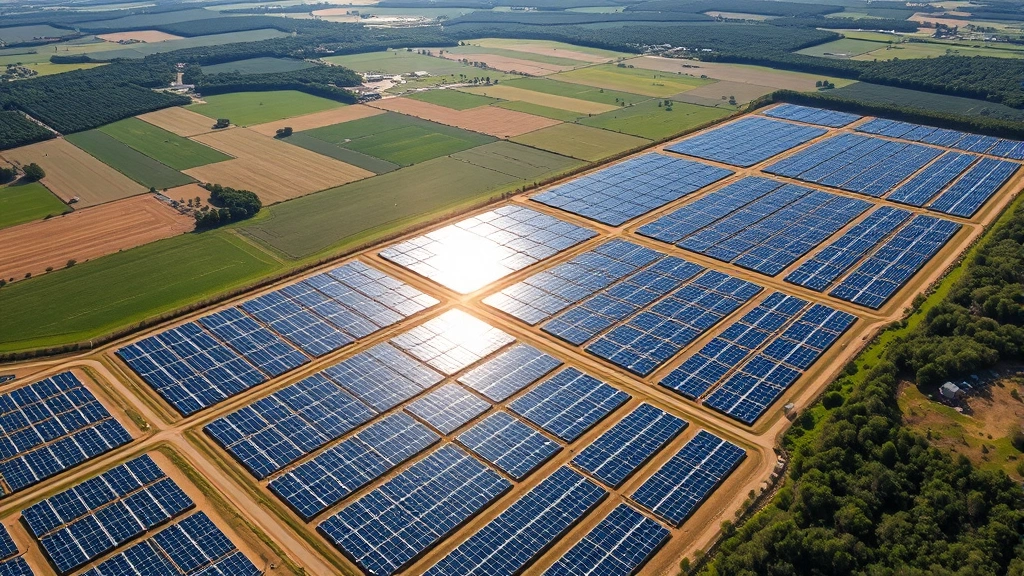
Can Green Investments Boost GDP? Economist Insight
The relationship between environmental sustainability and economic growth has long been framed as a trade-off: protect nature or grow the economy. However, emerging economic research and real-world data suggest this binary choice is fundamentally flawed. Green investments—spanning renewable energy, sustainable agriculture, ecosystem restoration, and circular economy infrastructure—are increasingly demonstrating capacity to generate measurable GDP growth while simultaneously addressing ecological degradation. This shift represents a paradigm change in how economists and policymakers approach development strategy.
Understanding whether green investments truly boost GDP requires examining multiple dimensions: direct economic outputs, job creation, avoided costs from environmental damage, technological innovation, and long-term fiscal benefits. The evidence points toward a nuanced reality: green investments can indeed stimulate GDP growth, but outcomes depend heavily on implementation frameworks, policy coherence, and the baseline economic conditions of adopting nations.
The GDP Growth Paradox: Green Economy Evidence
Traditional economic models treated environmental protection as a cost burden—expenditures that reduce available capital for productive investment. Contemporary empirical research systematically challenges this assumption. The World Bank estimates that every dollar invested in climate adaptation yields four to seven dollars in economic benefits through avoided losses and productivity gains. This return ratio surpasses most conventional infrastructure investments.
Global green investment reached $632 billion in 2021, with sectors including renewable energy, electric vehicles, sustainable buildings, and forest protection demonstrating consistent growth trajectories. Countries like Denmark, Germany, and Costa Rica have achieved simultaneous increases in both renewable energy capacity and GDP per capita. Denmark’s wind energy sector, for instance, contributes approximately 1.5% of national GDP while positioning the nation as a technology exporter worth billions annually.
The mechanism operates through multiple pathways. Renewable energy installations require manufacturing, installation, maintenance, and grid modernization—all labor-intensive activities that generate immediate economic activity. Solar and wind sectors employ more workers per megawatt than fossil fuel generation. Additionally, reduced energy imports—a significant fiscal drain for energy-dependent nations—preserve domestic capital for reinvestment in other productive sectors.
Understanding human environment interaction becomes essential when analyzing how green investments reshape economic structures. Rather than viewing environmental management as separate from economic activity, modern ecological economics integrates these domains, revealing how ecosystem health directly influences productivity.
Job Creation and Labor Market Dynamics
Employment generation represents one of green investment’s most tangible GDP contributions. The International Renewable Energy Agency (IRENA) reports that renewable energy sectors employed 12.7 million people globally in 2021, with annual growth rates exceeding fossil fuel employment. Solar installation alone added 300,000+ jobs globally in 2021.
These positions typically offer:
- Geographic distribution benefits: Unlike centralized fossil fuel infrastructure, renewable installations distribute across regions, supporting rural economies and reducing geographic inequality
- Skill development: Technical training requirements create human capital formation, enhancing long-term productivity
- Wage premiums: Green sector jobs frequently offer wages 10-15% above regional averages, particularly in manufacturing and installation
- Multiplier effects: Worker spending stimulates local commerce, generating secondary employment in retail, services, and hospitality
Transition challenges exist, particularly in coal-dependent regions. However, comprehensive reskilling programs—when adequately funded—demonstrate capacity to redirect workers into equally or more remunerative green sectors. Germany’s Energiewende (energy transition) initially displaced 50,000 coal workers; targeted retraining initiatives have successfully repositioned 80% into renewable energy and energy efficiency roles within five years.
The concept of how to reduce carbon footprint extends beyond individual consumer choices to encompass macroeconomic restructuring that creates employment while simultaneously lowering emissions intensity. This alignment of environmental and economic objectives distinguishes green investment from traditional environmental regulation.
Avoided Environmental Costs and Economic Resilience
GDP accounting traditionally excludes environmental externalities—costs imposed on society through pollution, resource depletion, and ecosystem damage. Natural capital accounting, increasingly adopted by progressive economies, reveals that ignoring these costs systematically overstates net economic growth.
Air pollution alone costs the global economy $8 trillion annually through health expenditures, lost productivity, and premature mortality. Green investments directly reduce these costs. Studies examining air quality improvements following renewable energy adoption in India and China document healthcare cost reductions exceeding 2% of regional GDP within decade-long implementation periods.
Water security presents another dimension. Renewable energy requires negligible water for operation, while thermal power plants consume approximately 41% of global freshwater withdrawals. In water-stressed regions, transitioning to solar and wind simultaneously reduces energy production costs and preserves water resources for agriculture and municipal use—critical for food security and long-term economic stability.
Climate resilience amplifies these benefits. Extreme weather events—intensified by climate change—impose escalating economic costs. The 2017 Atlantic hurricane season alone generated $308 billion in damages. Green investments that reduce climate volatility provide insurance-like benefits, stabilizing economic growth trajectories and reducing fiscal volatility. Coastal nations investing in mangrove restoration simultaneously achieve carbon sequestration, storm surge protection, and fishery productivity enhancement—multiple GDP-supporting benefits from single interventions.
Examining what are some impacts humans have had on the environment reveals that many economic sectors currently externalize environmental costs, artificially inflating profitability metrics. Green investment corrects these distortions, creating more sustainable and stable economic foundations.
Innovation, Technology Transfer, and Competitive Advantage
Green investments catalyze technological innovation with spillover benefits across entire economies. The renewable energy sector has experienced cost reductions of 90% for solar photovoltaics and 70% for onshore wind over the past decade—driven by continuous innovation incentivized by expanding markets.
This innovation generates competitive advantages in global markets. China’s dominance in solar manufacturing, Germany’s wind turbine leadership, and Denmark’s offshore wind expertise represent export sectors worth hundreds of billions annually. Nations establishing green technology leadership positions capture disproportionate value creation opportunities.
Patent data reflects this dynamic. Green technology patents have grown at 15% annually since 2010, compared to 3% growth in overall patenting. This concentration of innovation effort indicates capital markets recognize green sectors as high-growth opportunities with sustained competitive returns.
Technology transfer mechanisms amplify these effects. Developing nations adopting renewable energy technologies benefit from cost reductions driven by innovation in developed economies. This dynamic reverses historical patterns where environmental protection required developed economies to sacrifice competitiveness. Instead, green leadership generates first-mover advantages that sustain economic growth.

Sectoral Analysis: Winners and Transitions
Comprehensive green investment analysis requires examining sectoral winners and transition challenges. Energy sectors experience most dramatic transformations. Renewable energy deployment expands manufacturing, installation, and maintenance employment while reducing fossil fuel extraction and processing jobs. Net employment typically increases, but geographic and skill mismatches require policy intervention.
Building sectors benefit substantially from green investment. Energy-efficient retrofits reduce operational costs 20-40%, improving property values while decreasing energy expenditures. Green building construction creates immediate employment while generating long-term cost savings that increase disposable income for other consumption.
Agricultural transformation toward sustainable practices demonstrates more complex dynamics. Regenerative agriculture, agroforestry, and organic farming initially require higher labor inputs and potentially lower yields. However, reduced input costs (fertilizer, pesticides), premium pricing for sustainable products, and enhanced soil productivity over multi-year periods generate positive long-term returns. Studies across sub-Saharan Africa demonstrate 15-25% income improvements for farmers transitioning to regenerative practices within five years.
Transportation electrification creates employment in battery manufacturing, charging infrastructure, and vehicle assembly while reducing oil import dependence. Norway’s electric vehicle adoption has decreased fossil fuel consumption, reduced trade deficits, and positioned the nation as a technology exporter—demonstrating how green transitions can improve macroeconomic balances.
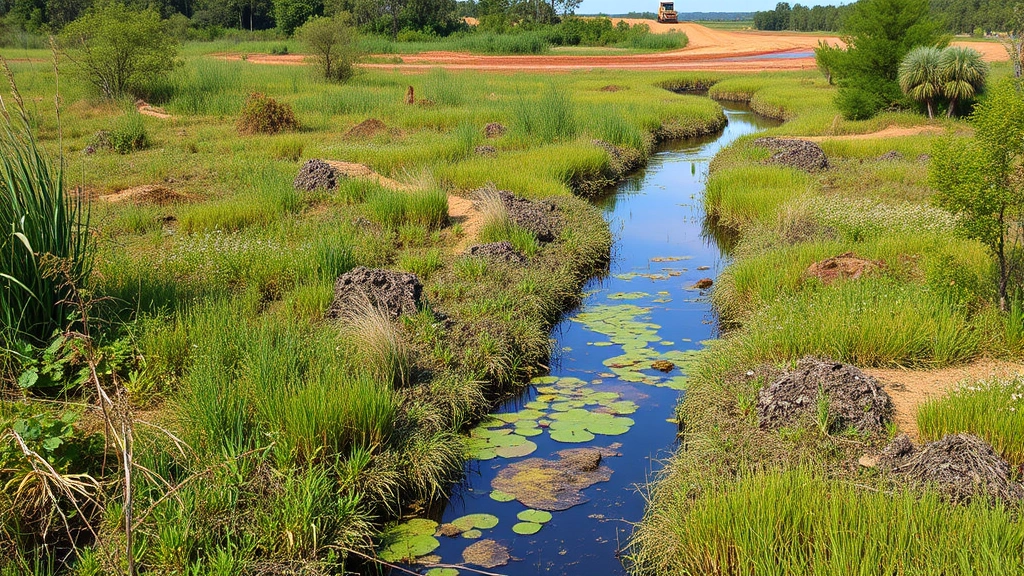
Ecosystem restoration represents an emerging sector with substantial employment potential. How to start a community garden initiatives exemplify how environmental restoration creates local employment while providing food security and community resilience benefits. Scaled to landscape levels, restoration ecology generates labor-intensive opportunities in developing regions with limited alternative employment.
Policy Frameworks That Maximize Green GDP Returns
Green investment effectiveness depends critically on policy design. Optimal frameworks incorporate multiple mechanisms:
Carbon pricing mechanisms (carbon taxes or cap-and-trade systems) internalize environmental externalities, making green investments economically competitive without subsidies. UNEP research demonstrates that carbon pricing at $50-100 per metric ton of CO2 equivalent generates sufficient incentives for green investment across most sectors while maintaining economic efficiency.
Directed industrial policy accelerates technology development and cost reduction. Strategic public investment in research, development, and early-stage deployment creates positive externalities that private markets underinvest in. Korea and Taiwan’s semiconductor and solar industries emerged through coordinated public-private strategies that generated sustained export revenues.
Workforce development programs address transition challenges. Proactive reskilling initiatives reduce unemployment duration and income losses for displaced workers, improving social equity while accelerating green economy transitions. Programs incorporating income support, technical training, and job placement demonstrate 70-80% successful transition rates.
Green finance mechanisms improve capital access for green investments. Green bonds, development bank concessional financing, and blended finance structures reduce borrowing costs for renewable energy, sustainable agriculture, and ecosystem restoration—increasing project viability in developing economies.
Supply chain development localizes green manufacturing, maximizing employment and value capture. Rather than importing renewable energy equipment, supporting domestic manufacturing creates multiplier benefits. India’s solar manufacturing expansion has generated 250,000+ direct and indirect jobs while reducing equipment costs 40% through scale and learning.
Circular economy integration extends green investment benefits through waste reduction and resource productivity. Electronics recycling, material reuse, and regenerative design create employment while reducing resource extraction costs. The circular economy could generate $4.5 trillion in economic benefits by 2030 while reducing resource extraction 28%.
Examining renewable energy for homes reveals how distributed green investment creates household-level economic benefits—reduced energy bills, property value appreciation, and energy independence—that aggregate into measurable macroeconomic impacts.
The Ecorise Daily Blog provides ongoing analysis of green investment trends, policy developments, and economic impacts across global markets, offering comprehensive coverage of how ecological economics translates into measurable GDP contributions.
International institutions increasingly recognize green investment’s GDP potential. The International Monetary Fund estimates that accelerated green investment could increase global GDP growth 0.3-0.5 percentage points annually while reducing climate risks. This represents trillions in additional economic value over decade-long periods.
Developing economies particularly benefit from green investment acceleration. Rather than replicating fossil fuel-dependent development paths, leapfrogging directly to renewable energy, sustainable agriculture, and green manufacturing avoids lock-in costs while capturing first-mover advantages in emerging sectors. Bangladesh’s renewable energy expansion and Kenya’s geothermal development demonstrate how green investment generates employment and energy security simultaneously.
FAQ
Do green investments actually increase GDP, or do they just redistribute existing economic activity?
Green investments generate genuine GDP increases through multiple mechanisms: avoided environmental costs, improved worker productivity, technological innovation spillovers, and resource productivity gains. While some redistribution occurs (fossil fuel sectors decline as renewable energy expands), net economic activity typically increases because green sectors create more employment per unit of output and generate greater innovation-driven productivity gains.
How long does green investment take to generate positive GDP returns?
Timeline varies by sector. Renewable energy installations generate positive returns within 3-5 years through operational savings and employment creation. Energy efficiency retrofits achieve payback within 5-10 years. Ecosystem restoration and regenerative agriculture require 5-15 years to achieve full productivity benefits. However, long-term returns (15-30 years) substantially exceed initial investments across all sectors.
Which countries have successfully demonstrated green investment GDP growth?
Denmark, Germany, Costa Rica, Uruguay, and Portugal have achieved 10-20% renewable energy penetration with simultaneous GDP growth exceeding global averages. Costa Rica has reached 99% renewable electricity generation while maintaining economic growth rates above Latin American averages. China’s renewable energy investments have generated 3+ million jobs while growing renewable capacity to 40% of total generation.
What about transition costs for workers in fossil fuel industries?
Transition costs are real and require policy attention. However, proactive reskilling programs, income support, and strategic green investment location near affected communities can minimize disruption. Germany’s experience demonstrates that 80%+ of displaced coal workers successfully transition to green sector employment when adequate support exists. Without support, adjustment becomes painful; with support, transitions generate net employment gains.
Do green investments reduce overall economic competitiveness?
Evidence suggests opposite. Green technology leaders (Denmark, Germany, China) have enhanced global competitiveness through exports of renewable energy equipment, electric vehicles, and efficiency technologies. Green investment generates innovation and productivity improvements that strengthen competitive positions. Nations delaying green transition risk losing technology leadership and market share to early adopters.
How do green investments affect developing economies differently than developed economies?
Developing economies benefit from lower renewable energy costs (solar and wind now cheaper than fossil fuels in most contexts), avoiding expensive fossil fuel infrastructure lock-in, and accessing technology at declining costs. However, they face greater financing constraints and less developed supply chains. Blended finance, technology transfer, and capacity building support can overcome these barriers, enabling developing economies to achieve faster green transitions with stronger GDP impacts.


