
10 Human Activities Impacting Ecosystems: Study Insights
Human civilization has fundamentally reshaped Earth’s ecosystems through unprecedented industrialization, agricultural expansion, and resource extraction. Over the past two centuries, our species has become the dominant force driving environmental change, altering atmospheric composition, disrupting biogeochemical cycles, and fragmenting habitats at scales that dwarf natural variability. Understanding the mechanisms through which human environment interaction degrades ecological systems is essential for developing effective mitigation strategies and transitioning toward sustainable economic models.
Recent scientific literature reveals that human-driven ecosystem degradation stems not from isolated activities but from interconnected systems of production, consumption, and waste generation. The United Nations Environment Programme documents how anthropogenic pressures cascade through food webs, alter climate patterns, and reduce biodiversity at rates exceeding natural extinction baselines by orders of magnitude. This comprehensive analysis examines ten critical human activities impacting ecosystems, synthesizing research from ecological economics, conservation biology, and environmental science to illuminate pathways toward regenerative practices.
1. Industrial Agriculture and Monoculture Farming
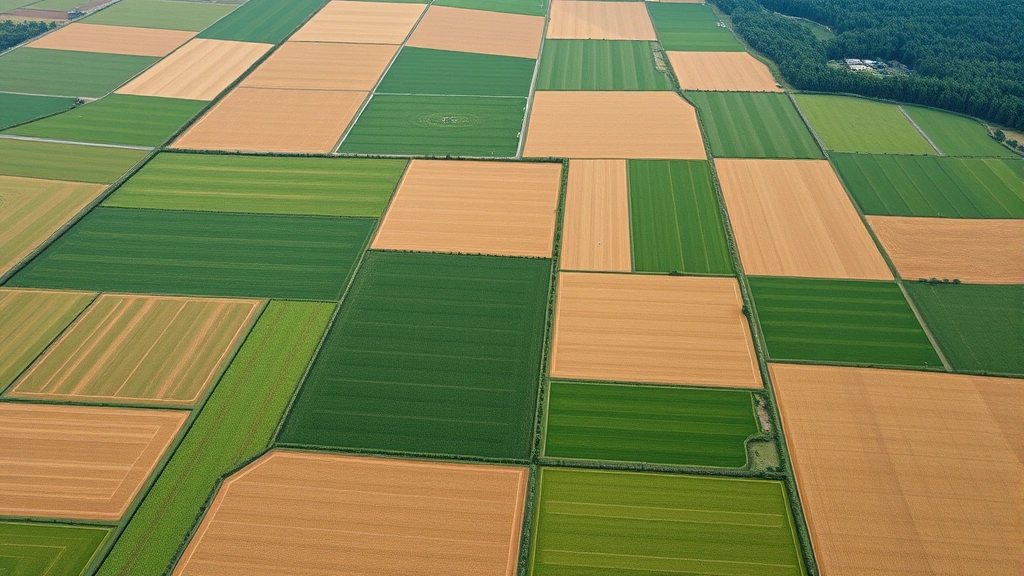
Industrial agriculture represents one of humanity’s most transformative yet ecologically destructive innovations. The shift from diverse polyculture systems to specialized monocultures optimized for commodity production has generated unprecedented yields while simultaneously eroding soil health, reducing agrobiodiversity, and contaminating aquatic ecosystems. Approximately 40% of Earth’s ice-free land surface is now dedicated to agriculture, yet this expansion has come at tremendous ecological cost.
Monoculture farming systems eliminate the structural and functional complexity that characterizes natural ecosystems. Where forests or grasslands once supported thousands of species across multiple trophic levels, single-crop plantations support minimal biodiversity. This homogenization increases vulnerability to pest outbreaks, requiring escalating pesticide applications that kill non-target organisms, disrupt pollinator populations, and persist in soil and groundwater for decades. The World Bank estimates that agricultural expansion drives approximately 80% of tropical deforestation, directly fragmenting habitats for endangered species while simultaneously contributing to climate change through land-use conversion.
Nitrogen fertilizer application in industrial agriculture has fundamentally altered global nitrogen cycling. Synthetic fertilizer production consumes approximately 2% of global energy supplies, while excess nitrogen runoff creates hypoxic dead zones in coastal waters worldwide. The Gulf of Mexico dead zone, fed by Mississippi River agricultural runoff, now spans over 8,000 square kilometers annually, eliminating oxygen-dependent marine life across vast areas.
2. Fossil Fuel Combustion and Climate Change
The combustion of coal, petroleum, and natural gas for energy production constitutes the primary driver of anthropogenic climate change, fundamentally altering atmospheric composition and disrupting Earth’s energy balance. Since industrialization, atmospheric carbon dioxide concentrations have increased from 280 parts per million to over 420 ppm, a rate of change unprecedented in geological history. This rapid forcing of the climate system cascades through ecosystems, disrupting phenological timing, shifting species ranges, and destabilizing ecological communities adapted to specific thermal regimes.
Climate change impacts ecosystems through multiple mechanisms simultaneously. Rising temperatures alter precipitation patterns, intensify drought and flood events, and extend growing seasons in ways that desynchronize species interactions. Coral bleaching events, driven by thermal stress, have devastated approximately 50% of global coral reefs, eliminating habitat for over one million marine species while simultaneously undermining food security for 500 million people dependent on coral reef fisheries. Montane ecosystems experience range compression as species migrate upslope seeking cooler conditions, ultimately encountering mountaintops and facing extinction.
The economic analysis of climate change impacts reveals staggering costs distributed unequally across populations. Intergovernmental Panel on Climate Change assessments project that unmitigated climate change could reduce global GDP by 5-20% by 2100, with developing nations experiencing disproportionate losses. Understanding these interconnections between energy systems and ecosystem function is essential for evaluating strategies to reduce carbon footprint across individual and institutional scales.
3. Deforestation and Habitat Fragmentation
Forest ecosystems occupy approximately 30% of global land area yet support over 80% of terrestrial species. Deforestation—the permanent conversion of forested land to non-forest uses—eliminates habitat, disrupts ecosystem services, and contributes substantially to climate change by releasing stored carbon. Current deforestation rates approximate 10 million hectares annually, with tropical regions experiencing the most intensive losses driven by cattle ranching, soy cultivation, and timber extraction.
Beyond direct habitat loss, deforestation fragments remaining forests into isolated patches, creating edge effects that cascade through ecological communities. Forest fragmentation increases exposure to wind, light, and temperature extremes, favoring generalist species while eliminating specialists requiring interior forest conditions. Predation pressure increases along edges, reproductive success declines for area-sensitive species, and genetic connectivity deteriorates as populations become isolated. The Nature Conservancy documents how fragmentation reduces biodiversity in remaining patches by 30-50% within decades, even when total habitat area remains constant.
The economic valuation of forest ecosystem services—including carbon sequestration, water purification, pollination, and climate regulation—reveals that deforestation generates short-term economic gains while imposing long-term costs far exceeding initial benefits. Ecological economics frameworks demonstrate that sustainable forest management preserves greater long-term value than conversion to agriculture or resource extraction.
4. Plastic Pollution and Ocean Contamination
Plastic pollution represents a quintessentially modern ecosystem stressor, with production increasing exponentially since the 1950s. Approximately 8 million metric tons of plastic enter oceans annually, persisting for centuries and fragmenting into microplastics that permeate food webs from zooplankton to apex predators. This persistent contamination disrupts endocrine systems, causes physical obstruction in digestive tracts, and carries absorbed toxic compounds into organisms.
Ocean plastic accumulates in gyres where currents converge, creating regions of extreme plastic concentration. The Great Pacific Garbage Patch contains estimated 80,000 metric tons of plastic distributed across an area larger than France. Seabirds, marine mammals, and sea turtles mistake plastic debris for food, with necropsies revealing stomachs filled with bags, fishing nets, and microplastics. Beyond direct ingestion, plastic particles provide vectors for persistent organic pollutants and heavy metals to accumulate in marine organisms, bioaccumulating through food chains and concentrating in apex predators and human seafood consumers.
The production, use, and disposal of plastics exemplifies fundamental economic inefficiencies in linear consumption models. Ellen MacArthur Foundation research demonstrates that transitioning to circular economy models—where materials cycle continuously without disposal—could reduce plastic pollution while generating economic value through material recovery and reuse.
5. Freshwater Extraction and Aquifer Depletion
Freshwater represents an essential but finite resource, with approximately 70% of human water use directed toward agriculture. Aquifer depletion occurs when extraction rates exceed natural recharge rates, a pattern now affecting major agricultural regions globally. The Ogallala Aquifer underlying the American Great Plains, which supplies 30% of United States groundwater irrigation, has experienced declines of 100 feet in some regions, with extraction rates 10 times natural recharge capacity.
Aquifer depletion generates cascading ecosystem impacts beyond water availability. Groundwater supports baseflow in streams and rivers, maintaining habitat for aquatic organisms during dry periods. Excessive extraction reduces baseflow, concentrating pollutants, elevating temperatures, and eliminating habitat for fish and invertebrates. Wetlands dependent on groundwater discharge disappear as water tables decline, eliminating crucial habitat for migratory birds and breeding amphibians.
The economic implications of aquifer depletion reveal fundamental unsustainability in current agricultural practices. Farmers extract subsidized groundwater at rates generating short-term profits while depleting capital stocks essential for long-term productivity. Ecological economics frameworks emphasizing natural capital preservation demonstrate that transitioning toward water-efficient agriculture and ecosystem restoration would generate greater long-term economic benefits than continued depletion.
6. Urban Sprawl and Landscape Conversion
Urban expansion represents a dominant land-use change globally, with urban areas increasing from 1% of global land area in 1900 to approximately 3% currently, with projections reaching 5-7% by 2050. Urban sprawl converts natural habitats to impervious surfaces, eliminating vegetation and fragmenting remaining natural areas into isolated patches insufficient to support viable populations of area-sensitive species.
Urban landscapes fundamentally alter hydrological cycles through impervious surface expansion. Concrete and asphalt prevent water infiltration, increasing stormwater runoff that concentrates pollutants and causes erosion while reducing groundwater recharge. Urban heat islands create localized temperature increases of 1-7°C relative to surrounding areas, altering microclimates and shifting species distributions. Light pollution disrupts circadian rhythms in nocturnal organisms, affecting reproduction, migration, and predator-prey interactions.
The environment definition within urban contexts increasingly incorporates green infrastructure—parks, green roofs, permeable pavements, and restored wetlands—that partially mitigates ecosystem impacts while providing human health and economic benefits. Research demonstrates that urban green spaces reduce stormwater pollution, lower ambient temperatures, improve mental health outcomes, and increase property values.
7. Mining Operations and Resource Extraction
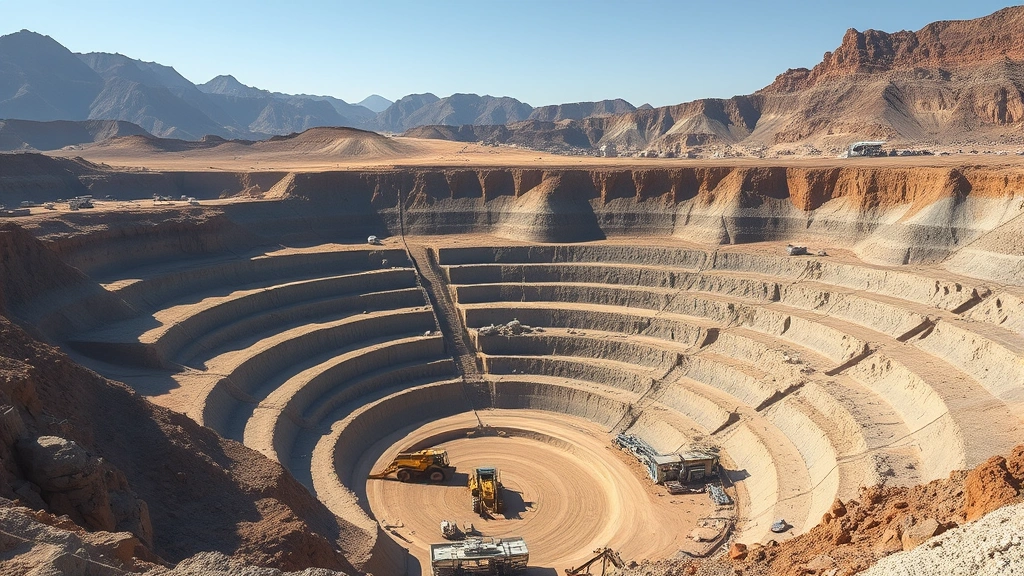
Mining for metals, coal, and minerals generates profound ecosystem disruption through habitat destruction, water contamination, and landscape conversion. Approximately 25 billion tons of waste rock and tailings are generated annually from mining operations, creating massive repositories of sulfide minerals that oxidize when exposed to air and water, generating acid mine drainage that persists for decades or centuries.
Acid mine drainage reduces pH to levels toxic for most aquatic organisms while releasing heavy metals that bioaccumulate in fish and invertebrates. The Berkeley Pit in Montana, an abandoned copper mine, contains over 45 billion gallons of acidic water rich in copper, iron, and other heavy metals, creating a ecological dead zone incapable of supporting aquatic life. Similar scenarios repeat globally wherever mining operations extract ore from sulfide-bearing rock.
Beyond chemical contamination, mining operations directly eliminate habitat through open-pit and mountaintop removal mining. Mountaintop removal in Appalachia flattens mountaintops to access coal seams, permanently converting forest habitat to grassland or barren rock and filling valley streams with mining waste. This practice has eliminated habitat for salamanders, songbirds, and other species while reducing water quality for downstream communities.
8. Overfishing and Marine Resource Depletion
Marine fisheries represent one of humanity’s most intensive resource extraction systems, with industrial fishing fleets removing approximately 90 million tons of fish annually. This extraction exceeds sustainable yield thresholds for most commercial species, causing population collapses that cascade through marine food webs. Atlantic cod populations, which supported colonial North American economies for centuries, collapsed in the 1990s from overfishing, eliminating habitat structure previously provided by abundant large predators.
Overfishing disrupts ecosystem structure by removing top predators and reducing size diversity within populations. Fishing gear—particularly bottom trawls and dredges—destroys seafloor habitat accumulated over centuries, eliminating refuge for invertebrates and juvenile fish. Bycatch removes millions of tons of non-target organisms annually, including sea turtles, marine mammals, and juvenile fish of commercial species.
The economic analysis of overfishing reveals a tragedy of the commons where individual incentives to maximize extraction override collective interests in sustainable yields. Open-access fisheries lack property rights incentives for conservation, leading to competitive overharvesting that reduces long-term productivity. Transitioning toward rights-based management systems and marine protected areas has proven effective at rebuilding fish populations while maintaining economic viability.

9. Industrial Waste and Chemical Pollution
Industrial production generates vast quantities of chemical waste—heavy metals, persistent organic pollutants, and synthetic compounds—that contaminate soil, groundwater, and surface waters. Approximately 300-400 million tons of heavy metals are produced annually, with substantial proportions entering ecosystems through mining, smelting, and industrial discharge. Lead, mercury, cadmium, and other heavy metals persist indefinitely in ecosystems, bioaccumulating in organisms and causing neurological, reproductive, and developmental damage.
Persistent organic pollutants—including polychlorinated biphenyls, dichlorodiphenyltrichloroethane, and dioxins—resist environmental degradation and bioaccumulate through food chains. These compounds were produced extensively in industrial economies before regulations restricted their use, yet continue contaminating ecosystems decades after production ceased. Polar regions, despite minimal industrial activity, accumulate high concentrations of persistent organic pollutants through atmospheric transport and bioaccumulation in marine food chains, affecting indigenous communities dependent on traditional foods.
Chemical pollution exemplifies how industrial production externalizes environmental costs onto ecosystems and vulnerable populations. Ecological economics frameworks emphasize that true cost accounting must internalize pollution damages rather than permitting firms to discharge contaminants without compensation for ecosystem degradation and human health impacts.
10. Invasive Species Introduction and Ecological Disruption
Globalization has dramatically increased the rate at which species are transported beyond their native ranges, with invasive species now recognized as a primary driver of biodiversity loss. Approximately 20% of vascular plant species in Europe are non-native, and invasive species cause estimated economic damages exceeding $1.4 trillion globally through agricultural losses, ecosystem service disruption, and eradication efforts.
Invasive species disrupt ecosystems by outcompeting native species for resources, introducing novel diseases, and altering ecosystem processes. The brown tree snake, accidentally introduced to Guam from the Pacific, has driven multiple bird species to extinction and dramatically reduced forest productivity through suppression of pollinator and seed-disperser populations. Zebra mussels in North American freshwaters clog water intake pipes, disrupt native mussel communities, and alter nutrient cycling through massive filtration of phytoplankton.
The economic valuation of invasive species impacts reveals that prevention through biosecurity measures costs far less than eradication or damage mitigation. Early detection and rapid response systems prove most cost-effective, yet require sustained investment in monitoring and management infrastructure often lacking in developing nations and regions with limited conservation budgets.
Understanding these ten human activities reveals interconnected systems of resource extraction, production, and consumption that fundamentally alter Earth’s ecosystems. Transitioning toward sustainable economic models requires simultaneously addressing multiple stressors through integrated approaches incorporating ecosystem restoration, renewable energy adoption, circular economy principles, and regenerative agriculture practices that work with natural systems rather than against them.
FAQ
What is the single most damaging human activity to ecosystems?
No single activity dominates ecosystem degradation globally; rather, multiple stressors interact synergistically. However, agricultural expansion—driven by industrial monoculture farming and livestock production—represents the largest direct driver of habitat loss, affecting approximately 50% of terrestrial ecosystems. When coupled with climate change from fossil fuel combustion, these two activities generate cascading impacts exceeding other individual stressors.
How do human activities affect specific ecosystems differently?
Ecosystem vulnerability to human activities varies based on inherent resilience, recovery capacity, and stressor exposure. Tropical rainforests experience intense pressure from deforestation and agricultural conversion, while polar ecosystems face climate change impacts and chemical pollution. Freshwater ecosystems are particularly vulnerable to water extraction and pollution, while coastal systems suffer from overfishing, plastic pollution, and nutrient runoff simultaneously.
Can ecosystem damage from human activities be reversed?
Ecosystem recovery is possible but depends on stressor removal and restoration investment. Removing invasive species, restoring habitat connectivity, reducing pollution inputs, and allowing natural regeneration can restore ecosystem functions within decades to centuries. However, some impacts—particularly species extinctions and deep aquifer depletion—are effectively irreversible on human timescales. Prevention through reducing human impact intensity remains more effective than attempting restoration.
How does understanding ecosystem impacts inform policy decisions?
Scientific understanding of human-ecosystem interactions enables cost-benefit analysis comparing ecosystem preservation against resource extraction, informing regulatory frameworks and economic incentives. Evidence that ecosystem services—water purification, pollination, climate regulation—generate greater economic value than extraction justifies conservation investments and sustainable management transitions.
What role does consumer behavior play in ecosystem impacts?
Consumer choices driving demand for agricultural commodities, seafood, and manufactured goods directly determine production intensity and ecosystem pressure. Reducing meat consumption decreases agricultural land requirements, choosing sustainable fashion brands reduces chemical pollution from textile production, and supporting sustainable fisheries prevents overharvesting. Aggregate consumer behavior fundamentally shapes production systems and associated ecosystem impacts.
How do developed and developing nations differ in ecosystem impact?
Developed nations generate ecosystem impacts primarily through consumption patterns and industrial production, while developing nations experience impacts through resource extraction for global markets and agricultural expansion driven by poverty and population growth. However, consumption in wealthy nations drives global production systems, meaning wealthy nation citizens bear responsibility for ecosystem impacts throughout supply chains regardless of geographic location.