AI’s Environmental Impact: A Deep Dive Analysis
Artificial intelligence has emerged as one of the most transformative technologies of the 21st century, yet its environmental consequences remain largely underexamined in mainstream discourse. While AI promises unprecedented efficiency gains and solutions to complex problems, the infrastructure required to power these systems demands enormous quantities of energy, water, and rare earth minerals. Understanding how humans affect the environment through technological advancement requires examining AI’s multifaceted ecological footprint across its entire lifecycle—from data center operations to manufacturing and eventual e-waste generation.
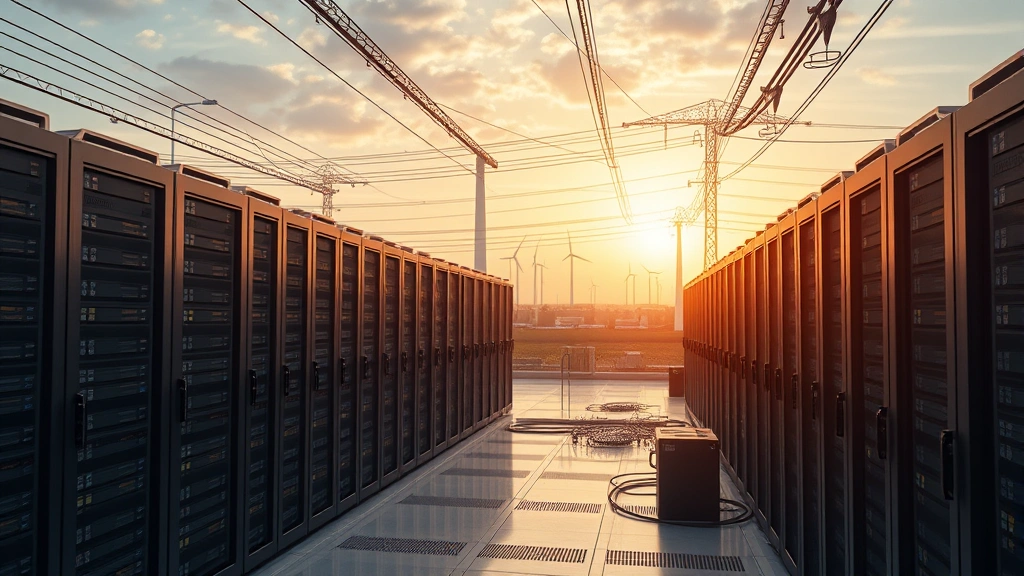
The paradox of artificial intelligence lies in its dual nature: it can simultaneously accelerate environmental degradation while offering tools for ecological restoration. Data centers housing AI systems consume approximately 1-2% of global electricity, a figure projected to increase significantly as machine learning applications proliferate across industries. This energy consumption translates directly into greenhouse gas emissions, freshwater depletion, and habitat disruption. The economic implications are equally profound, as energy costs and resource scarcity will increasingly shape the competitive landscape of the AI industry, forcing a reckoning between technological advancement and ecological sustainability.
This analysis examines the environmental economics of artificial intelligence, exploring the hidden costs embedded in AI systems and the systemic changes necessary to align technological progress with planetary boundaries. By adopting an ecological economics perspective, we can move beyond simple carbon accounting to understand how AI infrastructure intersects with types of environment degradation and economic inequality.

Energy Consumption and Carbon Emissions
The energy footprint of artificial intelligence extends far beyond the moment of inference—the point at which a trained model generates a prediction or response. Training large language models and deep neural networks requires computational resources that dwarf traditional software development. OpenAI’s GPT-3, for instance, consumed an estimated 1,287 megawatt-hours of electricity during its training phase, equivalent to the annual energy consumption of approximately 130 American households. This calculation, however, represents only the direct energy cost and excludes embodied emissions from infrastructure manufacturing and cooling systems.
Data centers operate continuously, maintaining optimal temperature ranges despite ambient conditions. Cooling infrastructure accounts for approximately 30-40% of total data center energy consumption, creating a cascading demand for electricity that intensifies during warmer months and in geographically vulnerable regions. The geographic concentration of AI infrastructure exacerbates regional energy stress; major cloud computing providers cluster facilities in areas with historically cheap electricity, often in water-scarce regions where hydroelectric dams have already disrupted aquatic ecosystems. This localized environmental impact raises critical questions about environmental justice and the distribution of technological benefits versus ecological burdens.
The carbon intensity of electricity grids varies dramatically by region, making the location of data centers a crucial environmental variable. A data center powered by renewable energy presents a fundamentally different environmental profile than one relying on coal or natural gas. However, the rapid growth of AI demand has outpaced renewable energy deployment in many regions, forcing continued reliance on fossil fuels. Human-environment interaction through AI infrastructure represents a complex negotiation between technological capability and ecological capacity, mediated through energy markets that fail to price environmental externalities accurately.
According to research from the International Energy Agency, data centers and computing represent approximately 2-3% of global greenhouse gas emissions—comparable to the aviation industry. This proportion is expected to increase as AI adoption accelerates across sectors including finance, healthcare, manufacturing, and scientific research. The environmental cost of training a single large language model can exceed the lifetime carbon emissions of five American automobiles, yet these costs remain invisible to end users who interact with AI systems through simple interfaces that obscure the computational complexity beneath.
Water Usage and Thermal Stress
Water consumption in data centers represents one of the most underappreciated environmental impacts of AI infrastructure. Cooling systems require enormous quantities of freshwater, with estimates ranging from 15,000 to 50,000 gallons per megawatt-hour of electricity generated. In water-stressed regions, this demand directly competes with agricultural irrigation, municipal supplies, and ecosystem maintenance flows. The Colorado River Basin, which supplies water to seven U.S. states, faces historic drought conditions partly exacerbated by competing demands from data center expansion in Arizona and Nevada.
Thermal pollution compounds the water stress problem. Data centers discharge heated water back into aquatic systems, raising water temperatures and disrupting the reproductive cycles of temperature-sensitive species including salmon, trout, and freshwater mussels. This phenomenon represents an externality—an unpriced cost borne by ecosystems and downstream communities rather than by the corporations operating data centers. From an ecological economics perspective, water should be valued at its replacement cost and scarcity rent, yet most water pricing systems fail to capture these values, creating perverse incentives for wasteful consumption.
Emerging research from the United Nations Environment Programme indicates that water stress will become an increasingly critical constraint on data center expansion. Some regions have begun implementing water-use restrictions on new data center construction, signaling a shift toward more stringent environmental regulation. However, the patchwork nature of water governance means that corporations can relocate facilities to jurisdictions with weaker environmental standards, creating a regulatory arbitrage that undermines global sustainability efforts.
Mining and Raw Material Extraction
The physical infrastructure supporting AI systems requires vast quantities of rare earth elements, copper, cobalt, and lithium. These materials power the processors, memory systems, and battery backups essential to data center operations. Mining these materials generates severe environmental damage including deforestation, soil contamination, and water pollution. The cobalt mining industry in the Democratic Republic of Congo, which supplies approximately 70% of global cobalt, operates with minimal environmental regulation, resulting in acid mine drainage that contaminates agricultural land and drinking water sources.
The economic geography of AI infrastructure creates a troubling pattern: wealthy nations consume AI services while developing nations bear the environmental costs of resource extraction. This dynamic reflects what ecological economists term ecologically unequal exchange—a situation where the true environmental costs of goods are externalized to vulnerable populations with limited political power to resist. The built environment of data centers, from semiconductor fabrication plants to mining operations, represents a global infrastructure of environmental exploitation.
Semiconductor manufacturing alone consumes approximately 700 million gallons of ultrapure water daily, and the extraction of rare earth elements generates radioactive tailings that remain hazardous for millennia. The World Bank estimates that mining-related environmental degradation costs developing nations approximately 2-5% of annual GDP, yet these costs are rarely reflected in the price of technological goods. This represents a massive subsidy from ecosystems and poor communities to wealthy technology consumers.
E-Waste and Circular Economy Challenges
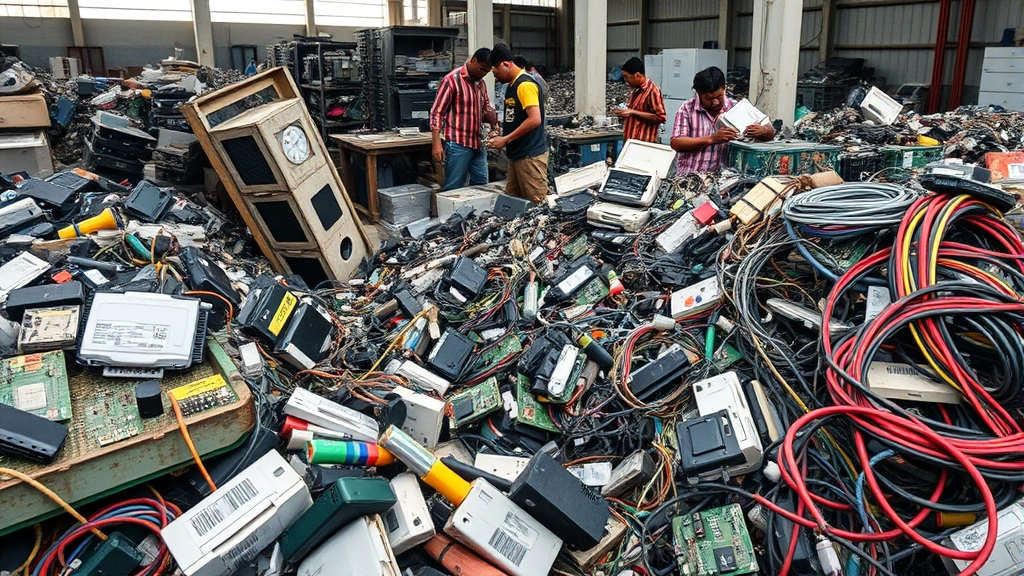
As AI systems become obsolete or are replaced with newer hardware, the resulting e-waste creates a persistent environmental legacy. Electronic waste contains toxic substances including lead, mercury, and cadmium, which leach into soil and groundwater when disposed improperly. Approximately 90% of global e-waste is processed in developing nations with minimal environmental protection, exposing workers and communities to hazardous materials while recovering only a fraction of valuable materials.
The rapid pace of AI development creates pressure for continuous hardware upgrades, shortening the useful life of equipment and accelerating the e-waste stream. A graphics processing unit (GPU) designed for AI applications may become economically obsolete within 3-5 years, even if technically functional. This creates a linear take-make-waste economy rather than a circular system where materials are recovered and reused. Transitioning to a genuine circular economy for AI hardware requires fundamental changes to manufacturing practices, product design, and end-of-life management, none of which are currently incentivized by market mechanisms.
The recovery rate for valuable materials from e-waste remains below 30% globally, meaning that the majority of minerals and metals are permanently lost from productive cycles. From an ecological economics perspective, this represents a massive destruction of natural capital—the stock of environmental assets that generate flows of ecosystem services. Once dissipated, these materials require new extraction from primary sources, perpetuating the cycle of environmental damage.
Ecosystem Disruption and Biodiversity Loss
The cumulative environmental impact of AI infrastructure extends beyond climate and water to direct habitat destruction and biodiversity loss. Data center construction requires land clearing, often in or near sensitive ecosystems. The thermal plumes from cooling water discharge alter aquatic community composition, favoring heat-tolerant species while displacing sensitive species. In some cases, data center operations have been linked to the local extinction of temperature-sensitive fish populations.
The fragmentation of landscapes for data center development, transmission lines, and mining operations disrupts wildlife corridors and reduces habitat connectivity. This fragmentation effect compounds the impacts of climate change, making it more difficult for species to adapt by shifting their geographic ranges. Biodiversity loss has cascading effects through food webs, potentially destabilizing entire ecosystems. The economic value of biodiversity loss—the foregone ecosystem services including pollination, water purification, and climate regulation—far exceeds the economic gains from AI development when properly calculated.
Research from ecological economics journals demonstrates that the shadow price of biodiversity loss (the true economic value when ecosystem services are valued correctly) would make many AI applications economically unviable. However, since biodiversity is typically treated as a free good with zero market price, these costs remain invisible in corporate accounting and investment decisions. This represents a fundamental market failure where private profits are enabled by socializing environmental costs.
Economic Externalities and Market Failures
The environmental impacts of AI infrastructure exemplify classic economic externalities—costs imposed on third parties (ecosystems and communities) who receive no compensation and have no say in the decision to incur them. Externalities create a wedge between private costs (what corporations pay) and social costs (what society pays through environmental degradation), leading to overproduction of the externality-generating good.
The World Bank and other multilateral institutions have documented how environmental externalities reduce long-term economic growth and increase inequality. When resource-rich but economically poor nations bear the environmental costs of AI development while technology corporations capture the economic benefits, the result is a transfer of wealth from poor to rich nations—a dynamic that perpetuates global economic inequality. This pattern contradicts the premise that technological advancement benefits all of humanity equally.
Market-based mechanisms including carbon pricing, water pricing, and mineral extraction taxes could theoretically internalize these externalities, forcing corporations to account for environmental costs in their business decisions. However, implementation remains politically difficult, as powerful technology corporations lobby for weak environmental regulations and subsidized resource access. The definition of environment science encompasses these economic dimensions, recognizing that environmental problems are fundamentally problems of resource allocation and distribution.
Empirical research from ecological economics demonstrates that when environmental costs are properly internalized, the profitability of many AI applications declines substantially. This suggests that current AI expansion is driven partly by environmental subsidies—the failure to charge corporations for the environmental damage they cause. Correcting these market failures would require comprehensive environmental regulation and pricing mechanisms, which remain politically elusive despite growing scientific consensus on their necessity.
Pathways to Sustainable AI
Transitioning to sustainable AI requires systemic changes across multiple dimensions: energy systems, manufacturing practices, regulatory frameworks, and business models. The most immediate opportunity lies in decarbonizing electricity grids, enabling data centers to operate on renewable energy. However, this transition must occur rapidly enough to keep pace with AI demand growth—a challenge that requires unprecedented investment in renewable energy infrastructure.
Technological efficiency improvements offer additional leverage. Developing more efficient algorithms, optimizing hardware designs, and implementing dynamic power management can reduce energy consumption per unit of computation. However, efficiency improvements alone cannot solve the problem due to rebound effects—when technologies become more efficient, users tend to expand their use, partially offsetting efficiency gains. Therefore, efficiency must be coupled with demand management and business model innovation.
Circular economy principles applied to AI hardware could substantially reduce mining impacts and e-waste. Extended producer responsibility (EPR) policies, where manufacturers bear responsibility for end-of-life management, create incentives for designing durable, repairable, recyclable products. Some technology companies have begun implementing EPR programs, but these remain exceptions rather than industry standards. Mandating circular design principles through regulation could accelerate the transition.
Water stewardship represents another critical pathway. Data centers can implement closed-loop cooling systems that recirculate water rather than drawing continuously from local sources. Some facilities have begun using alternative cooling technologies including free air cooling (utilizing ambient air rather than water) and immersion cooling (submerging hardware in conductive fluids). Expanding these technologies, particularly in water-stressed regions, could substantially reduce freshwater consumption.
Perhaps most importantly, society must reconsider whether all AI applications justify their environmental costs. Not every predictive algorithm, generative model, or automation system delivers genuine value commensurate with its ecological impact. A precautionary approach would require environmental impact assessments and cost-benefit analyses that properly value environmental costs before deploying new AI systems at scale. This represents a fundamental shift from the current model where environmental costs are ignored and only technological feasibility and profit potential are considered.
The EcoriseDaily Blog explores these themes in depth, examining how technological systems intersect with environmental and economic systems. Sustainable AI requires integrating these perspectives, recognizing that environmental sustainability and economic viability are inseparable in the long term.
Research from institutions like the World Bank and Ecological Economics journal provides empirical grounding for these arguments, demonstrating that environmental degradation imposes substantial economic costs that far exceed the benefits of unsustainable technological expansion. Policy makers must integrate these findings into regulatory frameworks, pricing mechanisms, and investment decisions.
FAQ
How much energy does AI actually consume compared to other industries?
AI and data center operations consume approximately 1-2% of global electricity, comparable to the aviation industry. However, this proportion is growing rapidly, potentially reaching 10% or higher within the next decade if current trends continue. When accounting for embodied energy in manufacturing and mining, the total energy footprint is substantially higher.
Can renewable energy solve AI’s environmental problems?
Renewable energy is necessary but insufficient. While transitioning data centers to renewable power would eliminate direct carbon emissions, it would not address water consumption, mining impacts, e-waste generation, or ecosystem disruption. Additionally, renewable energy deployment itself requires mineral extraction and land use, creating trade-offs that must be carefully managed.
Is AI necessary for solving climate change?
AI can contribute to climate solutions through optimization of energy systems, agricultural practices, and resource management. However, the environmental costs of AI development and deployment must be weighed against these benefits. In many cases, simpler technological approaches or behavioral changes might achieve similar outcomes with lower environmental costs.
What can consumers do about AI’s environmental impact?
Consumers can reduce their AI-related environmental footprint by limiting use of computationally intensive applications, supporting policies for stronger environmental regulations on technology companies, and advocating for transparency in environmental impact reporting. However, individual actions are insufficient; systemic changes in regulation, pricing, and corporate incentives are essential.
Will AI efficiency improvements eliminate environmental concerns?
Efficiency improvements are valuable but subject to rebound effects. As AI becomes more efficient and less expensive, demand tends to increase, partially offsetting efficiency gains. Therefore, efficiency improvements must be coupled with demand management and regulatory constraints to achieve genuine environmental benefits.
How do environmental costs of AI compare to its economic benefits?
When environmental costs are properly valued, many AI applications generate negative net social benefit—costs to society exceed economic gains. However, this calculation depends on correct valuation of environmental damages, which remains politically contentious. Research from ecological economics indicates that true environmental costs are typically 2-5 times higher than costs currently recognized in corporate accounting.


