Is the Pacific Economy Sustainable? Analyst Insights on the Pacific Environment
The Pacific region represents one of the world’s most economically dynamic yet environmentally vulnerable areas. Home to over 2 billion people across island nations, coastal communities, and major economic powers, the Pacific economy generates trillions in annual output while simultaneously facing unprecedented ecological pressures. From fisheries collapse to coral bleaching, from maritime trade disruptions to climate-driven migration, the question of sustainability has moved from academic debate to urgent policy necessity. This analysis examines whether current economic models in the Pacific can persist without catastrophic environmental degradation.
Understanding Pacific sustainability requires examining the intersection of three critical domains: marine resource extraction, climate vulnerability, and economic dependency. Island nations derive 50-90% of their GDP from ocean-based activities, while larger economies like Australia and New Zealand maintain significant aquaculture and fishing industries. Simultaneously, these same regions face the most severe climate impacts globally, with sea-level rise threatening entire nation-states. The paradox is stark: the systems generating wealth are simultaneously destroying the environmental foundations upon which that wealth depends.
Marine Resource Extraction and Fisheries Collapse
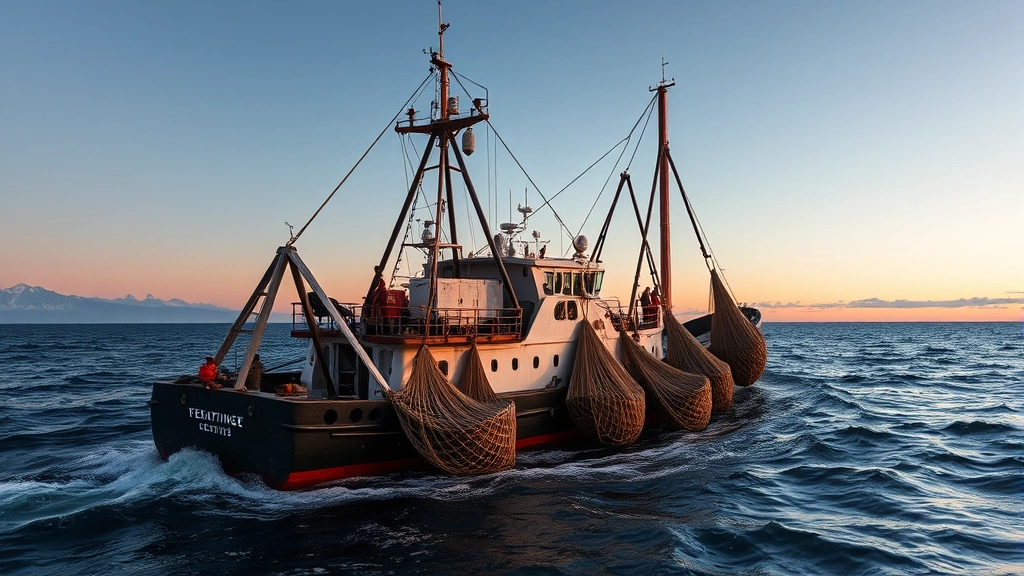
The Pacific Ocean contains approximately 60% of global fish stocks, yet overfishing has reduced many species populations by 70-90% over the past three decades. Tuna, skipjack, and yellowfin stocks—critical to Pacific island economies—face unsustainable harvest rates. According to World Bank assessments, Pacific island nations depend on fishing for food security and export revenue, with some nations deriving up to 40% of government revenue from fishing licenses alone.
The economics of overfishing reveals a fundamental sustainability problem. Individual fisheries operators face incentives to maximize short-term catch, as competitors will exploit remaining stocks regardless of conservation efforts. This tragedy of the commons dynamic, extensively documented in ecological economics literature, creates a race-to-the-bottom scenario where rational individual behavior produces collectively irrational outcomes. A single Pacific island nation cannot unilaterally reduce fishing pressure when foreign vessels operate in international waters adjacent to their exclusive economic zones.
Industrial fishing fleets from China, Japan, South Korea, and Russia operate extensively in Pacific waters, often with minimal oversight. Illegal, unreported, and unregulated (IUU) fishing costs Pacific nations an estimated $600 million annually in lost revenue while further depleting stocks. The United Nations Environment Programme has documented how inadequate monitoring capacity in developing Pacific nations enables widespread violations of fishing agreements. Port state control measures remain inconsistently enforced, allowing vessels to offload catch in third-party ports without documentation.
Aquaculture expansion, promoted as a sustainability solution, has created new environmental problems. Salmon and shrimp farming operations in Australia, New Zealand, and Fiji generate significant pollution, disease transmission to wild populations, and habitat destruction. Yet these industries represent crucial employment and export income, creating a tension between ecological and economic imperatives. The sustainable definition of human environment interaction remains contested when economic survival depends on practices that degrade the environment.
Climate Vulnerability and Economic Risk
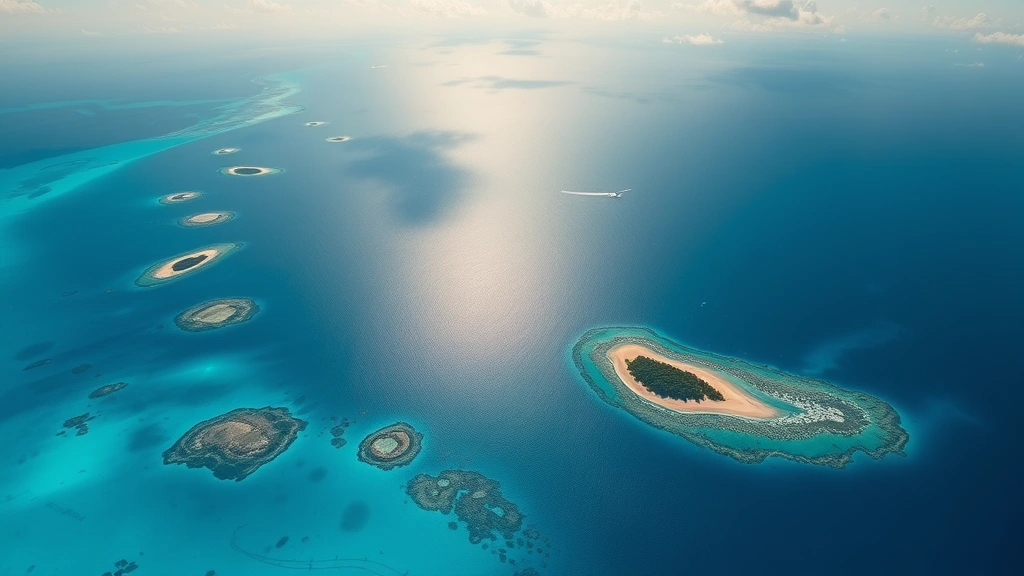
Pacific island nations face existential climate threats that undermine any long-term economic planning. Sea-level rise of 1-3 meters by 2100 would submerge low-lying atoll nations like Kiribati, Marshall Islands, and Tuvalu entirely. Even without complete submersion, saltwater intrusion contaminates freshwater aquifers, agricultural productivity declines, and infrastructure becomes uninhabitable. The economic costs are staggering: some projections suggest climate impacts could reduce Pacific island GDP by 10-30% by mid-century.
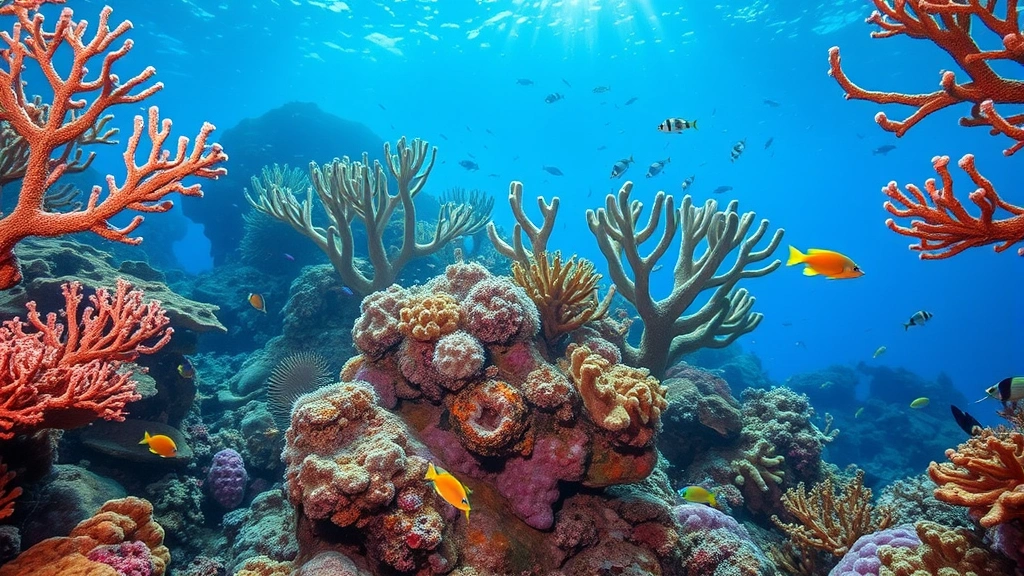
Coral bleaching events, intensifying with warming ocean temperatures, have destroyed 50% of coral cover in some Pacific regions. Coral reefs generate $375 billion annually in ecosystem services globally, providing fish habitat, coastal protection, and tourism revenue. The 2016-2017 bleaching event cost Pacific nations hundreds of millions in lost fisheries and tourism income. Unlike traditional economic shocks with recovery timelines measured in years, coral ecosystem recovery requires decades of favorable conditions increasingly unlikely under current climate trajectories.
Cyclone intensification represents another climate-driven economic threat. Category 4-5 cyclones have increased in frequency, with devastating impacts on infrastructure, agriculture, and fishing capacity. Cyclone Winston (2016) caused $400 million in damage to Fiji alone. Insurance mechanisms fail to adequately protect vulnerable island economies, as premiums become unaffordable while risk increases. The economic model breaks down when disaster recovery costs exceed annual GDP.
Climate migration represents a secondary economic impact. As environmental conditions deteriorate, populations migrate to larger nations, creating demographic and fiscal challenges. Australia and New Zealand already face pressure from climate-displaced Pacific populations, while sending countries lose human capital and remittance sources. The blog home explores these interconnections extensively, though the full scope of climate-driven economic disruption remains underestimated in mainstream economic models.
Island Economies: Structural Constraints to Sustainability
Pacific island economies face inherent structural disadvantages that constrain sustainable development pathways. Small population sizes (many nations have fewer than 100,000 people) limit economies of scale, create dependency on single industries, and prevent diversification. Import dependency ranges from 50-80% of consumption in many island nations, generating trade deficits and currency vulnerabilities. These islands cannot produce food, energy, or manufactured goods competitively, yet transportation costs make imports extremely expensive.
Remoteness from major markets creates permanent competitive disadvantages. Manufacturing cannot compete with Asian producers, agricultural products face tariff barriers, and tourism remains vulnerable to global economic cycles and health crises. The COVID-19 pandemic devastated Pacific tourism economies, reducing government revenue by 40-70% in some nations. Recovery proved slower than in larger economies due to limited economic diversification and external financing constraints.
Land scarcity compounds these challenges. Many island nations possess limited arable land, constraining agricultural expansion and renewable energy development. Vertical space limitations prevent large-scale solar or wind installations that larger nations develop. Population growth pressures create housing shortages, infrastructure strain, and environmental degradation from concentrated development. Waste management systems collapse under population pressure, with limited landfill capacity and ocean dumping becoming normalized despite environmental consequences.
Governance capacity remains limited in many Pacific nations. Corruption, political instability, and brain drain of educated professionals undermine institutional effectiveness. Developing comprehensive climate adaptation strategies, implementing fisheries management systems, or transitioning to renewable energy requires technical expertise and financial resources that many island nations lack. International aid provides 30-50% of government budgets in some nations, creating dependency relationships that constrain policy autonomy.
Transitioning to Blue Economy Models
The “blue economy” framework proposes sustainable ocean-based development through marine conservation, sustainable fisheries, renewable energy, and ocean biotechnology. Pacific nations have embraced blue economy concepts, with the Pacific Islands Forum adopting ambitious ocean governance targets. However, implementation faces significant constraints.
Sustainable fisheries require reducing catch quotas, implementing marine protected areas (MPAs), and investing in monitoring systems. These measures reduce short-term income but theoretically ensure long-term fish stock recovery. Yet island nations face pressure to maximize immediate revenue due to debt obligations and development needs. A nation cannot sacrifice current food security and government revenue for uncertain future benefits when populations face immediate poverty.
Renewable energy transition offers potential, with Pacific islands possessing excellent solar, wind, and geothermal resources. However, transition requires massive upfront capital investment ($5-10 billion for regional transition) and technological expertise. Renewable energy for homes represents one pathway, though island-scale energy systems require different infrastructure. Battery storage technology remains expensive, creating grid reliability challenges for islands dependent on renewable sources with variable output.
Ocean biotechnology and seaweed farming represent emerging opportunities. Seaweed cultivation provides carbon sequestration, fish feed alternatives, and potential pharmaceutical compounds. Some Pacific nations have begun pilot programs, though scaling requires market development and technical capacity. Sustainable how to reduce carbon footprint strategies increasingly incorporate ocean-based solutions, though evidence of economic viability at scale remains limited.
Tourism transition toward sustainable models could generate employment while preserving ecosystems. However, tourism remains vulnerable to external shocks and creates environmental pressures through infrastructure development, waste generation, and resource consumption. The optimal tourism level balances economic benefits against ecological carrying capacity—a calculation few Pacific nations have rigorously conducted.
Policy Frameworks and Governance Gaps
International agreements including the Paris Climate Accord and Sustainable Development Goals establish sustainability targets, yet enforcement mechanisms remain weak. Pacific island nations participate in regional fisheries management organizations (RFMOs) but lack enforcement capacity and face pressure from powerful fishing nations. The Western and Central Pacific Fisheries Commission sets catch limits, yet compliance monitoring depends on voluntary reporting from fishing vessel operators.
Debt sustainability creates perverse incentives for resource exploitation. Pacific island nations accumulated $12-15 billion in external debt, with annual debt servicing consuming 15-25% of government revenue in some nations. High debt burdens force governments to maximize resource extraction and foreign investment, regardless of environmental consequences. Debt-for-nature swaps and blue bonds offer potential relief, but require donor nation support and sophisticated financial mechanisms.
Trade agreements often prioritize access to natural resources. Fishing licenses, logging rights, and mineral extraction agreements with foreign companies generate immediate government revenue but lock nations into extractive economic models. Renegotiating these agreements proves politically difficult when governments depend on the income. The environment quotes highlighting this tension between economic necessity and ecological integrity resonate throughout Pacific policy debates.
Marine spatial planning represents a governance innovation with promise. Comprehensive zoning of ocean areas designates conservation zones, sustainable fishing areas, renewable energy sites, and shipping corridors. However, implementation requires significant data collection, stakeholder engagement, and enforcement capacity. Few Pacific nations have completed comprehensive marine spatial plans, and fewer still have effectively enforced them against competing economic interests.
Future Scenarios: Sustainable or Collapse?
Three plausible scenarios emerge from current trajectories: managed transition, gradual degradation, and systemic collapse.
Managed Transition Scenario: Pacific nations receive substantial international climate finance ($50-100 billion annually) enabling renewable energy transition, ecosystem restoration, and economic diversification. Fishing quotas decline 20-30% but marine protected areas recover stocks within 15-20 years. Tourism transitions to sustainable models, generating comparable revenue with lower environmental impact. Island nations develop ocean biotechnology industries, creating high-value employment. Climate adaptation investments protect critical infrastructure, though some migration becomes necessary. This scenario requires unprecedented international cooperation, technology transfer, and financing—unlikely given current political commitments.
Gradual Degradation Scenario: Current trends continue with incremental improvements insufficient to prevent ecological collapse. Fish stocks continue declining, coral reefs degrade further, and climate impacts intensify. Economic growth slows as environmental constraints bind more tightly. Some island nations experience state failure, with governance collapse and humanitarian crises. International aid becomes increasingly focused on crisis response rather than prevention. This scenario represents the most likely trajectory under current policy frameworks and financing levels.
Systemic Collapse Scenario: Cascading environmental failures trigger rapid economic and social breakdown. Fish stocks collapse completely, eliminating food security and export income simultaneously. Sea-level rise accelerates beyond current projections, forcing rapid mass migration. Climate-driven conflict over remaining resources destabilizes the region. Multiple island nations become uninhabitable, creating climate refugee crises affecting neighboring countries. Economic collapse triggers debt default cascades and institutional failure. While less probable than gradual degradation, this scenario becomes increasingly plausible if climate impacts exceed upper-bound projections and adaptation capacity proves inadequate.
Current evidence suggests the region is tracking toward the gradual degradation scenario, with insufficient policy action to enable managed transition. The Pacific’s economic unsustainability appears structural rather than cyclical—built into fundamental dependencies on depleting natural resources and vulnerable to climate impacts beyond adaptation capacity. Without transformative policy changes, technological breakthroughs, and massive international support, the Pacific economy faces decades of declining prosperity culminating in potential systemic failure.
FAQ
What percentage of Pacific island economies depends on fishing?
Fishing contributes 10-40% of GDP in most Pacific island nations, with some nations like Kiribati and Marshall Islands exceeding 50% dependency. Beyond direct GDP contribution, fishing provides food security for millions of people and generates government revenue through fishing license sales.
How much has coral cover declined in the Pacific?
Regional coral cover has declined 30-50% over the past 30 years, with some specific reefs experiencing 70%+ loss. The 2016-2017 bleaching event was particularly devastating, affecting approximately 75% of surveyed reefs across the Pacific. Recovery requires 10-20 years of favorable conditions increasingly unlikely under warming trends.
Can renewable energy replace fossil fuels in Pacific islands?
Technically yes, Pacific islands possess excellent renewable resources. However, implementation requires $5-10 billion regional investment, battery storage technology development, and grid modernization. Current financing and technical capacity support only gradual transition over 20-30 years, insufficient for climate targets requiring rapid decarbonization.
What is the blue economy and can it save Pacific economies?
The blue economy framework promotes sustainable ocean-based development through marine conservation, sustainable fisheries, and emerging industries like ocean biotechnology. While promising, blue economy models remain largely conceptual with limited proven scaling. Implementation faces capital constraints, market development challenges, and transition risks for communities dependent on extractive industries.
How much climate finance do Pacific nations receive?
Pacific island nations receive approximately $1-2 billion annually in climate-related finance, far below estimated needs of $50-100 billion annually for adequate adaptation and mitigation. Financing remains fragmented across multiple sources, often requiring significant co-financing from recipient nations with limited fiscal capacity.
Could Pacific island nations relocate populations to larger countries?
Some nations have explored planned relocation, though few countries accept climate migrants at scale. Relocation would require international agreements, massive financing, and cultural/social adjustments. Most Pacific island nations prioritize in-situ adaptation and negotiating for international climate action rather than accepting population displacement.