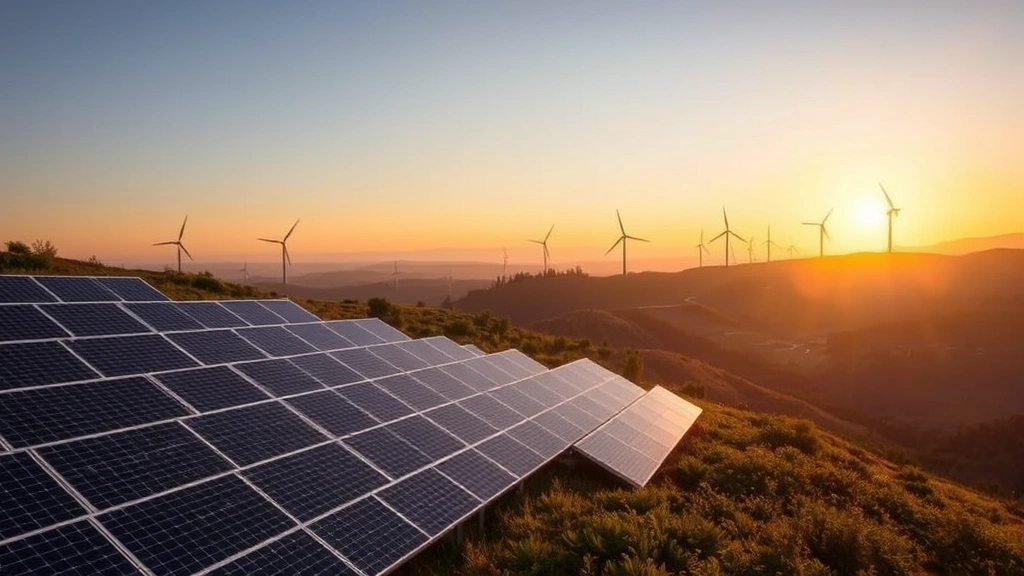
Impact of Climate Policy on Economy: A Study
Climate policy represents one of the most consequential economic interventions of our time, reshaping markets, investment patterns, and labor dynamics across sectors. As governments worldwide implement increasingly stringent environmental regulations, the intersection of climate action and economic performance has become a critical area of study for policymakers, economists, and business leaders. Understanding how climate policies affect economic growth, employment, and competitiveness requires rigorous analysis grounded in empirical evidence rather than ideological assumptions.
The relationship between climate policy and economic outcomes is neither uniformly positive nor negative—it depends on policy design, implementation timing, sectoral composition, and the broader macroeconomic context. Recent studies demonstrate that well-designed climate policies can generate substantial co-benefits including innovation acceleration, energy cost reductions, and job creation, while poorly conceived policies may impose transitional costs on vulnerable populations and carbon-intensive industries. This comprehensive analysis examines the mechanisms through which climate policies influence economic systems, synthesizing research from ecological economics, environmental science, and policy analysis.

Mechanisms of Climate Policy Economic Impact
Climate policies operate through multiple economic channels, each with distinct implications for growth, efficiency, and welfare. The primary mechanisms include carbon pricing (taxes and cap-and-trade systems), regulatory standards, subsidies for clean technologies, and investments in green infrastructure. Understanding these mechanisms requires examining how policies alter relative prices, investment incentives, and production costs across the economy.
Carbon pricing mechanisms—whether implemented as carbon taxes or emissions trading systems—increase the cost of greenhouse gas-intensive activities, creating financial incentives for emissions reduction. Environmental science principles suggest that internalizing environmental externalities through pricing improves allocative efficiency by reflecting the true social cost of carbon-emitting activities. When carbon prices are sufficiently high and credible, firms redirect capital investments toward lower-carbon technologies, accelerating the transition away from fossil fuel dependence.
Regulatory standards—such as vehicle emissions limits, building energy codes, and industrial efficiency requirements—mandate technological adoption without necessarily relying on price signals. These policies function through command-and-control mechanisms, specifying required performance levels while allowing flexibility in compliance methods. Research from World Bank climate initiatives demonstrates that regulatory approaches can drive rapid technology diffusion when standards are binding and enforcement credible, though they may impose higher compliance costs than market-based mechanisms.
Subsidy programs and public investment in renewable energy, electric vehicle infrastructure, and grid modernization represent direct government expenditures aimed at accelerating clean technology deployment. These policies reduce the capital costs and technological risks associated with transitioning to low-carbon systems, effectively subsidizing innovation and early-stage deployment. The economic efficiency of subsidies depends critically on whether they target genuine market failures or simply transfer rents to favored industries.

Empirical Evidence from Global Policy Implementation
Global experience with climate policy implementation provides substantial empirical evidence regarding economic impacts. The examples of environmental policy from different regions reveal considerable variation in outcomes based on policy design and contextual factors. The European Union’s Emissions Trading System (ETS), operating since 2005, offers one of the longest-running datasets on carbon pricing effects. Research analyzing ETS impacts shows that the system successfully reduced emissions in covered sectors while maintaining economic growth, though initial carbon prices were insufficient to drive rapid decarbonization.
Germany’s Energiewende (energy transition) provides another instructive case study, demonstrating both the potential and challenges of ambitious climate policy. The program achieved substantial renewable energy deployment—reaching 46% of electricity generation in 2022—while maintaining industrial competitiveness in most sectors. However, the transition generated significant costs through subsidies exceeding €500 billion, created electricity price volatility, and exposed vulnerabilities in grid infrastructure. Economic analyses of the Energiewende reveal that costs were front-loaded while benefits—including avoided climate damages and energy independence—accumulate over decades.
Nordic countries including Denmark, Norway, and Sweden implemented early climate policies while maintaining strong economic growth. These nations combined carbon pricing with substantial public investment in renewable infrastructure, resulting in electricity systems powered predominantly by hydroelectric and wind generation. Their experience suggests that climate policies need not constrain economic growth when coupled with complementary investments in human capital, research and development, and infrastructure modernization.
United States experience with the Clean Air Act and subsequent amendments demonstrates that environmental regulations can drive innovation and economic benefits. Studies of the acid rain trading program show that emissions reductions occurred at costs substantially below initial projections, as firms innovated more aggressively than anticipated. This pattern suggests that regulatory uncertainty and innovation dynamics can generate favorable economic outcomes even from policies designed primarily for environmental protection.
Sectoral Transformation and Labor Market Effects
Climate policies inevitably reshape sectoral composition and labor market dynamics. Coal mining, petroleum refining, and fossil fuel power generation face existential pressures under stringent carbon constraints, while renewable energy, energy efficiency, and low-carbon transportation sectors expand. Understanding these transitions requires analyzing employment effects, skills requirements, and regional economic dependencies.
Employment data from renewable energy sectors demonstrates substantial job creation potential. The International Renewable Energy Agency reports that renewable energy and energy efficiency sectors employed over 12 million people globally in 2022, with employment growing faster than fossil fuel sectors. However, these jobs concentrate geographically in regions with supportive policies and existing manufacturing capacity, while fossil fuel employment concentrates in specific coal and oil regions. This spatial mismatch creates substantial adjustment challenges for communities dependent on carbon-intensive industries.
The transition toward reduced carbon footprints requires workforce retraining and educational investment. Coal miners, petroleum engineers, and combustion specialists possess skills not directly transferable to renewable energy operations. Effective climate policies include provisions for workforce transition assistance, including income support, retraining programs, and regional economic diversification initiatives. Countries implementing robust transition support—including Germany’s coal phase-out agreement with affected regions—experience smoother labor market adjustments than those providing minimal assistance.
Service sector employment, particularly in energy efficiency retrofitting, building maintenance, and renewable installation, tends to grow under climate policies. These jobs typically require moderate skill levels, provide local employment, and resist offshoring, generating broader economic benefits beyond direct carbon reductions. Research from ecological economics perspectives emphasizes that employment quality and distributional impacts deserve equal analytical weight as aggregate employment effects.
Innovation and Technological Spillovers
Climate policies function as powerful innovation drivers by creating sustained demand for clean technologies and establishing policy credibility that justifies research investment. The relationship between policy stringency and innovation intensity has been extensively documented in patent analysis, research spending, and technology cost trajectories.
Renewable energy cost reductions exemplify policy-driven innovation dynamics. Solar photovoltaic costs declined 90% between 2010 and 2022, while wind turbine costs fell 70% over the same period. These reductions resulted from cumulative technological improvements, manufacturing scale economies, and learning-by-doing effects—all substantially accelerated by policies guaranteeing renewable energy markets through feed-in tariffs, renewable portfolio standards, and direct subsidies. Without policy-sustained demand, these technologies would have remained niche applications serving premium markets.
Battery technology provides another compelling innovation example. Lithium-ion battery costs declined from $1,100 per kilowatt-hour in 2010 to approximately $130 in 2023, making electric vehicles economically competitive with internal combustion vehicles. This transformation resulted from policies mandating vehicle electrification, subsidizing early adoption, and supporting battery manufacturing capacity. The innovation trajectory demonstrates how policy certainty enables massive private capital deployment in technology development.
Technological spillovers extend beyond direct policy beneficiaries. Renewable energy innovations improve grid management technologies, energy storage systems, and demand-response capabilities—innovations with applications across the energy system. Electric vehicle development generates advances in battery chemistry, lightweight materials, and power electronics with spillovers into consumer electronics and industrial applications. These positive externalities suggest that climate policy innovation benefits exceed direct carbon reduction values.
Transitional Costs and Distributional Impacts
While climate policies generate substantial long-term benefits, they impose concentrated transitional costs on specific populations and regions. Analyzing distributional impacts requires examining who bears costs and who captures benefits, recognizing that aggregate economic measures obscure significant heterogeneity in policy effects.
Low-income households experience disproportionate energy cost impacts from carbon pricing. When carbon taxes increase fossil fuel prices, energy expenditure burdens fall heavily on households spending large income shares on heating, cooling, and transportation. Without complementary policies, carbon pricing can increase inequality and energy poverty. Progressive policy design incorporating carbon dividend rebates, targeted subsidies for efficiency retrofits, and public transit investment mitigates these regressive impacts. UNEP research on climate economics emphasizes that policy design determines distributional outcomes rather than policy necessity.
Carbon-intensive industries face substantial stranded asset risks and competitive pressures. Fossil fuel reserves, coal plants, and petroleum refineries represent capital investments justified by assumptions about future energy demand. Climate policies that accelerate decarbonization reduce the economic value of these assets, creating losses for shareholders and workers. Some analyses suggest that unmanaged transitions could destroy $1-4 trillion in fossil fuel asset value, though this represents avoided climate damages from the broader societal perspective.
Regional economies dependent on fossil fuel extraction and processing face severe adjustment challenges. Coal mining regions in Appalachia, the Ruhr Valley, and Poland; oil-dependent economies in the Gulf states; and petroleum refining centers face fundamental restructuring pressures. Successful transitions require sustained public investment in economic diversification, workforce development, and infrastructure modernization. Regions implementing proactive transition strategies experience better outcomes than those hoping market forces will generate spontaneous adjustment.
Long-term Economic Growth Trajectories
The ultimate economic impact of climate policy depends on long-term growth trajectories and avoided climate damages. Short-term policy costs must be weighed against decades of avoided climate impacts, avoided energy price volatility, and technology cost reductions.
Climate damages accumulate substantially over time. Crop yield reductions from changing precipitation patterns, infrastructure damage from extreme weather events, health impacts from heat stress and pollution, and ecosystem service losses from biodiversity decline represent tangible economic costs. World Bank economic analyses estimate that unmitigated climate change could reduce global GDP by 10% or more by 2100, with larger impacts on vulnerable developing economies.
Climate policy investments generate returns through multiple channels. Energy efficiency improvements reduce operational costs for buildings and industrial facilities. Renewable energy deployment insulates economies from fossil fuel price volatility and geopolitical disruptions. Ecosystem restoration from reduced carbon emissions preserves agricultural productivity and natural disaster resilience. These benefits accumulate over decades, generating net positive returns on climate investments even from purely economic perspectives.
The renewable energy transition for homes and buildings exemplifies this dynamic. Solar and wind installations require high upfront capital but generate electricity at near-zero marginal costs for 25-30 years. Over their operational lifetime, these installations provide economic returns exceeding 10% annually while avoiding carbon emissions. Policies accelerating this transition bring forward present-value benefits, though they impose immediate costs on taxpayers and consumers.
Macroeconomic modeling incorporating long-term growth dynamics suggests that climate policies need not reduce economic growth rates. Studies from ecological economics journals demonstrate that policies designed to transition to circular economy models—minimizing waste and maximizing resource efficiency—can increase long-term productivity growth while reducing environmental impacts. The key insight is that growth models based on infinite resource consumption prove economically unsustainable regardless of climate considerations.
The latest research and analysis increasingly emphasizes that climate policy represents investment in economic resilience and productivity growth rather than costs imposed on the economy. This perspective shift, grounded in empirical evidence from policy implementation and technological development, suggests that the relevant policy question is not whether to implement climate policy but how to design policies maximizing net benefits while minimizing distributional harms.
FAQ
How do carbon taxes affect business competitiveness?
Carbon taxes increase energy costs for carbon-intensive businesses, potentially reducing competitiveness in global markets. However, the effects depend on tax design, international coordination, and sectoral characteristics. Border carbon adjustment mechanisms can protect domestic competitiveness while maintaining climate policy ambition. Empirical evidence from existing carbon taxes shows modest competitiveness impacts when tax rates remain moderate and complementary policies support innovation. Over longer timeframes, early adoption of clean technologies provides competitive advantages as global policies inevitably tighten.
What evidence exists for climate policy-driven job creation?
Renewable energy and energy efficiency sectors demonstrate strong employment growth, with jobs growing 5-10% annually in most developed economies. However, these jobs concentrate geographically and require different skill sets than fossil fuel employment. Net employment effects depend on policy design and complementary labor market policies. Studies from International Energy Agency research indicate that well-designed policies generate net job creation, though transition periods require substantial workforce support.
How can climate policy avoid harming low-income households?
Progressive policy design incorporating carbon dividends, targeted subsidies for efficiency investments, and public transit expansion mitigates regressive impacts. Revenue from carbon pricing can fund direct rebates to households, making policies progressive overall. Energy efficiency retrofits reduce operational costs for low-income households, providing long-term economic benefits exceeding transition costs. Policies designed without distributional considerations create political opposition and inequality; inclusive policy design builds broader support while improving outcomes.
What is the relationship between climate policy and innovation?
Climate policies create sustained demand for clean technologies, justifying massive research investment and enabling learning-by-doing cost reductions. Patent analysis demonstrates that policy stringency correlates strongly with clean technology innovation. Solar and battery cost reductions of 80-90% over the past decade resulted directly from policies guaranteeing markets and supporting early-stage deployment. Without climate policies, these technologies would remain expensive niche products rather than cost-competitive mainstream solutions.
Can economies achieve climate goals without reducing living standards?
Evidence suggests that well-designed climate policies can achieve decarbonization while maintaining or improving living standards. Nordic countries reduced emissions 30-50% while increasing GDP and improving quality of life metrics. The key is designing policies that drive innovation, improve efficiency, and redirect investment toward sustainable sectors rather than simply constraining consumption. Long-term climate damages avoided far exceed policy transition costs, suggesting that climate inaction represents the true threat to living standards.


