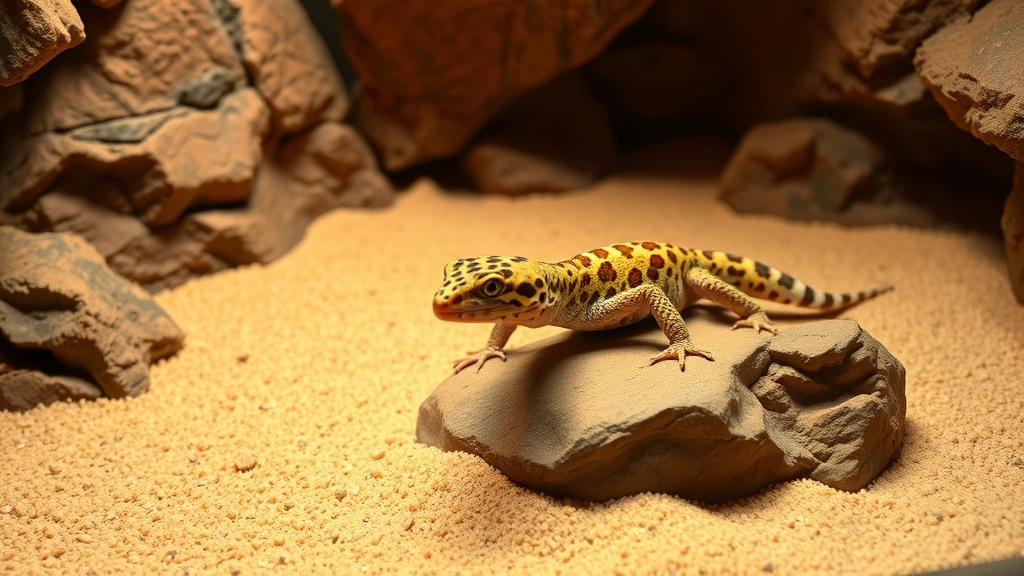
Leopard Gecko Habitats: Eco-Friendly Setup Guide
Creating an eco-friendly leopard gecko environment represents a convergence of animal husbandry best practices and environmental stewardship. As captive reptile keeping has grown exponentially, the ecological footprint of these setups—from energy consumption to material sourcing—demands serious consideration. This comprehensive guide explores how to establish a thriving leopard gecko habitat while minimizing environmental impact, drawing on principles of sustainable design and ecological economics.
Leopard geckos, native to the arid regions of Afghanistan, Pakistan, and Iran, require specific environmental conditions that modern hobbyists can replicate responsibly. The challenge lies in balancing the animal’s physiological needs with our responsibility to reduce unnecessary resource consumption. By understanding the economic and ecological dimensions of pet reptile care, we can create setups that benefit both the gecko and our planet.
Understanding Leopard Gecko Environmental Requirements
Leopard geckos thrive in environments that replicate their natural desert habitat with precision. Temperature gradients, humidity levels, and lighting cycles directly influence their metabolism, digestion, reproduction, and overall health. From an ecological economics perspective, understanding these requirements prevents costly mistakes and reduces the need for frequent habitat modifications—a principle known as preventive resource allocation.
The ideal leopard gecko environment maintains a warm side between 88-92°F (31-33°C) and a cool side around 75-80°F (24-27°C). Humidity should remain between 30-40%, mimicking the arid climate where these reptiles evolved. These parameters aren’t arbitrary; they reflect millions of years of adaptation to specific ecological niches. When we deviate from these conditions, we increase energy expenditure and stress on the animal, creating a cascading effect of increased resource consumption.
Establishing proper environmental conditions also connects to broader principles discussed in our guide on human and environment interaction, as maintaining captive ecosystems requires conscious resource management and ecological awareness.
Sustainable Enclosure Materials and Design
The enclosure itself represents the foundation of any eco-friendly setup. Traditional glass aquariums, while functional, involve significant manufacturing energy costs and contribute to resource depletion. However, they remain superior to many alternatives due to their durability and reusability—a concept central to circular economy principles.
For optimal enclosure design, consider these sustainable approaches:
- Repurposed glass or plastic containers: Using reclaimed materials reduces manufacturing demand and diverts waste from landfills. A 40-gallon breeder tank provides adequate space while minimizing material consumption compared to larger enclosures that offer no behavioral benefits.
- Modular enclosure systems: Enclosures designed for multiple uses or adaptable configurations extend their lifespan, reducing replacement frequency and embodied energy costs.
- Locally sourced materials: Sourcing from regional suppliers reduces transportation emissions, aligning with carbon footprint reduction strategies.
- Non-toxic sealants and finishes: Eco-friendly adhesives and paints reduce chemical pollution and support healthier indoor air quality.
The enclosure size debate illustrates economic trade-offs: larger enclosures require more heating energy, more substrate, and more materials, yet provide minimal additional behavioral enrichment for solitary, terrestrial geckos. This represents a classic case of diminishing marginal returns—additional size beyond 40 gallons produces negligible welfare improvements while increasing resource consumption.

Energy-Efficient Heating Solutions
Heating represents the largest energy cost in any leopard gecko setup, making it the primary target for efficiency improvements. Traditional incandescent heat bulbs waste approximately 90% of their energy as non-functional heat, while modern alternatives offer dramatically better performance.
Ceramic heat emitters (CHEs) provide infrared radiation without visible light, allowing for 24-hour heating without disrupting natural circadian rhythms. Their efficiency rating approaches 80%, making them substantially more cost-effective over a gecko’s 15-20 year lifespan. A CHE consuming 150 watts versus a 250-watt incandescent bulb saves approximately 876 kilowatt-hours annually per enclosure—equivalent to the carbon sequestration of roughly 15 trees per year.
Implementing thermostat controls represents another critical efficiency measure. Proportional thermostats cycle heating elements on and off to maintain precise temperatures, preventing energy waste from continuous operation. The upfront cost of $30-60 repays itself within 6-8 months through reduced electricity consumption.
Heat tape and under-tank heaters offer advantages and disadvantages: they provide efficient localized heating but risk burns without protective barriers. Radiant panel heaters, increasingly popular among eco-conscious herpetoculturists, distribute heat evenly across large surface areas with minimal energy loss, though they require higher initial investment.
Consider implementing renewable energy solutions for homes to power your gecko setup, such as solar panels or renewable energy plans from your utility provider. This approach aligns heating operations with clean energy sources, potentially reducing your setup’s carbon footprint to near-zero levels.
Water Conservation in Gecko Habitats
While leopard geckos originate from arid environments with minimal water availability, they still require hydration and humidity management. Establishing water-efficient practices prevents waste while maintaining appropriate habitat conditions.
Water dishes should be shallow, wide-based designs that minimize evaporation while allowing easy access. Changing water daily prevents bacterial growth and reduces the need for cleaning chemicals. A standard 40-gallon gecko setup requires approximately 1-2 gallons of water weekly—seemingly minimal, but multiplied across thousands of hobby setups, this represents significant aggregate consumption.
Humidity control through substrate moisture rather than direct misting reduces water waste. Maintaining a humid hide with slightly moist substrate allows geckos to regulate hydration through behavioral thermoregulation while conserving water resources. This mimics natural behavior observed in the gecko’s native habitat, where moisture concentrates in specific microhabitats rather than distributing evenly.
Greywater recycling—using collected rainwater or filtered household water—can supply gecko habitats sustainably. This practice reduces demand on municipal water systems and aligns with broader environmental conservation principles.
Substrate and Bedding Choices
Substrate selection profoundly impacts both the gecko’s health and environmental sustainability. Traditional options range from problematic (cedar and pine contain toxic phenols) to merely suboptimal (sand ingestion risks).
Sustainable substrate alternatives include:
- Coconut husk: A byproduct of coconut processing, this renewable resource provides excellent moisture retention and natural aesthetic. It’s biodegradable, reducing landfill impact, and supports circular economy principles by utilizing agricultural waste products.
- Aspen shavings: While not renewable, aspen represents a fast-growing hardwood that regenerates within 5-10 years. This makes it more sustainable than tropical hardwoods harvested from old-growth forests. However, aspen’s poor moisture retention limits its utility for humidity management.
- Tile and slate: Durable, reusable, and non-biodegradable, these mineral substrates never require replacement. While lacking the aesthetic naturalism of organic materials, they represent the ultimate in long-term sustainability. They’re easily cleaned and sterilized, reducing disease transmission risks across multiple enclosures.
- Topsoil and potting soil blends: Creating naturalistic substrates from garden soil reduces commercial material demand. Ensuring soil freedom from pesticides and contaminants is essential. This approach encourages behavioral naturalism while supporting local soil health.
The ideal work environment for sustainable herpetoculture includes access to quality, ethically sourced materials. Supporting suppliers who prioritize sustainability ensures that material choices align with broader environmental values.
Natural Lighting and Circadian Rhythms
Leopard geckos are primarily nocturnal, requiring minimal visible light exposure. This fundamental biological reality offers significant energy-saving opportunities compared to diurnal reptile species requiring full-spectrum UVB lighting.
However, circadian rhythm regulation remains important for metabolic health. Rather than continuous artificial lighting, implement natural day-night cycles using programmable LED systems. LEDs consume 75% less energy than fluorescent alternatives while producing minimal heat waste. A 12-hour light/dark cycle—programmed to align with natural seasonal variation—supports physiological processes while minimizing energy consumption.
Positioning enclosures near windows allows natural ambient light exposure without direct sunlight, which could cause dangerous temperature spikes. This passive approach reduces electricity demand while providing the psychological and physiological benefits associated with natural light exposure.
For nocturnal observation, red or infrared bulbs allow human viewing without disrupting gecko circadian rhythms. These specialized lights consume minimal power and don’t trigger stress responses associated with visible light exposure.
Feeding and Nutritional Sustainability
Leopard geckos consume insects as their primary food source, raising important questions about sustainable feeding practices. From an ecological economics perspective, insect production represents a more efficient protein source than mammalian livestock, requiring fewer resources per gram of protein produced.
Sustainable feeding approaches:
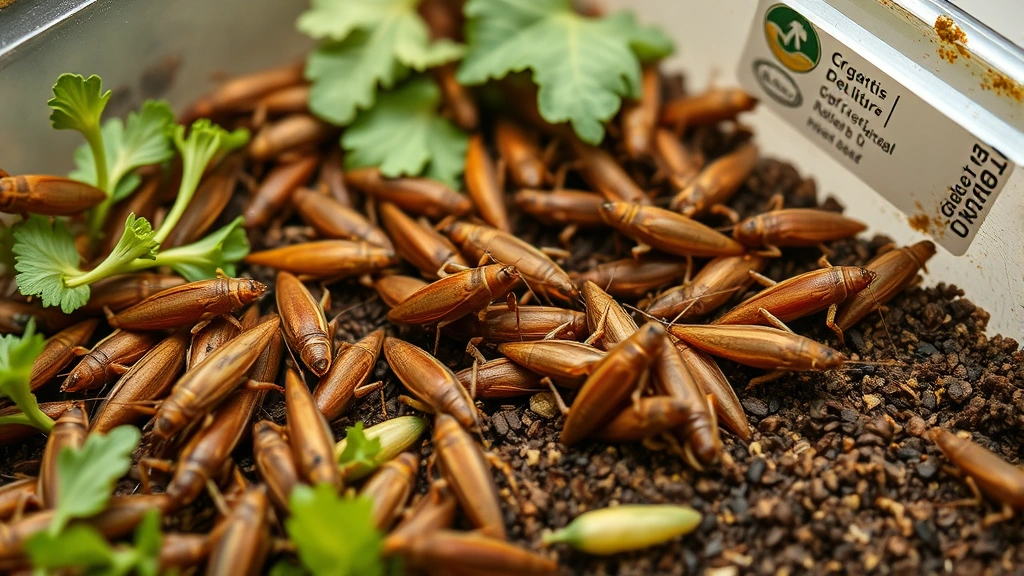
- Captive breeding of feeder insects: Maintaining colonies of crickets, dubia roaches, or mealworms in your home eliminates transportation emissions and reduces commercial farming pressure. Small-scale insect farming requires minimal space, water, and feed while producing nutritious prey items.
- Diversified diet: Rotating between multiple insect species prevents nutritional deficiencies, reduces dependency on single suppliers, and distributes ecological impact across multiple species rather than concentrating pressure on one population.
- Organic feeder insect production: Raising insects on pesticide-free vegetables and grains ensures gecko nutrition while avoiding bioaccumulation of harmful chemicals. This practice supports broader pesticide reduction goals discussed in environmental policy literature.
- Waste reduction: Uneaten insects should be removed within 24 hours. Composting dead insects creates nutrient-rich soil amendments, completing the biological cycle and reducing waste streams.
The economics of feeder insect breeding demonstrate substantial long-term savings: commercial crickets cost approximately $0.15-0.25 each, while breeding colonies produce offspring for essentially the cost of feed and housing. Over a gecko’s 20-year lifespan, home-breeding can reduce feeding costs by 70-80% while supporting local food production principles.
Economic Benefits of Long-Term Eco-Friendly Setup
Investing in sustainable leopard gecko habitat practices generates measurable economic returns over time. This concept aligns with ecological economics principles, which recognize that environmental investments produce financial dividends through reduced resource consumption and operational efficiency.
A comprehensive cost-benefit analysis reveals:
- Initial investment: Eco-friendly setups typically cost $150-250 more than conventional alternatives due to higher-quality heating equipment, sustainable materials, and breeding supplies.
- Annual operational costs: Energy-efficient heating reduces electricity expenses by $40-80 annually. Feeder insect breeding reduces feeding costs by $60-120 yearly. Durable, reusable materials eliminate replacement expenses that conventional setups require every 3-5 years.
- Long-term ROI: Over 20 years, sustainable setups save $2,000-4,000 in cumulative expenses while reducing environmental impact by approximately 60-70% compared to conventional alternatives.
This economic advantage extends beyond individual hobbyists. Scaling sustainable practices across the estimated 4.5 million pet reptile owners in North America could reduce aggregate energy consumption by millions of kilowatt-hours annually—equivalent to removing thousands of vehicles from roads.
Research from the World Bank demonstrates that sustainable resource management in specialized sectors generates broader economic efficiencies through reduced waste, lower operational costs, and decreased environmental externalities. Pet reptile husbandry represents a microcosm of these principles.
The Blog Home section contains additional resources on sustainable living practices that complement eco-friendly gecko care. Additionally, understanding broader environmental concepts through our guide on hostile work environment helps contextualize how individual choices aggregate into systemic environmental impacts.
Consulting resources from the United Nations Environment Programme (UNEP) provides authoritative guidance on sustainable consumption patterns and circular economy principles applicable to specialized hobbies like herpetoculture.
FAQ
What is the minimum enclosure size for an eco-friendly leopard gecko habitat?
A 40-gallon breeder tank (36x18x18 inches) represents the optimal minimum size, balancing adequate space for natural behavior with energy efficiency. Larger enclosures provide minimal welfare benefits while substantially increasing heating and material consumption. This size accommodates proper temperature gradients, multiple hide boxes, and sufficient substrate depth for natural burrowing behaviors.
How much does it cost to maintain an eco-friendly gecko setup annually?
Annual operating costs for sustainable setups typically range from $120-250, including electricity, feeder insects (if not home-breeding), substrate replacement, and water. Home-breeding insects reduces this figure to $60-150. Conventional setups cost $150-300 annually, making eco-friendly approaches economically superior over extended timeframes.
Can leopard geckos survive in setups without UVB lighting?
Yes, leopard geckos can thrive without UVB lighting if provided proper nutrition, including calcium supplementation and varied diet. However, UVB exposure supports vitamin D3 synthesis and natural behavior patterns. If using UVB, low-output 2.0 bulbs are appropriate, as high-output systems designed for diurnal species can cause eye damage and stress in nocturnal geckos.
What is the most sustainable substrate option for leopard geckos?
Tile or slate represents the most sustainable long-term option, requiring no replacement and supporting indefinite reuse. For organic substrates, coconut husk offers excellent sustainability credentials as an agricultural byproduct. Avoid cedar and pine entirely due to toxic phenols that damage reptile respiratory systems and represent unnecessary health risks.
How can I reduce my gecko setup’s carbon footprint?
Implement ceramic heat emitters with thermostatic control, use LED lighting on natural day-night cycles, source materials locally, breed feeder insects at home, and utilize renewable energy if available. These measures collectively reduce carbon footprint by 60-70% compared to conventional setups. Tracking energy consumption through smart meters allows ongoing optimization.
Is home-breeding feeder insects practical for casual hobbyists?
Yes, cricket or dubia roach colonies require minimal space (a plastic storage container), simple maintenance, and inexpensive feed. Initial setup costs approximately $20-40, with monthly maintenance requirements of 30 minutes. The economic return justifies the minimal effort investment for anyone maintaining multiple geckos or planning long-term care.


