
Komodo Dragons: Impact on Local Economy? Study Insight
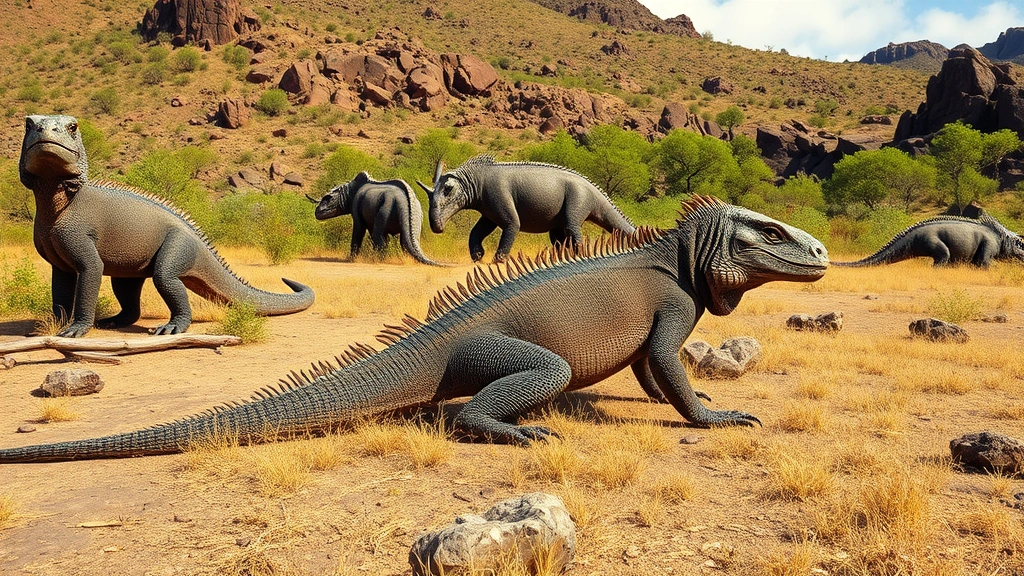
The Komodo dragon, one of Earth’s most formidable apex predators, inhabits a small cluster of Indonesian islands and represents a fascinating intersection of ecological conservation and economic development. These prehistoric-looking reptiles, which can reach lengths of 10 feet and weigh over 300 pounds, have become central to understanding how endangered megafauna can simultaneously drive local economies and create complex management challenges. Recent research into the komodo dragon environment reveals that their conservation status directly influences tourism revenue, employment patterns, and resource allocation across the Nusa Tenggara region.
The economic significance of Komodo dragons extends far beyond their intrinsic ecological value. As a UNESCO World Heritage Site and Indonesia’s premier wildlife attraction, Komodo National Park generates millions of dollars annually through tourism while simultaneously requiring substantial conservation investment. This dynamic creates a paradox: the species’ survival depends on economic incentives that may not always align with ecological sustainability. Understanding these relationships requires examining how biodiversity conservation intersects with local livelihoods, regional development, and the broader principles of ecological economics.
Ecological Role and Habitat Requirements
Komodo dragons function as apex predators within their island ecosystem, maintaining ecological balance through predation on herbivorous and carnivorous species. Their presence shapes prey populations, vegetation patterns, and nutrient cycling across the islands. The species requires approximately 2-3 square kilometers of territory per individual, with documented home ranges exceeding 5 kilometers in some cases. This substantial spatial requirement directly influences conservation planning and economic land use decisions on the islands where they inhabit.
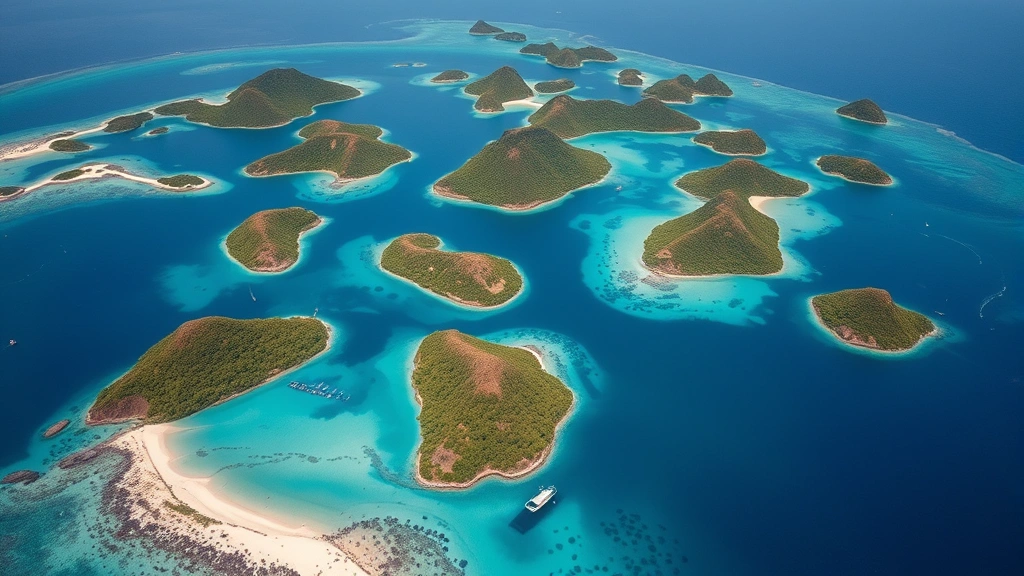
The komodo dragon environment comprises volcanic islands with distinctive ecosystems characterized by savanna-like grasslands, deciduous forests, and coastal zones. These habitats support populations of wild boar, water buffalo, and smaller mammals that form the dragon’s primary diet. Environmental changes affecting prey availability—whether through drought, disease, or human resource extraction—create cascading economic consequences. Research from the World Bank’s environmental sustainability division demonstrates that apex predator conservation requires understanding entire food webs and the economic activities that disrupt them.
The relationship between environment and human interaction becomes particularly complex in Komodo’s case. Local communities have historically utilized island resources for agriculture and livestock grazing, activities that compete directly with dragon habitat requirements. Economic pressures to expand agricultural production conflict with the need to maintain prey populations and vegetation structures essential for dragon survival. This tension between subsistence economies and conservation objectives defines much of the contemporary policy debate surrounding the islands.

Tourism Economy and Revenue Generation
Komodo National Park attracts approximately 100,000-150,000 international tourists annually, generating estimated revenues exceeding $20 million USD through entrance fees, guided tours, and accommodation services. The Komodo dragon serves as the primary draw, functioning as what ecological economists term a “flagship species”—an organism whose conservation attracts funding and public support for broader ecosystem protection. Tourism revenue represents the primary economic justification for maintaining the protected area status that enables dragon conservation.
The economic model supporting Komodo conservation depends fundamentally on maintaining the species’ visibility and accessibility to tourists. Park management must balance visitor access with animal welfare and behavioral disturbance. Studies indicate that tourism-related stress affects dragon behavior, reproduction rates, and social hierarchies. Economic incentives favor maximizing visitor numbers, while ecological sustainability requires limiting human presence. This fundamental tension shapes all contemporary management decisions regarding the islands.
International tourism markets demonstrate strong willingness to pay premium prices for encounters with endangered megafauna. Guided tours to observe Komodo dragons cost $100-300 USD per person, with accommodation at nearby resorts ranging from $50-500 USD nightly. This economic activity supports approximately 2,000-3,000 direct employees across the tourism sector, including guides, drivers, hospitality workers, and park rangers. Indirect employment effects extend to suppliers, craftspeople, and service providers throughout the region.
Local Community Impact and Employment
The 4,000-5,000 residents inhabiting Komodo, Rinca, and surrounding islands depend substantially on tourism-related employment, though income distribution remains highly unequal. While tourism generates significant aggregate revenue, local communities often capture only 15-25% of total visitor expenditures, with the remainder flowing to international tourism operators and Jakarta-based corporations. This economic extraction pattern creates persistent poverty despite the islands’ status as a major international attraction.
Employment opportunities in tourism favor individuals with language skills, education, and family connections to established tourism businesses. Young adults from local communities frequently migrate to larger cities seeking better-paying work, creating demographic imbalances and threatening traditional knowledge systems. Conversely, tourism provides income alternatives to resource extraction activities—fishing, logging, and hunting—that would otherwise accelerate habitat degradation. The economic choice between tourism employment and subsistence resource use fundamentally shapes conservation outcomes.
Local communities possess sophisticated understanding of environmental dynamics and ecological relationships developed through generations of inhabitation. Effective conservation requires integrating this traditional ecological knowledge with scientific management approaches. However, economic structures often marginalize local decision-making authority, concentrating power among government agencies and international conservation organizations. Equitable benefit-sharing mechanisms remain underdeveloped, limiting local communities’ economic incentives to support conservation policies that restrict resource access.
Studies by the United Nations Environment Programme indicate that conservation initiatives achieving greatest success involve direct community participation in decision-making and substantial benefit-sharing arrangements. Komodo presents a case where tourism revenue remains insufficiently redistributed to local populations, undermining social license for conservation and creating resentment toward protected area restrictions.
Conservation Costs and Funding Mechanisms
Annual conservation expenditures for Komodo National Park exceed $2-3 million USD, covering park administration, ranger patrols, research programs, and infrastructure maintenance. Funding derives from entrance fees (approximately 40-50%), government budget allocations (30-40%), and international conservation grants (10-20%). This funding structure creates dependency on tourism revenue and creates perverse incentives favoring visitor access over ecological protection.
The economic model supporting conservation proves increasingly fragile as climate change, geopolitical instability, and economic fluctuations affect international tourism. The COVID-19 pandemic demonstrated this vulnerability: park revenues declined by 90% when international borders closed, forcing conservation activities to operate under severe budgetary constraints. Long-term sustainability requires diversifying funding mechanisms beyond tourism-dependent revenue streams.
Conservation costs extend beyond park operations to include research, capacity building, and community development programs necessary for sustainable management. Comprehensive economic analysis incorporating these broader costs suggests annual expenditures of $4-5 million USD represent more accurate assessments of true conservation investment. When compared against tourism revenue generation, this reveals that conservation costs consume 20-25% of gross tourism income, creating ongoing fiscal pressures on park management.
International funding mechanisms, including debt-for-nature swaps and conservation trust funds, offer potential alternatives to tourism-dependent revenue models. However, accessing these mechanisms requires substantial administrative capacity and competitive grant applications. Local institutions often lack resources for grant writing and financial management systems required by international donors. This capacity gap perpetuates dependency on tourism revenue and limits conservation agencies’ ability to implement long-term sustainability strategies.
Environmental Degradation and Economic Trade-offs
Tourism infrastructure development—including roads, hotels, restaurants, and tourist facilities—generates environmental impacts that directly threaten the ecosystems supporting Komodo dragons. Coastal development for tourism facilities disrupts nesting habitats, increases pollution, and fragments terrestrial habitats. Water consumption by tourism operations strains freshwater resources, particularly during dry seasons when rainfall becomes limited and drought stress threatens prey populations.
The economic logic driving tourism expansion often conflicts with ecological sustainability thresholds. Carrying capacity studies suggest current visitor numbers may already exceed sustainable levels for ecosystem integrity. However, economic interests favor continued expansion of tourism infrastructure and visitor access. This misalignment between economic incentives and ecological limits represents a fundamental challenge in biodiversity conservation across developing regions.
Fishing pressure surrounding the islands creates additional environmental stress, reducing prey availability for dragons while simultaneously providing income for local fishermen. Economic desperation drives fishing intensification despite conservation regulations restricting catch sizes and seasonal access. The tragedy of the commons dynamic emerges: individual economic rationality produces collectively destructive outcomes when resource management institutions lack enforcement capacity and alternative income opportunities remain unavailable.
Invasive species introduced through tourism and shipping activities threaten native species and ecosystem functioning. Feral dogs, cats, and rats compete with or prey upon native species, reducing prey availability for dragons. Managing invasive species requires ongoing expenditure without direct revenue generation, creating budgetary pressures that constrain prevention and control efforts. The economic costs of invasive species management remain poorly quantified but likely exceed documented conservation budgets.
Sustainable Development Models
Ecological economics frameworks suggest that sustainable Komodo conservation requires fundamental restructuring of economic relationships and benefit-sharing arrangements. Current models extracting resources from local communities while concentrating economic benefits externally prove unsustainable both ecologically and socially. Alternative approaches emphasize community-based conservation, equitable benefit-sharing, and diversified livelihood strategies reducing resource extraction pressure.
Community-based tourism enterprises offer potential mechanisms for increasing local economic capture from Komodo tourism. When local entrepreneurs operate guesthouses, restaurants, and guide services, economic multipliers increase within local communities. However, developing community tourism enterprises requires capital, business training, and market access that many local residents lack. Government and conservation organizations could facilitate enterprise development through microfinance programs, business training, and preferential procurement policies.
Payments for ecosystem services mechanisms could formalize economic recognition of conservation benefits provided by local communities and island ecosystems. Carbon sequestration through forest conservation, watershed protection, and biodiversity preservation generate economic values that current markets fail to capture. Establishing payment mechanisms requires institutional development, verification systems, and secure funding sources—substantial investments that current conservation budgets struggle to accommodate.
Sustainable agriculture and aquaculture development could reduce pressure on wild resources while improving local incomes. Integrated farming systems combining crop production with aquaculture or livestock management can generate higher returns per unit area than extensive resource extraction. However, transitioning from traditional to improved agricultural systems requires technical assistance, input provision, and market development—investments that development agencies have inconsistently provided across Indonesia’s eastern regions.
Research from Ecological Economics journals demonstrates that integrating traditional ecological knowledge with scientific management approaches produces superior conservation outcomes. Local communities possess centuries of accumulated understanding regarding ecosystem dynamics, sustainable harvest levels, and species behavior. Formalizing this knowledge through participatory research and management planning enhances both conservation effectiveness and social equity.
Climate Change and Future Economic Viability
Climate change poses unprecedented threats to both ecological sustainability and economic viability of Komodo conservation. Rising temperatures and altered precipitation patterns affect prey species availability, vegetation structure, and dragon physiology. Komodo dragons occupy a narrow thermal tolerance range; projected temperature increases may render islands unsuitable for their survival within coming decades. This existential threat undermines long-term economic justifications for conservation investment.
Coral reef degradation surrounding the islands threatens fish populations and marine ecosystem services supporting both wildlife and local fisheries. Ocean acidification and warming waters reduce food web productivity, cascading through to prey species supporting Komodo dragons. Economic impacts extend to tourism through reduced marine biodiversity for snorkeling and diving activities, diversifying economic losses beyond terrestrial conservation.
Drought intensification threatens freshwater availability and vegetation productivity, reducing prey populations during critical seasons. Historical drought events have caused significant dragon mortality; increased drought frequency may exceed population recovery capacity. Economic planning must account for potential conservation failures and ecosystem collapse scenarios where tourism revenue models become irrelevant as species approach extinction.
Adaptive management approaches incorporating climate projections into conservation planning require substantial research investment and institutional capacity. Current conservation budgets inadequately fund climate adaptation planning or implementation of resilience-building strategies. International climate finance mechanisms offer potential funding sources, but accessing these requires countries and institutions to develop climate adaptation proposals meeting specific technical requirements that Indonesian conservation agencies struggle to satisfy.
The relationship between carbon footprint reduction efforts and conservation effectiveness becomes increasingly apparent as climate change threatens biodiversity. Tourism operations contribute substantially to global carbon emissions through international transportation, energy consumption, and infrastructure development. Paradoxically, protecting Komodo dragons through tourism-dependent conservation models perpetuates the greenhouse gas emissions driving climate change threatening the species’ survival. This fundamental contradiction requires urgent restructuring of conservation economics.
FAQ
How much money does Komodo National Park generate annually?
Komodo National Park generates approximately $20-25 million USD annually through tourism activities, with entrance fees, accommodation, and tour operations providing primary revenue streams. However, local communities capture only 15-25% of total visitor expenditures, with the remainder flowing to national government and international tourism operators.
How many people depend on Komodo tourism for employment?
Approximately 2,000-3,000 individuals work directly in tourism-related employment on Komodo islands, including guides, drivers, hospitality workers, and park rangers. Indirect employment effects extend to suppliers and service providers, potentially affecting 5,000-8,000 people across the broader region.
What are the primary threats to Komodo dragons besides poaching?
Beyond poaching, Komodo dragons face threats from prey depletion due to fishing and hunting, habitat fragmentation from tourism infrastructure, invasive species introduction, freshwater scarcity, and climate change impacts on temperature and precipitation patterns affecting both dragons and their prey.
How does tourism affect Komodo dragon behavior?
Tourism-related stress disrupts natural dragon behavior, affecting feeding patterns, reproductive success, and social hierarchies. Habituation to human presence alters predatory behavior and increases injury risk from tourist interactions. Behavioral changes may have population-level consequences through reduced breeding success and increased mortality.
What sustainable alternatives to tourism-dependent conservation exist?
Sustainable alternatives include community-based conservation enterprises, payments for ecosystem services, sustainable agriculture development, international conservation trust funds, and debt-for-nature swap mechanisms. Effective implementation requires substantial institutional development, capacity building, and long-term funding commitments that current systems inadequately provide.
How does climate change specifically threaten Komodo dragons?
Climate change threatens Komodo dragons through temperature increases exceeding thermal tolerance ranges, altered precipitation patterns affecting prey availability, coral reef degradation reducing marine ecosystem productivity, and increased drought frequency causing prey population crashes and dragon mortality during critical seasons.
What percentage of Komodo tourism revenue benefits local communities?
Local communities capture approximately 15-25% of total tourism expenditures, with the remainder flowing to national government agencies (30-40%), international tour operators (35-45%), and external investors. This inequitable distribution perpetuates poverty despite the islands’ status as a major international attraction.
How much does Komodo conservation cost annually?
Documented conservation expenditures range from $2-3 million USD annually, though comprehensive cost accounting including research, capacity building, and community development suggests true costs of $4-5 million USD. This represents 20-25% of gross tourism revenue, creating ongoing fiscal pressures on park management.