Human-Environment Interaction: Key Case Studies in Economic and Ecological Dynamics
The relationship between human societies and natural systems represents one of the most critical challenges of our time. From agricultural expansion reshaping landscapes to industrial production altering atmospheric composition, human-environment interactions generate cascading effects that reverberate through both ecological and economic systems. Understanding these dynamics requires examining concrete examples where human activity has fundamentally transformed environmental conditions, simultaneously creating economic opportunities and ecological constraints.
These case studies reveal a fundamental truth: human-environment interactions are not unidirectional. Rather, they constitute complex feedback loops where environmental degradation triggers economic costs, while economic decisions generate environmental consequences. By analyzing specific instances of human-environment interaction examples, we can identify patterns, learn from both successes and failures, and develop more sustainable approaches to managing our relationship with the natural world.
The Amazon Rainforest: Deforestation and Carbon Economics
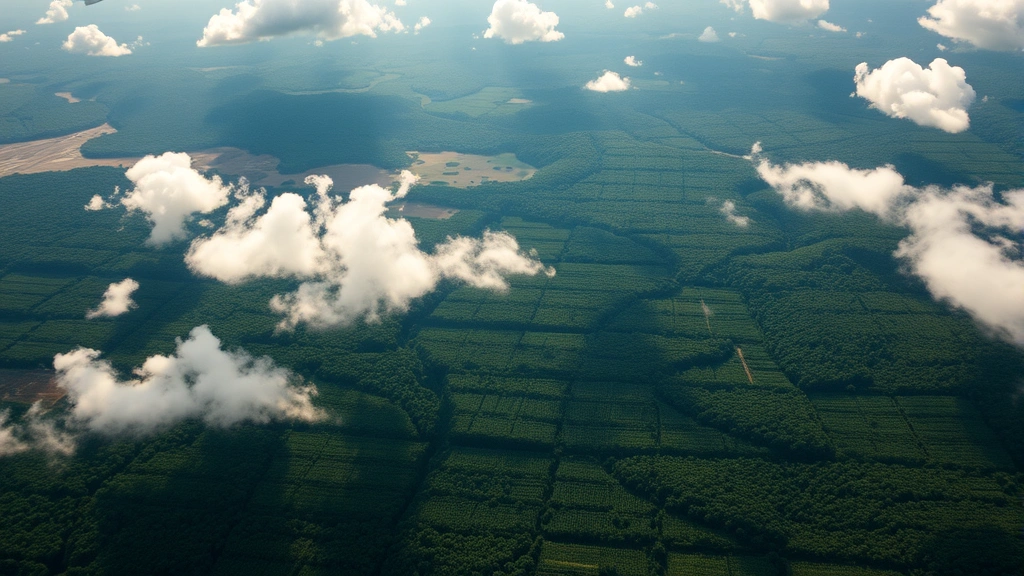
The Amazon rainforest represents perhaps the most consequential human-environment interaction of the contemporary era. Spanning approximately 5.5 million square kilometers across nine nations, this ecosystem has experienced systematic clearing for cattle ranching, soy cultivation, and timber extraction. Between 2000 and 2020, roughly 17% of the original forest cover disappeared, translating to approximately 900,000 square kilometers of forest loss.
From an economic perspective, deforestation generates immediate financial returns. Landowners and agribusiness enterprises profit substantially from clearing land for pasture and cropland. Brazil’s cattle industry alone generates approximately $20 billion annually, with much of this production occurring on formerly forested land. Soy production similarly yields significant export revenues, with Brazil exporting roughly 40 million metric tons annually to global markets.
However, this economic calculus ignores substantial environmental costs. The Amazon functions as a critical carbon sink, storing approximately 150-200 billion metric tons of carbon. Deforestation releases this carbon into the atmosphere while simultaneously reducing the forest’s capacity to sequester future emissions. Research from the World Bank estimates that Amazon deforestation contributes approximately 0.5 gigatons of carbon dioxide equivalent annually to global atmospheric concentrations.
Additionally, the Amazon generates “ecosystem services” valued at trillions of dollars through water cycle regulation, biodiversity provision, and climate stabilization. A study published in Nature Climate Change suggests that continued deforestation could push the Amazon toward an irreversible tipping point, transitioning from rainforest to savanna. This transformation would eliminate the forest’s moisture-recycling function, potentially destabilizing rainfall patterns across South America and triggering cascading economic losses in agricultural productivity.
This case study exemplifies how human activities affect the environment through profit-driven land-use decisions that externalize environmental costs. Understanding these dynamics requires integrating ecological economics frameworks that value natural capital alongside conventional GDP measurements.
The Aral Sea Crisis: Water Management and Regional Collapse
The Aral Sea, once the world’s fourth-largest lake, has experienced one of humanity’s most dramatic environmental transformations. Located between Uzbekistan and Kazakhstan, this inland sea contained approximately 1,100 cubic kilometers of water in 1960. By 2007, it had shrunk to roughly 10% of its original volume, representing a catastrophic collapse of a major ecosystem.
The primary driver was Soviet-era irrigation policy. Planners diverted water from the Amu Darya and Syr Darya rivers to irrigate cotton fields, transforming Central Asia into a major cotton producer. At peak production, the region supplied approximately 10% of global cotton output, generating substantial economic revenues for Soviet authorities.
However, this irrigation strategy proved ecologically and economically destructive. As the sea receded, exposed lakebed released salt and agricultural chemicals into the atmosphere, creating a toxic dust zone affecting millions of residents across thousands of kilometers. Commercial fish populations collapsed, eliminating an industry that previously supported 60,000 fishing jobs. The regional fishing fleet became completely obsolete, stranding workers and communities economically dependent on aquatic resources.
Health impacts proved severe. Respiratory diseases, kidney problems, and reproductive complications increased dramatically in surrounding populations. The World Health Organization documented elevated rates of anemia, tuberculosis, and infant mortality in the affected region. Economic productivity declined as workforce health deteriorated, compounding the losses from fishery collapse.
Modern restoration efforts, particularly the North Aral Sea Project completed in 2005, demonstrate that human-environment interactions can be partially reversed. Construction of a dam and dike allowed partial water level recovery in the northern sea, restoring limited fishing capacity and generating approximately $60 million in annual economic benefits. However, the southern Aral Sea remains largely irreversible, illustrating how environmental degradation creates path-dependent economic constraints.
Industrial Fisheries: Overharvesting and Ecosystem Degradation
Global fisheries exemplify complex human-environment interactions where economic incentives drive resource depletion despite clear evidence of unsustainability. Industrial fishing operations, characterized by advanced technology and capital intensity, have transformed marine ecosystems globally. Approximately 90% of global fish stocks are now either fully exploited or overexploited, according to United Nations Food and Agriculture Organization assessments.
The economic structure of industrial fishing creates powerful incentives for overharvesting. Fishing vessels represent substantial capital investments, often exceeding $10 million for large operations. Crew members and corporate investors demand returns on this capital, creating pressure to maximize catch volumes regardless of sustainability implications. Subsidies—estimated at $35 billion annually globally—further distort economic incentives by reducing the true cost of fishing effort.
This dynamic has devastated specific fish populations. Atlantic cod populations, which supported fishing communities for centuries, collapsed in the 1990s when catches fell below sustainable reproduction thresholds. The Canadian government imposed a moratorium in 1992, eliminating approximately 40,000 jobs in Newfoundland alone. Decades later, cod populations remain substantially depleted, demonstrating long-term consequences of overharvesting.
Ecological impacts extend beyond target species. Bottom trawling—dragging weighted nets across seafloor—destroys benthic habitats, reducing biodiversity and ecosystem productivity. Bycatch of non-target species kills approximately 40 million metric tons of marine life annually, representing substantial ecosystem disruption. These ecological changes reduce the long-term productivity of fisheries, creating a tragedy of the commons scenario where individual profit-maximization produces collective economic decline.
Sustainable fisheries management, by contrast, recognizes that reducing environmental impact through catch limits and habitat protection generates superior long-term economic returns. Well-managed fisheries in Iceland, Norway, and New Zealand demonstrate that ecological sustainability and economic viability align when properly structured.

Urban Heat Islands: Urbanization and Climate Feedback Loops
Urban environments represent concentrated human-environment interactions where land-use changes generate measurable climate effects. Cities worldwide experience urban heat island (UHI) effects—systematic temperature elevations compared to surrounding rural areas—driven by reduced vegetation, increased impervious surfaces, and concentrated heat emissions from human activity.
The mechanisms are straightforward. Asphalt and concrete surfaces absorb solar radiation and release it as heat, raising surface and air temperatures. In major cities, UHI effects create temperature differentials of 1-7 degrees Celsius compared to surrounding regions, with nighttime effects particularly pronounced. These temperature elevations persist year-round, though they’re most noticeable during summer months.
Economic consequences are substantial. Elevated urban temperatures increase air conditioning demand, driving electricity consumption and associated costs. Studies from the United Nations Environment Programme estimate that urban cooling costs could reach $2 trillion annually by 2050 if current urbanization and climate trends continue. Additionally, heat stress reduces worker productivity, particularly in outdoor occupations, generating measurable GDP losses in affected regions.
Health impacts compound economic consequences. Urban heat islands increase heat-related mortality, particularly among elderly and economically disadvantaged populations lacking air conditioning access. During European heat waves in 2003 and 2010, heat-related deaths numbered in the tens of thousands, with urban residents experiencing disproportionate fatality rates. These mortality impacts represent both humanitarian catastrophes and economic losses from reduced workforce participation.
However, cities also present opportunities for reversing negative human-environment interactions. Green infrastructure—including rooftop gardens, urban forests, and permeable pavements—reduces surface temperatures while providing ecosystem services. Cities implementing green infrastructure programs report temperature reductions of 2-5 degrees Celsius in affected areas, alongside improved stormwater management, air quality improvements, and enhanced quality of life metrics.
Agricultural Intensification: Soil Depletion and Food Security
Modern agriculture represents perhaps humanity’s most extensive modification of terrestrial ecosystems. Approximately 40% of Earth’s land surface is devoted to agriculture, with intensive cultivation practices fundamentally altering soil structure, nutrient cycling, and biodiversity. These human-environment interactions generate immediate food production benefits while creating long-term sustainability constraints.
Intensive agricultural practices—including monoculture cropping, heavy fertilizer application, and mechanical tillage—have dramatically increased per-hectare productivity. Global grain yields increased approximately 200% between 1960 and 2020, enabling food production for an expanding global population. This productivity increase prevented widespread famine that Malthusian predictions suggested would accompany population growth.
However, these gains came with substantial environmental costs. Soil degradation affects approximately 33% of global agricultural land, with erosion, salinization, and organic matter depletion reducing productive capacity. The United Nations estimates that maintaining current agricultural productivity requires replacing soil at rates that exceed natural formation by orders of magnitude—essentially mining soil capital to fund current production.
Nutrient cycling disruptions compound these challenges. Intensive agriculture depletes soil nitrogen, phosphorus, and potassium, requiring ever-increasing fertilizer applications. Approximately 190 million metric tons of synthetic fertilizer are applied globally annually, with production consuming approximately 2% of global energy supply. Agricultural runoff from these fertilizers creates hypoxic dead zones in aquatic ecosystems, with the Gulf of Mexico dead zone spanning approximately 7,000 square kilometers during peak seasons.
Yet regenerative approaches and conservation agriculture demonstrate that productivity and environmental stewardship can align. Practices including crop rotation, cover cropping, reduced tillage, and integrated pest management maintain yields while rebuilding soil carbon, enhancing water retention, and supporting biodiversity. These approaches require transitional investment but generate superior long-term returns through reduced input costs and enhanced resilience to climate variability.
Renewable Energy Transitions: Balancing Environmental and Economic Goals
Renewable energy development represents a critical case study in managing human-environment interactions toward sustainability. As documented in contemporary analyses, energy systems based on fossil fuels generate substantial environmental damage through greenhouse gas emissions, air pollution, and resource extraction impacts. Transitioning to renewable sources—solar, wind, hydroelectric, and geothermal—requires substantial infrastructure modification while creating new human-environment interaction patterns.
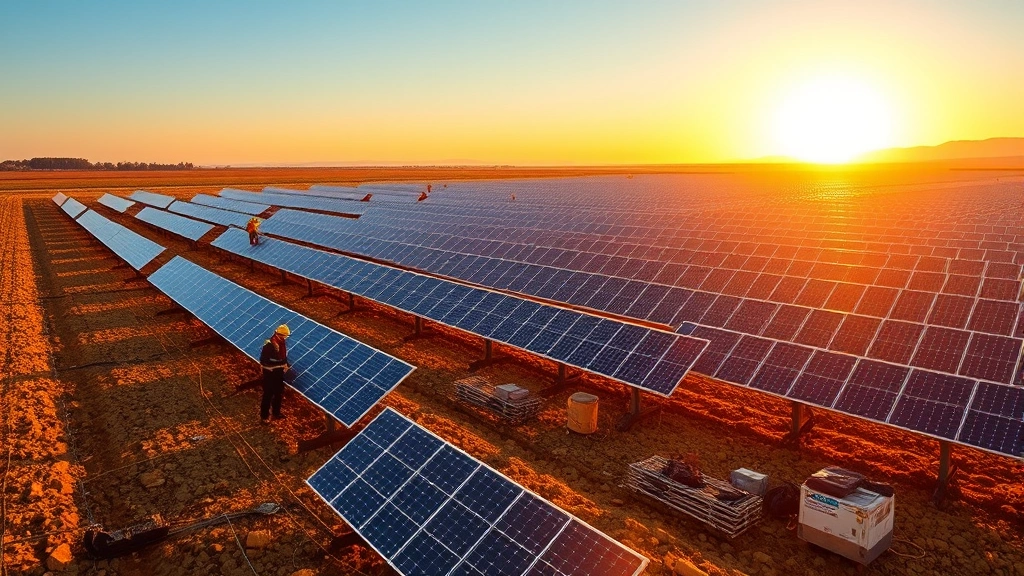
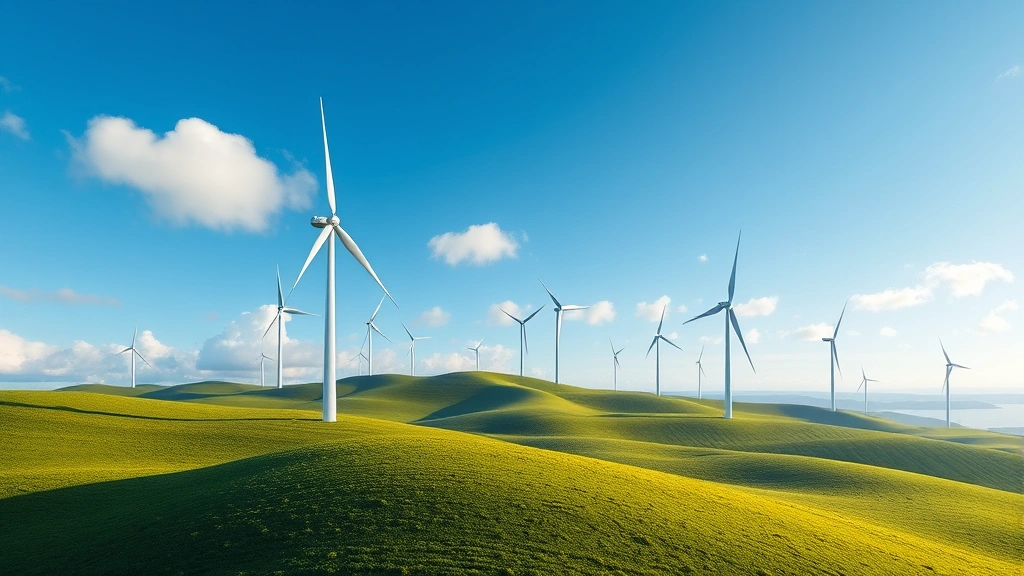
Renewable energy installations generate environmental impacts distinct from fossil fuel systems. Large-scale solar installations require substantial land areas, potentially conflicting with agricultural, conservation, or residential uses. Wind farms can affect bird and bat populations, though impacts remain substantially smaller than fossil fuel extraction and combustion effects. Hydroelectric dams fundamentally alter river ecosystems through flow modification and habitat fragmentation.
However, these impacts prove reversible and manageable compared to fossil fuel system consequences. Solar installations can coexist with agricultural production through agrivoltaics, generating dual benefits. Wind farms occupy relatively small land footprints while allowing continued agricultural use of surrounding areas. Hydroelectric systems, despite ecological impacts, eliminate ongoing greenhouse gas emissions while providing water storage and flood management benefits.
Economically, renewable energy transitions demonstrate how environmental sustainability increasingly aligns with economic optimization. Renewable energy costs have declined 90% for solar and 70% for wind over the past decade, making these technologies cost-competitive with fossil fuels in most markets. Employment in renewable energy sectors now exceeds fossil fuel employment in many developed economies, generating economic growth while reducing environmental impact.
The International Renewable Energy Agency estimates that accelerating renewable energy deployment to meet climate targets would generate net economic benefits of approximately $160 trillion through 2050, accounting for health improvements, avoided climate damages, and energy security benefits. This analysis demonstrates that proper accounting of environmental costs reveals renewable energy transitions as economically optimal, not merely environmentally necessary.

FAQ
What are the main types of human-environment interactions?
Human-environment interactions encompass resource extraction (fishing, forestry, mining), land-use conversion (agriculture, urbanization), pollution generation (atmospheric, aquatic, soil contamination), and infrastructure development (dams, roads, energy systems). These activities generate environmental changes that feed back to influence human economic and social systems, creating complex coupled human-natural systems.
How do economists measure environmental degradation costs?
Environmental economists employ multiple valuation approaches including market pricing for directly traded environmental goods, hedonic pricing that infers environmental values from property market data, contingent valuation surveys that directly elicit willingness-to-pay for environmental improvements, and damage cost approaches that quantify expenses from environmental degradation. These methods attempt to internalize environmental externalities into economic decision-making frameworks.
Can human-environment interactions be reversed?
Reversibility depends on interaction severity and timeframe. Some degradation—including forest regrowth, fishery population recovery, and air quality improvement—occurs relatively quickly when pressure is removed, as demonstrated by recovery of species populations following hunting bans or water quality improvements following pollution controls. However, other impacts including soil formation, biodiversity recovery in severely depleted ecosystems, and climate system stabilization require centuries or longer, effectively irreversible on human timescales.
How do international policies address human-environment interactions?
International frameworks including the Paris Climate Agreement, Convention on Biological Diversity, and various environmental treaties establish binding or voluntary commitments to environmental protection. Mechanisms including carbon pricing, payment for ecosystem services, marine protected areas, and sustainable resource management standards attempt to align economic incentives with environmental sustainability. However, implementation effectiveness varies substantially across jurisdictions and sectors.
What role does technology play in managing human-environment interactions?
Technology enables both increased environmental impact (improved extraction efficiency, agricultural intensification) and improved sustainability (renewable energy, precision agriculture, pollution control). Technological solutions alone prove insufficient without accompanying policy reforms and behavioral changes that align economic incentives with environmental sustainability. Optimal outcomes emerge from combining technological innovation with institutional reforms that internalize environmental costs into economic decision-making.