Table of Contents
Introduction
Plastic bottles are everywhere, aren’t they? Your morning water bottle, that sports drink after your workout, even the shampoo bottle in your shower. But here’s a question that might surprise you: what really happens after you toss that bottle into your recycling bin? Spoiler alert—it’s way more important than most people realize. Recycling plastic bottles isn’t just about feeling good (though that’s a nice bonus). It’s actually one of the most practical things you can do to help our planet.
Here’s the thing about plastic bottles—they’re both a blessing and a curse. Super convenient? Absolutely. But they’re also a major headache for our environment. Think about it: plastic waste is choking our oceans, piling up in landfills, and threatening wildlife everywhere you look. The good news? When you recycle properly, you’re directly fighting back against this mess. And it’s not just about throwing bottles in the right bin—there’s actually a method to making your recycling efforts count. Want to level up your environmental game even more? Learning how to build a rain garden is another fantastic way to embrace green living alongside your recycling efforts.
Now, here’s where things get interesting. Not all plastic bottles are created equal, and recycling facilities know this. Different types of plastic need different treatment—kind of like how you wouldn’t wash your delicate silk shirt the same way you’d wash your jeans. Sorting matters because contamination is recycling’s biggest enemy. One dirty bottle can ruin an entire batch of recyclables. That’s why understanding the process is so valuable. If you’re curious about other ways to reduce your environmental footprint, check out these practical greenhouse gas emissions reduction strategies that work hand-in-hand with good recycling habits.
But why should you care about all this? Simple: every bottle you recycle properly saves energy and resources. We’re talking about real impact here—less petroleum needed for new plastics, fewer greenhouse gases pumped into the atmosphere, and more materials staying in circulation instead of becoming waste. It’s like giving those bottles a second life instead of a one-way ticket to the landfill. And if you’re ready to dive deeper into responsible waste management, learning how to recycle batteries properly is another smart move for your sustainability toolkit.
What You’ll Learn in This Guide
Ready to become a plastic bottle recycling pro? Here’s exactly what we’ll cover to get you there:
- Understanding the Importance of Recycling: Why recycling plastic bottles actually matters and the real environmental impact you’re making with every bottle.
- How to Prepare Plastic Bottles for Recycling: The step-by-step process for cleaning, prepping, and sorting your bottles to maximize their recycling potential.
- The Recycling Process: Ever wonder what happens to your bottles after pickup? We’ll walk through the entire journey from bin to brand-new product.
- Common Mistakes to Avoid: The recycling blunders that even well-meaning people make, and how to dodge them like a pro.
What makes this guide different? We’re not just talking theory here—you’ll get practical, actionable advice you can use right away. Plus, we’ll explore some creative ways to reduce and reuse before you even reach for that recycling bin. (Because the best waste is the waste you never create in the first place, right?) Speaking of expanding your recycling knowledge, understanding how to recycle glass bottles rounds out your waste management skills perfectly.
We’ll also pull back the curtain on something pretty fascinating: the complete lifecycle of a recycled bottle. From your curbside pickup to that new product sitting on store shelves—yes, your old water bottle might actually become someone’s new fleece jacket. Pretty cool, isn’t it? And if you want to see the bigger picture of how your actions fit into environmental protection, brushing up on how to reduce greenhouse gas emissions shows you just how much your personal choices really matter.
By the time you finish reading this, you’ll have everything you need to recycle like a champion. Even better? You’ll be equipped to spread the word and help others do the same. Because let’s face it—saving the planet is definitely a team sport. Ready to make a real difference, one bottle at a time?
So you want to recycle plastic bottles properly? Smart move. Here’s the thing—recycling isn’t just about tossing that water bottle into the blue bin and calling it a day. There’s actually a whole world of preparation and process behind turning your empty containers into something useful again. And honestly? When you see how much difference proper recycling makes for our planet, you’ll want to get this right. We’re talking real impact here: saving natural resources, cutting down on pollution, and keeping tons of waste out of landfills. As more people wake up to sustainable living (and it’s about time), understanding what actually happens to those bottles makes all the difference. Trust me—once you know the right way to prep your recyclables and see the bigger picture, you’ll never look at that plastic bottle the same way again.
How to Prepare Plastic Bottles for Recycling
Here’s where most people mess up. You can’t just rinse and toss—well, you can, but you’re not doing anyone any favors. Proper prep work is what separates recycling that actually works from recycling that just makes us feel better. Think of it like cooking: you wouldn’t throw ingredients into a pot without washing and chopping them first, right? Same concept here. Clean bottles, sorted materials, and removed labels mean recycling facilities can actually do their job effectively. When bottles show up dirty or mixed with the wrong materials, entire batches can get contaminated. (And yes, that means your carefully rinsed bottle might end up in a landfill anyway if someone else didn’t follow the rules.) Want to see how this fits into the bigger environmental picture? Check out how environmental projects support sustainability—it really puts individual actions like bottle prep into perspective.
Now, here’s something that might surprise you: those few extra minutes you spend preparing bottles? They’re actually fighting climate change. Seriously. When recycling facilities get clean, properly sorted materials, they use less energy processing them. Less energy means fewer greenhouse gas emissions. It’s one of those beautiful ripple effects where small actions create big changes. If you’re curious about other ways to make a dent in emissions, take a look at these effective strategies to reduce greenhouse gases. And while we’re talking about the bigger picture, understanding how to reduce plastic waste effectively shows you how bottle preparation is just one piece of a much larger puzzle. The goal isn’t just recycling more—it’s using less plastic in the first place.
Key Aspects of Preparing Plastic Bottles for Recycling
Ready to become a recycling pro? Here’s what you need to know to prep your bottles like a champion:
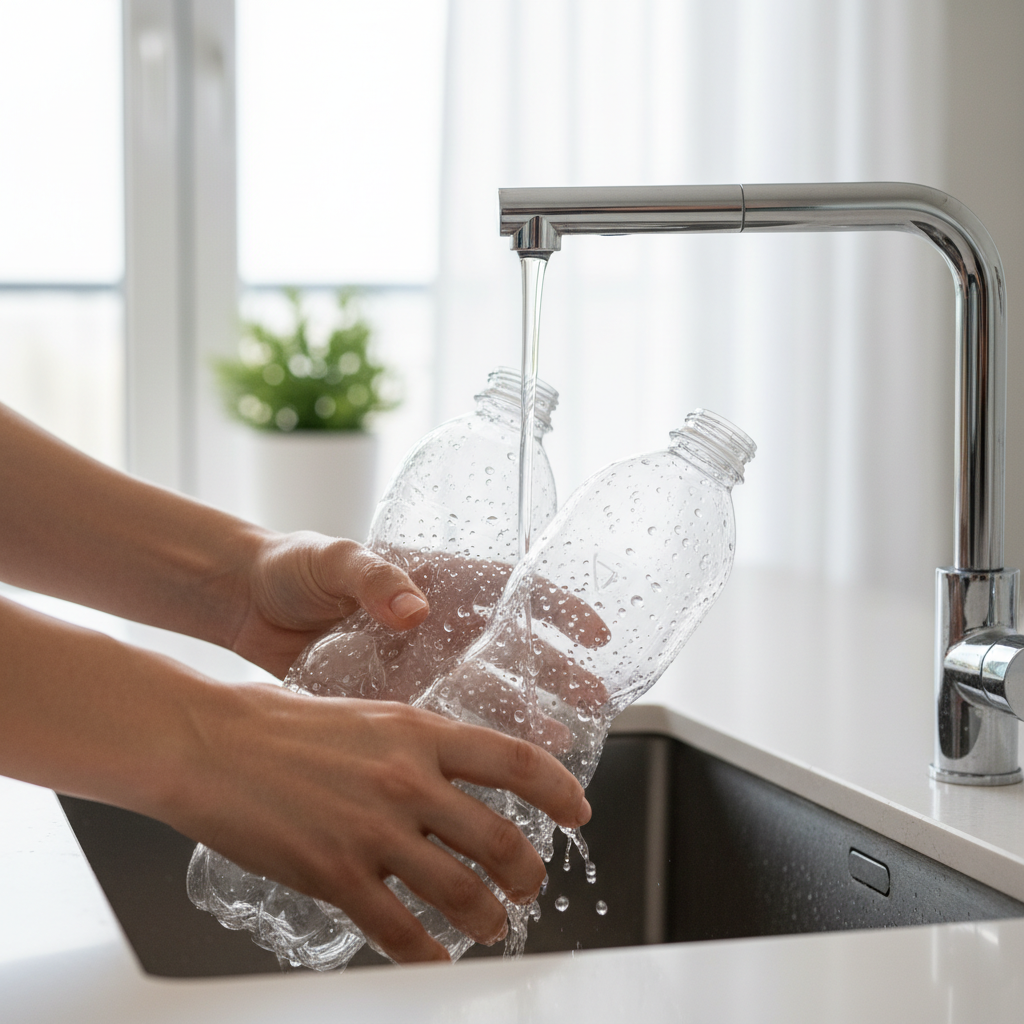
- Cleaning Your Plastic Bottles: Give those bottles a good rinse—we’re talking clean enough that you wouldn’t be embarrassed if your neighbor saw them. Any leftover soda, milk, or whatever needs to go. Why? Because that residue doesn’t just smell bad (though it definitely does), it can ruin entire batches of recyclable material. Think of it as one bad apple spoiling the bunch, except the bunch is several tons of otherwise perfectly good plastic.
- Removing Caps and Labels: This one trips up a lot of people. Those caps and labels? They’re often made from completely different materials than the bottle itself. Leaving them on is like trying to recycle a sandwich—it just doesn’t work. Peel off what you can, pop off those caps, and your recycling facility will thank you. (Some places can handle caps if they’re the right type, so check your local guidelines first.)
- Sorting by Plastic Type: See those little numbers in the recycling triangle? They’re not just decoration. Different plastics need different processing, kind of like how you wouldn’t wash your whites and darks together. PET bottles go one way, HDPE containers go another. When you sort correctly, recycling facilities can create high-quality materials instead of mixed-up messes that nobody wants to buy.
- Participation in Local Guidelines: Here’s the truth nobody wants to admit: recycling rules are different everywhere. What works in Portland might not fly in Phoenix. Your local recycling program has specific requirements, and ignoring them is like showing up to a potluck with something nobody can eat. Check your city’s website, call them, or ask your neighbors—whatever it takes to get it right.
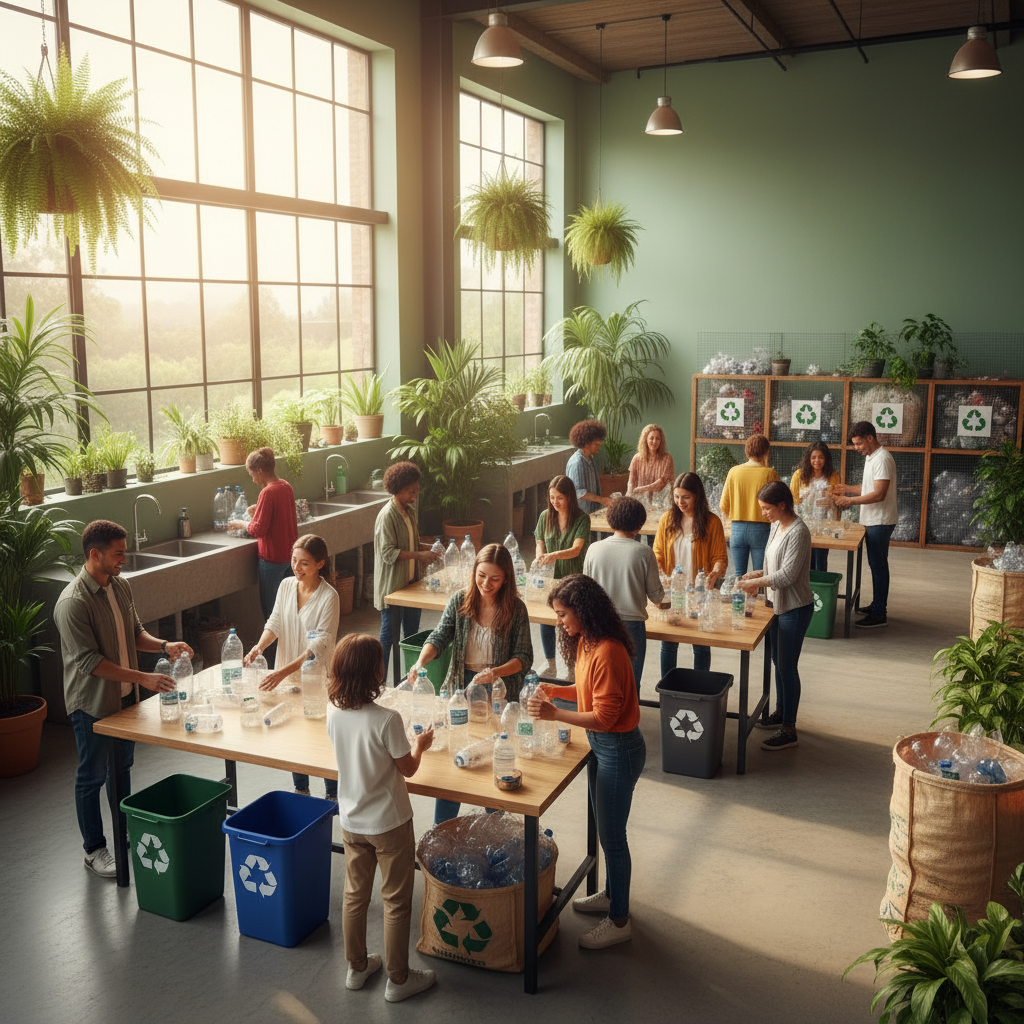
Once you get into the habit of proper prep, it becomes second nature. Kind of like brushing your teeth—weird at first, then you can’t imagine not doing it. The beauty is that these small changes add up to massive environmental benefits when everyone participates. You’re not just recycling bottles; you’re contributing to a system that keeps materials in use instead of buried in the ground. And that sets us up perfectly for understanding what happens next in the recycling journey.
The Recycling Process Explained
Ever wonder what actually happens to your bottle after it leaves your curb? Buckle up, because it’s quite a journey. We’re talking about a sophisticated operation that would make any engineer proud: sorting, washing, shredding, melting, and reforming into completely new products. It’s like watching a caterpillar become a butterfly, except the butterfly might be a park bench or a fleece jacket. (Yes, really—your water bottle could become someone’s favorite sweater.) The whole process relies on advanced technology and quality control that’s honestly pretty impressive. When you understand how much science and precision goes into recycling, you realize why that prep work we talked about matters so much. For perspective on how different materials get the recycling treatment, check out recycling glass bottles effectively—it’s a completely different process but equally fascinating.
But here’s what really gets me excited about this process: it proves that waste doesn’t have to be waste. When facilities receive clean, sorted materials, they can create recycled products that are just as good as stuff made from virgin resources. Sometimes better. We’re talking about closing the loop on materials that used to just pile up in landfills. The environmental math is beautiful—less mining, less drilling, less manufacturing from scratch. Want to see how other materials fit into this recycling ecosystem? Learning about proper battery recycling techniques shows how different materials need their own specialized approaches. Each type of recycling is like a different language, but they’re all saying the same thing: waste is just a resource in the wrong place.
Key Aspects of the Recycling Process
Let’s break down this amazing transformation from trash to treasure:
- Collection and Transportation: Your bottles start their new life when they’re picked up from your curb or dropped off at collection centers. Think of this as the beginning of their second act. Efficient collection systems are crucial because timing matters—materials sitting around too long can degrade or get contaminated. The logistics alone are mind-boggling when you consider how many bottles get collected every single day.
- Sorting and Separation: This is where the magic of modern technology really shines. We’re talking optical scanners that can identify different plastics faster than you could blink, plus human workers who catch what the machines miss. It’s like the world’s most important game of “one of these things is not like the others.” Everything gets separated by type and quality, because precision here determines the quality of the final product.
- Cleaning and Shredding: Remember how important it was to rinse your bottles? Well, they get the spa treatment here—industrial washing that removes every trace of labels, adhesive, and any remaining contaminants. Then comes the satisfying part: shredding everything into flakes or pellets. These clean plastic pieces are like raw material waiting to become something new.
- Remanufacturing and Repurposing: Here’s where things get really cool. Those plastic flakes get melted down and reformed into pellets that manufacturers use to create new products. Your yogurt container might become carpeting. That detergent bottle could turn into a playground slide. The possibilities are endless, and that’s the whole point—we’re creating a circular economy where nothing goes to waste.
When you see the entire process laid out like this, it’s hard not to feel optimistic about what we can accomplish. Every properly prepared bottle you recycle becomes part of this incredible system that conserves resources, reduces pollution, and proves that smart design can solve environmental problems. The connection between your kitchen sink and a manufacturing facility halfway across the country might not be obvious, but it’s real. And it’s powerful. That’s why getting the details right—from prep to processing—matters so much for our planet’s future.
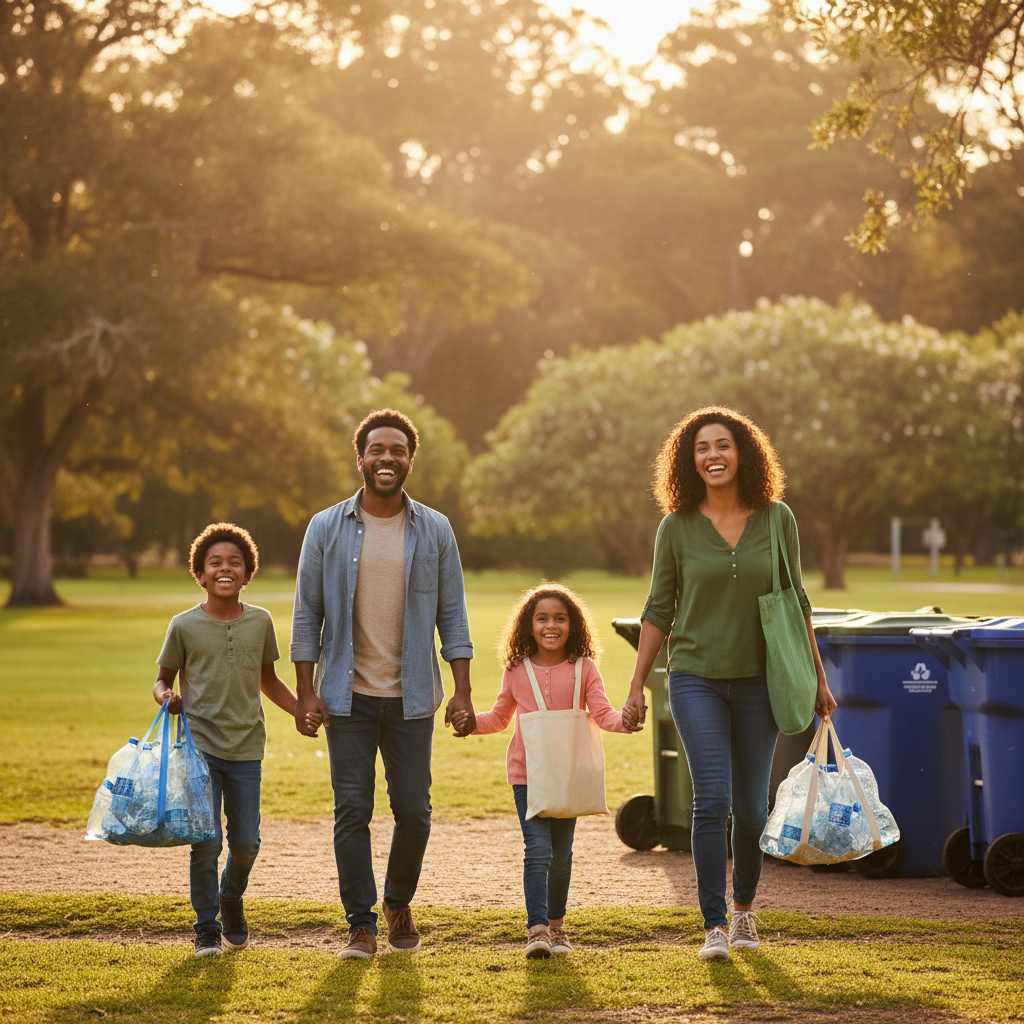
Here’s the thing about recycling plastic bottles—it’s one of those simple actions that actually makes a real difference. We’ve covered a lot of ground together, from why recycling matters (hello, cleaner oceans and less overflowing landfills) to the nitty-gritty of cleaning, sorting, and prepping your bottles the right way. When you take those extra few seconds to rinse out that peanut butter jar residue or check the recycling number? You’re not just being thorough—you’re helping create higher-quality recycled materials that can actually become something useful again.
And let’s talk about that journey for a second. It’s pretty amazing when you think about it—that water bottle you toss in the bin today could end up as someone’s fleece jacket or a piece of playground equipment where kids will play for years. That’s the circular economy in action, and honestly, it beats the alternative of that same bottle sitting in a landfill for centuries. Plus, when you combine recycling with reducing and reusing (the other two R’s that sometimes get forgotten), you’re really hitting it out of the park environmentally speaking.
Ready to take things further? Here are some ideas that complement what you’re already doing. Consider learning how to build a rain garden—it’s a fantastic way to manage stormwater naturally while creating something beautiful for your yard. You might also want to dive into how to recycle batteries properly because, let’s face it, we all have a drawer full of dead AAs somewhere. And if you’re feeling ambitious, check out strategies to reduce greenhouse gas emissions—it’s like recycling’s bigger sibling in the fight against climate change. Oh, and here’s something that might seem unrelated but isn’t: learning to build an emergency fund gives you the financial flexibility to choose greener options when they cost a bit more upfront.
Look, every bottle you prep correctly matters. Every time you choose to reuse instead of toss, it adds up. You’re part of something bigger here—a growing movement of people who get that small actions create big changes. Keep learning, keep improving your habits, and don’t be shy about sharing what you know with friends and family. The planet needs more people like you, and honestly? Your efforts are making a real difference, one recycled bottle at a time.
Frequently Asked Questions
-
Can all plastic bottles be recycled?
- Not all plastic bottles are recyclable. Typically, PET and HDPE bottles are accepted in most recycling programs, but others may not be. It’s important to check local guidelines to know which plastics are accepted to avoid contamination.
-
What should I do if my local recycling program doesn’t accept plastics?
- If your local recycling does not accept plastics, look for specialized drop-off centers or mail-in recycling programs that handle plastic bottles. Many communities have dedicated facilities to ensure plastics are processed responsibly.
-
How can I ensure my bottles are properly recycled?
- Proper preparation is key: thoroughly clean your bottles, remove caps and labels if required, and sort bottles by plastic type according to local recycling rules. Always check and follow your local program’s specific guidelines for best results.