
Water Pollution’s Impact on Ecosystems: A Comprehensive Study
Water pollution represents one of the most pressing environmental challenges of our time, affecting freshwater and marine ecosystems across the globe with devastating consequences. The contamination of water bodies through industrial discharge, agricultural runoff, plastic waste, and chemical pollutants disrupts ecological balance at every level, from microscopic organisms to apex predators. Understanding how water pollution affects the environment is essential for developing effective mitigation strategies and protecting the biodiversity that depends on clean water systems.
The economic implications of water pollution are equally severe, with estimates suggesting that water-related ecosystem degradation costs the global economy trillions of dollars annually in lost services, reduced productivity, and remediation efforts. This interconnection between environmental degradation and economic loss underscores the urgency of addressing water quality issues through comprehensive policy frameworks and sustainable practices.
Primary Sources and Types of Water Pollution
Water pollution originates from multiple sources, each contributing distinct contaminants that alter water chemistry and ecosystem function. Point source pollution emanates from identifiable locations such as industrial facilities, wastewater treatment plants, and mining operations, where concentrated effluent flows directly into water bodies. Non-point source pollution, conversely, accumulates from diffuse origins including agricultural fields, urban stormwater runoff, and atmospheric deposition, making it considerably more challenging to regulate and monitor.
Industrial activities discharge heavy metals including mercury, lead, cadmium, and chromium into aquatic systems, where these persistent substances accumulate in sediments and organisms. Agricultural operations contribute nitrogen and phosphorus through fertilizer runoff, triggering eutrophication—a process where nutrient overloading causes excessive algal growth that subsequently depletes dissolved oxygen. The textile, pharmaceutical, and petrochemical industries release synthetic organic compounds that persist in the environment for decades, resistant to natural degradation processes.
Plastic pollution has emerged as a particularly insidious form of water contamination, with an estimated 8 million metric tons entering oceans annually. Microplastics—fragments smaller than 5 millimeters—permeate freshwater and marine environments, becoming incorporated into food webs and affecting organisms from zooplankton to whales. These particles carry toxic additives and absorb persistent organic pollutants from surrounding water, concentrating contaminants as they move through trophic levels.

Effects on Aquatic Biodiversity
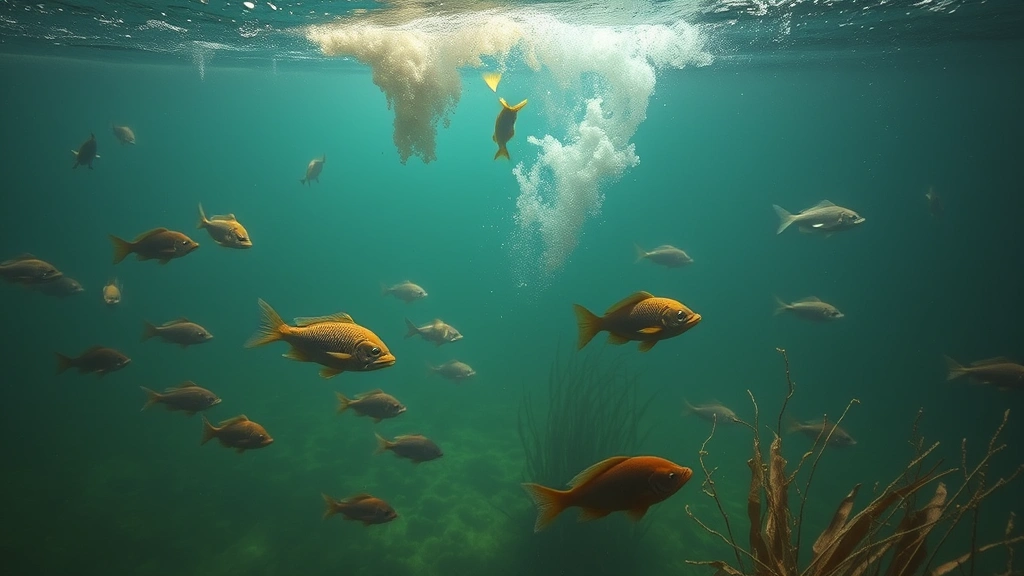
The ecological consequences of water pollution manifest across multiple organizational levels, from individual organism physiology to community structure and ecosystem function. Fish populations experience direct toxic effects from heavy metals and organic contaminants, with impaired reproduction, developmental abnormalities, and behavioral changes preceding population collapse. Studies document feminization of male fish populations in waters receiving endocrine-disrupting compounds, compromising reproductive success and genetic diversity.
Benthic macroinvertebrate communities serve as sensitive indicators of water quality degradation. Pollution-tolerant species such as certain midges and aquatic worms proliferate in contaminated waters, displacing sensitive taxa including mayflies, stoneflies, and caddisflies. This biodiversity loss reduces ecosystem resilience and simplifies food webs, diminishing the capacity of aquatic systems to process organic matter and cycle nutrients efficiently.
Phytoplankton and aquatic vegetation respond dramatically to nutrient pollution through harmful algal blooms (HABs). These proliferations of cyanobacteria or dinoflagellates produce toxins poisoning fish, invertebrates, and vertebrates consuming contaminated water. The subsequent decomposition of massive algal biomass creates hypoxic zones where oxygen concentrations fall below levels supporting most aquatic life, creating what researchers term “dead zones.” The Gulf of Mexico dead zone, driven by Mississippi River nutrient loading, encompasses approximately 6,000 to 7,000 square miles annually, rendering vast areas uninhabitable.
Coral reef ecosystems face multifaceted pollution impacts including sedimentation from coastal erosion, nutrient runoff promoting algal competition, and direct chemical toxicity. Terrestrial runoff containing fertilizers and pesticides reaches coral systems, where elevated nutrient concentrations favor macroalgae that overgrow coral colonies. Heavy metals accumulate in coral tissues, impairing calcification and immune function while reducing reproductive success.
Impact on Terrestrial Ecosystems
Water pollution extends beyond aquatic boundaries, affecting terrestrial ecosystems through multiple pathways. Contaminated groundwater reduces availability of clean water for terrestrial vegetation, with salt accumulation in irrigated agricultural areas causing soil salinization and desertification. Plant uptake of heavy metals and organic pollutants from contaminated water compromises growth rates and nutritional quality, cascading through food webs to herbivores and carnivores.
Riparian zones—transitional areas between aquatic and terrestrial environments—experience particular vulnerability to water pollution impacts. These ecologically critical regions depend on regular water inundation to maintain unique plant communities and provide essential habitat for countless species. Contaminated floodwaters deposit persistent pollutants in riparian soils, accumulating over years and decades to create long-term toxicity challenges.
Wetland ecosystems, among Earth’s most productive biomes, face severe degradation from water pollution. Wetlands serve as natural water treatment systems, with vegetation and microorganisms removing excess nutrients and filtering sediment. Pollution loading overwhelms these natural purification mechanisms, causing wetland degradation and loss of ecosystem services including water purification, flood mitigation, and wildlife habitat provision.
Chemical Contamination and Bioaccumulation
Persistent organic pollutants (POPs) including polychlorinated biphenyls (PCBs), dichlorodiphenyltrichloroethane (DDT), and polycyclic aromatic hydrocarbons (PAHs) demonstrate remarkable resistance to environmental degradation. These lipophilic compounds accumulate in fatty tissues of aquatic organisms, concentrating at higher trophic levels through biomagnification processes. Top predators including eagles, ospreys, and sharks accumulate body burdens millions of times higher than surrounding water concentrations, causing reproductive failure and population decline.
The relationship between water pollution and ecosystem health becomes particularly evident through examination of environment human interactions at contaminated sites. Endocrine-disrupting chemicals including bisphenol A (BPA) and phthalates interfere with hormonal regulation in aquatic organisms at concentrations far below those causing acute toxicity. These compounds affect sexual differentiation, reproductive behavior, and immune function, with population-level consequences extending across generations.
Pharmaceutical residues and personal care products increasingly contaminate aquatic systems, with wastewater treatment plants unable to completely remove these compounds. Antibiotics in water environments select for antibiotic-resistant bacteria, creating human health risks extending far beyond aquatic ecosystems. Hormonal medications alter sex ratios in fish populations and impair reproductive development across multiple species.
Heavy metal speciation determines bioavailability and toxicity, with dissolved forms generally more toxic than particulate or sediment-bound species. Methylated mercury, produced through microbial processes in anoxic sediments, represents the most toxic form of mercury contamination, accumulating in fish tissues and posing severe risks to human consumers. Selenium, though essential in trace amounts, becomes toxic at elevated concentrations, causing reproductive failure and developmental deformities in waterfowl and fish.
Economic Consequences of Water Degradation
The economic valuation of water pollution impacts reveals staggering costs to human societies and economies. According to World Bank analyses, water-related ecosystem degradation costs developing nations 4-6% of gross domestic product annually through lost fisheries productivity, reduced agricultural yields, and increased disease burden. Industrial nations experience proportionally lower percentages but absolute costs measured in hundreds of billions of dollars.
Fisheries represent a primary economic sector experiencing severe water pollution impacts. Global fish catches from contaminated waters decline significantly, with commercial fisheries across Asia, Africa, and Latin America reporting 20-40% reductions in recent decades. The economic losses extend through supply chains to fishing communities dependent on aquatic resources for livelihoods and food security, affecting hundreds of millions of people globally.
Water treatment costs escalate dramatically in regions experiencing severe pollution. Municipalities employing advanced treatment technologies including activated carbon, reverse osmosis, and ultraviolet disinfection incur per-unit water costs 3-5 times higher than those relying on minimally contaminated sources. These expenses disproportionately affect low-income populations unable to afford treated water, exacerbating health inequities and economic disparities.
Agricultural productivity declines substantially where irrigation water carries high contaminant loads. Soil accumulation of salts, heavy metals, and persistent organic pollutants reduces crop yields and requires increasingly intensive management interventions. Some agricultural regions face permanent loss of productivity where contamination reaches irreversible levels, necessitating land abandonment and economic restructuring.
Climate Change Interactions
Water pollution and climate change interact synergistically to amplify ecosystem degradation. Warming water temperatures reduce dissolved oxygen solubility, exacerbating hypoxia in polluted waters where organic matter decomposition already consumes oxygen. Altered precipitation patterns intensify both point and non-point pollution loading, with extreme rainfall events mobilizing accumulated pollutants from soils and urban surfaces.
Rising sea levels facilitate saltwater intrusion into coastal freshwater aquifers, compounding pollution impacts through salinization of drinking water supplies. Thermal stratification in lakes and reservoirs intensifies, trapping pollutants in deep anoxic zones where anaerobic microbial processes transform contaminants into more toxic forms. Coral bleaching events, driven by warming ocean temperatures, reduce reef resilience to pollution stress, with combined stressors causing mortality rates exceeding those from individual stressors alone.
Climate-driven changes in hydrological cycles alter pollution transport and fate. Extended droughts concentrate pollutants in reduced water volumes, intensifying toxicity while reducing dilution capacity. Conversely, intense precipitation events mobilize accumulated contaminants, creating pulse contamination events that exceed ecosystem tolerance thresholds. Understanding these climate interactions requires comprehensive reduction strategies addressing both pollution and greenhouse gas emissions simultaneously.
Remediation and Recovery Strategies
Effective water pollution remediation requires integrated approaches combining source reduction, treatment technologies, and ecosystem restoration. Industrial facilities implementing cleaner production technologies, process optimization, and waste minimization reduce pollution generation at the source, proving more cost-effective than end-of-pipe treatment. Circular economy principles encourage industrial symbiosis where waste streams from one process become feedstock for another, eliminating disposal requirements entirely.
Advanced wastewater treatment employing biological processes, membrane filtration, and oxidation technologies removes conventional pollutants and emerging contaminants with high efficiency. Constructed wetlands and treatment ponds provide nature-based alternatives utilizing vegetation and microbial communities for pollutant removal, simultaneously providing wildlife habitat and recreational amenities. These approaches often prove more economical and resilient than conventional infrastructure while delivering multiple ecosystem services.
Agricultural best management practices including precision nutrient application, riparian buffer establishment, and cover cropping substantially reduce non-point source pollution. Conservation tillage minimizes soil erosion and associated sediment and contaminant transport, while integrated pest management reduces pesticide inputs. These practices, when widely adopted across agricultural landscapes, generate measurable improvements in downstream water quality within 5-10 years.
Ecosystem restoration efforts targeting degraded aquatic systems accelerate natural recovery processes. Removing barriers to fish migration, restoring floodplain connectivity, and reestablishing native vegetation enhance ecosystem resilience and purification capacity. Sediment remediation in heavily contaminated areas removes accumulated pollutants, though this approach requires careful management to prevent contaminant mobilization during extraction.
Policy frameworks establishing water quality standards, implementing polluter-pay principles, and supporting technological innovation provide essential governance structures for pollution control. The United Nations Environment Programme promotes integrated water resource management approaches recognizing water pollution as a transboundary issue requiring international cooperation. Successful implementation requires adequate financing, technical capacity building, and stakeholder engagement across government, industry, and civil society.
Monitoring and assessment programs utilizing both traditional water chemistry analyses and emerging biological indicators track pollution trends and remediation effectiveness. Citizen science initiatives engaging communities in water quality monitoring enhance data availability while building environmental awareness and stewardship. Real-time monitoring systems utilizing sensors and automated sampling provide early warning of pollution events, enabling rapid response to protect human and ecosystem health.
The recovery of severely degraded aquatic ecosystems requires sustained commitment and investment extending across decades. The Thames River restoration demonstrates that even heavily polluted waterways can recover when comprehensive pollution control measures are implemented and maintained. Reestablishment of fish populations, restoration of benthic communities, and recovery of ecosystem functions provide evidence that water pollution impacts, while severe, are not inevitably permanent.
Frequently Asked Questions
What are the most common types of water pollutants?
The primary water pollutants include heavy metals (mercury, lead, cadmium), nutrients (nitrogen and phosphorus), synthetic organic compounds (pesticides and industrial chemicals), petroleum hydrocarbons, microplastics, and pathogens. Each pollutant type affects aquatic ecosystems through distinct mechanisms, requiring targeted management approaches.
How does water pollution affect fish populations?
Water pollution impacts fish through direct toxicity, reproductive impairment, behavioral changes, and habitat degradation. Contaminants interfere with development, reduce immune function, and cause tissue damage. Pollution-driven oxygen depletion and loss of suitable habitat reduce available living space, while food web contamination reduces nutritional quality of prey organisms.
Can polluted water ecosystems recover?
Yes, many polluted aquatic ecosystems demonstrate capacity for recovery when pollution sources are eliminated and conditions allow natural regeneration. Recovery timelines vary from years for some systems to decades for others, depending on pollution severity, ecosystem resilience, and active restoration efforts. The relationship between ecosystem recovery and health and safety outcomes demonstrates the importance of prioritizing water protection.
What role do wetlands play in water pollution mitigation?
Wetlands function as natural water treatment systems where vegetation and microorganisms remove excess nutrients, filter sediments, and degrade certain contaminants. These ecosystems provide critical ecosystem services while supporting exceptional biodiversity. Protection and restoration of wetlands represents a cost-effective strategy for improving water quality at landscape scales.
How does water pollution affect human health?
Human health impacts from water pollution include waterborne disease transmission, chemical toxicity from drinking contaminated water, bioaccumulation of toxic substances through food consumption, and respiratory effects from pollutant-related algal blooms. Vulnerable populations including children, pregnant women, and immunocompromised individuals face elevated risks from water contamination.
What are microplastics and why are they concerning?
Microplastics are plastic fragments smaller than 5 millimeters that permeate freshwater and marine environments globally. These particles are ingested by aquatic organisms, potentially causing physical and chemical harm. Microplastics concentrate in food webs and carry toxic additives, raising concerns about both ecosystem and human health impacts.
How do agricultural practices contribute to water pollution?
Agricultural runoff carries fertilizer nutrients, pesticides, and soil sediment into water bodies. Intensive livestock operations generate manure with high nutrient and pathogen content. These inputs cause eutrophication, oxygen depletion, and direct toxicity. Adopting sustainable agricultural practices substantially reduces these impacts while maintaining productivity.
What international efforts address water pollution?
The UN Environment Programme’s water initiatives coordinate international responses to water pollution through policy development, capacity building, and financing mechanisms. Regional agreements addressing transboundary water pollution establish shared standards and monitoring frameworks. However, funding gaps and implementation challenges persist in many regions.


