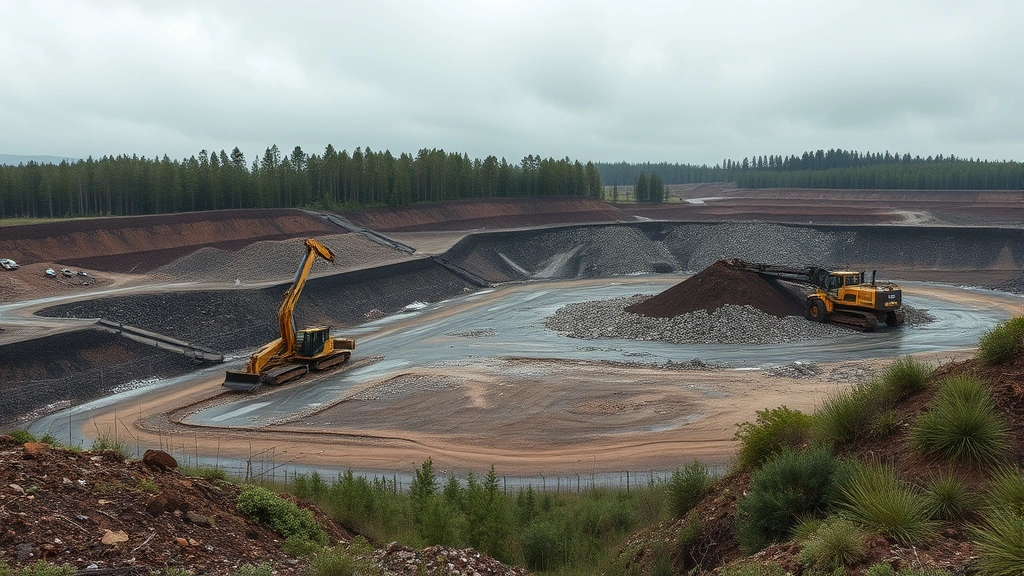
E-Waste’s Impact on Ecosystems: A Scientific Overview
Electronic waste, commonly known as e-waste, represents one of the fastest-growing waste streams globally, with over 57 million tons generated annually according to recent estimates. When computers and other electronic devices end up in landfills, they trigger a cascade of environmental consequences that extend far beyond the waste site itself. The discarding of computers in landfills initiates complex biogeochemical processes that contaminate soil, groundwater, and surrounding ecosystems with toxic heavy metals and persistent organic pollutants. This scientific overview examines the multifaceted pathways through which e-waste degrades environmental quality and ecosystem health.
The challenge intensifies as technological advancement accelerates product obsolescence cycles, creating unprecedented volumes of discarded electronics. Understanding how computers decompose in landfill environments requires examining the material composition of modern devices, the leaching mechanisms that mobilize contaminants, and the biological and chemical processes that transform e-waste into environmental hazards. This article synthesizes current scientific research to elucidate the mechanisms, impacts, and implications of computer disposal in landfills.
Toxic Composition of Computer Hardware
Modern computers are engineered assemblies containing dozens of elements, many of which pose significant environmental and health risks when released into ecosystems. A single desktop computer typically contains approximately 2-3 kilograms of hazardous materials distributed throughout its components. The circuit boards alone incorporate lead-based solders, with concentrations reaching 1,000-3,000 parts per million in older devices. Copper wiring and connectors, while valuable for electrical conductivity, constitute roughly 15-20% of computer weight and mobilize readily in acidic soil conditions.
Cadmium represents a particularly concerning contaminant, present in rechargeable batteries, semiconductor components, and older monitor screens. A single laptop battery can contain 5-10 grams of cadmium, classified as a Group 1 carcinogen by the International Agency for Research on Cancer. Mercury, used in liquid crystal displays and fluorescent backlighting in older monitors, persists in the environment with a half-life measured in decades. Brominated flame retardants, applied to circuit boards and plastic casings to meet fire safety standards, number over 75 different chemical compounds, many classified as persistent organic pollutants.
The United Nations Environment Programme estimates that a single computer monitor can contain up to 8 grams of mercury, sufficient to contaminate 6,000 cubic meters of water to hazardous levels. Rare earth elements, increasingly incorporated into modern electronics for improved performance and miniaturization, include elements like yttrium, terbium, and dysprosium—materials extracted through environmentally destructive mining processes and whose disposal creates secondary contamination risks. Plastics comprising 20-30% of computer weight include polycarbonate and acrylonitrile butadiene styrene, which leach bisphenol A and other endocrine-disrupting chemicals under landfill conditions.
Leaching Mechanisms and Contamination Pathways
When computers decompose in landfill environments, the physical breakdown of materials and chemical interactions with landfill leachate initiate contaminant mobilization. Landfill leachate, generated from precipitation percolating through waste, creates acidic conditions (pH 3.5-5.5) that accelerate the dissolution of metallic components and polymeric coatings. Under these acidic conditions, lead solubility increases dramatically, with leaching rates of 10-100 micrograms per liter observed in laboratory simulations of landfill conditions.
The sequential extraction of heavy metals from e-waste demonstrates a time-dependent contamination profile. Readily available fractions—those bound weakly to waste materials—leach within weeks, while more stable fractions continue releasing contaminants over decades. Copper, nickel, and zinc exhibit rapid initial leaching, with 30-50% of available metal mobilizing within the first 6-12 months of landfill placement. Lead leaching follows a slower trajectory due to formation of lead sulfates and phosphates, but residual contamination persists for extended periods.
Anaerobic conditions characteristic of landfill interiors promote sulfate reduction by anaerobic bacteria, generating hydrogen sulfide that reacts with heavy metals to form insoluble sulfides. Paradoxically, this can temporarily immobilize certain metals, but redox fluctuations at landfill boundaries and during leachate management can re-solubilize these compounds. The presence of various soil types surrounding landfills determines the fate and transport of leached contaminants, with sandy soils providing minimal sorptive capacity and allowing rapid contaminant migration.

Soil Ecosystem Degradation
Soil ecosystems represent the foundation of terrestrial productivity, supporting microbial communities essential for nutrient cycling, carbon sequestration, and plant growth. When e-waste leachate infiltrates surrounding soils, heavy metal concentrations can reach 100-1,000 times background levels, fundamentally altering soil chemistry and biology. Lead accumulation in soil inhibits seed germination and root elongation in plant species, with phytotoxic effects observed at concentrations exceeding 50 milligrams per kilogram in sensitive species.
The microbial communities that drive soil nutrient cycling demonstrate remarkable sensitivity to heavy metal contamination. Cadmium at concentrations of 10-20 milligrams per kilogram reduces microbial biomass by 30-50%, impairs enzyme activity, and shifts community composition toward metal-tolerant species. This taxonomic restructuring reduces functional diversity and increases ecosystem vulnerability to disturbances. Mycorrhizal fungi, critical for plant nutrient acquisition in many ecosystems, show reduced colonization rates and hyphal growth in metal-contaminated soils.
Enzyme activity in contaminated soils—including dehydrogenase, phosphatase, and cellulase—declines substantially, reducing the rate of organic matter decomposition and nutrient mineralization. These biochemical changes manifest as reduced litter decomposition rates, slowing the cycling of carbon and nutrients essential for ecosystem productivity. Studies of soils near e-waste disposal sites document 40-60% reductions in decomposition rates compared to uncontaminated reference sites, with consequences cascading through food webs.
The earthworm fauna, essential soil engineers that enhance water infiltration and organic matter incorporation, demonstrates reduced abundance and biomass in heavy metal-contaminated soils. Earthworm species richness decreases with increasing metal concentrations, and surviving populations exhibit bioaccumulation of cadmium and lead in tissues. These changes reduce soil structural stability, increase erosion vulnerability, and diminish the soil’s capacity to filter contaminants—creating a feedback loop of escalating environmental degradation.
Groundwater and Aquatic System Impacts
Groundwater contamination from e-waste landfills represents a particularly insidious environmental consequence due to the critical importance of groundwater as a freshwater resource. Approximately 2 billion people globally depend on groundwater for drinking water, making contamination events with widespread implications. Landfill leachate containing heavy metals and organic contaminants from e-waste can migrate through permeable soil layers, reaching groundwater tables within weeks to months depending on hydrological conditions and soil properties.
Lead concentrations in groundwater near e-waste disposal sites frequently exceed the 15 micrograms per liter standard established by the World Bank for drinking water safety. Cadmium, with an even lower drinking water standard of 5 micrograms per liter, poses acute toxicity risks even at low concentrations. Mercury methylation in anoxic groundwater conditions converts inorganic mercury to methylmercury, an organic form with dramatically enhanced bioavailability and neurotoxic potency.
Surface water bodies receiving groundwater discharge or direct runoff from landfill sites experience eutrophication, acidification, and metal contamination simultaneously. Copper and zinc, leached from e-waste in substantial quantities, demonstrate acute toxicity to aquatic invertebrates at concentrations as low as 10-50 micrograms per liter. Fish populations in contaminated water bodies show reduced growth rates, impaired immune function, and reproductive failure, with population-level consequences for aquatic food webs.
Benthic macroinvertebrate communities, essential indicators of aquatic ecosystem health, show dramatic species loss in metal-contaminated systems. Mayfly, stonefly, and caddisfly nymphs—the most pollution-sensitive groups—disappear from contaminated reaches, replaced by pollution-tolerant taxa like oligochaete worms and certain dipteran larvae. This compositional shift reduces ecosystem functionality and indicates degraded water quality unsuitable for most beneficial uses.
Bioaccumulation and Food Chain Effects
Bioaccumulation—the net accumulation of contaminants in organism tissues over time—represents a critical mechanism through which e-waste impacts ecosystem health and human health. Heavy metals exhibit limited metabolic degradation, accumulating in tissues with biological half-lives measured in years to decades. Organisms occupying lower trophic levels accumulate metals from environmental exposures, while higher trophic level predators experience biomagnification—the progressive increase in contaminant concentrations through food chain steps.
Aquatic food chains demonstrate particularly pronounced biomagnification patterns. Mercury, converted to methylmercury in aquatic systems, exhibits bioaccumulation factors of 10,000-100,000, meaning organisms accumulate concentrations 10,000-100,000 times higher than ambient water concentrations. Fish predators accumulate mercury at concentrations 10-100 times higher than their prey, and piscivorous birds accumulate methylmercury at concentrations sufficient to cause reproductive impairment and neurological dysfunction.
Terrestrial ecosystems show similar bioaccumulation patterns, with herbivorous invertebrates accumulating lead, cadmium, and zinc from contaminated soils. Predatory arthropods, reptiles, and mammals bioaccumulate these metals, experiencing toxic effects at the individual and population levels. Raptors consuming contaminated prey show reduced eggshell thickness, impaired calcium metabolism, and reproductive failure—effects well-documented in regions near e-waste disposal sites.
The food chain bioaccumulation of heavy metals from e-waste ultimately creates human health risks for populations consuming contaminated fish, game, or agricultural products grown in affected areas. Subsistence fishing communities near contaminated water bodies face particular risks, with fish consumption surveys documenting methylmercury exposures exceeding safe reference doses established by regulatory agencies. Children consuming contaminated fish show dose-dependent reductions in cognitive development and motor coordination.
Atmospheric Emissions from Decomposition
While landfill disposal is often perceived as sequestering e-waste safely, gaseous emissions from decomposition processes release volatile contaminants to the atmosphere. Anaerobic decomposition of organic materials in e-waste—including plastic insulation, printed circuit board resins, and packaging materials—generates methane, a potent greenhouse gas with 28-34 times the global warming potential of carbon dioxide over a 100-year timeframe.
Mercury volatilization from landfills represents an additional atmospheric pathway for e-waste contaminants. Mercury, even in inorganic forms, demonstrates temperature-dependent volatilization, particularly in shallow landfill cells exposed to diurnal temperature fluctuations. Estimates suggest 5-15% of landfill mercury volatilizes to the atmosphere over a 10-year period, contributing to atmospheric mercury loading and long-range transport to remote ecosystems.
Brominated flame retardants, volatile organic compounds, and other semi-volatile contaminants in e-waste emit to the atmosphere during waste decomposition, entering global atmospheric circulation patterns. These contaminants undergo long-range atmospheric transport, depositing in ecosystems thousands of kilometers from emission sources. Polar regions, despite minimal e-waste generation, accumulate brominated flame retardants through atmospheric deposition, bioaccumulating in marine mammals and affecting ecosystem function in pristine environments.
Particulate matter containing heavy metal-enriched dust escapes from landfill sites during waste handling and decomposition, particularly during dry conditions. Wind erosion of exposed waste or leachate treatment areas releases particles containing lead, cadmium, and zinc, with inhalation exposure risks for landfill workers and nearby communities. Atmospheric deposition of these particles extends contamination beyond immediate landfill vicinities, affecting broader landscape areas.
Biodiversity Loss and Ecosystem Services
The cumulative effects of soil degradation, water contamination, and bioaccumulation create landscape-scale biodiversity losses near e-waste disposal sites. Plant community composition shifts toward metal-tolerant species, reducing floral diversity and altering habitat structure for dependent fauna. Insect pollinators, essential for plant reproduction and agricultural productivity, show reduced abundance and diversity in contaminated areas, with implications for ecosystem services including pollination and biological pest control.
Amphibian populations demonstrate particular sensitivity to e-waste contaminants due to their permeable skin and complex life cycles involving aquatic larval stages. Heavy metal concentrations in breeding ponds near e-waste sites impair tadpole development, reduce metamorphic success, and increase disease susceptibility. Population-level declines of sensitive amphibian species have been documented near major e-waste disposal sites, with consequences for nutrient cycling and predator-prey dynamics in aquatic and terrestrial systems.
Vertebrate fauna in contaminated ecosystems show reduced reproductive success, elevated disease prevalence, and population declines. Mammals and birds consuming contaminated prey experience reduced fitness, altered behavior, and increased mortality rates. These population-level effects cascade through food webs, affecting predator-prey ratios and ecosystem stability. The loss of apex predators, often among the most contaminated organisms, removes top-down regulatory control, potentially triggering trophic cascades.
Ecosystem services—the benefits humans derive from ecosystems including pollination, water purification, climate regulation, and cultural values—degrade substantially in e-waste-contaminated landscapes. Water purification capacity declines as soil and aquatic organisms lose contaminant-processing capability. Carbon sequestration rates decline due to reduced plant productivity and microbial activity. Cultural ecosystem services including recreation, aesthetic appreciation, and spiritual values diminish as biodiversity declines and ecosystem health deteriorates.

Mitigation Strategies and Circular Economy Solutions
Addressing e-waste’s ecosystem impacts requires comprehensive strategies spanning prevention, treatment, and recovery. Extended producer responsibility policies, implemented across the European Union, Japan, and increasingly in developing nations, assign manufacturers financial and physical responsibility for end-of-life management, creating economic incentives for designing recyclable products and establishing collection systems. These policies have achieved collection rates of 50-70% in progressive jurisdictions, diverting substantial e-waste volumes from landfills.
Mechanical and chemical recycling technologies recover valuable materials from e-waste while minimizing environmental releases. Mechanical separation using density, magnetic, and eddy-current sorting achieves 90%+ recovery of ferrous metals, aluminum, and copper. Hydrometallurgical processes dissolve metals into solution selectively, enabling recovery of precious metals while concentrating hazardous contaminants for safe disposal. Thermal processing, including smelting and pyrolysis, recovers metals but requires strict emission controls to prevent atmospheric releases of volatile contaminants.
Designing electronics for disassembly and material recovery—termed design for recycling—reduces the contamination risks associated with mixed-material waste streams. Eliminating hazardous substances through substitution chemistry, exemplified by lead-free solders and halogen-free flame retardants, reduces the inherent toxicity of e-waste. These design modifications, while requiring initial investment, create long-term environmental and economic benefits through reduced disposal costs and enhanced material recovery value.
Developing countries, where 80% of global e-waste is disposed, require capacity building and technology transfer to establish safe recycling infrastructure. The Basel Convention, regulating transboundary movement of hazardous waste, aims to prevent high-income nations from exporting e-waste to countries lacking safe management capacity. Investment in formal recycling sectors in developing nations creates employment while preventing informal recycling practices that expose workers and communities to severe contamination.
Implementing strategies to reduce carbon footprint through circular economy approaches minimizes e-waste generation. Extending device lifespans through repair and refurbishment reduces production demands and waste generation. Sharing economy models, including device leasing and service-based consumption rather than ownership, reduce per-capita device generation and facilitate centralized end-of-life management. Behavioral changes promoting conscious consumption and device longevity represent critical cultural shifts necessary for systemic transformation.
Ecological restoration of e-waste-contaminated sites requires long-term commitment and adaptive management. Phytoremediation, using plants that hyperaccumulate heavy metals, can reduce soil contamination over decades, though harvest and disposal of contaminated biomass present challenges. Soil amendments including biochar, compost, and mineral additions can reduce metal bioavailability and stabilize contaminants. Groundwater pump-and-treat systems can contain contamination plumes, though long-term operation and maintenance costs remain substantial.
Understanding the interconnections between how people adapt to their environment and e-waste generation reveals that consumption patterns fundamentally drive waste generation. Transitioning toward a circular economy requires simultaneous changes in production systems, consumer behavior, and policy frameworks. The green environment movement increasingly emphasizes electronics stewardship, recognizing that individual purchasing decisions and participation in take-back programs contribute to systemic change.
FAQ
What specific heavy metals in computers pose the greatest environmental threat?
Lead, cadmium, and mercury represent the most hazardous heavy metals in computers from an environmental perspective. Lead accumulates in soils and impairs microbial function; cadmium exhibits extreme bioaccumulation and carcinogenic properties; mercury converts to highly toxic methylmercury in aquatic systems. Copper and nickel, while present in larger quantities, demonstrate lower toxicity at typical landfill concentrations but still contribute to ecosystem degradation.
How long does it take for computer components to decompose in landfills?
Computer components demonstrate extreme persistence in landfill environments. Metals do not biodegrade, remaining indefinitely in various chemical forms. Plastics require 500-1,000+ years for complete degradation, and even then may fragment into microplastics that persist in ecosystems. This extreme persistence means that contaminants released from computers disposed today will continue affecting ecosystems for centuries.
Can landfill liners prevent e-waste contamination?
While modern landfill liners significantly reduce contaminant migration, they do not eliminate environmental risks entirely. High-density polyethylene liners can last 30-50 years before degrading, after which contaminants migrate to surrounding soils. Leachate collection systems require perpetual maintenance, and system failures occur regularly. Additionally, older landfills lack protective liners, creating ongoing contamination risks from previously disposed e-waste.
What is the difference between e-waste recycling and e-waste recovery?
Recycling typically refers to processing e-waste to recover specific valuable materials like metals and plastics, often through energy-intensive mechanical processes. Recovery encompasses broader approaches including refurbishment for reuse, material recovery, and energy recovery from combustion. True circular economy approaches prioritize reuse and refurbishment, which avoid the environmental costs of material processing while extending product lifespans.
How does informal e-waste recycling differ from formal recycling in environmental impact?
Informal recycling, prevalent in developing nations, prioritizes immediate material value extraction without environmental safeguards. Workers extract metals using open burning, acid leaching, and primitive mechanical separation, exposing themselves and surrounding communities to severe contamination. Formal recycling, while not pollution-free, incorporates emission controls, worker safety protocols, and proper hazardous waste disposal. Environmental impacts of informal recycling typically exceed formal recycling by factors of 10-100.
Can contaminated ecosystems recover from e-waste pollution?
Recovery timescales depend on contamination severity and remediation intensity. Moderately contaminated soils can achieve functional recovery in 10-20 years with active remediation including plant-based cleanup and soil amendments. Severely contaminated sites may require 50+ years for meaningful recovery. Groundwater contamination recovery is particularly slow, often requiring 30-100+ years of treatment. Complete ecosystem recovery to pre-contamination conditions is rarely achieved, representing a permanent loss of ecosystem integrity.


