

Boosting Economy with Ecosystems: Expert Insights on Natural Capital and Economic Growth
The relationship between economic prosperity and ecosystem health has long been viewed through a false dichotomy—growth versus conservation. However, emerging research and real-world case studies demonstrate that thriving economies and healthy ecosystems are not mutually exclusive; rather, they are deeply interdependent. As we navigate unprecedented environmental challenges and economic uncertainty, understanding how natural capital generates tangible economic value has become essential for policymakers, businesses, and households alike.
The integration of ecosystem services into economic models represents a paradigm shift in how we measure progress and prosperity. Rather than treating nature as an externality or infinite resource, forward-thinking economists and environmental scientists now quantify the direct economic contributions of forests, wetlands, coral reefs, and agricultural lands. This comprehensive analysis reveals that ecosystems contribute trillions of dollars annually to global economic output through services including pollination, water purification, climate regulation, and carbon sequestration.
At the household level, this shift manifests in practical ways through the home environment center model, which recognizes that residential spaces and surrounding natural systems create economic value beyond traditional metrics. This article explores how ecosystems boost economic activity, what expert insights reveal about natural capital accounting, and how homeowners and communities can leverage these connections for sustainable prosperity.
Understanding Natural Capital and Economic Value
Natural capital encompasses all environmental assets—forests, fisheries, minerals, soil, water, and air—that provide economic value to society. Unlike traditional capital that depreciates with use, natural capital can regenerate when managed sustainably, making it a renewable resource with long-term economic potential. The World Bank estimates that natural capital represents approximately 26% of total wealth in low-income countries, yet this value remains largely invisible in standard economic accounting.
Economists distinguish between three types of natural capital: critical natural capital (essential for survival and cannot be substituted), important natural capital (provides significant ecosystem services), and less critical natural capital (replaceable through technology or substitution). Understanding these distinctions helps policymakers prioritize conservation efforts where economic returns are highest. Research from World Bank environmental economics divisions demonstrates that protecting critical natural capital generates economic returns ranging from 5:1 to 200:1, depending on the ecosystem and context.
The concept of ecosystem-based economy challenges the traditional growth model that often requires resource extraction and environmental degradation. Instead, it proposes that sustainable resource management, habitat restoration, and biodiversity conservation create economic opportunities while preserving natural systems. This approach integrates environmental science, economics, and social welfare into a cohesive framework for measuring true prosperity.
Ecosystem Services: The Economic Foundation
Ecosystem services are the benefits that humans derive from natural systems, and they fall into four primary categories: provisioning services (food, water, timber), regulating services (climate control, flood prevention, disease regulation), supporting services (nutrient cycling, pollination, soil formation), and cultural services (recreation, spiritual value, aesthetic enjoyment). Each category generates measurable economic value that can be quantified and integrated into economic models.
Pollination services alone demonstrate the enormous economic contribution of ecosystems. Approximately 75% of global food crops depend at least partially on animal pollinators, predominantly insects. The economic value of pollination services globally reaches approximately $15 billion annually. When honeybee populations decline due to habitat loss and pesticide use, agricultural productivity suffers, and farmers must invest in alternative pollination methods or reduced yields. This direct economic impact shows how ecosystem degradation translates to quantifiable economic loss.
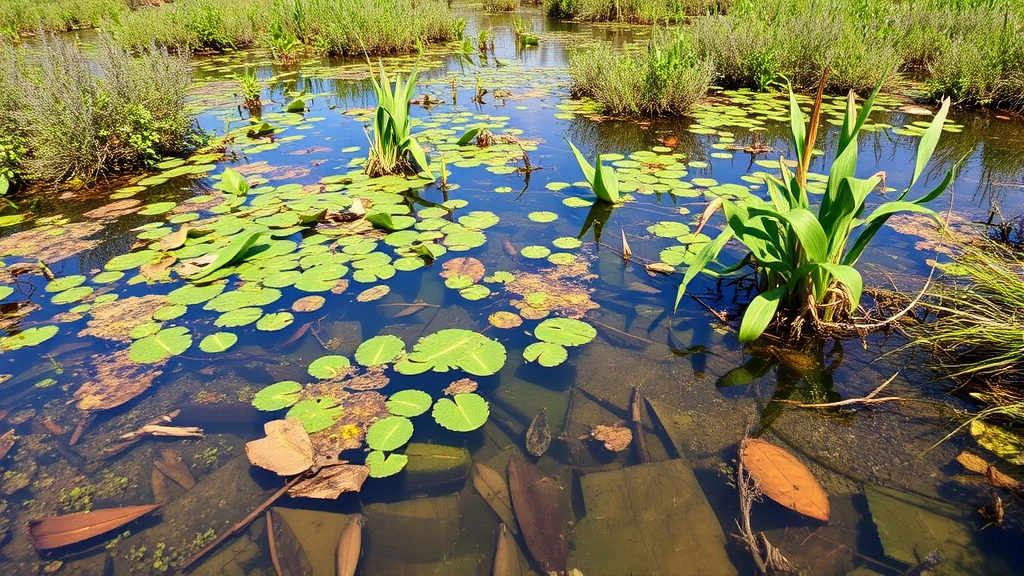
Water purification represents another critical ecosystem service with profound economic implications. Natural wetlands filter contaminants, reduce nutrient runoff, and maintain water quality at a fraction of the cost of artificial treatment systems. A 2019 study found that constructed wetlands for water purification cost approximately $15,000 per hectare annually to maintain, while natural wetlands provide equivalent services at minimal cost. For communities relying on treated water, preserving natural water purification systems directly reduces municipal expenses and improves public health outcomes.
Carbon sequestration has become increasingly valuable as carbon pricing mechanisms expand globally. Forests, mangroves, and grasslands absorb and store atmospheric carbon dioxide, mitigating climate change while providing economic value through carbon credits and climate mitigation benefits. The economic value of carbon sequestration varies by region and carbon pricing mechanisms, but estimates suggest that preserving existing forests generates $2,000 to $8,000 per hectare in carbon storage value over their lifetime.
Cultural ecosystem services—including recreation, tourism, and spiritual value—generate substantial economic returns, particularly in communities near natural amenities. Ecotourism contributes over $29 billion annually to global economies, supporting millions of jobs in hospitality, transportation, and guide services. For many developing nations, ecosystem-based tourism provides critical foreign exchange earnings and employment opportunities while incentivizing habitat conservation.
Real-World Economic Returns from Conservation
Case studies from around the world illustrate the tangible economic benefits of ecosystem conservation and restoration. Costa Rica’s payment for ecosystem services (PES) program, launched in 1997, has become a global model for translating conservation into economic opportunity. The program compensates landowners for maintaining forests, protecting watersheds, and sequestering carbon. Over two decades, the initiative has helped increase forest cover from 21% to 52% of national territory while generating sustainable income for rural communities.
The economic impact extends beyond direct payments. Increased forest cover improved water quality, reduced sedimentation in hydroelectric reservoirs, and supported tourism expansion. Studies estimate that Costa Rica’s PES program generates economic returns of 3:1 to 5:1 through combined benefits of hydroelectric efficiency, tourism revenue, and avoided restoration costs. This demonstrates how ecosystem investment creates multiplier effects throughout the economy.
In Bangladesh, mangrove restoration projects have yielded remarkable economic and social benefits. Mangroves provide critical nursery habitat for commercially important fish species while protecting coastlines from cyclones and storm surge. Following the 1970 cyclone that killed approximately 300,000 people, Bangladesh invested in mangrove restoration. These forests now support fisheries worth over $100 million annually while reducing storm damage costs by an estimated 20-30%. The economic value of cyclone protection alone justifies conservation investment.
The Great Barrier Reef provides another compelling example of ecosystem economic value. Tourism related to the reef generates approximately $5.6 billion annually in economic activity while supporting over 60,000 jobs. Coral degradation from climate change and pollution directly threatens this economic engine. Studies show that reef conservation investments generate economic returns of 15:1 through sustained tourism and fisheries productivity, yet the reef continues to face pressure from competing economic interests.
Within residential contexts, the green and environment initiatives demonstrate household-level economic benefits. Native plant landscaping reduces water consumption by 30-60%, directly lowering household utility costs. Green roofs and walls reduce building cooling costs by 20-25% while extending roof lifespan. These investments typically pay for themselves within 5-10 years while providing habitat for pollinators and other beneficial species.
Sustainable Practices and Household Economics
The transition toward ecosystem-based household economics recognizes that home environment management directly impacts both personal finances and environmental outcomes. Implementing sustainable practices at the household level creates immediate economic benefits while contributing to broader ecosystem health. This approach aligns individual financial interests with environmental conservation, creating powerful incentives for behavior change.
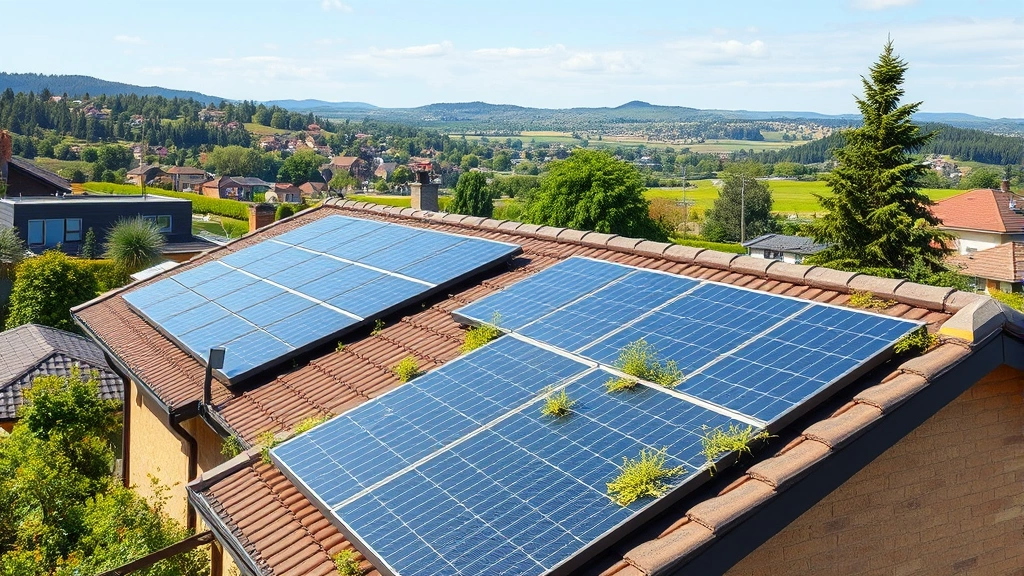
Energy efficiency improvements provide the most direct economic returns for homeowners. Installing solar panels, improving insulation, and upgrading to efficient appliances reduce energy consumption by 30-50%, translating to $1,000-$3,000 in annual utility savings depending on location and consumption patterns. Over a 25-year system lifespan, solar installations generate $25,000-$75,000 in energy cost savings while reducing carbon emissions. The renewable energy for homes guide provides detailed analysis of these economic opportunities.
Water conservation measures yield substantial savings in regions with high water costs or scarcity. Installing low-flow fixtures, capturing rainwater, and implementing drought-resistant landscaping reduces household water use by 25-50%, generating annual savings of $200-$600 depending on local water pricing. In drought-prone regions, water conservation becomes essential for both economic and environmental resilience.
Food production through home gardens and small-scale agriculture creates both economic and nutritional value. A well-maintained vegetable garden generates $500-$1,500 in annual food value while improving household food security and nutrition. Beyond direct food production, home gardens support pollinator populations, improve soil health, and reduce stormwater runoff, creating ecosystem services that benefit the broader community.
The how to reduce carbon footprint strategies encompass both household practices and broader lifestyle choices. Research demonstrates that households reducing their carbon footprint by 50% typically reduce overall consumption and waste, generating direct cost savings of 15-30% on household expenses. These savings accrue from reduced energy use, lower transportation costs, decreased food waste, and minimized material consumption.
Property values demonstrate clear correlation with environmental quality and sustainability features. Homes with energy-efficient systems, native landscaping, and water conservation features command price premiums of 3-5% while experiencing faster sales. Properties near high-quality natural areas—parks, forests, waterways—show sustained appreciation, indicating that markets increasingly value ecosystem proximity and environmental quality.
Policy Frameworks for Ecosystem-Based Economics
Effective ecosystem-based economic growth requires policy frameworks that internalize environmental values into economic decision-making. Traditional GDP accounting fails to capture ecosystem service values, leading to systematic undervaluation of conservation and overinvestment in extractive industries. Progressive governments and international organizations are implementing accounting systems that correct these distortions.
Natural capital accounting integrates ecosystem service values into national accounting frameworks, creating more accurate measures of true economic wealth and sustainability. Countries including India, Mexico, and the Philippines have implemented natural capital accounting systems that track forest cover, fisheries productivity, and water quality alongside traditional economic indicators. These frameworks enable policymakers to identify unsustainable resource depletion and redirect investment toward sustainable practices.
Payment for ecosystem services programs, pioneered in Costa Rica and now implemented in over 50 countries, directly compensate landowners for conservation. These programs create economic incentives for habitat protection, reforestation, and sustainable agriculture. Research from the United Nations Environment Programme documents that well-designed PES programs generate economic returns of 2:1 to 10:1 while achieving conservation goals more cost-effectively than traditional regulatory approaches.
Carbon pricing mechanisms, including carbon taxes and cap-and-trade systems, assign economic value to carbon sequestration and emission reduction. As carbon prices rise—currently ranging from $5-$140 per ton depending on jurisdiction—ecosystem-based carbon storage becomes increasingly valuable. Forests, wetlands, and agricultural soils provide low-cost carbon sequestration compared to technological alternatives, making ecosystem protection economically rational.
Green bonds and environmental impact investing channel capital toward ecosystem-based projects with measurable economic and environmental returns. The green bond market exceeded $500 billion in annual issuance by 2021, funding renewable energy, sustainable agriculture, ecosystem restoration, and climate adaptation projects. These mechanisms demonstrate that investors increasingly recognize ecosystem-based investments as financially sound and economically competitive.
Regulatory frameworks including environmental impact assessments, protected area designation, and sustainable use regulations create the policy foundation for ecosystem-based economics. When properly implemented, these regulations prevent economically destructive activities while enabling sustainable economic opportunities. The challenge lies in designing regulations that balance economic development with environmental protection, requiring sophisticated analysis of trade-offs and long-term economic implications.
Challenges and Opportunities in Natural Capital Valuation
Despite growing recognition of ecosystem economic value, significant challenges remain in implementing ecosystem-based economic models at scale. Valuation methodology continues to evolve, with economists debating appropriate discount rates, time horizons, and techniques for assigning monetary values to non-market ecosystem services. These methodological debates have profound implications for policy decisions and resource allocation.
Temporal mismatches between ecosystem service provision and economic benefit realization complicate policy implementation. Reforestation projects may take 20-50 years to generate full ecosystem service benefits, while investors typically expect returns within 5-10 years. This mismatch creates financing challenges, as traditional capital markets struggle to fund long-term ecosystem projects. Innovative financing mechanisms including green bonds, payment for ecosystem services, and blended finance are emerging to bridge this gap.
Distributional challenges arise when ecosystem benefits accrue to different populations than those bearing conservation costs. Local communities often bear opportunity costs of conservation—foregone timber harvest, agricultural expansion, or mineral extraction—while ecosystem benefits distribute globally. Equitable benefit-sharing mechanisms remain underdeveloped, creating political resistance to conservation in developing regions where poverty and economic opportunity are pressing concerns.
Technical capacity limitations in developing nations constrain implementation of sophisticated natural capital accounting and ecosystem valuation systems. Many countries lack the institutional infrastructure, technical expertise, and financial resources to develop comprehensive ecosystem assessment and monitoring programs. International support and capacity building remain essential for scaling ecosystem-based economic approaches globally.
Despite these challenges, opportunities abound for ecosystem-based economic growth. Emerging technologies including satellite monitoring, artificial intelligence, and blockchain enable more sophisticated ecosystem service quantification and payment mechanisms. Climate change mitigation imperatives increasingly align ecosystem conservation with economic development priorities, creating political space for ecosystem-based policy innovation.
The integration of traditional ecological knowledge with scientific ecosystem assessment creates more robust and culturally appropriate conservation approaches. Indigenous communities, who steward approximately 80% of remaining biodiversity despite comprising only 5% of global population, have developed sophisticated ecosystem management practices over millennia. Recognizing and compensating this knowledge generates both economic and conservation benefits.
Future economic growth increasingly depends on ecosystem health and natural capital preservation. As resource scarcity intensifies and climate impacts accelerate, economies that successfully integrate ecosystem management into economic planning will outperform those treating nature as an externality. The transition toward ecosystem-based economics represents not merely environmental necessity but fundamental economic rationality.
FAQ
What is natural capital and why does it matter economically?
Natural capital encompasses environmental assets—forests, water, soil, biodiversity—that provide economic value through ecosystem services. It matters because these assets generate trillions in annual economic value through pollination, water purification, climate regulation, and other services. Incorporating natural capital into economic accounting reveals true wealth and sustainability, preventing economically destructive resource depletion.
How can households benefit economically from ecosystem-based practices?
Households benefit through reduced utility costs from energy efficiency, lower water bills from conservation, food production from gardens, and property value appreciation from environmental quality. Implementing sustainable practices typically generates 15-30% household cost savings while creating ecosystem benefits. The home environment center provides resources for optimizing household environmental and economic performance.
What are payment for ecosystem services programs and how do they work?
Payment for ecosystem services (PES) programs directly compensate landowners for conservation activities including reforestation, habitat protection, and water quality improvement. Compensation comes from government budgets, private companies, or international climate funds. Costa Rica’s program demonstrates that PES generates economic returns of 3:1 to 5:1 through combined conservation and economic benefits.
How do ecosystem services translate into measurable economic value?
Ecosystem services are valued using various methodologies including market pricing (for traded services like timber), replacement cost (cost of artificial alternatives), and revealed preference (actual spending on ecosystem-related activities like ecotourism). Pollination services worth $15 billion annually, carbon sequestration at $2,000-$8,000 per hectare, and ecotourism generating $29 billion annually demonstrate ecosystem economic value at scale.
What role do carbon pricing mechanisms play in ecosystem economics?
Carbon pricing assigns economic value to carbon sequestration, making ecosystem protection financially rational. As carbon prices rise—currently $5-$140 per ton depending on jurisdiction—forests, wetlands, and agricultural soils become increasingly valuable as low-cost carbon storage. This creates economic incentives for ecosystem preservation and restoration aligned with climate mitigation objectives.
How does the transition to ecosystem-based economics affect economic development in developing countries?
Ecosystem-based economics creates opportunities for developing nations to generate economic growth while preserving natural capital. Ecotourism, sustainable agriculture, payment for ecosystem services, and carbon markets provide income and employment alternatives to extractive industries. However, equitable benefit-sharing and international support remain essential for ensuring that conservation costs don’t disproportionately burden developing communities.
What are the main barriers to implementing natural capital accounting globally?
Barriers include methodological debates about valuation techniques, technical capacity limitations in developing nations, temporal mismatches between investment and returns, and institutional challenges in integrating ecosystem values into policy. However, advancing technology, climate urgency, and growing economic evidence of ecosystem value are overcoming these obstacles and accelerating global adoption.