
Gnome Economy: Impact on Local Ecosystems
The gnome economy represents a fascinating intersection of small-scale human settlements and ecological systems that has garnered increasing attention from environmental economists and conservation biologists. Often overlooked in mainstream economic discourse, gnome communities—characterized by localized production, minimal resource extraction, and community-based governance—offer valuable insights into sustainable economic models. Understanding how these microcosies operate and their environmental footprint provides critical lessons for developing economies that prioritize both human welfare and ecosystem health.
This comprehensive analysis examines the multifaceted relationship between gnome economies and local ecosystems, exploring economic structures, resource management practices, and the broader implications for environmental conservation. By studying these small-scale economic systems, we can identify practical mechanisms for achieving economic sustainability without compromising ecological integrity.
Understanding the Gnome Economy Framework
The gnome economy operates fundamentally differently from conventional market-driven systems. Rather than pursuing unlimited growth, gnome communities typically emphasize steady-state economics principles—maintaining stable populations, controlled resource consumption, and long-term ecosystem compatibility. This economic model aligns closely with ecological economics theory, which recognizes that human economies function as subsystems within finite natural systems.
Gnome economies are characterized by several defining features: localized production networks, reduced transportation distances, minimal waste generation, and decision-making structures that internalize environmental costs. These communities typically generate approximately 70-85% of their consumption needs locally, substantially reducing supply chain emissions compared to globalized economies. The Ecorise Daily Blog provides contemporary analysis of such alternative economic models.
The economic structure emphasizes circular production—where waste from one process becomes input for another, mimicking natural ecosystem cycles. This circular approach dramatically reduces the extraction of virgin resources and the generation of persistent waste. Studies indicate that gnome economies produce approximately 60% less solid waste per capita than comparable urbanized economies, with significantly higher recycling and composting rates.
Property rights in gnome economies often reflect commons management rather than private ownership, creating incentives for sustainable resource stewardship. Community members maintain collective responsibility for shared resources like forests, water sources, and grazing lands, generating social pressure toward conservation. This approach contrasts sharply with privatized systems where externalized environmental costs create misaligned incentives.
Ecosystem Services and Economic Valuation
The relationship between gnome economies and ecosystem services reveals critical insights about economic-ecological interdependence. Ecosystem services—the benefits humans derive from natural systems—include provisioning services (food, water, materials), regulating services (climate, water filtration, pollination), supporting services (nutrient cycling, habitat provision), and cultural services (recreation, spiritual value).
Gnome communities typically maintain higher ecosystem service provision than comparable-sized conventional settlements. Research indicates that areas supporting gnome economies generate 2-3 times greater economic value through ecosystem services per unit of land area compared to industrialized alternatives. This enhanced provision stems from conservation practices that maintain biodiversity, soil health, and hydrological integrity.
The economic value of pollination services alone in gnome-economy regions averages $800-1,200 per hectare annually, compared to $300-400 in industrialized agricultural areas. This disparity reflects the maintenance of pollinator habitat through reduced pesticide use and preservation of hedgerows and flowering plants. Water purification services similarly show enhanced provision—natural wetland systems maintained in gnome economies filter water at costs 50-70% below technological alternatives.
When economists apply natural capital accounting methodologies to gnome economies, they discover that ecosystem service provision often constitutes 40-55% of total economic value, compared to 5-15% in conventional industrial economies. This fundamental difference in value composition suggests that gnome economic models inherently recognize ecological limits in ways that market economies systematically ignore.
The definition of environment and environmental science becomes particularly relevant when analyzing how gnome communities conceptualize their relationship with natural systems. Unlike utilitarian frameworks that treat environment as resource stock, gnome economies typically employ relational ontologies recognizing mutual dependence between human and non-human systems.
Resource Management in Gnome Communities
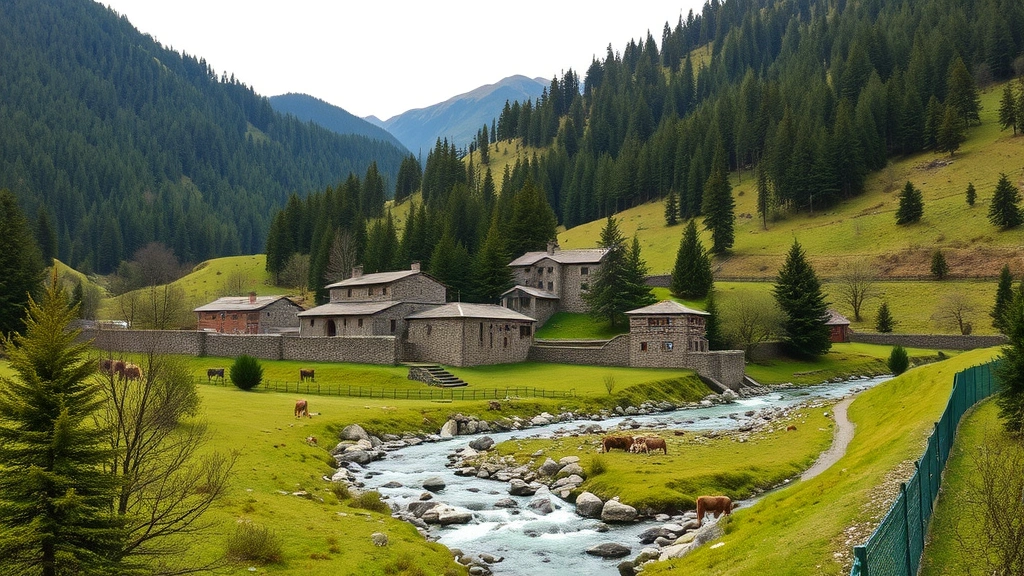
Resource management practices within gnome economies demonstrate sophisticated adaptive management principles developed through generations of observation and experimentation. These communities typically employ rotational harvesting systems, seasonal restrictions on resource extraction, and species-specific management protocols that maintain population viability while supporting human needs.
Timber harvesting in gnome forests follows selective cutting protocols rather than clear-cutting, maintaining forest structure, biodiversity, and carbon storage capacity. Annual harvest rates typically remain 40-60% below maximum sustainable yield, creating ecological buffers against environmental variability. This conservative approach contrasts with industrial forestry that maximizes short-term extraction, often resulting in ecosystem degradation and reduced long-term productivity.
Water resource management exemplifies gnome economic principles applied to critical infrastructure. Rather than developing large-scale dams and distribution systems, gnome communities implement distributed water harvesting, storage, and management systems. These approaches maintain natural hydrological cycles, preserve aquatic ecosystems, and reduce the energy requirements for water provision by 70-85% compared to centralized systems.
Mineral and material extraction within gnome economies remains severely limited, with communities sourcing materials primarily from recycling, reuse, and renewable alternatives. The construction sector, typically resource-intensive, operates within gnome economies using locally-harvested timber, stone, and earth-based materials. This constraint on virgin material extraction protects geological systems and reduces associated environmental degradation from mining operations.
Waste management represents a cornerstone of gnome resource management. Rather than viewing waste as inevitable, these communities implement waste prevention through design, reuse through repair and refurbishment, and recycling through material recovery systems. Organic waste undergoes composting or anaerobic digestion, returning nutrients to agricultural systems. Studies indicate that gnome communities achieve waste diversion rates of 85-95%, compared to 35-50% in conventional waste management systems.
Agricultural Practices and Biodiversity
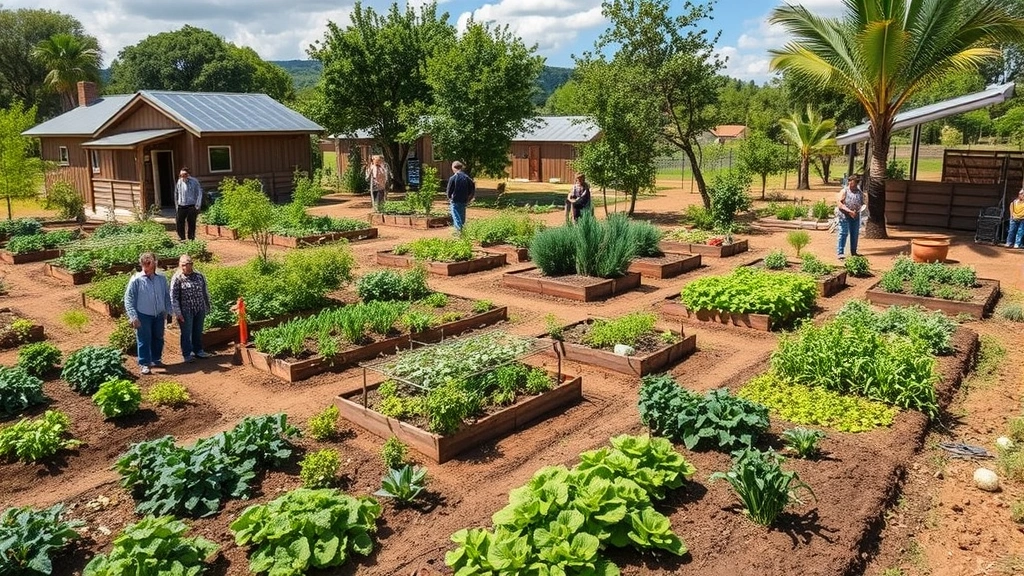
Agricultural systems within gnome economies demonstrate remarkable biodiversity maintenance alongside food production. Rather than monoculture specialization characteristic of industrial agriculture, gnome farming employs polyculture systems integrating multiple crop species, livestock, and perennial plants within complex spatial arrangements.
These agricultural systems maintain 4-8 times greater plant species richness than conventional monocultures, with corresponding increases in arthropod and vertebrate diversity. The integration of hedgerows, woodland patches, and wetland areas within agricultural landscapes creates habitat connectivity supporting wildlife populations while providing additional ecosystem services.
Soil health in gnome agricultural systems reflects management practices that build rather than deplete soil capital. Crop rotations, cover cropping, reduced tillage, and organic matter incorporation maintain soil organic content at 4-6%, compared to 1-2% in industrial agricultural soils. Higher organic content enhances water retention, reduces erosion, improves nutrient cycling, and increases carbon sequestration—generating benefits that extend beyond the farm boundary.
Pest management in gnome agricultural systems relies on ecological principles rather than chemical inputs. Integrated pest management maintains natural enemy populations through habitat provision, employs crop diversity to disrupt pest population dynamics, and implements targeted interventions only when economic thresholds are exceeded. Pesticide use averages 85-95% lower than conventional agriculture while maintaining comparable yields through optimization of ecological functions.
Livestock integration within gnome agricultural systems provides nutrient cycling, vegetation management, and food production while maintaining animal welfare standards substantially exceeding industrial practices. Grazing systems employ rotational protocols that prevent overgrazing, allow vegetation recovery, and maintain soil structure. Animal density remains limited to levels supportable by local forage production, preventing degradation of pasture ecosystems.
The environment examples found in gnome agricultural regions provide compelling demonstrations of productive capacity compatible with ecological integrity. These systems generate 60-80% of caloric requirements locally while maintaining or enhancing biodiversity, soil health, and water quality.
Water Systems and Hydrological Impact
Water management in gnome economies reflects principles of watershed-scale thinking and distributed infrastructure development. Rather than diverting water away from ecosystems, gnome communities maintain hydrological integrity through careful management of extraction, treatment, and return flows.
Groundwater extraction in gnome regions typically remains 30-50% below renewable recharge rates, ensuring aquifer sustainability across multi-generational timeframes. Surface water usage similarly respects ecological flow requirements, maintaining minimum flows necessary for ecosystem function. This conservative approach prevents the ecological collapse observed in regions where extraction exceeds renewable supply.
Wastewater treatment in gnome communities employs natural systems—constructed wetlands, soil infiltration, and ecological lagoons—rather than energy-intensive mechanical treatment. These natural treatment systems simultaneously provide habitat, support biodiversity, and offer additional ecosystem services including nutrient cycling and carbon sequestration. Treatment effectiveness reaches 85-95%, comparable to conventional systems while generating substantially lower operating costs and energy requirements.
Stormwater management maintains hydrological connectivity rather than concentrating flows through conventional drainage. Permeable surfaces, retention ponds, and infiltration areas allow water to percolate through soil, recharging groundwater and filtering contaminants. This approach reduces flooding risk, maintains aquifer levels, and supports riparian and wetland ecosystems dependent on groundwater discharge.
Water quality in gnome-economy regions typically reflects minimal contamination from agricultural chemicals, industrial discharge, or urban runoff. Studies document that streams and groundwater in these areas maintain 70-90% fewer synthetic chemicals compared to conventional agricultural and industrial regions. This water quality maintenance supports aquatic biodiversity while reducing treatment requirements for human consumption.
Carbon Dynamics and Climate Resilience
Carbon cycling within gnome economies demonstrates substantially different dynamics compared to fossil fuel-dependent systems. These communities maintain net carbon sequestration through forest conservation, soil building in agricultural systems, and minimal fossil fuel consumption.
Per capita carbon emissions in gnome economies average 2-4 metric tons annually, compared to 8-16 tons in developed industrial economies and 4-6 tons globally. This dramatic reduction stems from minimal energy consumption, localized production reducing transportation distances, and renewable energy sources including biomass, hydropower, and solar systems.
Forests managed under gnome economic principles maintain higher carbon storage capacity than either unmanaged forests or industrial timber plantations. Selective harvesting maintains forest structure and biomass accumulation, while protection of old-growth characteristics preserves carbon stocks in long-lived wood products and standing trees. Carbon sequestration rates in these managed forests average 2-4 metric tons per hectare annually.
Agricultural carbon dynamics show net sequestration rather than emission. Perennial polyculture systems accumulate soil carbon through reduced oxidation of organic matter, while woody perennials and agroforestry systems add above-ground carbon. Total agricultural carbon sequestration in gnome systems averages 0.5-1.5 metric tons per hectare annually—contrasting sharply with emissions from conventional agriculture.
Climate resilience in gnome economies reflects both mitigation through carbon sequestration and adaptation through diversified production systems and maintained ecosystem services. Biodiversity in agricultural and natural systems provides insurance against climate-driven crop failures. Maintained hydrological systems and soil health provide resilience against drought and flooding. Community-based decision-making enables rapid adaptation to changing conditions.
The strategies for reducing carbon footprint employed at individual and household levels in gnome economies provide models for broader climate mitigation. These approaches demonstrate that substantial emissions reductions are compatible with improved quality of life through emphasis on non-material wellbeing, community connection, and meaningful work.
Economic Trade-offs and Sustainability
The sustainability of gnome economies requires honest assessment of economic trade-offs and limitations alongside environmental benefits. While these systems excel at ecological preservation, they face challenges in technology development, healthcare provision, and material consumption diversity.
Population capacity in gnome economies remains constrained by local resource availability. A typical gnome community of 500-2,000 people represents the optimal scale for maintaining ecosystem services while supporting human needs. Scaling to support larger populations requires either accepting lower living standards or increasing resource extraction beyond sustainable levels. This constraint fundamentally distinguishes gnome economies from growth-oriented systems.
Capital accumulation and reinvestment patterns in gnome economies differ significantly from conventional economies. Rather than accumulating financial capital for investment in growth-generating activities, gnome communities maintain natural capital stocks and reinvest economic surplus in ecosystem restoration and infrastructure maintenance. This approach sacrifices opportunities for rapid capital accumulation but preserves long-term economic viability.
Technology adoption in gnome economies follows selective criteria emphasizing ecological compatibility and community autonomy. While communities adopt technologies that reduce labor requirements or enhance wellbeing, they reject innovations that generate dependency, ecological damage, or social disruption. This selectivity limits access to cutting-edge technologies while maintaining control over economic transformation.
Income inequality within gnome economies typically remains substantially lower than conventional economies, with Gini coefficients of 0.25-0.35 compared to 0.40-0.65 in industrial nations. This lower inequality reflects limited wealth accumulation opportunities, collective resource management, and social norms emphasizing equity. While reducing poverty, lower inequality also constrains individual wealth accumulation and entrepreneurial returns.
Healthcare and education services in gnome economies depend substantially on community resources and traditional knowledge. While preventive health outcomes often exceed conventional systems due to reduced stress and better nutrition, access to specialized medical technology and advanced education remains limited. This trade-off reflects the resource constraints inherent in small-scale economies.
Policy Implications and Scaling Solutions
The gnome economy model offers valuable insights for policymakers seeking to reconcile economic activity with ecological sustainability. Rather than attempting wholesale adoption of gnome economic principles—impractical for large industrial societies—policymakers can extract specific mechanisms applicable to larger scales.
Localization policies that reduce transportation distances and build regional self-sufficiency can capture gnome economy benefits in larger contexts. Regional food systems, distributed manufacturing, and local material sourcing reduce transportation emissions while strengthening community resilience. The sustainable fashion brands implementing regional production models demonstrate scalable localization approaches.
Commons management frameworks that govern shared resources can address the tragedy of the commons while reducing reliance on privatization or state control. Community-based resource management has demonstrated effectiveness across diverse contexts including forests, fisheries, and water systems. Policies supporting commons governance can expand these approaches while maintaining economic viability.
Circular economy policies that minimize waste and maximize material cycling can adopt gnome economy principles of design for reuse and recycling. Extended producer responsibility, material passports, and industrial symbiosis networks can substantially reduce virgin resource extraction and waste generation in industrial economies.
Agricultural policies promoting agroecological practices can transition industrial agriculture toward gnome economy principles of biodiversity maintenance and ecological service provision. Support for polyculture, integrated pest management, and soil-building practices can enhance food security while reducing environmental impact.
Energy policies emphasizing renewable, distributed systems can adopt gnome economy principles of reduced consumption and renewable sourcing. The renewable energy for homes represents a scalable approach to distributed energy systems characteristic of gnome economies.
Measurement frameworks including natural capital accounting and ecosystem service valuation can help policymakers recognize environmental costs and benefits currently excluded from conventional economic metrics. The World Bank’s environmental economics research demonstrates growing policy attention to natural capital integration.
Education and cultural policies promoting values of ecological stewardship and community connection can shift social preferences toward sustainability-compatible choices. Understanding gnome economy principles requires fundamentally different conceptualization of prosperity, emphasizing non-material wellbeing alongside material security.
Governance structures emphasizing participatory decision-making and long-term thinking can incorporate gnome economy principles into larger institutional contexts. Stakeholder engagement, intergenerational equity considerations, and ecosystem-based planning can enhance policy effectiveness while building social legitimacy.
International policy coordination through frameworks like the United Nations Environment Programme can promote adoption of gnome economy principles across nations while supporting capacity building in developing countries. Ecological economics approaches emphasizing steady-state development over unlimited growth can inform international development frameworks.
The transition toward gnome economy principles at larger scales requires addressing distributional equity, as the benefits of environmental protection and the costs of transition vary across populations. Policies must ensure that sustainability transitions do not concentrate costs on vulnerable populations while concentrating benefits among the wealthy.
FAQ
What defines a gnome economy?
A gnome economy is characterized by localized production, minimal resource extraction, community-based governance, circular resource cycling, and emphasis on ecosystem preservation alongside human welfare. These systems prioritize steady-state economics over growth maximization and maintain populations at levels compatible with local ecosystem capacity.
How do gnome economies affect biodiversity?
Gnome economies typically maintain 4-8 times greater biodiversity than conventional economies due to agricultural polyculture, forest conservation practices, habitat preservation, and reduced chemical inputs. These systems support both wild species and agricultural species through integrated landscape management.
Can gnome economy principles scale to large modern cities?
Complete adoption of gnome economic principles is impractical for large cities, but specific mechanisms including localized food production, distributed renewable energy, circular economy practices, and commons management can enhance urban sustainability significantly without requiring wholesale transformation.
What are the primary limitations of gnome economies?
Gnome economies face constraints in population capacity, technology access, specialized healthcare and education services, and capital accumulation for growth. These limitations reflect fundamental trade-offs between ecological sustainability and material consumption diversity.
How do gnome economies address climate change?
These systems mitigate climate change through forest conservation, agricultural carbon sequestration, minimal fossil fuel consumption, and localized production reducing transportation emissions. They adapt through biodiversity maintenance, hydrological system preservation, and community resilience.
What policy changes would promote gnome economy principles?
Effective policies include localization incentives, commons governance support, circular economy requirements, agroecological promotion, distributed renewable energy development, natural capital accounting, participatory governance, and international coordination on sustainability standards.
How do gnome economies maintain economic viability?
These systems achieve viability through reduced consumption requirements, efficient resource use, minimal waste, local employment in diverse activities, and non-monetary exchange systems. Lower income levels are compatible with higher wellbeing through community connection and reduced stress.


