
The Circular Economy: Expert Insights on Impact
The circular economy represents a fundamental departure from the linear “take-make-waste” model that has dominated industrial production for over two centuries. Rather than treating resources as infinite and disposal as costless, circular economy principles emphasize regeneration, restoration, and the continuous cycling of materials through economic systems. This paradigm shift addresses what economists call the externally-managed environment—the tendency of markets to ignore environmental degradation by treating natural capital as an externality rather than a core economic input. Understanding how the circular economy corrects this market failure requires examining both theoretical foundations and practical implementations across industries.
The transition to circular systems fundamentally reimagines the relationship between economic activity and ecological limits. By closing material loops and extending product lifecycles, circular approaches internalize environmental costs that traditional linear models externalize. This article synthesizes expert insights on the circular economy’s transformative potential, examining mechanisms through which it reshapes business models, policy frameworks, and our relationship with natural resources. The evidence demonstrates that circular systems generate measurable economic and environmental benefits, though realizing this potential requires systemic changes across production, consumption, and regulatory infrastructure.
Understanding the Circular Economy Framework
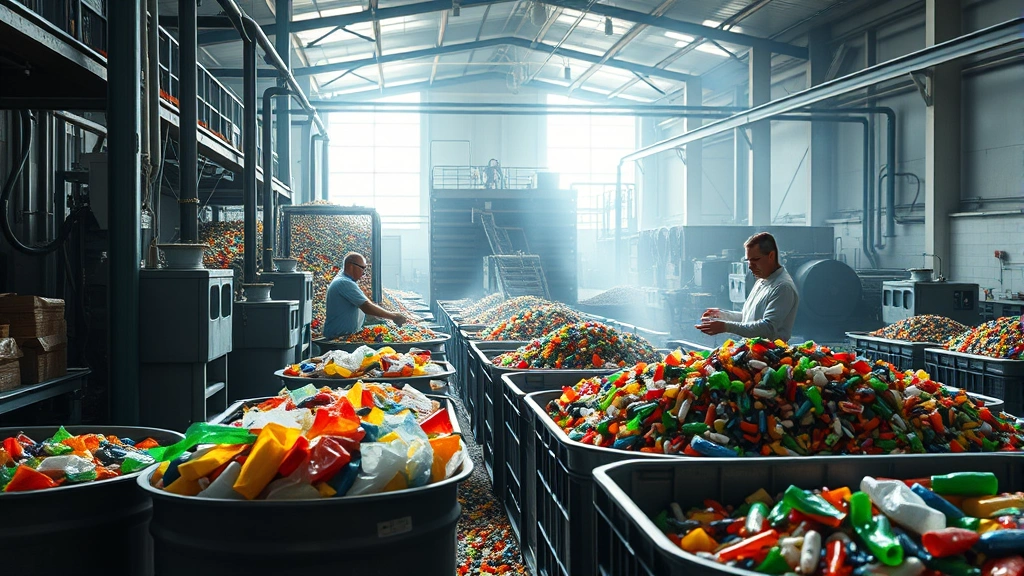
The circular economy operates on three core principles: design out waste, keep products and materials in use, and regenerate natural systems. Unlike linear models where materials flow unidirectionally from extraction through disposal, circular systems create feedback loops where end-of-life products become feedstock for new production cycles. This architectural difference fundamentally alters economic incentives and environmental outcomes.
Experts distinguish between biological and technical cycles within circular frameworks. Biological cycles encompass materials that safely return to soil—organic compounds, plant-based textiles, and food waste that can decompose without toxicity. Technical cycles involve synthetic or complex materials requiring industrial reprocessing: metals, plastics, electronics, and composite materials that must be recovered through mechanical or chemical processes. Ellen MacArthur Foundation research indicates that effective circular systems explicitly design products for one of these cycles from inception, rather than attempting retroactive adaptation.
The economic logic underlying circular transitions centers on resource scarcity and price volatility. Virgin material extraction faces escalating costs as accessible deposits deplete, transportation distances increase, and environmental remediation expenses mount. Secondary material recovery, by contrast, often requires less energy than primary extraction—recycled aluminum demands 95% less energy than bauxite processing, while recycled steel saves 74% compared to ore-based production. These efficiency gains translate directly to cost advantages, creating economic incentives that align with environmental objectives.
Circular economy frameworks also address what ecological economists term carbon intensity reduction across supply chains. By minimizing transportation, reducing processing requirements, and extending product lifespans, circular systems decrease energy consumption and associated emissions. Research from World Bank environmental economics divisions estimates that circular material flows could reduce extraction-related emissions by 40% while simultaneously decreasing waste generation.
Market Failures and Environmental Externalities
The persistence of linear economic models despite well-documented environmental damage reflects systematic market failures in how economies value natural capital. Environmental externalities—costs borne by society rather than market participants—distort pricing signals and encourage overextraction. When companies extract resources without compensating for ecosystem degradation, or dispose of waste without bearing full remediation costs, market prices systematically undervalue environmental impact.
This externality problem creates what economists call the “tragedy of the commons,” where rational individual actors pursuing profit maximization generate collectively irrational environmental outcomes. A manufacturing firm maximizes shareholder returns by externalizing waste disposal costs to water systems, soil, and atmosphere. Competitors adopting identical strategies gain no competitive advantage, creating a race-to-the-bottom dynamic where environmental stewardship becomes economically penalized. Circular economy mechanisms interrupt this destructive logic by internalizing environmental costs through design requirements, extended producer responsibility, and material recovery mandates.
Expert analysis from ecological economics researchers emphasizes that traditional GDP accounting masks environmental degradation by treating resource extraction as income rather than capital depletion. When a forest is harvested, GDP increases by the timber value without deducting the loss of ecosystem services, carbon sequestration capacity, and biodiversity. Circular economy transitions require parallel accounting reforms that measure genuine progress toward ecological sustainability rather than throughput maximization. UNEP has developed frameworks for integrated environmental and economic accounting that better capture circular system benefits.
The externally-managed environment problem intensifies in global supply chains where extraction occurs in jurisdictions with weak environmental governance, while consumption and profits concentrate in wealthy nations. This geographic decoupling allows wealthy economies to maintain consumption levels while outsourcing environmental damage. Circular economy transitions that localize material loops and increase transparency across supply chains address this dynamic by making environmental impacts visible to producers and consumers.
Business Model Innovation and Value Creation
Circular economy transitions require fundamental business model restructuring beyond incremental efficiency improvements. Rather than selling products, companies increasingly offer services: instead of purchasing vehicles, consumers subscribe to mobility; instead of buying lighting, businesses pay for illumination as a service while manufacturers retain material ownership. These shifts realign corporate incentives with resource efficiency since companies now profit from durability and longevity rather than replacement frequency.
Performance-based service models exemplify this transformation. Interface, the carpet manufacturer, shifted from selling carpet tiles to leasing flooring solutions, retaining ownership and responsibility for end-of-life recovery. This model change eliminated the incentive to minimize material costs through corner-cutting, since the company bears recycling expenses. The result: Interface redesigned products for durability, disassembly, and material recovery, simultaneously improving environmental performance and increasing profitability through operational efficiency gains.
Product-as-service transitions enable companies to capture value from material recovery that linear models ignore. When manufacturers maintain material ownership, recycling and remanufacturing become profit centers rather than waste management costs. Patagonia’s repair and recycling services transform used garments into raw materials for new production, extending brand engagement while reducing virgin material requirements. These business model innovations demonstrate that environmental sustainability and economic profitability need not conflict when systems properly align incentives.
Design innovation drives circular business model success. Companies implementing circular principles invest heavily in material science, durability engineering, and disassembly optimization to ensure products can be efficiently recovered and reprocessed. This design emphasis creates competitive advantages through differentiation and brand loyalty, particularly among environmentally conscious consumers. Research on sustainable fashion brands reveals premium pricing power for products marketed with transparent material recovery processes.
Industrial Implementation and Case Studies
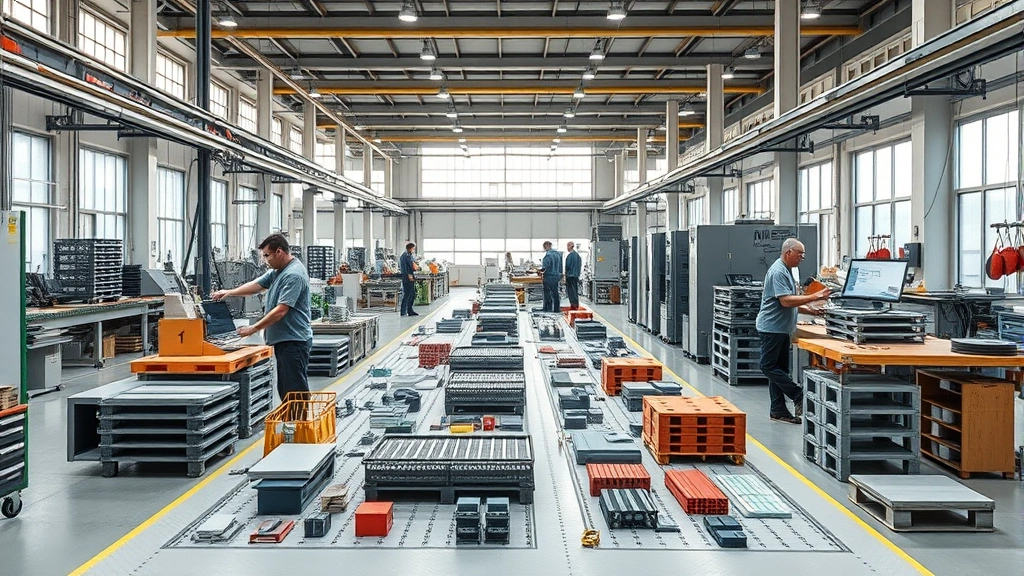
Circular economy principles have achieved measurable implementation across diverse industrial sectors, generating empirical evidence of economic and environmental viability. The electronics industry demonstrates both the potential and challenges of technical cycle management. E-waste represents one of the fastest-growing waste streams globally, containing valuable materials—gold, copper, rare earth elements—alongside toxic substances. Companies like Fairphone design smartphones for disassembly and component recovery, enabling material recovery that linear production chains waste.
Construction and demolition waste comprises approximately 30-40% of total waste streams in developed economies, yet recovery rates remain low. Circular construction models emphasize modular design, material standardization, and deconstruction protocols that facilitate material recovery. Interface’s modular carpet tiles enable selective replacement and recovery, while companies adopting circular construction principles report 50-80% material recovery rates compared to 5-10% in conventional demolition. These improvements reduce landfill dependency while creating secondary material markets that support renewable energy transition infrastructure development.
The food and beverage sector implements circular principles through organic waste valorization and packaging innovation. Companies processing agricultural products increasingly convert byproducts into animal feed, compost, or biochemical inputs rather than disposing to landfills. Danone’s commitment to circular packaging aims to eliminate single-use plastics through reusable and compostable alternatives, demonstrating that even consumer goods industries can restructure around circular principles. Research indicates that food waste recovery generates economic value through energy production, soil amendment, and animal feed applications worth $10-20 per ton of organic waste.
Textile manufacturing, historically one of the most resource-intensive and polluting industries, increasingly implements circular collection and reprocessing systems. Fast fashion’s linear model generates 92 million tons of textile waste annually, much destined for landfills or low-income country dumping. Emerging circular textile technologies enable fiber-to-fiber recycling, allowing used garments to become new fabric without quality degradation. Companies adopting these systems report 70-85% cost savings compared to virgin fiber production once infrastructure scales, alongside significant water and chemical consumption reductions.
Policy Mechanisms and Regulatory Approaches
Circular economy transitions require policy frameworks that correct market failures and establish enabling conditions for systemic change. Extended producer responsibility (EPR) schemes represent the most widely implemented policy mechanism, requiring manufacturers to manage end-of-life product recovery and disposal. By making producers bear the full lifecycle costs of products they place on markets, EPR internalizes environmental externalities and creates economic incentives for circular design.
EPR effectiveness depends on implementation details. Schemes charging fees based on material type and recyclability encourage design for recovery, while poorly structured programs merely shift disposal costs without changing production incentives. European Union regulations implementing EPR for electronics, packaging, and vehicles have driven measurable improvements in recovery rates and material reuse, though regional variation in stringency creates implementation challenges. Economic analysis from European Environment Agency research documents that well-designed EPR schemes increase material recovery 20-40% relative to baseline disposal patterns.
Circular procurement policies leverage government purchasing power to create demand for circular products and services. Public sector procurement accounts for 15-20% of GDP in developed economies, providing substantial market signals. When governments require circular design criteria, material recovery certifications, and lifecycle assessment documentation, they incentivize producers to implement circular principles while demonstrating market viability. European Union green public procurement policies have accelerated circular innovation adoption across construction, IT equipment, and furniture sectors.
Tax and subsidy structures critically influence circular economy transitions. Removing subsidies on virgin material extraction—which economists estimate globally exceed $500 billion annually—immediately improves competitiveness of recycled materials. Conversely, implementing virgin material taxes and landfill fees increases disposal costs while improving secondary material economics. Research from International Resource Panel demonstrates that modest material taxation (5-10% of extraction costs) generates sufficient price signals to shift industrial investment toward circular technologies.
Regulatory standards for material recovery and recycled content requirements establish minimum circular performance thresholds across industries. Mandating minimum recycled content percentages creates stable demand for secondary materials, justifying infrastructure investment. EU regulations requiring minimum recycled content in plastic packaging (10-30% depending on application) have catalyzed European recycled plastic markets, reducing virgin plastic demand while generating employment in collection and reprocessing sectors.
Economic Impact and Resource Efficiency
Quantifying circular economy economic impacts requires distinguishing between direct cost savings, systemic efficiency gains, and broader macroeconomic effects. Direct savings accrue from reduced material input costs—virgin material expenses eliminated through recovery and reprocessing. For material-intensive industries, these savings prove substantial: aluminum recycling costs 20-30% of virgin production, while recycled copper commands 85-95% of virgin prices despite lower processing requirements.
Systemic efficiency gains emerge from reduced energy consumption, transportation optimization, and waste elimination across value chains. Life cycle assessments comparing circular and linear production systems consistently document 30-60% energy reductions for recycled materials, with corresponding greenhouse gas emission decreases. Water consumption reductions prove even more dramatic: recycled aluminum saves 97% of water required for bauxite processing, while textile fiber recycling eliminates 99% of water consumption compared to virgin production.
Employment generation represents a significant economic benefit often overlooked in circular economy discussions. Material recovery, remanufacturing, and repair services are inherently labor-intensive, requiring skilled technicians and workers. Studies documenting employment impacts of circular transitions reveal that waste management and recycling sectors generate 3-5 jobs per ton of material processed, compared to 0.5-1 job for virgin material extraction. Scaling circular systems could generate millions of employment opportunities, particularly in developing economies where labor costs enable competitive advantage in labor-intensive recovery operations.
Macroeconomic modeling of circular economy transitions suggests substantial GDP growth potential, contrary to assumptions that environmental protection requires economic sacrifice. McKinsey research indicates that circular economy implementation across key sectors could generate $4.5 trillion in economic benefits by 2030 through material cost savings, employment creation, and innovation-driven productivity gains. These benefits accrue alongside emissions reductions of 39% relative to linear baseline scenarios, demonstrating that circular transitions achieve simultaneous environmental and economic improvements.
Innovation investment drives circular economy economic dynamism. Companies implementing circular principles invest disproportionately in R&D for material science, disassembly technologies, and reverse logistics optimization. These investments generate spillover benefits supporting broader industrial competitiveness. Regions pioneering circular transitions—particularly Scandinavian countries and the Netherlands—report above-average productivity growth and competitive advantage in emerging circular technology markets.
Challenges and Transition Barriers
Despite compelling economic and environmental logic, circular economy transitions face substantial implementation barriers requiring careful policy design and stakeholder engagement. Technical challenges emerge from material complexity: modern products increasingly combine diverse materials—composites, alloys, multi-layer packaging—designed for performance rather than recovery. Developing technologies capable of efficiently separating and reprocessing these complex materials requires sustained R&D investment and infrastructure development.
Economic barriers persist despite improved circular material economics. Incumbent linear industries benefit from existing infrastructure, supply chain relationships, and sunk capital investments, creating resistance to systemic change. Virgin material extraction industries actively lobby against policies internalizing environmental costs, protecting artificially advantageous market positions. Overcoming this resistance requires policy commitment and stakeholder coalitions supporting transition, including forward-thinking companies recognizing circular competitive advantages.
Infrastructure deficits constrain circular system scaling. Effective material recovery requires collection networks, sorting facilities, and reprocessing capacity often lacking in many regions. Building this infrastructure requires coordinated investment across public and private sectors, with uncertain returns during scaling phases. Geographic fragmentation of waste streams—particularly in dispersed rural areas—creates collection economics challenges absent in dense urban environments, potentially limiting circular system accessibility.
Consumer behavior and information asymmetries impede circular transitions. Most consumers lack awareness of circular options or material recovery possibilities, limiting demand signals supporting investment. Lack of transparency regarding material composition, recycled content percentages, and end-of-life recovery pathways prevents informed consumption choices. Addressing these barriers requires mandatory labeling requirements, consumer education initiatives, and environmental communication strategies making circular principles accessible.
Global supply chain complexity creates circular system implementation challenges, particularly for multinational corporations operating across jurisdictions with varying environmental standards. Establishing consistent material recovery protocols across diverse regulatory environments requires harmonized standards and international cooperation. Trade regulations and tariff structures sometimes penalize recycled material imports, creating perverse incentives against circular material flows across borders.
Future Trajectories and Scaling Opportunities
Circular economy transitions accelerate as technological capabilities advance, policy support strengthens, and consumer demand increases. Emerging technologies promise to overcome current technical barriers, enabling recovery of complex materials previously considered non-recyclable. Advanced sorting technologies using artificial intelligence and spectroscopy improve material separation accuracy and throughput. Chemical recycling processes break down complex polymers into molecular components enabling infinite reprocessing without quality degradation.
Biotechnology integration offers promising opportunities for circular system expansion. Engineered microorganisms capable of degrading synthetic materials—including PET plastics and polyurethane—enable biological recovery pathways complementing mechanical recycling. Companies developing enzyme-based material decomposition report successful processing of textile waste and plastic bottles, with scaling timelines of 5-10 years for commercial viability. These biological solutions address material complexity challenges that mechanical processes cannot overcome.
Digital technologies—particularly blockchain, IoT sensors, and artificial intelligence—enable transparency and optimization across circular supply chains. Material tracking through blockchain creates verifiable records of recycled content percentages and end-of-life recovery, preventing greenwashing while building consumer confidence. IoT sensors embedded in products enable real-time monitoring of material composition and condition, optimizing collection timing and reprocessing efficiency. These digital infrastructures reduce information asymmetries that currently impede circular system scaling.
Circular economy transitions require integration with broader sustainability transitions, particularly organic agriculture and regenerative practices supporting soil health and biodiversity. Biological cycle materials increasingly source from regenerative agricultural systems, creating synergies where circular principles strengthen ecosystem resilience. Companies implementing comprehensive sustainability strategies combining circular material management with regenerative sourcing report enhanced brand value and customer loyalty alongside environmental benefits.
Developing economy participation represents a critical scaling opportunity. Many developing nations possess substantial secondary material resources and abundant labor for material recovery operations, creating comparative advantage in circular system implementation. Supporting technology transfer, infrastructure investment, and capacity building in developing economies could generate employment while reducing global material extraction pressure. International development institutions increasingly prioritize circular economy transitions as pathways toward sustainable development combining environmental protection with economic opportunity.
Systemic scaling of circular economies requires political commitment establishing binding circular targets and investment commitments. The European Union’s Circular Economy Action Plan establishes quantitative targets for recycled content, material recovery rates, and waste reduction across sectors, creating policy certainty supporting long-term investment. Similar commitments from major economies—China, India, United States—would substantially accelerate global circular transitions. International cooperation frameworks establishing harmonized circular standards could facilitate material flows across borders while ensuring environmental integrity.
FAQ
What distinguishes circular economy from traditional recycling?
Circular economy encompasses recycling but extends far beyond. Traditional recycling often involves downcycling—processing materials into lower-value applications with reduced functionality. Circular systems emphasize maintaining material quality through closed-loop processes, extending product lifespans through design durability, and preventing waste generation through design-phase interventions. Circular approaches address systemic incentive structures, while recycling represents one tactical component of broader circular transitions.
How do companies profit from circular business models?
Circular models generate profit through multiple mechanisms: reduced material input costs from recovery and reprocessing, premium pricing for sustainable products, new revenue streams from service provision and material recovery, operational efficiency gains reducing waste, and brand differentiation attracting environmentally conscious consumers. Extended producer responsibility internalizes costs previously externalized, making circular design economically advantageous rather than a cost burden.
What policy changes best accelerate circular economy transitions?
Most effective policies combine multiple mechanisms: extended producer responsibility making manufacturers accountable for end-of-life management, virgin material taxation increasing recycled material competitiveness, recycled content mandates creating stable secondary material demand, circular procurement requirements leveraging government purchasing power, and infrastructure investment supporting collection and reprocessing capacity. Policy combinations addressing multiple barriers simultaneously prove more effective than isolated interventions.
Which industries lead circular economy implementation?
Electronics, automotive, construction, textiles, and consumer goods lead circular adoption, driven by regulatory pressure (particularly in Europe), high virgin material costs, and technological feasibility. However, circular principles apply across all industries. Food and beverage, pharmaceuticals, and chemical manufacturing increasingly implement circular approaches, though policy support and technology maturity vary significantly by sector.
How does circular economy address climate change?
Circular systems reduce greenhouse gas emissions through multiple pathways: lower energy requirements for recycled materials compared to virgin extraction, reduced transportation through localized material loops, decreased waste generation preventing landfill methane emissions, and extended product lifespans reducing manufacturing frequency. Comprehensive circular implementation could achieve 39-48% emissions reductions relative to linear baseline scenarios, making circular transitions critical climate mitigation strategies.