Does Green Energy Boost Economies? Economist Insights
The intersection of environmental sustainability and economic growth has become one of the most compelling debates in modern economics. For decades, policymakers and business leaders operated under the assumption that environmental protection and economic prosperity were inherently at odds—a zero-sum game where choosing one meant sacrificing the other. However, emerging evidence from economists worldwide suggests a fundamentally different narrative: green energy investments may not merely coexist with economic growth, but actively catalyze it.
This paradigm shift reflects decades of research demonstrating that renewable energy transitions generate substantial economic multipliers through job creation, technological innovation, and infrastructure development. The International Renewable Energy Agency reports that the renewable energy sector employed 12.7 million people globally in 2021, surpassing fossil fuel employment in many developed economies. Yet the question remains nuanced: under what conditions does green energy truly boost economies, and what role does policy, investment timing, and sectoral composition play in determining outcomes?
Understanding the economic case for green energy requires examining empirical data, examining sectoral employment trends, analyzing return on investment metrics, and considering how environment awareness intersects with fiscal policy. This exploration moves beyond ideological positioning to interrogate the mechanisms through which renewable energy deployment generates measurable economic benefits.
The Economic Case: Beyond Carbon Accounting
Traditional economic analysis of green energy transitions often focused exclusively on environmental externalities—quantifying the avoided costs of pollution, climate damage, and resource depletion. While these calculations remain important, contemporary ecological economics recognizes that renewable energy generates direct economic benefits independent of environmental considerations. This distinction matters profoundly for policy design and investment decisions.
The levelized cost of electricity (LCOE) for solar and wind has declined dramatically over the past decade. Solar photovoltaic costs fell 89% between 2010 and 2020, while onshore wind costs decreased 70%. These reductions occurred through learning curves—the systematic cost reductions that accompany cumulative production increases. For every doubling of cumulative solar installations, costs declined approximately 20%. This technological trajectory contrasts sharply with fossil fuel price volatility, creating predictable operating expenses for energy consumers and businesses.
Economists emphasize that this cost convergence matters because it decouples green energy adoption from subsidy dependency. Renewable energy for homes increasingly competes on pure economic merit rather than environmental preference. In numerous markets, unsubsidized renewable energy now undercuts conventional fossil fuel generation—a fundamental reversal that reshapes investment calculus for utilities, corporations, and individual consumers.
The World Bank’s research on energy transitions demonstrates that green energy deployment reduces long-term energy costs for developing economies, freeing capital for productive investments in education, infrastructure, and human capital. This mechanism explains why energy access and energy efficiency constitute critical development priorities in emerging markets.
Employment Generation and Sectoral Dynamics
Employment statistics reveal perhaps the most immediately tangible economic benefit of green energy expansion. Renewable energy sectors demonstrate higher job intensity than fossil fuel industries—they generate more employment per unit of energy produced. The International Labour Organization identifies renewable energy as one of the fastest-growing employment sectors globally, with particular opportunities in manufacturing, installation, maintenance, and supply chain management.
Solar installation, for instance, requires substantial on-site labor that cannot be automated or outsourced internationally. Unlike fossil fuel extraction, which becomes increasingly mechanized and capital-intensive, solar deployment creates distributed employment across geographic regions. A utility-scale solar farm generates construction jobs, manufacturing positions, and permanent operations positions. Similarly, wind energy development stimulates employment in foundation construction, turbine assembly, electrical installation, and grid integration.
The employment argument extends beyond direct job creation to encompass supply chain multiplication. Manufacturing renewable energy components requires input from steel mills, fiberglass producers, electronic component suppliers, and transportation networks. These upstream industries experience demand increases, generating secondary employment. Studies employing input-output economic models consistently find employment multipliers between 1.5 and 3.0 for renewable energy investments—meaning each direct job creates 0.5 to 2 additional positions throughout the economy.
However, employment transitions present genuine challenges. Fossil fuel workers in coal mining, petroleum extraction, and related industries face displacement as energy systems transform. Effective policy requires investment in workforce retraining, pension protection, and community economic diversification. The how to reduce carbon footprint strategies must acknowledge that just transitions require targeted support for affected workers and regions.
Sectoral composition matters considerably. Regions with manufacturing capacity for renewable components experience greater economic gains than those serving purely as installation and operations sites. Germany’s renewable energy sector, for example, generates substantial export revenue through wind turbine manufacturing and solar technology development. This value-capture dynamic suggests that optimal green energy economics requires integrated industrial policy, not merely deployment of purchased technologies.

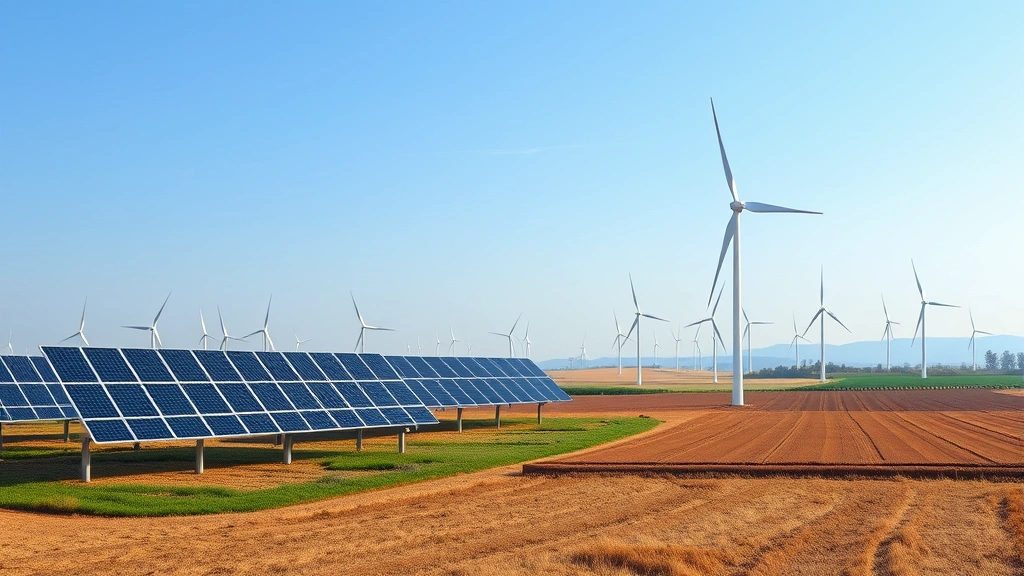
” alt=”Wind and solar farm landscape with modern turbines and panels integrated into agricultural terrain”>
Return on Investment and Cost-Benefit Analysis
Financial analysis of green energy investments demonstrates compelling returns across multiple timeframes. Solar installations typically achieve payback periods of 5-8 years in favorable locations, with 25-30 year operational lifespans yielding substantial net present value. Wind projects show similar or superior returns, particularly in high-wind regions. These returns compare favorably to alternative infrastructure investments and exceed many corporate capital allocation thresholds.
The economic case strengthens when incorporating avoided fuel costs. Renewable energy systems eliminate ongoing fuel expenditures—solar and wind require no fuel input beyond initial capital and maintenance. This contrasts sharply with coal, natural gas, or petroleum generation, where fuel costs constitute 30-70% of total operating expenses. As fossil fuel prices fluctuate and carbon pricing mechanisms emerge, renewable energy’s fixed cost structure provides increasingly valuable price stability.
Benefit-cost analysis frameworks developed by ecological economics research institutions quantify broader economic impacts. Studies conducted by the United Nations Environment Programme and national environmental agencies incorporate avoided health costs from reduced air pollution. Particulate matter and nitrogen oxide emissions from fossil fuel combustion generate substantial public health burdens—respiratory diseases, cardiovascular conditions, and premature mortality. Quantifying these avoided health costs typically adds 5-15% to renewable energy’s economic benefits, depending on regional air quality baselines and population density.
Grid integration costs deserve careful attention in investment analysis. High renewable penetration requires grid flexibility, storage capacity, and transmission infrastructure upgrades. These system-level costs represent real economic expenditures that must factor into comprehensive cost-benefit frameworks. However, emerging evidence suggests that battery storage costs are declining faster than previously projected, and demand response technologies enable grid management without proportional infrastructure expansion.
Technological Innovation and Competitive Advantage
Green energy deployment functions as a powerful innovation engine, generating technological spillovers that extend far beyond the energy sector itself. The renewable energy industry drives advancement in materials science, electrical engineering, battery chemistry, and information technology. These innovations create competitive advantages for nations and companies investing in research and development, positioning them advantageously in emerging global markets.
Battery technology exemplifies this dynamic. Research driven by electric vehicle and grid storage demand has produced lithium-ion batteries with dramatically improved performance characteristics and declining costs. These innovations find applications in consumer electronics, aerospace, and medical devices. The spillover benefits extend throughout the economy, creating value far exceeding direct renewable energy sector returns.
Nations leading renewable energy transitions—Denmark, Germany, China—have developed substantial export markets for clean technology. Danish wind turbine manufacturers, German solar companies, and Chinese battery producers generate enormous export revenues, creating high-value employment in engineering, manufacturing, and service sectors. This competitive positioning reflects first-mover advantages in technology development and market capture.
The innovation argument connects to broader economic growth theory. Schumpeterian economics emphasizes that technological innovation drives long-term productivity growth and competitive advantage. Green energy transitions, by mobilizing substantial research investment and creating large-scale deployment opportunities, generate innovation incentives comparable to major historical transitions—railroad development, electrification, telecommunications infrastructure. The economic gains from this innovation may dwarf direct energy sector returns.
Macroeconomic Multiplier Effects
Macroeconomic analysis using dynamic stochastic general equilibrium (DSGE) models and input-output frameworks reveals substantial multiplier effects from green energy investment. When governments or private entities invest in renewable energy infrastructure, they inject demand into the economy. Construction workers, equipment manufacturers, and supply chain participants earn income that generates secondary consumption demand, further stimulating economic activity.
The multiplier magnitude depends on economic conditions and policy design. In slack labor markets with unemployment and underutilized capacity, renewable energy investment generates larger multipliers—potentially 1.5 to 2.5 times the initial investment value. During full-employment periods, multipliers diminish as resources shift from alternative uses rather than being newly mobilized. This cyclical dynamic suggests that green energy investment functions as effective countercyclical fiscal policy during economic downturns.
International experience validates these theoretical predictions. Studies examining renewable energy investment during the 2008-2009 financial crisis found that green infrastructure spending generated employment and economic activity comparable to or exceeding conventional infrastructure investment. The Obama administration’s 2009 stimulus package allocated substantial resources to renewable energy, grid modernization, and energy efficiency, generating measurable employment and economic growth.
The blog literature in ecological economics increasingly emphasizes how green energy transitions can address multiple policy objectives simultaneously—climate mitigation, energy security, employment generation, and economic growth. This multifunctionality explains policy support across diverse political coalitions and economic ideologies.
Regional Disparities and Transition Challenges
Despite aggregate economic benefits, green energy transitions create substantial regional disparities. Fossil fuel-dependent regions face employment losses and fiscal revenue declines as energy systems transform. Coal-producing regions in Appalachia, Central Europe, and Asia face particularly acute transition challenges. Without deliberate policy intervention, energy transitions can exacerbate regional inequality and political fragmentation.
Effective transition policies require multifaceted approaches. Worker retraining programs must provide skills development aligned with emerging employment opportunities. Community economic diversification initiatives should attract new industries and entrepreneurs to fossil fuel regions. Pension and benefit protections ensure that workers who invested careers in traditional energy sectors are not impoverished by structural change. These policies require sustained public investment, often exceeding the direct cost savings from energy transition.
The just transition framework, increasingly adopted by policymakers and international organizations, recognizes that equitable green energy transitions require deliberate redistribution and support for affected populations. This represents an important evolution in environmental economics—recognition that environmental sustainability and social equity are complementary rather than competing objectives.
Developing economies face distinctive transition challenges. Many rely on fossil fuel exports for government revenue and employment. Renewable energy transitions in wealthy nations reduce fossil fuel demand, lowering prices and diminishing export revenues. This creates genuine economic hardship for nations dependent on petroleum or coal exports. International climate finance mechanisms attempt to address this challenge through transfers to developing economies, though funding remains inadequate relative to transition needs.
The environment quotes emphasizing sustainable development increasingly recognize that environmental transitions must integrate development objectives for low-income nations. Green energy deployment in developing economies offers pathways to energy access, employment generation, and economic development simultaneously—but only with adequate international support and technology transfer.
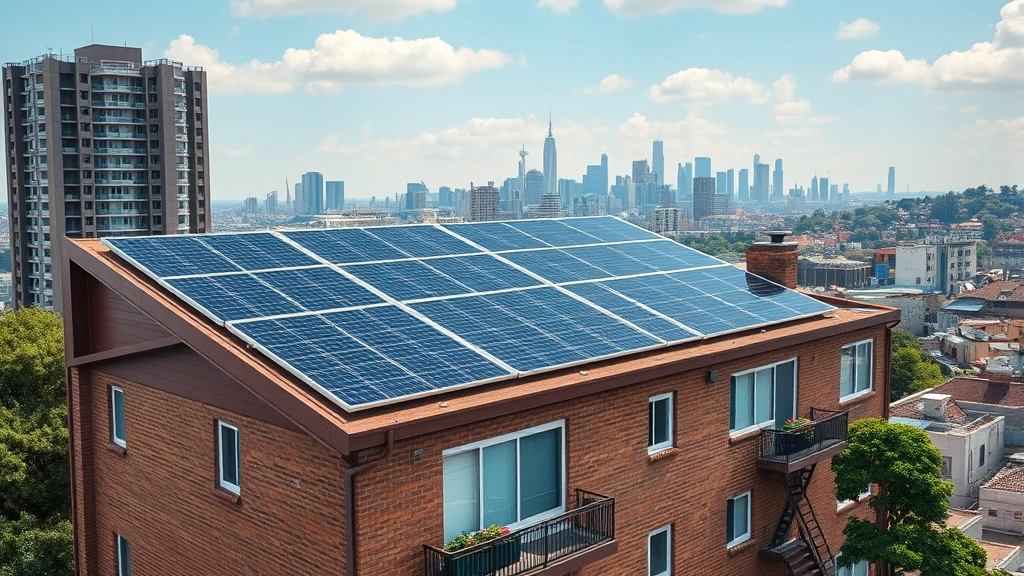
” alt=”Solar panels on rooftop with city skyline, showing urban renewable energy integration with residential buildings”>
Policy Architecture and Economic Outcomes
The relationship between green energy and economic performance depends fundamentally on policy design. Poorly designed policies generate economic inefficiency; well-designed policies amplify positive economic outcomes while minimizing distortions. The distinction between policy mechanisms—feed-in tariffs, renewable portfolio standards, investment tax credits, carbon pricing—significantly influences economic results.
Carbon pricing mechanisms, whether through taxes or cap-and-trade systems, create incentive structures for economically efficient emissions reductions. By making fossil fuel costs reflect environmental damages, carbon pricing aligns private incentives with social welfare objectives. Research from the World Bank demonstrates that carbon pricing, combined with green energy investment, generates superior economic outcomes compared to subsidy-dependent approaches.
Renewable portfolio standards mandate minimum percentages of electricity from renewable sources, creating demand for clean energy without directly subsidizing specific technologies. This market-based approach encourages competition among renewable technologies, driving cost reductions and innovation. However, rigid standards can impede optimal resource allocation if they prevent deployment flexibility or require above-market prices.
Investment tax credits and accelerated depreciation provisions reduce renewable energy project costs, improving returns and accelerating deployment. These policies prove particularly effective during market development phases when technologies remain expensive relative to mature fossil fuel infrastructure. However, indefinite subsidies can create dependency and prevent technologies from achieving genuine cost competitiveness.
The policy architecture must also address grid integration challenges, workforce transitions, and regional equity. Comprehensive policy frameworks combining multiple instruments—carbon pricing, renewable standards, investment support, workforce development, community support—generate superior economic outcomes compared to single-instrument approaches.
Global Economic Trends and Future Projections
Global renewable energy investment exceeded $300 billion annually by 2021, reflecting widespread recognition of economic opportunities alongside environmental imperatives. This investment trajectory continues accelerating, driven by declining costs, policy support, and corporate sustainability commitments. The International Energy Agency projects that renewable energy will constitute the majority of global electricity generation by 2050, with corresponding economic implications.
Emerging markets increasingly lead renewable energy deployment, recognizing that leapfrogging fossil fuel infrastructure offers economic advantages. India, Brazil, and Southeast Asian nations invest heavily in solar and wind capacity, achieving energy independence while creating employment and avoiding fossil fuel import dependence. This strategic positioning reflects sophisticated understanding of long-term economic interests, not merely environmental preferences.
The convergence of renewable energy economics with electrification trends amplifies economic benefits. Transportation electrification, heat pump deployment, and industrial electrification create synergies with renewable electricity expansion. An economy powered by renewable electricity, electric vehicles, and efficient heating systems operates at lower total energy cost than conventional fossil fuel systems, while generating substantial employment throughout the transition.
Research institutions including the International Energy Agency and National Renewable Energy Laboratory project that comprehensive clean energy transitions generate net economic benefits—lower energy costs, greater employment, enhanced energy security—even before accounting for avoided climate damages. This represents a fundamental reorientation of economic analysis, moving from framing environmental protection as a cost to recognizing it as an investment opportunity.
The sustainable fashion brands phenomenon exemplifies broader consumer and investor preferences for environmentally responsible business models. This cultural shift creates market opportunities for companies and nations positioning themselves as sustainability leaders, generating competitive advantages beyond direct environmental benefits.
FAQ
Does green energy always create net economic benefits?
Green energy generally creates net economic benefits in mature markets where renewable technologies achieve cost competitiveness. However, outcomes depend on policy design, regional circumstances, and transition management. Poorly designed policies can generate economic inefficiency, while neglecting worker and community transition needs can create concentrated harm despite aggregate benefits. Comprehensive policy frameworks addressing multiple dimensions produce superior outcomes.
How does green energy affect energy prices for consumers?
In markets with substantial renewable penetration, average electricity prices often decline due to renewable energy’s zero fuel costs. However, grid integration and storage requirements can increase system costs. The net effect depends on specific market structures, existing infrastructure, and policy mechanisms. Long-term, renewable energy typically offers price stability and cost reductions compared to fossil fuel dependence.
What happens to fossil fuel workers during energy transitions?
Without deliberate policy intervention, fossil fuel workers face unemployment and economic hardship. Effective transition policies include workforce retraining, income support, pension protection, and community economic diversification. Just transition frameworks increasingly recognize that equitable energy transitions require targeted support for affected populations.
Can developing economies benefit economically from green energy?
Yes, developing economies can achieve substantial economic benefits from renewable energy deployment, particularly through energy access expansion, employment generation, and avoiding fossil fuel import dependence. However, they require international support through climate finance, technology transfer, and market access for green technology exports.
What role does innovation play in green energy economics?
Innovation drives cost reductions, performance improvements, and technological spillovers throughout the economy. Green energy investment mobilizes research resources and creates deployment scale that generates learning curves and competitive advantages. Nations leading innovation in renewable energy develop export markets and high-value employment opportunities.
How do different policy mechanisms compare economically?
Carbon pricing creates economically efficient incentives for emissions reductions. Renewable portfolio standards encourage competition and cost reduction. Investment tax credits accelerate deployment during market development phases. Comprehensive policy frameworks combining multiple instruments generate superior outcomes compared to single-instrument approaches, while addressing equity and transition challenges.


