

Is Metal Shot Eco-Friendly? Scientific Insights on Environmental Impact
The debate surrounding metal shot ammunition has intensified as environmental consciousness grows globally. Metal shot, particularly lead and its alternatives, represents a significant intersection between hunting traditions, industrial practices, and ecological preservation. Understanding whether metal shot qualifies as eco-friendly requires examining its production, environmental persistence, bioaccumulation patterns, and comparison with sustainable alternatives. This comprehensive analysis draws on scientific research, ecological economics frameworks, and environmental policy developments to provide evidence-based insights into one of the shooting sports industry’s most contentious environmental questions.
The proliferation of metal shot use across hunting, sport shooting, and military applications has created substantial environmental externalities that remain poorly quantified in many regions. Lead ammunition alone contaminates waterways, soil systems, and wildlife populations across millions of acres annually. Transitioning to alternatives like steel, bismuth, or tungsten-based shot represents both an ecological imperative and an economic restructuring challenge within the ammunition industry. This article explores the scientific evidence, economic implications, and pathways toward genuinely sustainable shooting practices.
Understanding Metal Shot Composition and Production
Metal shot ammunition comprises spherical projectiles manufactured from various metallic compositions, each with distinct environmental profiles. Traditional lead shot, produced through the Blythe process where molten lead drops through cooling towers, dominated the market for over a century due to its density, malleability, and cost-effectiveness. Understanding the production economics requires examining the human-environment interaction inherent in extractive industries and manufacturing processes.
The production of metal shot involves multiple stages: raw material extraction, smelting, casting, sorting, and packaging. Lead shot production generates significant carbon emissions, particulate matter, and occupational health hazards. According to lifecycle assessment studies, producing one kilogram of lead shot requires approximately 15-20 megajoules of energy, primarily from fossil fuel sources. This energy intensity directly contributes to greenhouse gas emissions, creating a climate change dimension often overlooked in ecological discussions.
Steel shot production, an increasingly common alternative, demands different metallurgical processes. Steel requires higher temperatures during production (approximately 1,600°C versus 327°C for lead), substantially increasing energy consumption and carbon footprint during manufacturing. However, steel’s superior hardness and ballistic properties offer compensatory advantages in certain applications. Bismuth and tungsten-based alternatives present entirely different production challenges, often requiring specialized refining processes that increase manufacturing costs by 300-500% compared to lead.
Environmental Persistence and Bioaccumulation
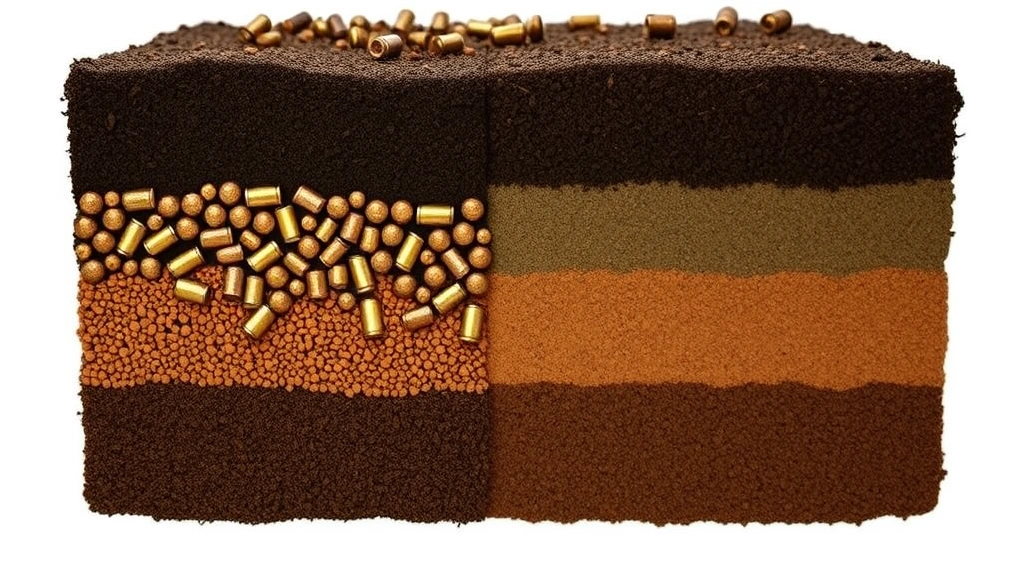
The fundamental distinction between eco-friendly and environmentally damaging ammunition lies in environmental persistence—the duration materials remain bioavailable in ecosystems after deposition. Lead shot demonstrates remarkable persistence, with field studies documenting lead pellets remaining in soil and waterbed sediments for decades, continuously leaching into groundwater and being incorporated into food chains.
Research published by the United Nations Environment Programme documents lead bioaccumulation rates in waterfowl populations at 100-1,000 times environmental background levels in heavily hunted areas. This bioaccumulation occurs through a simple mechanism: waterfowl consume lead pellets mistaking them for nutritious grit stones, leading to acute and chronic lead poisoning. Lead persists indefinitely in biological systems, accumulating in bone tissue and creating multigenerational health impacts.
Steel shot, conversely, undergoes oxidation relatively rapidly in aqueous environments, transforming into iron oxides within 5-15 years depending on soil pH, moisture, and microbial activity. This transformation renders steel biologically unavailable, effectively removing it from ecological food chains. However, steel shot presents a ballistic problem: its lower density (7.85 g/cm³ versus lead’s 11.34 g/cm³) reduces penetration capacity and effective range, requiring larger projectile sizes to achieve equivalent performance.
Bismuth shot demonstrates intermediate persistence characteristics, with field studies suggesting environmental residence times of 10-25 years before complete transformation to bismuth oxide compounds. Tungsten-based shot, particularly tungsten-nickel-iron composites, shows minimal bioavailability but introduces tungsten contamination concerns in sensitive ecosystems. Understanding these persistence patterns requires integrating science-environment definitions that emphasize material cycling and ecosystem service disruptions.
Lead Shot: The Primary Environmental Concern
Lead shot represents the most extensively documented environmental hazard within ammunition industries globally. Approximately 3,000-7,000 tons of lead ammunition disperses across terrestrial and aquatic ecosystems annually in the United States alone, with global estimates exceeding 100,000 tons annually when including military and industrial applications.
The toxicological profile of lead creates multiple exposure pathways: direct ingestion by wildlife, secondary poisoning through predators consuming contaminated prey, and chronic groundwater contamination affecting human populations. The World Bank’s environmental research division estimates that lead ammunition contamination costs developed nations $2-4 billion annually in ecosystem remediation, wildlife management, and human health interventions.
Lead toxicity operates through multiple mechanisms: inhibition of heme synthesis, disruption of calcium homeostasis, mitochondrial dysfunction, and neurotoxic effects affecting cognitive development. Even sub-lethal lead exposure impairs immune function, reduces reproductive success, and increases disease susceptibility in wildlife populations. Raptors consuming lead-contaminated carrion demonstrate particularly severe impacts, with lead poisoning identified as a primary mortality factor in California condor recovery programs and golden eagle populations across North America.
Waterfowl mortality from lead shot ingestion occurs at ecological scales: estimates suggest 1-2% of North American waterfowl populations die annually from lead poisoning, representing 500,000-1,000,000 individual birds. This population-level impact cascades through food webs, affecting predator populations and ecosystem function. The persistence of lead in sediments creates a historical contamination legacy, with shot deposited decades ago remaining biologically available and continuing to poison contemporary wildlife populations.
Alternative Metal Shot Materials
The ammunition industry has developed multiple lead alternatives, each presenting distinct environmental and performance trade-offs. Steel shot dominates the non-toxic market due to manufacturing simplicity and cost-effectiveness, comprising approximately 85% of alternative ammunition sales in regions with lead restrictions.
Steel Shot Characteristics: Steel’s rapid oxidation under aqueous conditions eliminates long-term bioaccumulation concerns. Environmental studies demonstrate complete transformation to iron oxides within 15 years under typical hunting conditions. However, steel’s lower density requires 15-20% larger projectile masses to achieve equivalent ballistic energy, increasing ammunition weight and reducing effective range by approximately 10-15% compared to lead equivalents. The barrel hardness requirements for steel ammunition exceed lead specifications, potentially limiting compatibility with older firearms.
Bismuth Shot Performance: Bismuth offers intermediate characteristics between lead and steel, with density (9.75 g/cm³) approaching lead while demonstrating significantly faster environmental transformation. Bismuth shot maintains lead-equivalent ballistic performance without barrel compatibility issues. However, bismuth production requires specialized metallurgical processes, resulting in ammunition costs 200-300% higher than lead alternatives. Environmental persistence studies suggest bismuth oxide formation requires 15-25 years, creating an extended bioavailability window compared to steel.
Tungsten-Based Composites: Tungsten-nickel-iron and tungsten-polymer composites achieve lead-equivalent density while demonstrating rapid environmental transformation. These materials represent the frontier of sustainable ammunition technology, offering superior ballistic performance and minimal ecological persistence. However, tungsten ammunition costs 400-600% more than lead alternatives, creating significant market adoption barriers. Additionally, tungsten mining and processing concentrate in geopolitically sensitive regions, raising supply chain sustainability questions.
Emerging alternatives include copper-based shot and tin composites, currently under development but not yet commercially viable. These materials attempt to balance cost, performance, and environmental characteristics, though their ecological implications remain inadequately studied.
Ecological and Human Health Impacts
The ecological consequences of metal shot usage extend beyond individual species mortality to ecosystem-level disruptions affecting nutrient cycling, predator-prey dynamics, and ecosystem resilience. Lead contamination in soil systems inhibits microbial communities essential for decomposition and nutrient transformation, reducing ecosystem productivity and carbon sequestration capacity.
Predator populations demonstrate particular vulnerability to lead contamination through bioaccumulation mechanisms. Raptors consuming contaminated waterfowl accumulate lead concentrations 10-100 times higher than primary consumers, creating acute toxicity risks. Research documenting golden eagle populations reveals lead poisoning as the primary non-hunting mortality factor, with 50-70% of examined carcasses showing elevated lead levels. This predator-mediated bioaccumulation creates conservation complications, as species recovery programs must address ammunition-related mortality alongside habitat protection.
Human health impacts from ammunition-related lead contamination occur primarily through groundwater contamination and food chain incorporation. Populations dependent on groundwater in heavily hunted regions demonstrate elevated blood lead levels, particularly among children with heightened lead absorption rates. Subsistence hunting communities consuming game birds demonstrate lead concentrations 2-3 times higher than non-hunting populations, creating environmental justice dimensions to ammunition policy discussions.
The neurotoxic effects of lead exposure create documented cognitive impairment at concentrations previously considered safe, with recent research suggesting no safe exposure threshold exists. Children exposed to lead contamination demonstrate reduced IQ, increased behavioral problems, and diminished educational achievement, creating intergenerational health equity concerns. These human health impacts represent environmental externalities inadequately reflected in ammunition pricing, creating economic market failures where lead ammunition’s apparent cost-effectiveness masks substantial hidden health and ecological costs.

” alt=”Ecological restoration of wetland habitat with waterfowl populations recovering in clean water, surrounded by native vegetation and industrial areas visible in distant background, demonstrating environmental rehabilitation from ammunition contamination.” />
Economic Considerations and Life-Cycle Analysis
Comprehensive life-cycle assessment of ammunition requires integrating production, use, and disposal phases while accounting for environmental externalities inadequately captured in market prices. Traditional economic analysis comparing ammunition costs ignores ecosystem service losses, human health impacts, and remediation expenses that represent substantial economic burdens.
Lead ammunition’s apparent cost advantage ($0.15-0.25 per round) versus steel alternatives ($0.20-0.35 per round) and bismuth/tungsten options ($0.50-1.50 per round) reflects incomplete cost accounting. Incorporating environmental externalities—ecosystem remediation, wildlife management, human health costs, and lost ecosystem services—increases effective lead ammunition costs to $0.40-0.75 per round when using conservative valuation methods.
The World Bank‘s environmental economics frameworks demonstrate that true cost accounting should include: ecosystem service valuations (water filtration, carbon sequestration, biodiversity support), human health costs (medical treatment, cognitive impairment, mortality), and ecological restoration expenses. Applied to ammunition, these frameworks reveal lead ammunition’s substantial hidden costs that consumers and governments currently subsidize through environmental degradation and public health burdens.
Steel ammunition, despite higher initial costs, demonstrates superior life-cycle economics when incorporating environmental externalities. The rapid environmental transformation of steel eliminates long-term remediation costs, while established manufacturing infrastructure keeps production expenses relatively low. Studies from European Union ammunition markets, where lead restrictions have driven widespread steel adoption, document that total cost of ownership (purchase price plus environmental costs) favors steel alternatives by 15-25% over comprehensive analysis periods.
Bismuth and tungsten alternatives present different economic profiles, with higher costs offset by superior ballistic performance and minimal environmental persistence. For specialized applications requiring lead-equivalent performance, bismuth and tungsten ammunition may demonstrate superior life-cycle economics despite substantially higher purchase prices. The economic transition to sustainable ammunition requires policy interventions—such as ammunition taxes reflecting environmental costs or regulatory prohibitions—to align market prices with true ecological and health expenses.
Regulatory Frameworks and Policy Evolution
Global regulatory approaches to ammunition sustainability have evolved substantially, with over 50 countries implementing partial or complete lead ammunition prohibitions. The European Union’s comprehensive approach, beginning with waterfowl hunting restrictions in 2004 and expanding to all hunting applications by 2023, provides evidence-based policy models demonstrating feasibility of ammunition transitions.
Lead ammunition bans typically follow a phased implementation approach: initial restrictions on waterfowl hunting (addressing the most acute ecological impacts), followed by expansion to terrestrial hunting and military applications. This graduated approach allows manufacturing and consumer adaptation while prioritizing environmental protection in ecologically sensitive contexts. Denmark, Germany, and Belgium implemented comprehensive lead ammunition prohibitions between 2016-2020, with minimal economic disruption and successful market transition to alternative ammunition types.
The United States presents a fragmented regulatory landscape, with California implementing the most comprehensive approach through the Ridley-Tree Condor Preservation Act (2008) and subsequent expansions, mandating non-lead ammunition for all hunting statewide by 2019. Federal regulations address lead ammunition on public lands, though significant gaps remain in private land protections. This regulatory patchwork creates economic inefficiencies and limits manufacturing adaptation, as ammunition producers must maintain multiple product lines for different jurisdictional requirements.
International frameworks, including the UNEP’s Minamata Convention on mercury and the Basel Convention’s hazardous waste protocols, increasingly address ammunition contamination as a transboundary environmental concern. Developing nations importing used ammunition face disproportionate environmental burdens, creating global environmental justice dimensions to ammunition policy discussions.
Policy effectiveness depends on comprehensive implementation addressing production, distribution, and enforcement mechanisms. Successful regulatory transitions require: industry engagement supporting manufacturing adaptation, hunter education promoting acceptance of alternatives, price support mechanisms during transition periods, and rigorous enforcement preventing black market ammunition circumventing regulations. Evidence from European implementation demonstrates that well-designed policy frameworks can achieve near-complete ammunition transitions within 5-7 years.
Sustainable Transition Strategies
Achieving genuine ammunition sustainability requires integrated strategies addressing production, consumption, and regulatory dimensions simultaneously. Technological innovation in ammunition manufacturing must prioritize environmental performance alongside ballistic characteristics, developing materials combining lead-equivalent density with rapid environmental transformation.
Research institutions and ammunition manufacturers are collaborating on advanced composite materials incorporating polymeric matrices with metallic components, achieving performance characteristics approaching lead while ensuring rapid biodegradation. These materials remain largely in development stages, requiring continued investment in materials science research and manufacturing process development. Supporting this innovation requires policy mechanisms—such as research grants, tax incentives for sustainable ammunition development, or mandatory environmental performance standards—that align private incentives with public environmental objectives.
Consumer behavior modification represents another essential transition strategy. Hunter education programs demonstrating environmental impacts of lead ammunition, combined with accessibility improvements for alternative ammunition types, drive voluntary market shifts toward sustainable options. European experience demonstrates that informed consumers, given reasonable alternative choices, predominantly select non-toxic ammunition when aware of ecological consequences. This consumer responsiveness suggests that transparency and education represent cost-effective policy interventions complementing regulatory approaches.
Manufacturing infrastructure adaptation requires coordinated industry investment in production capacity for sustainable alternatives. Steel ammunition production, already technologically mature and economically viable, requires only market expansion through regulatory encouragement or demand-side policy interventions. Bismuth and tungsten ammunition development demands more substantial investment in specialized metallurgical processes and quality control systems, justifying public-private partnership arrangements supporting manufacturing capacity development.
Circular economy approaches to ammunition management—including collection and recycling programs for spent ammunition, material recovery from contaminated sites, and extended producer responsibility frameworks—represent emerging sustainability strategies. Some European jurisdictions have implemented ammunition collection programs at hunting clubs and shooting ranges, enabling material recovery and preventing environmental dispersal. These systems require coordination among manufacturers, retailers, hunters, and environmental agencies, creating governance challenges but demonstrating technical feasibility.
The transition to sustainable ammunition ultimately requires recognizing ammunition not as an isolated product but as an integrated component of hunting and shooting sports ecosystems. This systems perspective necessitates examining how ammunition sustainability connects to broader environmental management objectives, including habitat conservation, wildlife population management, and how to reduce carbon footprint across recreational activities. Integrating ammunition sustainability into comprehensive environmental management strategies amplifies policy effectiveness and creates synergistic benefits across multiple environmental domains.
” alt=”Manufacturing facility producing alternative steel ammunition with modern machinery and quality control stations, workers in safety equipment, showing industrial processes that replace traditional lead production methods sustainably.” />
FAQ
Is steel shot truly eco-friendly compared to lead?
Steel shot represents a significant environmental improvement over lead, with rapid oxidation eliminating long-term bioaccumulation concerns. However, steel’s complete ecological friendliness depends on contextual factors: manufacturing energy consumption, ballistic performance requirements, and ecosystem sensitivity. Steel is genuinely eco-friendly in most hunting contexts, though bismuth or tungsten alternatives may provide superior performance in specialized applications where lead-equivalent ballistics prove essential.
How long does lead shot persist in the environment?
Lead shot demonstrates indefinite persistence in biological systems, with lead atoms remaining available for bioaccumulation and food chain incorporation for decades or centuries. In soil and sediment environments, lead persists in forms biologically available to plants and microorganisms indefinitely. Field studies document lead shot deposited 50+ years ago continuing to poison contemporary wildlife populations, making lead ammunition a legacy contaminant with intergenerational environmental impacts.
What are the human health impacts of ammunition contamination?
Lead ammunition contamination affects human health primarily through groundwater contamination and food chain incorporation, with subsistence hunters and populations in heavily hunted regions demonstrating elevated blood lead levels. Lead’s neurotoxic effects create cognitive impairment, behavioral problems, and reduced educational achievement, with particular impacts on developing children. These health impacts represent substantial but often unmeasured environmental externalities inadequately reflected in ammunition pricing.
Why is bismuth ammunition more expensive than steel?
Bismuth ammunition costs 200-300% more than steel alternatives due to specialized metallurgical requirements, more complex manufacturing processes, and smaller production volumes limiting economies of scale. Bismuth’s superior ballistic performance and environmental characteristics justify higher costs for applications requiring lead-equivalent performance, though steel remains more cost-effective for most hunting applications.
What regulatory approaches have proven most effective?
European regulatory models demonstrate that phased lead ammunition prohibitions—beginning with waterfowl hunting restrictions and expanding systematically—enable successful market transitions to alternatives within 5-7 years. Policy effectiveness depends on comprehensive implementation addressing production capacity adaptation, consumer education, and enforcement mechanisms. Gradual regulatory approaches prove more economically efficient than abrupt prohibitions, though timeline matters less than policy credibility and consistent implementation.
Can ammunition contamination be remediated?
Remediation of ammunition-contaminated sites requires expensive soil treatment, sediment dredging, or ecological restoration approaches with uncertain effectiveness. Prevention through sustainable ammunition adoption proves substantially more cost-effective than remediation of contaminated sites. Some contaminated ecosystems remain unsuitable for ecological recovery without intensive intervention, making prevention the dominant policy strategy.