Rating Early Childhood Environments: Expert Insights on Development and Ecological Quality
Early childhood environments represent far more than physical spaces where young children spend their days. They constitute complex ecosystems where developmental, social, economic, and environmental factors converge to shape foundational capabilities that ripple across an individual’s lifetime and, by extension, influence broader societal resilience. The early childhood environment rating scale has emerged as a critical framework for assessing these multidimensional spaces, combining rigorous measurement protocols with practical guidance for educators, policymakers, and environmental economists seeking to optimize outcomes for children while advancing sustainable practices.
Understanding how to properly evaluate early childhood environments requires interdisciplinary expertise spanning developmental psychology, environmental science, economics, and social policy. Research demonstrates that children’s earliest experiences—particularly between birth and age five—establish neural pathways, behavioral patterns, and attitudes toward learning and environmental stewardship that persist into adulthood. When we assess these environments systematically, we gain actionable intelligence about resource allocation, quality standards, and the economic returns on investment in early childhood development. This analysis becomes increasingly relevant as policymakers recognize that high-quality early childhood programs represent some of the most cost-effective interventions available, generating substantial returns through improved educational outcomes, enhanced workforce productivity, and reduced social service expenditures.
Understanding Early Childhood Environment Rating Scales
The early childhood environment rating scale represents a standardized assessment tool designed to evaluate the quality of care and educational settings for young children. These instruments have evolved significantly over the past three decades, moving from simple checklist-based approaches to comprehensive frameworks that examine physical safety, emotional climate, instructional practices, family engagement, and increasingly, environmental sustainability dimensions. The most widely recognized scales include the Early Childhood Environment Rating Scale (ECERS), the Infant/Toddler Environment Rating Scale (ITERS), and the Family Child Care Environment Rating Scale (FCCERS).
Expert practitioners distinguish between structural quality—measurable factors like adult-child ratios, staff qualifications, and facility specifications—and process quality, which encompasses the dynamic interactions, responsive teaching, and relational experiences that occur within those structures. Research from developmental economists and education researchers consistently demonstrates that both dimensions matter profoundly, but process quality often proves more predictive of developmental outcomes than structural factors alone. This insight has reshaped how experts conceptualize and measure environmental quality, shifting emphasis toward the lived experiences of children rather than mere compliance with minimum standards.
The scientific validity of these rating scales depends on rigorous psychometric properties including reliability across different raters, validity in predicting developmental outcomes, and sensitivity to meaningful variations in environmental quality. Leading instruments undergo extensive pilot testing, factor analysis, and longitudinal validation studies to ensure they capture the most salient dimensions of quality. International adaptations have demonstrated that while core principles of quality remain consistent across cultural contexts, specific rating indicators must reflect local values, economic conditions, and educational philosophies to maintain validity and practical utility.
Core Components of Environmental Assessment
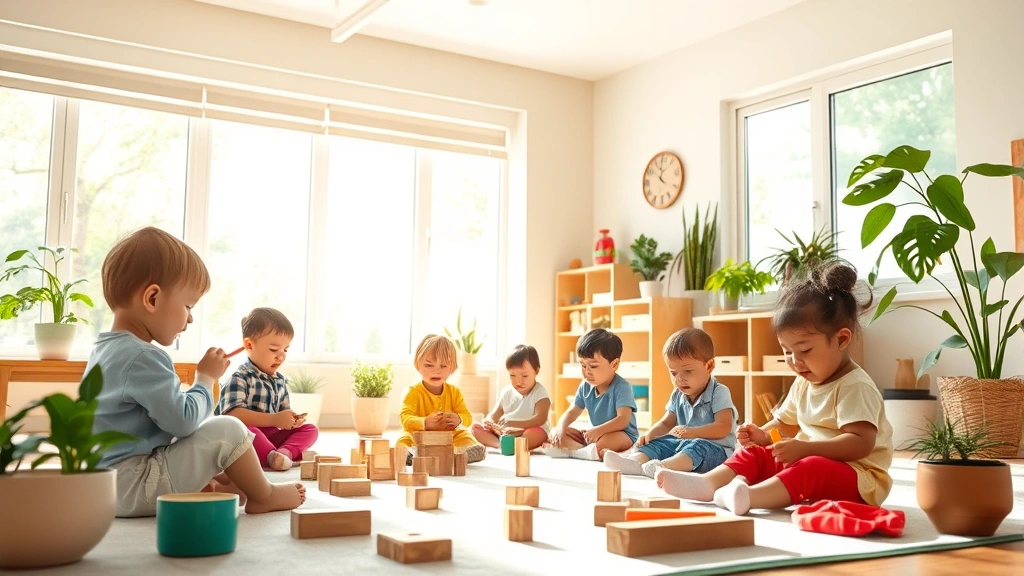
Comprehensive early childhood environment rating scales examine multiple interrelated domains that collectively determine environmental quality. Space and furnishings constitute the foundational domain, encompassing room arrangement, accessibility for children with varying abilities, provision of diverse learning materials, and safety features. This dimension reflects principles of universal design and recognizes that physical environment architecture directly influences cognitive development, social interaction patterns, and children’s sense of agency within spaces. The economic dimension here is substantial: research demonstrates that thoughtfully designed spaces reduce behavioral challenges, increase engagement, and require fewer adult interventions, thereby improving the efficiency of educational delivery.
The personal care routines domain addresses how facilities manage feeding, toileting, diaper changing, and hygiene practices—essential activities that occupy significant portions of early childhood days. Quality assessment in this area examines whether routines are conducted with warmth, individual responsiveness, and attention to children’s developing autonomy. This domain connects directly to human environment interaction examples by demonstrating how daily practices either support or undermine children’s developing sense of competence and relationship security.
Language and literacy experiences form another critical component, evaluating the frequency and quality of adult-child conversations, availability of diverse books and writing materials, and opportunities for children to engage with symbolic communication. The cognitive science underlying this assessment is well-established: early language exposure predicts vocabulary development, reading proficiency, and academic achievement trajectories. From an economic perspective, this domain connects to human capital development and the documented wage premiums associated with literacy skills.
Learning activities represent perhaps the most complex domain, encompassing science exploration, mathematics experiences, social-emotional learning, creative expression, and physical development opportunities. Assessment in this area evaluates whether activities are developmentally appropriate, culturally responsive, and balanced across different types of learning modalities. Progressive approaches to early childhood education emphasize child-initiated exploration and play-based learning, while structured curricula emphasize targeted skill development. Expert consensus increasingly supports integrated approaches that honor children’s natural curiosity while providing intentional scaffolding toward specific learning goals.
The definition of environment in science extends rating scale assessment to include the physical conditions affecting child health and development: air quality, natural lighting, temperature regulation, noise levels, and access to outdoor spaces. These environmental factors influence attention capacity, immune function, stress hormone levels, and overall wellbeing. Contemporary rating scales increasingly incorporate ecological literacy and nature connection as learning domains, recognizing that early experiences with natural systems establish lifelong environmental values and behaviors.
Interaction assessment examines the quality of adult-child relationships, peer interactions, and the emotional climate permeating the setting. This domain evaluates whether adults demonstrate warmth, responsiveness, and appropriate limit-setting; whether children experience belonging and psychological safety; and whether conflicts are addressed constructively. Attachment theory and neuroscience research establish that secure relationships literally build developing brains, establishing the neurobiological foundation for emotional regulation, social competence, and future learning capacity.
Finally, parent involvement and family partnership represent increasingly central assessment domains, recognizing that optimal child development requires alignment between home and institutional environments. Rating scales examine communication frequency, opportunities for family input in program decisions, and recognition of family culture and values. This dimension acknowledges that early childhood programs operate within larger family systems and community contexts that profoundly influence child outcomes.
Economic Implications and Cost-Benefit Analysis
The economics of early childhood environment quality extends far beyond program operating budgets to encompass substantial societal returns on investment. Longitudinal studies, particularly the Perry Preschool Project and the Abecedarian Project, have documented that children experiencing high-quality early childhood programs demonstrate improved educational attainment, higher employment rates, increased earnings, better health outcomes, and reduced involvement with criminal justice systems. These benefits generate economic returns estimated between $7 and $12 for every dollar invested in quality early childhood programs.
From a environmental and society perspective, quality early childhood settings also cultivate ecological literacy and pro-environmental behaviors that generate long-term economic benefits through reduced resource consumption, improved environmental stewardship, and participation in green economy sectors. The economic valuation of these ecosystem services remains challenging but increasingly recognized as substantial. Environmental economists emphasize that investments in early childhood environmental education represent cost-effective approaches to building human capital for sustainable development.
Cost-effectiveness analysis of rating scale implementation reveals that the expense of conducting rigorous assessments—typically $500-$2,000 per facility depending on scale complexity and assessor training—generates returns through improved program quality, enhanced child outcomes, reduced remedial education costs, and decreased social service expenditures. The World Bank has increasingly prioritized early childhood development as a strategic investment, emphasizing that quality assessment and improvement systems constitute essential infrastructure for human capital development in both high-income and developing economies.
Economists analyzing early childhood program financing recognize that quality improvements require investment in staff compensation, professional development, and physical environment enhancements. Yet the documented returns justify these investments substantially. Research from World Bank early childhood development initiatives demonstrates that middle-income and low-income countries achieve particularly high returns on early childhood investments because baseline quality levels offer substantial room for improvement and because reduced inequality from early intervention generates compounding economic benefits across generations.
Integration of Ecological Sustainability Principles
Contemporary approaches to early childhood environment rating increasingly incorporate sustainability principles, reflecting growing recognition that environmental quality directly influences child development and that early experiences shape lifelong environmental values. Ecological literacy—understanding how natural systems function and how human activities influence those systems—represents an essential dimension of modern early childhood education. Rating scales have evolved to assess whether programs provide regular nature contact, incorporate environmental learning objectives, and model sustainable practices in daily operations.
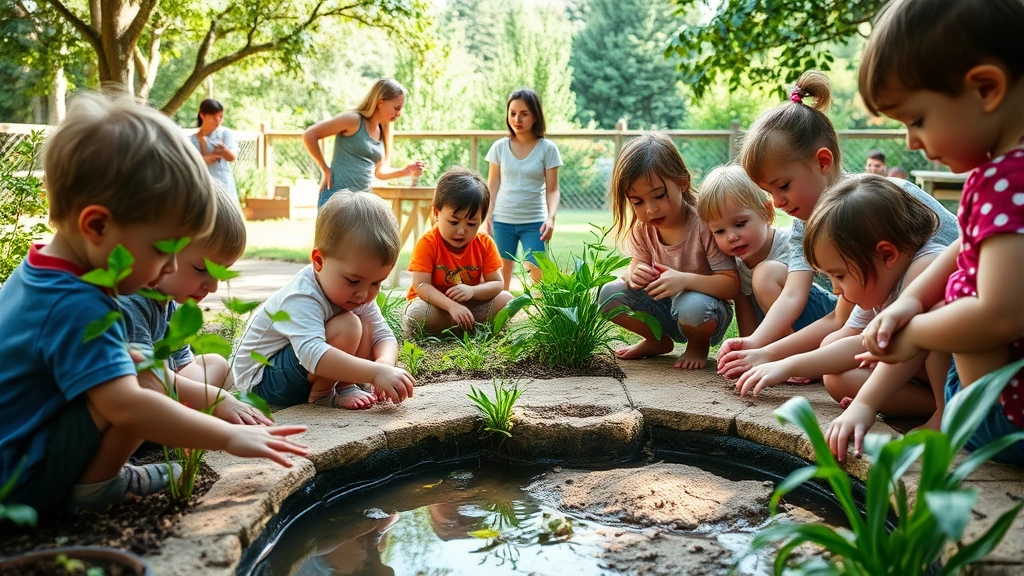
The types of environments suitable for quality early childhood experiences include both indoor and outdoor spaces, with research increasingly emphasizing the developmental significance of nature exposure. Outdoor learning environments provide irreplaceable opportunities for sensory exploration, physical risk-taking, ecological observation, and development of environmental stewardship values. Assessment frameworks now systematically evaluate outdoor space quality, including vegetation diversity, water features, natural materials, and opportunities for hands-on ecological exploration.
Sustainability practices within early childhood settings extend to waste reduction, energy efficiency, water conservation, and procurement of environmentally responsible materials and foods. These practices serve dual purposes: they reduce environmental impact and operating costs while simultaneously demonstrating ecological values to children through lived experience rather than abstract instruction. Research in environmental psychology establishes that direct experience with sustainable practices—composting, gardening, water conservation, renewable energy—creates more robust environmental values than purely cognitive instruction about environmental issues.
The integration of positive impacts on the environment by humans as explicit learning objectives represents an important evolution in early childhood pedagogy. Rather than emphasizing environmental problems and encouraging guilt or despair, contemporary programs highlight how humans can restore, regenerate, and enhance natural systems. This strengths-based approach cultivates agency and hope while establishing the cognitive and affective foundations for lifelong environmental stewardship.
Ecological economics perspectives on early childhood environment rating emphasize that natural capital—healthy ecosystems, biodiversity, clean water and air—represents essential infrastructure for human development. Early childhood settings that prioritize ecosystem health and environmental learning simultaneously invest in child development and environmental sustainability. This alignment reflects understanding that human wellbeing and ecological integrity represent interdependent rather than competing objectives.
Expert Recommendations for Implementation
Leading experts in early childhood development, environmental education, and program quality improvement recommend a systematic approach to implementing environment rating scales within institutional contexts. Initial implementation requires careful selection of appropriate instruments based on program type, cultural context, and specific improvement objectives. Most experts recommend beginning with staff training and consensus-building around rating scale dimensions before conducting formal assessments, ensuring that evaluation efforts build buy-in rather than generating defensive responses.
Assessment should serve improvement rather than merely accountability functions. The most effective implementation models integrate rating scale results into continuous quality improvement processes where staff collaboratively identify priority improvement areas, develop action plans, allocate resources strategically, and monitor progress over time. This approach transforms assessment from external evaluation into internal learning and professional development process, substantially increasing the likelihood of meaningful quality enhancement.
Expert practitioners emphasize that comprehensive approaches to quality improvement address multiple levels simultaneously: individual staff development, program-level policy and practice changes, facility infrastructure improvements, and systemic policy support. No single intervention generates lasting quality improvements; rather, sustainable change requires coordinated efforts across these multiple levels. Staff compensation represents a particularly critical leverage point, as research consistently demonstrates that professional salaries predict both staff retention and the quality of interactions with children.
Experts also recommend integrating family and community perspectives into environment rating and improvement processes. While standardized instruments provide evidence-based frameworks, local communities hold essential knowledge about their children’s needs, cultural values, and contextual strengths. Participatory approaches that combine standardized assessment with community input generate more culturally responsive quality improvements and stronger family engagement with program quality goals.
Technology increasingly supports environment rating implementation through digital assessment tools, data management systems, and evidence-based quality improvement resources. However, experts caution that technological tools should enhance rather than replace professional judgment and human relationships central to early childhood quality. The most sophisticated assessment technology remains less valuable than skilled assessors who understand child development, can observe subtleties of adult-child interaction quality, and can provide constructive feedback supporting improvement.
Measuring Outcomes and Long-Term Impact
Rigorous measurement of early childhood environment quality requires multiple assessment approaches capturing both immediate program characteristics and longer-term developmental outcomes. Standardized rating scales provide snapshots of environmental quality at particular moments, but comprehensive evaluation systems also employ child outcome measures, family satisfaction assessments, and longitudinal follow-up tracking children’s subsequent achievement trajectories.
Research methodology in this domain has become increasingly sophisticated, employing mixed-methods approaches combining quantitative outcome data with qualitative documentation of how quality improvements occurred. Longitudinal studies following children from early childhood settings through subsequent schooling and into adulthood provide the most compelling evidence about program impact. These studies consistently demonstrate that children experiencing high-quality early childhood environments show advantages in academic achievement, social-emotional competence, physical health, and economic outcomes that persist into adulthood and generate substantial societal returns.
Environmental outcomes from early childhood programs remain less systematically measured than cognitive and social-emotional outcomes, yet emerging research documents that children experiencing nature-rich, ecologically-focused early childhood programs demonstrate greater environmental knowledge, stronger pro-environmental attitudes, and more sustainable behaviors across their lifespan. These environmental outcomes connect directly to broader sustainability goals and represent essential human capital for navigating environmental challenges.
Implementation science research examining how organizations adopt and sustain quality improvement based on environment rating results identifies critical success factors: strong leadership commitment, adequate resource allocation, staff engagement in improvement planning, family partnership, and ongoing professional development. Organizations implementing these factors systematically document sustained quality improvements, while those lacking these supports frequently experience regression following initial assessment periods.
The United Nations Environment Programme’s work on children and environment increasingly emphasizes early childhood as critical period for establishing environmental values and behaviors, highlighting that quality early childhood environments represent essential infrastructure for sustainable development. This perspective aligns early childhood program quality with global sustainability agendas, positioning quality assessment and improvement as investments in both human and natural capital.
FAQ
What specific dimensions do early childhood environment rating scales measure?
Comprehensive rating scales evaluate space and furnishings, personal care routines, language and literacy, learning activities, interaction quality, parent involvement, and increasingly, environmental sustainability dimensions. Specific instruments may emphasize different domains depending on program type and assessment objectives.
How do environment ratings predict long-term child outcomes?
Research demonstrates that higher environment ratings—particularly in interaction quality and learning activities—predict better developmental outcomes including language development, pre-literacy skills, social competence, and emotional regulation. Longitudinal studies document that these early advantages persist through subsequent schooling and into adulthood.
What is the typical cost of conducting environment rating assessments?
Assessment costs typically range from $500-$2,000 per facility depending on instrument complexity, assessor training requirements, and scope of evaluation. These costs generate returns through improved child outcomes and reduced remedial education and social service expenditures, with benefit-cost ratios estimated between 7:1 and 12:1.
How can programs use rating results to improve quality?
Most effective improvement processes integrate rating results into collaborative planning where staff identify priority areas, develop action plans with specific objectives and timelines, allocate resources strategically, and monitor progress through ongoing assessment. This positions evaluation as learning tool rather than accountability mechanism.
How do environment ratings incorporate sustainability principles?
Contemporary rating scales increasingly assess access to nature, environmental learning objectives, ecological literacy development, and sustainable practices in daily operations. This reflects recognition that early environmental experiences establish lifelong values and that environmental quality directly influences child development.
What role do families play in environment quality assessment?
Progressive approaches integrate family perspectives into quality assessment and improvement planning, recognizing that families hold essential knowledge about their children’s needs and cultural values. This participatory approach generates more culturally responsive improvements and strengthens family engagement with program quality goals.


