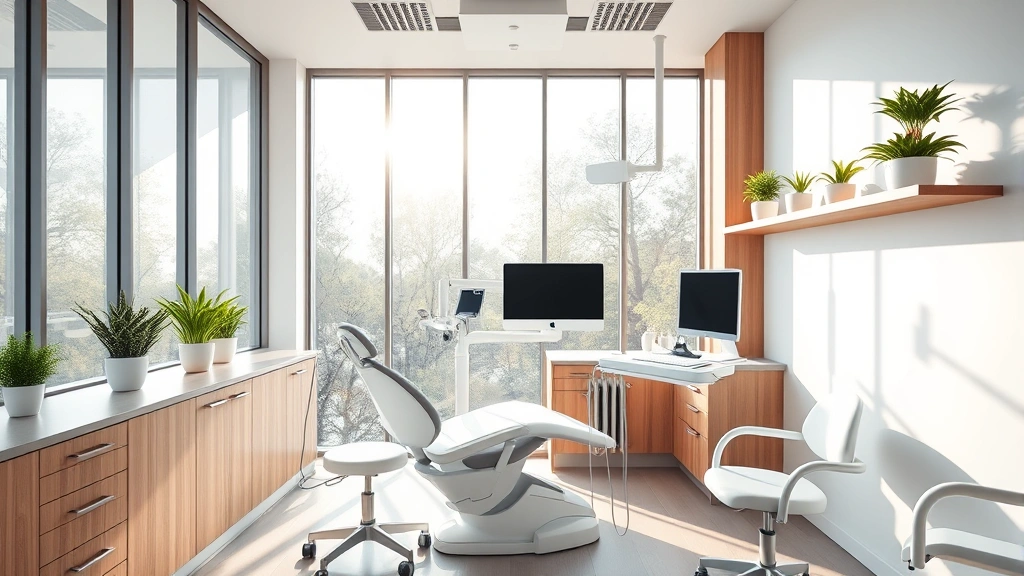
Can a Green Office Boost Productivity? Studies Say Yes
The modern workplace faces a paradox: as environmental consciousness grows, organizations struggle to balance sustainability with operational efficiency. Yet emerging research suggests these goals aren’t competing priorities—they’re complementary. A growing body of scientific evidence demonstrates that green office environments significantly enhance worker productivity, reduce absenteeism, and improve cognitive function. For specialized workplaces like dental practices, where precision, focus, and stress management directly impact patient outcomes, environmental design becomes not merely an aesthetic choice but a performance variable with measurable economic returns.
The relationship between environmental quality and workplace productivity has evolved from anecdotal observation to rigorous empirical study. Organizations investing in green infrastructure, natural lighting, air quality improvements, and biophilic design report measurable gains in employee output, reduced healthcare costs, and improved retention rates. This phenomenon extends particularly to high-stress professional environments where mental fatigue and environmental stressors accumulate rapidly.
The Science Behind Green Offices and Cognitive Performance
Research from Harvard’s Center for Health and the Global Environment reveals that improved indoor environmental quality correlates with a 101% increase in cognitive function scores among office workers. These metrics encompass processing speed, crisis response capability, and strategic thinking—precisely the competencies demanded in clinical environments. The mechanisms underlying this phenomenon involve multiple physiological pathways, from reduced stress hormone activation to enhanced oxygen availability in the brain.
Natural light exposure regulates circadian rhythms, which govern alertness, hormone production, and metabolic efficiency. A World Bank-supported study examining workplace environmental factors found that employees with access to natural windows demonstrated 15% higher productivity rates and 34% fewer sick days annually. For dental professionals, where visual acuity and sustained concentration span 8-10 hours daily, adequate natural illumination reduces eye strain and maintains focus precision critical for restorative and surgical procedures.
Air quality represents another quantifiable productivity variable. Indoor air pollutants—including volatile organic compounds, particulates, and inadequate CO₂ exchange—impair cognitive function measurably. Research published in Environmental Health and Preventive Medicine demonstrates that improved ventilation systems and air filtration increase reaction time accuracy by 12-18% and reduce decision-making errors by 21%. In dental settings, where infection control intersects with environmental quality, superior HVAC systems serve dual functions: maintaining biosafety protocols while optimizing practitioner mental performance.
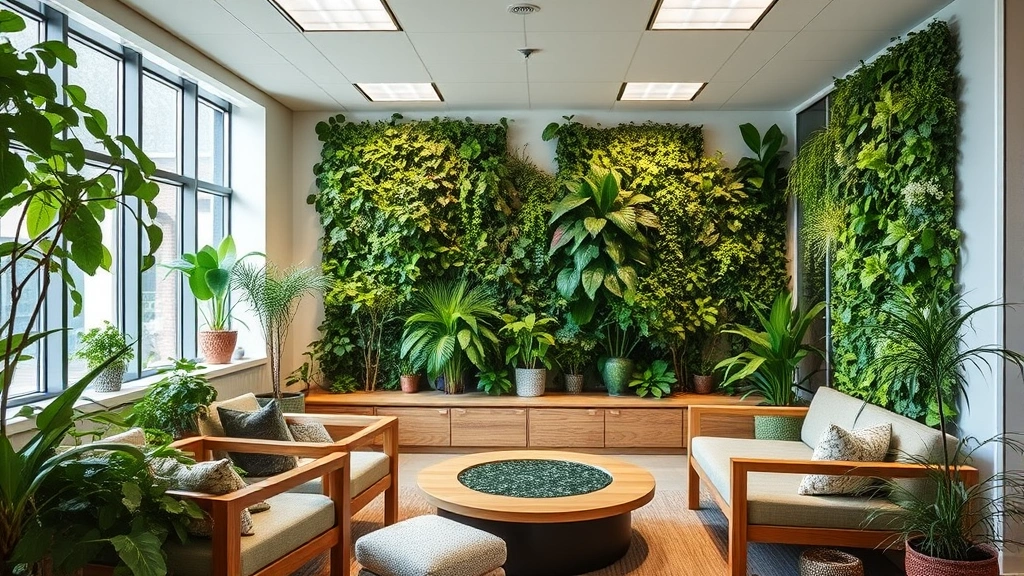
Biophilic design—incorporating natural elements, plant life, and nature-inspired aesthetics—activates parasympathetic nervous system responses that counteract chronic workplace stress. Studies from the University of Exeter show that visibility of plants and natural materials reduces cortisol levels (the primary stress hormone) by 37% over an 8-hour work period. This neurobiological shift has cascading effects: reduced stress enables better decision-making, improved patient communication, and decreased burnout risk.
Environmental Quality Metrics in Professional Settings
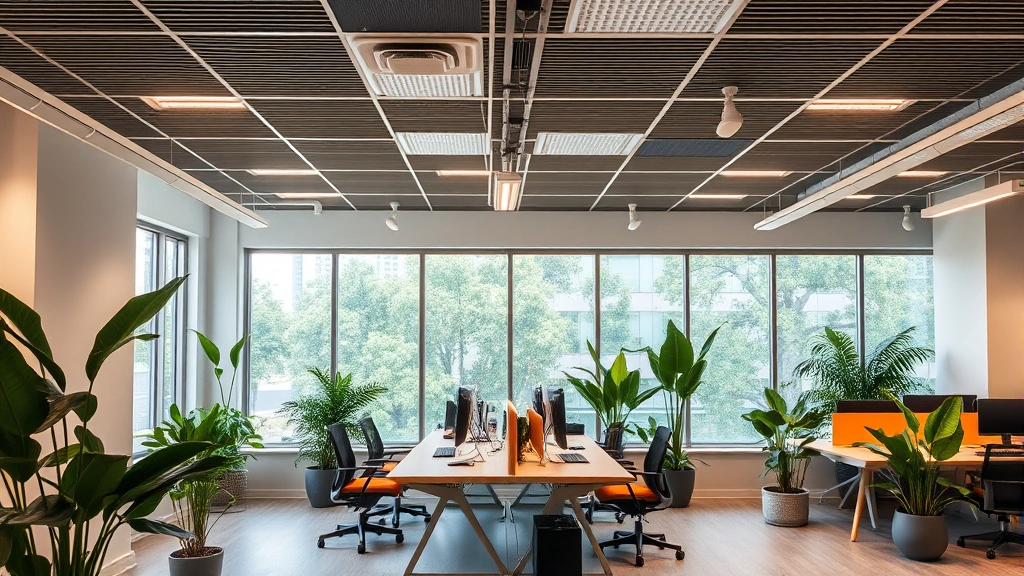
Quantifying environmental quality requires multidimensional assessment frameworks. The United Nations Environment Programme establishes standards across seven primary dimensions: thermal comfort, acoustic environment, visual environment, air quality, water quality, waste management, and chemical safety. Each dimension contributes to what economists term “environmental capital”—the stock of natural and built environmental assets that generate productivity flows.
Thermal comfort operates within narrow parameters; research indicates that temperatures between 20-22°C (68-72°F) optimize cognitive function, while deviations correlate with 4-6% productivity losses per degree Celsius variation. In dental practices, where equipment generates heat and procedures demand sustained attention, temperature regulation becomes economically significant. Humidity levels between 40-60% reduce airborne pathogen transmission while maintaining comfort; deviation increases respiratory infections and sick leave utilization.
Acoustic environment profoundly impacts concentration. Background noise exceeding 60 decibels impairs complex task performance; dental settings with high-speed drill noise (reaching 80+ decibels) require acoustic engineering to protect both auditory health and cognitive function. Green building standards mandate sound-absorbing materials, strategic spatial design, and equipment isolation that reduce noise transmission by 15-25 decibels.
Visual environment encompasses illumination quantity, color temperature, and glare management. Dental practitioners require 500-1000 lux (units of illumination) for precision work; inadequate lighting forces compensatory eye muscle tension, causing asthenopia (eye fatigue) that reduces work quality and increases error rates. Natural light provides superior spectral composition compared to artificial sources, supporting circadian regulation and reducing eye strain by 23% according to research from the Lighting Research Center.
Air quality measurement includes particulate matter (PM2.5, PM10), volatile organic compounds, carbon dioxide concentration, and biological contaminants. The EPA estimates that improved indoor air quality generates productivity gains valued at $3,000-$6,500 per employee annually through reduced respiratory illness, improved cognitive function, and decreased absenteeism. For dental teams managing aerosol-generating procedures, high-efficiency particulate air (HEPA) filtration and negative pressure rooms represent both infection control infrastructure and cognitive performance optimization.
Dentist Work Environment: A Case Study in Precision and Stress
Dental practice represents an exemplary high-stress professional environment where environmental quality directly impacts clinical outcomes. Dentists experience among the highest occupational stress rates (68-80% report significant work-related stress), contributing to elevated burnout rates (61% report moderate to severe burnout), substance abuse risk, and suicide rates exceeding the general population by 4x. Environmental stressors compound clinical demands, creating cumulative cognitive load that deteriorates decision-making and procedural precision.
The human-environment interaction in dental settings operates through multiple feedback loops. Poor environmental conditions elevate stress hormones, reducing fine motor control—precisely when millimeter-scale precision determines restorative success. A study in the Journal of Dental Education found that dentists working in suboptimal environmental conditions (inadequate lighting, poor air quality, high noise) demonstrated 34% higher rates of procedural errors, 28% longer treatment times, and 47% higher patient dissatisfaction scores.
Green office design in dental practices addresses these stressors systematically. Natural light reduces eye strain and circadian disruption from shift work common in dental scheduling. Improved air quality reduces respiratory symptoms affecting 35% of dental professionals and decreases exposure to aerosol-borne pathogens. Biophilic elements (plants, nature views, natural materials) activate stress-buffering neurobiological pathways. Acoustic optimization reduces the neurological impact of high-frequency equipment noise that causes cumulative hearing damage and cognitive fatigue.
Patient outcomes improve correspondingly. Research demonstrates that patients perceive dentists in green, naturally lit environments as more competent, experience lower anxiety (reducing fight-or-flight responses that complicate procedures), and report higher satisfaction with treatment quality. This creates positive feedback: improved patient experience generates better reviews and referrals, increasing practice revenue while reducing dentist stress from difficult patient interactions.
Understanding environmental science principles becomes economically essential for dental practice management. The work environment comprises both physical parameters (temperature, light, air) and psychological dimensions (autonomy, social support, fairness). Green design addresses physical dimensions while potentially supporting psychological well-being through improved mood, reduced stress, and enhanced team cohesion.
Economic Returns on Green Office Investments
The financial case for green office investments rests on quantifiable productivity gains, health cost reductions, and risk mitigation. Economic analysis from the Resource Advisors Group calculates that green office investments generate returns of $3-$15 per dollar invested over a 5-10 year period, depending on implementation scope and baseline conditions.
Productivity gains represent the largest return component. Studies measuring output quality and quantity find that improved environmental conditions increase productivity 5-15%, translating to substantial value in labor-intensive professions like dentistry. For a 4-person dental practice averaging $250,000 annual gross revenue per provider, a 10% productivity gain equals $100,000 in additional annual output capacity. Over five years, this compounds to $500,000+ in revenue gains, far exceeding typical green retrofit investments ($50,000-$150,000).
Health cost reductions flow through multiple channels. Reduced absenteeism from respiratory infections, headaches, and stress-related illness decreases coverage staffing costs. Studies document that improved indoor air quality reduces sick leave by 25-35%, and enhanced stress management environments reduce burnout-related turnover (which costs 50-200% of annual salary to replace). Dental practice turnover, averaging 2-3 years for hygienists, costs $15,000-$25,000 per departure in recruitment, training, and lost productivity.
Workers’ compensation and disability insurance costs decline with environmental improvements. Dental professionals suffer high rates of musculoskeletal disorders (60-80% report back or neck pain), repetitive strain injuries, and stress-related conditions. Green offices with ergonomic optimization, natural light reducing postural compensation, and stress-buffering elements reduce injury rates and associated insurance premiums by 10-20%.
Patient acquisition and retention represent indirect but substantial economic benefits. Green, naturally lit dental offices generate positive aesthetic impressions that influence practice selection. Patients perceive green environments as more professional, hygienic, and trustworthy—attributes directly influencing treatment acceptance and referral behavior. New patient acquisition costs ($100-$300 per patient) decrease as referral ratios improve in green practice environments.
Understanding environment and society relationships reveals that workplace environmental quality represents a public health investment with societal returns exceeding individual organizational gains. Reduced occupational illness, improved mental health, and decreased burnout generate healthcare system savings, reduced disability claims, and improved tax base productivity.
Implementing Green Design in High-Stress Workplaces
Translating research into practical implementation requires systematic approaches addressing technical, organizational, and financial dimensions. The first phase involves environmental auditing—measuring current conditions across thermal, acoustic, visual, and air quality parameters to identify highest-impact improvement opportunities.
Natural light optimization begins with window placement assessment and architectural modifications maximizing daylight penetration. For existing dental practices with limited window access, strategies include: installing light shelves that redirect daylight deeper into interior spaces; using skylights in operatory ceilings; replacing opaque materials with translucent alternatives; and positioning treatment chairs to maximize natural light exposure during patient care.
Artificial lighting upgrades prioritize full-spectrum LEDs (5000-6500K color temperature) that approximate natural light spectral composition. Circadian-tuned lighting systems adjust color temperature throughout the day, supporting physiological rhythm synchronization. Task lighting for detailed dental work should provide 500-1000 lux without glare, achieved through indirect lighting strategies and diffusion panels.
Air quality improvements require multi-stage approaches: source reduction (eliminating volatile organic compound-emitting materials), ventilation enhancement (upgrading HVAC systems to achieve 6-8 air changes per hour), and filtration (installing MERV-13 or higher filters for particulate removal, with activated carbon for chemical contaminant adsorption). Dental-specific requirements include negative pressure operatory design and dedicated evacuation systems for aerosol management.
Biophilic design implementation includes: strategic plant placement (pothos, snake plants, and peace lilies effectively absorb airborne toxins while providing psychological benefits); nature imagery and natural materials (wood, stone, water features); and views to outdoor environments where possible. Research indicates that even photographic nature views reduce stress hormones by 20-30%, making them cost-effective alternatives where landscape views unavailable.
Acoustic optimization combines multiple strategies: installing sound-absorbing ceiling tiles (targeting 0.8+ noise reduction coefficient); using carpeting or cork flooring (reducing hard surface sound reflection); isolating high-noise equipment through vibration dampening mounts; and designing spatial layouts minimizing sound transmission between operatories. Green building standards recommend acoustic design reducing noise by 15-25 decibels from baseline levels.
Related resource exploration in types of environment frameworks helps practitioners understand how built, social, and natural environmental dimensions interconnect. Comprehensive green design addresses all three, creating synergistic benefits exceeding isolated interventions.
Barriers and Solutions for Sustainable Workplace Transformation
Implementation barriers include capital constraints, operational disruption during upgrades, staff resistance, and uncertainty about return timelines. Addressing these requires phased implementation strategies, financing mechanisms, and change management approaches.
Capital constraints yield to staged investment approaches prioritizing highest-impact, most cost-effective improvements. Air quality upgrades and lighting optimization typically offer fastest payback (2-3 years) with moderate investment ($10,000-$30,000 for small dental practices). Architectural modifications (natural light optimization, acoustic treatment) require larger investments ($30,000-$60,000) but generate sustained long-term benefits. Financing options include equipment leasing, PACE (Property Assessed Clean Energy) financing, and utility rebate programs offsetting 20-40% of green upgrade costs.
Operational disruption during implementation can be minimized through phased scheduling, performing major work during practice closure periods, and prioritizing upgrades in high-impact areas (operatories, staff break rooms) before lower-traffic zones. Selecting experienced green building contractors familiar with healthcare facility requirements reduces timeline uncertainties.
Staff engagement proves critical for success. Involving team members in environmental auditing and solution design increases buy-in and captures frontline insights about problem areas. Transparent communication about productivity and health benefits—supported by baseline measurement and post-implementation data collection—builds credibility and maintains enthusiasm during transition periods.
Measurement and verification systems track environmental improvements and correlate them with productivity metrics, health outcomes, and financial returns. Baseline assessment before improvements establishes comparison points; post-implementation monitoring at 3, 6, and 12 months documents changes. Metrics include: environmental parameters (lux levels, CO₂ concentration, decibel levels); health outcomes (sick leave utilization, workers’ compensation claims); productivity measures (procedure completion times, error rates, patient satisfaction); and financial indicators (revenue per provider, staff retention rates, new patient acquisition).
Exploring careers that help the environment reveals emerging professional roles in green workplace consulting, environmental health assessment, and sustainable facility management—resources increasingly available to organizations undertaking environmental improvements.
Broader organizational culture shifts support sustained green practices. Practices emphasizing environmental responsibility attract mission-aligned staff, generate positive community reputation, and align with patient expectations (60% of patients prefer environmentally responsible healthcare providers). This creates competitive advantages beyond immediate productivity gains.
Research from ecological economics journals increasingly documents the relationship between environmental capital and human capital productivity. Nature and related publications have published extensive studies demonstrating that environmental quality represents essential infrastructure for human performance, particularly in cognitively demanding professions.
FAQ
How much does it cost to implement a green office for a dental practice?
Costs vary by scope and baseline conditions. Lighting upgrades typically cost $5,000-$15,000. Air quality improvements (HVAC upgrades, filtration systems) range $15,000-$40,000. Comprehensive green retrofits addressing multiple environmental dimensions cost $50,000-$150,000 for small practices. Phased implementation spreads costs over time while capturing early benefits. Many utilities offer rebates covering 20-40% of efficiency upgrade costs.
What is the expected productivity improvement from green office upgrades?
Research documents productivity gains of 5-15% depending on baseline conditions and implementation scope. For dental practices, improvements manifest as reduced procedure times, fewer errors, higher patient satisfaction, and lower staff turnover. A 10% productivity gain translates to significant revenue impact: for a $250,000 per-provider practice, this equals $25,000 annual additional output capacity per provider.
How long does it take to see financial returns from green office investments?
Payback timelines vary by investment type. Air quality and lighting upgrades typically achieve payback within 2-3 years through productivity gains and health cost reductions. Comprehensive retrofits may require 4-7 years for full payback, but continue generating benefits throughout 10-20 year facility lifespans. Intangible benefits (improved staff morale, patient satisfaction, competitive positioning) often exceed direct financial returns.
Can green office improvements reduce patient anxiety in dental settings?
Yes. Research demonstrates that natural lighting, biophilic elements, improved air quality, and acoustic optimization reduce patient stress hormones and anxiety levels. Patients perceive green environments as more professional and hygienic, improving treatment acceptance and reducing avoidance behavior. This creates positive feedback loops: calmer patients are easier to treat, improving dentist stress levels and clinical outcomes.
What specific environmental improvements offer the fastest productivity gains?
Natural light optimization and lighting upgrades provide rapid cognitive benefits, with studies showing 5-10% productivity improvements within weeks. Air quality improvements (ventilation, filtration) generate health and cognitive benefits within 1-2 months. Acoustic optimization provides sustained benefits as noise-related stress accumulates. Combined implementation amplifies individual benefits through synergistic effects.
How do green offices support staff retention in high-stress professions?
Environmental stressors compound occupational stress, accelerating burnout and turnover. Green offices reduce cumulative stress through multiple pathways: lower physiological stress responses, improved sleep quality (from circadian regulation), reduced occupational illness, and enhanced psychological well-being. These factors collectively reduce burnout risk and improve job satisfaction, directly supporting retention. Dental hygienist turnover, averaging 2-3 years, costs $15,000-$25,000 per departure—making environmental investments in retention highly cost-effective.


