How Degrading Environment Affects Economy: Study Insights
The relationship between environmental degradation and economic performance has become one of the most critical focal points in contemporary policy research. A degrading environment does not merely represent an ecological crisis—it constitutes a fundamental economic threat that undermines productivity, increases costs, and redistributes wealth in ways that disproportionately harm vulnerable populations. Recent studies from leading research institutions reveal that environmental deterioration directly translates into measurable economic losses, ranging from supply chain disruptions to workforce productivity declines.
The conventional economic paradigm has historically treated the environment as an externality—a factor external to market calculations. However, mounting empirical evidence demonstrates that this perspective grossly underestimates the true cost of environmental degradation. When forests disappear, fisheries collapse, and air quality deteriorates, these are not merely environmental failures; they represent substantial economic losses that ripple through global markets, affecting investment decisions, insurance premiums, and long-term growth trajectories.
Understanding these interconnections requires an interdisciplinary approach that bridges ecological science, economics, and policy analysis. This article synthesizes current research to illuminate how environmental degradation affects economic systems, what quantifiable impacts researchers have documented, and what strategic responses governments and businesses must implement.
The Economic Cost of Environmental Degradation
The World Bank estimates that environmental degradation costs developing nations approximately 4-5% of their annual GDP, a figure that dwarfs many traditional economic losses. This calculation encompasses soil degradation, water depletion, forest loss, and air pollution—phenomena that erode the natural capital upon which economic activity depends. Natural capital, comprising forests, fisheries, mineral deposits, and freshwater systems, represents the foundation of production in extractive industries and agriculture, sectors that employ hundreds of millions globally.
When researchers quantify environmental damage through ecosystem service valuation, the numbers become staggering. A landmark study published in the journal Ecological Economics valued global ecosystem services at approximately $125 trillion annually—a figure that exceeds global GDP. The degradation of these services represents an ongoing transfer of wealth from future generations to present consumers, a dynamic that violates basic principles of intergenerational equity and long-term economic sustainability.
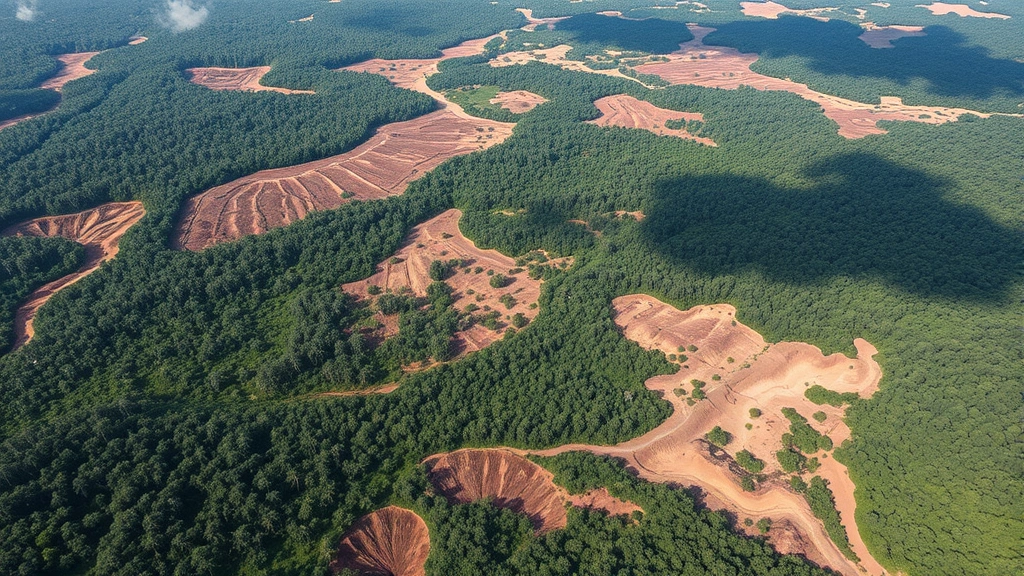
The relationship between degrading environment conditions and economic output follows multiple pathways. Direct pathways include reduced agricultural yields from soil erosion, diminished fishery catches from overharvesting, and decreased timber production from deforestation. Indirect pathways operate through infrastructure damage (flooding from watershed degradation), increased disease burden (from water pollution), and reduced tourism revenues (from ecosystem deterioration). These cascading effects create feedback loops that amplify initial environmental shocks.
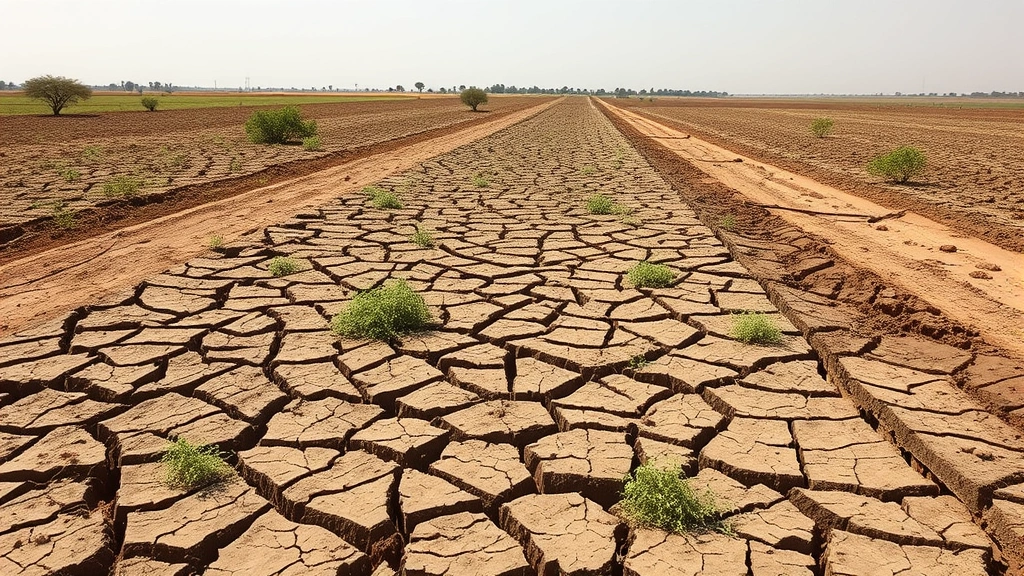
Developing economies face particular vulnerability because their production structures depend heavily on natural resource extraction and agriculture. In sub-Saharan Africa, for instance, approximately 80% of employment depends directly or indirectly on natural ecosystems. When environmental degradation accelerates—through desertification, deforestation, or water scarcity—entire economic sectors face simultaneous collapse, creating humanitarian crises alongside economic contraction.
Sectoral Impacts: Agriculture, Fisheries, and Natural Resources
Agricultural productivity faces unprecedented pressure from environmental degradation. Soil degradation affects approximately 2 billion hectares globally, reducing crop yields by an estimated 20-25% in severely affected regions. This phenomenon occurs through multiple mechanisms: erosion removes nutrient-rich topsoil, salinization from excessive irrigation renders land unproductive, and nutrient depletion from monoculture farming exhausts soil reserves. The economic consequence is straightforward—declining output without corresponding cost reductions, thereby compressing profit margins and forcing farmer bankruptcies.
Water scarcity intensifies these agricultural challenges. The UN Environment Programme reports that agricultural water demand will increase 55% by 2050, yet freshwater availability is declining due to overextraction and pollution. Regions dependent on groundwater irrigation—including the Indian subcontinent, the North China Plain, and the Middle East—face imminent water crises that will fundamentally reshape agricultural economics. When irrigation becomes impossible or prohibitively expensive, entire agricultural sectors contract, generating unemployment and food price inflation.
Fisheries represent another sector experiencing catastrophic environmental-economic linkages. Global fish stocks have declined 68% since 1970 according to the Living Planet Report, directly translating into reduced catches and higher prices. The economic impact extends beyond fishing communities; approximately 3 billion people depend on fish protein for nutrition, so stock collapse threatens food security and generates demand for expensive alternative proteins. Small-scale fishermen in developing nations—often among the poorest populations—face livelihood destruction as fish populations disappear.
Forestry and timber industries experience similar pressures as deforestation accelerates. Beyond timber revenue losses, forest degradation eliminates carbon sequestration services, reduces watershed protection, and destroys habitats for species with pharmaceutical and agricultural value. The economic calculation becomes complex when accounting for these multiple service losses, yet most market transactions capture only timber value, ignoring ecosystem service losses worth multiples of harvest revenue.
Natural resource extraction industries face compounding costs as environmental degradation advances. Mining operations require increasingly stringent environmental controls; oil extraction from unconventional sources (deepwater, tar sands) becomes more expensive and risky; and renewable resource scarcity drives price volatility. These dynamics create investment uncertainty, elevate capital requirements, and reduce sector profitability—consequences that ripple through national economies dependent on resource revenues.
Health Costs and Workforce Productivity
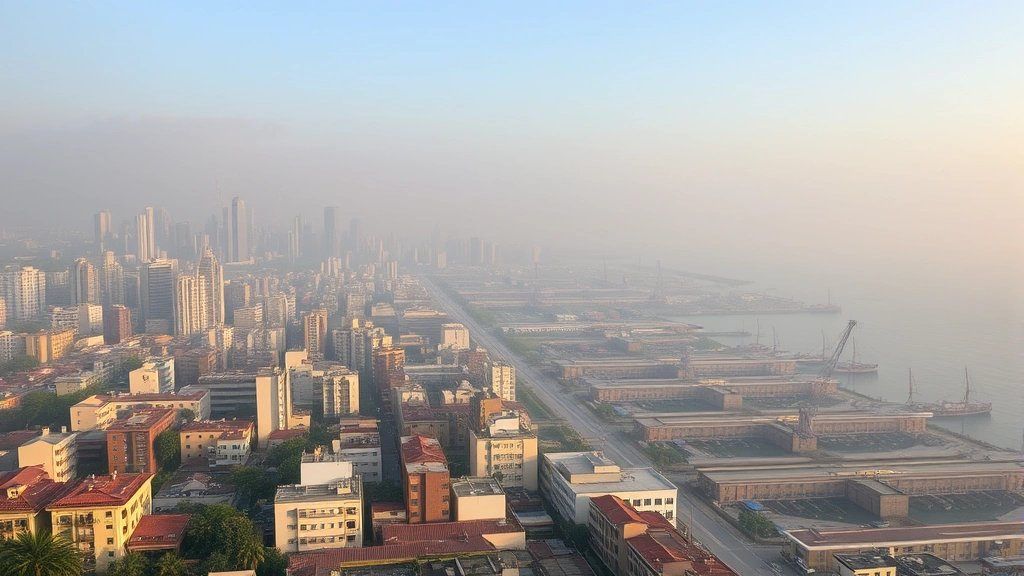
Environmental degradation imposes substantial health burdens that translate directly into economic losses through reduced workforce productivity and elevated healthcare expenditures. Air pollution alone costs the global economy approximately $5.1 trillion annually when accounting for mortality, morbidity, and lost productivity, according to research from the World Bank. Water pollution generates similar costs through waterborne disease transmission, nutritional impacts from contaminated fisheries, and industrial productivity losses from workforce illness.
The relationship between environmental quality and workforce productivity operates through multiple channels. Chronic air pollution causes respiratory diseases that reduce worker output by 5-15% in severely polluted regions. Heat stress from climate change directly impairs cognitive and physical performance, particularly in outdoor occupations. Vector-borne diseases proliferate in degraded ecosystems, creating seasonal productivity fluctuations and elevated absenteeism. Malnutrition from agricultural degradation reduces childhood cognitive development, lowering future workforce productivity across entire generations.
Healthcare systems in developing nations face overwhelming burdens from environmental health impacts. Respiratory diseases, waterborne illnesses, and climate-related injuries consume 10-15% of health budgets in heavily polluted regions, diverting resources from other priorities. This fiscal pressure constrains economic growth because healthcare spending crowds out investment in education, infrastructure, and productive capacity. The opportunity cost becomes particularly severe in nations with limited fiscal resources.
Psychological impacts from environmental degradation also affect economic performance through mechanisms researchers are only beginning to quantify. Anxiety about environmental futures, stress from resource scarcity, and grief from ecosystem loss—phenomena increasingly recognized as legitimate mental health concerns—reduce cognitive function and economic participation. These intangible impacts resist monetization but substantially affect long-term workforce quality and social stability.
Climate Change and Macroeconomic Instability
Climate change, driven by environmental degradation and carbon emissions, represents perhaps the most consequential economic threat from environmental decline. The Stern Review, a landmark 2006 economic analysis, estimated that unmitigated climate change could reduce global GDP by 5-20% permanently, with impacts concentrated in developing nations. More recent models suggest even larger losses, particularly when accounting for tipping points, ecosystem collapse, and nonlinear climate responses.
Macroeconomic impacts from climate change operate through multiple channels. Physical damage from extreme weather events—hurricanes, floods, droughts—destroys productive infrastructure and disrupts economic activity. Insurance costs rise as climate volatility increases, effectively imposing a climate tax on economic activity. Agricultural productivity becomes increasingly unpredictable, generating food price volatility that destabilizes economies dependent on food imports. Investment uncertainty increases as climate risks become uninsurable, reducing capital formation and productivity growth.
Developing nations face disproportionate climate impacts because their economies depend heavily on climate-sensitive sectors (agriculture, fisheries, tourism) and their infrastructure lacks resilience to extreme events. Small island developing states face existential threats from sea level rise, while Sahel nations confront advancing desertification. These asymmetric impacts violate principles of equity and generate international tensions around climate finance and responsibility.
The relationship between human environment interaction and climate outcomes has become increasingly clear through recent research. Our production and consumption patterns directly drive greenhouse gas emissions, which accumulate in the atmosphere and alter climate systems. Understanding this linkage is essential for recognizing that climate change represents not a natural phenomenon but an economic system outcome—one that can be modified through policy intervention and behavioral change.
Supply Chain Vulnerabilities and Market Disruption
Global supply chains depend on stable environmental conditions and reliable natural resource flows. Environmental degradation creates supply chain vulnerabilities that generate economic shocks and price volatility. When water scarcity affects semiconductor manufacturing regions, entire technology sectors face production constraints. When agricultural degradation reduces crop yields, food-importing nations face price spikes and potential social unrest.
The COVID-19 pandemic revealed supply chain fragility, but environmental degradation presents far more persistent challenges. Unlike temporary lockdowns, environmental degradation progressively worsens, creating escalating constraints on production. Companies face mounting pressure to secure supplies from increasingly degraded sources, elevating costs and risks. Insurance markets struggle to price climate and environmental risks accurately, creating either underpricing (which subsidizes high-risk activities) or overpricing (which constrains investment in vulnerable sectors).
Commodity price volatility driven by environmental factors creates macroeconomic instability. Oil price shocks from climate-related production disruptions or geopolitical conflicts over resources generate inflation, currency instability, and investment uncertainty. Agricultural price spikes from drought or pest outbreaks affect food security and trigger social unrest. Metals price volatility from environmental constraints on mining operations affects manufacturing competitiveness globally.
Financial markets increasingly recognize these risks, with sustainable investing and ESG (environmental, social, governance) frameworks gaining prominence. However, this recognition often comes too late—after environmental degradation has already imposed substantial costs. Proactive environmental protection would reduce these market disruptions, but the economic incentives for such protection remain inadequate under current policy frameworks.
Biodiversity Loss and Economic Resilience
Biodiversity loss represents a fundamental threat to economic resilience because genetic and species diversity underlies ecosystem productivity and stability. Agricultural systems dependent on limited crop varieties face elevated vulnerability to pests and diseases. Pharmaceutical industries lose potential drug compounds as species extinction accelerates—researchers estimate that 25% of modern pharmaceuticals derive from rainforest plants, yet we destroy rainforests at accelerating rates. Ecosystem services depend on biodiversity; simplified ecosystems provide fewer services and prove more vulnerable to collapse.
The economic value of biodiversity extends beyond direct use values (food, medicine, materials) to include option values (potential future uses), existence values (intrinsic worth), and bequest values (intergenerational equity). Traditional economic analysis captures only use values, systematically underestimating biodiversity’s true economic importance. When species extinction is treated as costless because extinct species generated no market transactions, economic decision-making becomes fundamentally distorted.
Ecosystem resilience—the capacity to maintain function despite disturbances—depends critically on biodiversity. Diverse ecosystems recover from droughts, pests, and climate variations better than simplified systems. Agricultural systems with diverse crop genetics prove more resilient to environmental shocks. Fisheries with diverse species composition maintain productivity despite individual species fluctuations. Economic systems built on biodiverse natural capital prove more stable and productive than those dependent on simplified systems.
The relationship between biodiversity and economic productivity has been quantified in studies examining forest productivity, fishery yields, and agricultural output. Research consistently demonstrates that simplified systems generate higher short-term yields but lower long-term productivity and greater collapse risk. The economic tragedy emerges when short-term profit incentives drive biodiversity loss despite long-term economic damage—a classic tragedy of the commons where individual rationality produces collective irrationality.
Policy Frameworks and Economic Recovery
Addressing environmental degradation requires policy frameworks that internalize environmental costs into economic decision-making. Carbon pricing—whether through taxes or cap-and-trade systems—represents one approach, though current prices remain far below estimated climate damages. Payments for ecosystem services create economic incentives for environmental protection, though implementation challenges limit effectiveness. Subsidy reform that eliminates perverse incentives (agricultural subsidies promoting monoculture, fossil fuel subsidies promoting emissions) could redirect substantial resources toward sustainable production.
Environmental accounting reforms could fundamentally alter economic decision-making. Adjusting GDP calculations to account for natural capital depletion would reveal that many nations experience negative genuine economic growth despite positive GDP growth. Comprehensive wealth accounting that includes human, social, and natural capital would provide policymakers with more accurate information about long-term sustainability. Several nations have begun implementing such accounting systems, revealing that traditional GDP measures grossly misrepresent economic performance.
Strategies for reducing carbon footprint and environmental impact extend beyond individual behavior to encompass systemic economic restructuring. Transitioning to renewable energy reduces emissions while creating employment in emerging sectors. Regenerative agriculture rebuilds soil health while sequestering carbon. Circular economy models that minimize waste reduce resource extraction pressures. These transitions require substantial investment but generate long-term economic benefits through reduced environmental damage costs and creation of new economic opportunities.
International cooperation becomes essential for addressing transboundary environmental degradation. Water pollution affects downstream nations; climate change affects all nations; biodiversity loss represents a global commons problem. Frameworks like the Paris Agreement, CBD (Convention on Biological Diversity), and UNEP initiatives attempt to coordinate global environmental protection, though implementation remains inadequate. Scaling these efforts requires political commitment and financial transfers from developed to developing nations.
The concept of World Environment Day 2025 provides opportunity for renewed commitment to environmental protection as economic necessity. Rather than framing environmental protection as sacrifice, policymakers must communicate the economic imperative: degrading environments impose costs that dwarf environmental protection investments. The choice is not between environmental protection and economic growth; it is between paying for protection now or facing catastrophic costs later.
Innovation and technological development offer pathways for decoupling economic growth from environmental degradation. Renewable energy technologies have achieved cost competitiveness with fossil fuels in many markets. Agricultural technologies including precision farming and drought-resistant crops reduce resource requirements. Circular economy innovations minimize waste while reducing raw material needs. These technologies require investment and policy support, but they generate long-term economic benefits exceeding costs.
Corporate environmental responsibility initiatives, while often insufficient, demonstrate market recognition of environmental-economic linkages. Companies implementing sustainable practices often achieve cost reductions through efficiency improvements, gain market advantages through brand differentiation, and reduce regulatory risks. However, voluntary approaches prove inadequate without complementary regulation that prevents free-rider problems and ensures level competitive playing fields.
FAQ
How much does environmental degradation cost the global economy annually?
Estimates vary depending on methodology, but the World Bank calculates that environmental degradation costs developing nations 4-5% of annual GDP. Global losses likely exceed $4-6 trillion annually when accounting for all ecosystem service losses, though precise quantification remains challenging due to methodological complexities and data limitations.
Which economic sectors face the greatest impact from environmental degradation?
Agriculture, fisheries, forestry, and tourism face the most immediate impacts because they depend directly on ecosystem health. However, all sectors ultimately depend on environmental conditions; manufacturing requires water and energy, construction requires mineral resources, and all sectors depend on healthy workforces and stable climates. The distinction between directly and indirectly affected sectors obscures the reality that environmental degradation represents a systemic economic threat.
How does environmental degradation affect developing nations differently than developed nations?
Developing nations face disproportionate impacts because their economies depend more heavily on natural resource extraction and agriculture, their infrastructure lacks resilience to environmental shocks, and their limited fiscal capacity constrains adaptation investments. Additionally, developed nations historically caused much of current environmental degradation, creating equity concerns about burden distribution.
Can economic growth continue if environmental degradation accelerates?
Conventional GDP growth might continue temporarily as environmental degradation is treated as costless, but genuine economic welfare—accounting for natural capital depletion—would decline. Eventually, physical limits to resource extraction and ecosystem service provision would constrain growth. The evidence suggests that economies cannot achieve long-term prosperity on a degraded environmental foundation; sustainable growth requires environmental protection.
What role do sustainable fashion brands and consumer choices play in addressing environmental degradation?
Individual consumer choices matter symbolically and marginally affect corporate behavior, but systemic change requires policy frameworks that make sustainable choices economically advantageous for all market participants. Individual virtue cannot substitute for policy reform; however, consumer demand for sustainability can accelerate corporate adoption of sustainable practices and create political pressure for stronger environmental regulations.
How do renewable energy for homes and distributed sustainability initiatives contribute to economic recovery?
Renewable energy adoption reduces long-term energy costs, creates employment in installation and maintenance, reduces climate-related infrastructure damage, and improves air quality with associated health benefits. Distributed renewable systems enhance energy security and reduce vulnerability to supply disruptions. These benefits generate economic gains exceeding transition costs, though distributional impacts require policy attention to ensure equitable transitions.


