Creating a Conducive Economy: Expert Insights on Building Sustainable Business Environments
A conducive environment represents far more than favorable conditions for business growth—it embodies the delicate balance between economic prosperity, environmental stewardship, and social equity. In today’s interconnected world, experts increasingly recognize that truly conducive economies must integrate ecological principles with financial incentives, creating systems where businesses thrive while natural capital remains intact. This comprehensive exploration examines what constitutes a conducive economic environment, how it intersects with environmental sustainability, and what policy frameworks enable this critical convergence.
The concept of a conducive environment has evolved dramatically over the past two decades. Initially defined narrowly as conditions supporting business expansion—low taxation, minimal regulation, and accessible capital—contemporary understanding encompasses much broader dimensions. A modern conducive economy facilitates not only profit generation but also environmental restoration, community resilience, and long-term prosperity. This shift reflects mounting evidence that economies disconnected from ecological realities face systemic risks including resource depletion, climate volatility, and cascading supply chain failures.
Understanding Conducive Environment Definition
A conducive environment, in economic and business contexts, refers to a comprehensive set of conditions, policies, and institutional arrangements that facilitate productive activity, innovation, and sustainable growth. The World Bank defines this through multiple dimensions: regulatory clarity, transparent governance, secure property rights, accessible finance, skilled human capital, and robust infrastructure. However, this traditional framework increasingly incorporates ecological variables—natural resource availability, ecosystem services valuation, climate stability, and biodiversity preservation—as essential components rather than external considerations.
The definition encompasses both tangible and intangible elements. Tangible factors include physical infrastructure, capital availability, technology access, and supply chain connectivity. Intangible dimensions involve institutional trust, regulatory predictability, intellectual property protection, and social cohesion. Crucially, modern economic theory recognizes that human-environment interaction fundamentally shapes whether conditions truly remain conducive. An economy built on depleted aquifers, degraded soils, or compromised air quality cannot sustain conduciveness indefinitely, regardless of short-term financial metrics.
Expert consensus increasingly centers on five pillars defining contemporary conducive environments. First, regulatory frameworks must balance incentive structures with environmental accountability. Second, capital allocation mechanisms must incorporate natural capital depreciation. Third, human capital development requires investment in both technical skills and ecological literacy. Fourth, technological infrastructure must support both productivity and environmental monitoring. Fifth, institutional arrangements must enable stakeholder participation across government, business, and civil society sectors.
Economic Foundations of Conducive Systems
The economic architecture underpinning conducive environments rests on several fundamental principles. Market mechanisms, when properly designed, can align profit incentives with environmental protection. Carbon pricing, ecosystem service markets, and green bonds represent mechanisms through which economic signals incorporate ecological constraints. However, market failures—where prices fail to reflect true environmental costs—necessitate complementary policy interventions including regulation, taxation, and subsidy reform.
Comparative analysis reveals distinct economic models attempting conduciveness. Nordic economies emphasize high taxation coupled with strong environmental regulation and social investment, achieving both economic competitiveness and ecological performance. Southeast Asian emerging markets pursue rapid industrialization with varying environmental integration, demonstrating how policy choices shape outcomes. African economies increasingly adopt circular economy principles, recognizing resource constraints demand efficiency-first approaches. These diverse models suggest no single pathway exists, but rather context-specific applications of core principles.
Financial system architecture profoundly influences whether economies remain conducive long-term. Banking sectors incorporating environmental risk assessment, insurance markets pricing climate exposure accurately, and investment funds screening for sustainability demonstrate how financial innovation supports conduciveness. Conversely, financial systems ignoring environmental externalities create moral hazard—rewarding short-term extraction over long-term stewardship. The emergence of UNEP-tracked green finance mechanisms indicates global recognition that capital flows must align with sustainability imperatives.
Labor market dynamics critically affect conducive environment quality. Economies generating quality employment, supporting workforce transitions during technological shifts, and investing in human development demonstrate understanding that prosperity requires inclusive participation. The intersection of economic opportunity with environmental restoration creates employment in renewable energy, ecological restoration, sustainable agriculture, and conservation technologies. When human-environment interaction examples include productive, dignified work, economies achieve dual objectives simultaneously.
Environmental Integration in Economic Policy
Integrating environmental considerations into economic policy represents perhaps the central challenge of contemporary governance. Traditional approaches separated environmental policy from economic planning, treating ecology as a constraint rather than foundation. Progressive frameworks embed environmental analysis throughout policy development—infrastructure investment decisions incorporate climate resilience; trade policies account for biodiversity impacts; fiscal policies reflect ecosystem service values.
Natural capital accounting transforms how economies measure progress. Gross Domestic Product, measuring only monetary transactions, fundamentally misrepresents economic health when natural assets depreciate unrecorded. Countries adopting comprehensive wealth accounting—tracking manufactured capital, human capital, natural capital, and social capital simultaneously—develop more accurate pictures of genuine progress. This methodological shift, advocated by World Bank wealth accounting initiatives, reveals that many seemingly prosperous economies actually deplete underlying assets, rendering future conduciveness impossible.
Ecosystem service valuation methodologies enable economic integration of environmental benefits. Wetlands’ water purification, forests’ carbon sequestration, pollinators’ agricultural contribution, and coastal ecosystems’ storm protection all possess quantifiable economic value. When these services appear in cost-benefit analyses, investment decisions shift dramatically. A hydroelectric dam project appearing economically sound may prove uneconomical when accounting for fishery losses, carbon release from reservoir decomposition, and downstream ecosystem disruption. Conducive economies systematically incorporate these considerations.
Climate economics provides frameworks for understanding how environmental conditions affect economic performance. Research on climate-economy interactions demonstrates that unmitigated warming imposes escalating costs—agricultural productivity losses, infrastructure damage, health expenses, and productivity decline. Conversely, climate mitigation investments generate economic returns through energy efficiency gains, technology innovation, job creation, and avoided damages. Conducive economies recognize climate policy as economic policy, not environmental burden.
Human-Environment Interaction Within Economics
The concept of what human-environment interaction means in economic contexts encompasses how human systems extract from, depend upon, and affect natural systems. This relationship is fundamentally economic—every economic transaction involves resource extraction, transformation, and waste generation. Conducive environments optimize this interaction, maximizing value generated while minimizing resource depletion and environmental degradation.
Circular economy principles exemplify how economic models can reshape human-environment interaction positively. Linear “take-make-waste” models treat environments as infinite resource sources and waste sinks—assumptions increasingly untenable. Circular approaches design production systems where outputs become inputs, minimizing virgin resource extraction and waste. Companies implementing circular strategies—product-as-service models, material recovery systems, regenerative agriculture—often discover profitability improves alongside environmental performance. These outcomes contradict false dichotomies between economic success and environmental responsibility.
Supply chain integration represents crucial terrain where human-environment interaction becomes economically consequential. Global supply chains span ecosystems, jurisdictions, and cultural contexts, creating complex interdependencies. A conducive economy ensures supply chains reflect true environmental costs—deforestation in supplier countries, water depletion in production regions, and pollution in manufacturing zones all represent economic risks to purchasing firms. Progressive companies adopting supply chain transparency and environmental standards discover competitive advantages through risk reduction, brand value, and operational efficiency.
The relationship between poverty and environmental degradation exemplifies human-environment interaction’s economic dimensions. Resource-dependent communities facing limited livelihood options often engage in ecologically destructive practices—unsustainable logging, agricultural overexploitation, or wildlife trafficking—to survive. Conducive economies recognize this dynamic and create alternative pathways. Payment for ecosystem services, sustainable livelihood programs, and conservation-linked economic development demonstrate that environmental protection and poverty reduction reinforce rather than contradict each other. Understanding how people adapt to their environment economically reveals opportunities for mutually beneficial arrangements.
Institutional Frameworks and Governance
Institutions—formal organizations and informal rules governing behavior—fundamentally determine whether economic environments remain conducive. Strong institutions provide predictability, enforce contracts, prevent corruption, and align individual incentives with collective welfare. Environmental governance institutions prove equally critical, establishing resource management frameworks, monitoring compliance, and adapting policies to changing conditions.
Multi-level governance systems prove most effective for managing complex economic-environmental interactions. Local institutions understand specific environmental conditions and community needs; national governments establish consistent standards and redistribute resources; international frameworks address transboundary challenges like climate change and ocean management. Conducive economies integrate these levels coherently, avoiding gaps where activities escape accountability and overlaps creating inefficient duplication.
Stakeholder participation mechanisms enhance both economic and environmental outcomes. When businesses, communities, environmental organizations, and government agencies collaborate on policy development, resulting frameworks prove more legitimate, comprehensive, and implementable. Participatory approaches reveal local knowledge, surface implementation challenges early, and build constituencies supporting difficult transitions. Evidence from community-based resource management demonstrates that stakeholder engagement improves both conservation outcomes and economic sustainability.
Regulatory design critically shapes conduciveness. Prescriptive regulations specify exact compliance methods, often proving inflexible and costly. Performance-based regulations establish environmental or economic targets, allowing firms flexibility in achievement methods—typically reducing compliance costs while maintaining outcomes. Market mechanisms like cap-and-trade systems harness competitive incentives for efficiency. Conducive economies employ regulatory pluralism, combining approaches appropriately for different contexts. Understanding human activities affecting environment enables designing regulations targeting highest-impact areas effectively.
Measuring Conducive Economic Performance
Evaluating whether economies achieve conduciveness requires metrics transcending traditional economic indicators. GDP growth alone proves insufficient, as it can coincide with environmental degradation, inequality, and declining wellbeing. Comprehensive measurement frameworks incorporate multiple dimensions of performance.
The Sustainable Development Goals framework, adopted internationally, establishes seventeen objectives encompassing economic development, environmental protection, and social equity. Measuring progress across these dimensions reveals trade-offs and synergies. Some development pathways advance certain goals while undermining others; conducive economies identify strategies advancing multiple objectives simultaneously. National accounting systems increasingly track SDG progress alongside GDP, providing more complete economic pictures.
Environmental performance indices measure ecosystem health, resource availability, and pollution levels. Biodiversity indices track species populations and ecosystem integrity. Water quality and availability metrics indicate freshwater system health. Air quality measurements reflect atmospheric conditions. Carbon accounting quantifies greenhouse gas emissions and sequestration. Integrated environmental indices combining these dimensions reveal whether natural capital remains stable or deteriorates. Conducive economies systematically monitor these indicators, adjusting policies when trends prove unfavorable.
Social wellbeing measurements capture whether prosperity translates to improved quality of life. Income distribution metrics reveal inequality levels. Health and education indicators measure human capital development. Employment quality measures assess job satisfaction and security. Social cohesion indices evaluate trust and cooperation. Life satisfaction surveys capture subjective wellbeing. Economies where GDP grows but wellbeing stagnates or declines face sustainability questions—conduciveness requires shared prosperity, not concentrated gains.
Business competitiveness indices like the World Economic Forum’s Global Competitiveness Index increasingly incorporate environmental and social factors alongside traditional economic metrics. This evolution reflects recognition that true competitive advantage derives from sustainable systems, not extractive models. Companies and countries excelling across economic, environmental, and social dimensions demonstrate that conduciveness encompasses all three.
Global Case Studies and Implementation
Examining global examples reveals diverse pathways toward conducive economies and obstacles encountered. Costa Rica exemplifies how emerging economies can prioritize environmental protection while achieving economic development. Reforestation programs, renewable energy investment, and ecotourism development created employment while restoring natural capital. Costa Rica’s 99% renewable electricity generation demonstrates technological feasibility; its biodiversity conservation success shows ecological restoration remains possible. However, challenges persist—agricultural expansion pressures remaining forests, inequality limits inclusive growth, and climate change threatens water security. These complexities illustrate that conduciveness requires sustained commitment across multiple domains.
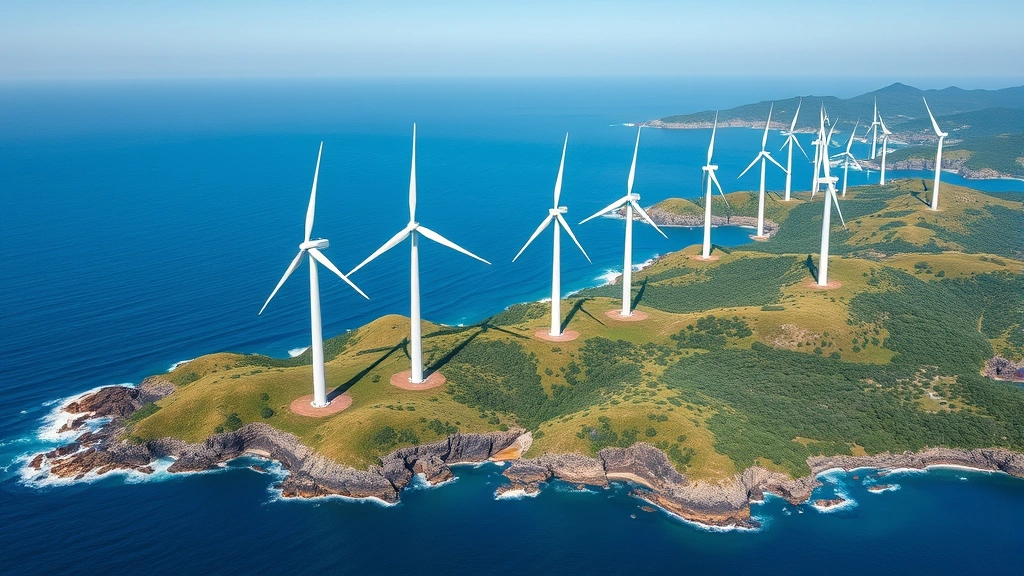
Denmark’s renewable energy transition demonstrates how developed economies can decarbonize while maintaining competitiveness. Wind energy investments created manufacturing and installation employment; energy efficiency programs reduced consumption; grid modernization enabled renewable integration. Denmark now generates 80% of electricity renewably while maintaining industrial production and prosperity. Yet challenges remain—agricultural intensification pressures water quality, international supply chains often obscure environmental impacts, and achieving full decarbonization requires transport and heating system transformation. Denmark’s experience shows that conduciveness requires continuous innovation and adaptation.
Rwanda’s green economy strategy illustrates how post-conflict nations can prioritize sustainability from early development stages. Banning plastic bags, protecting watersheds, and investing in renewable energy created environmental conditions supporting agriculture and tourism. Community-based natural resource management engaged rural populations in conservation, generating income while protecting ecosystems. Rwanda’s approach demonstrates that environmental protection and poverty reduction can advance simultaneously. However, rapid development pressures test sustainability commitments, and ensuring inclusive participation remains ongoing challenge.
The European Union’s Green Deal represents ambitious policy framework attempting economy-wide sustainability integration. Carbon neutrality targets by 2050, circular economy directives, biodiversity restoration goals, and just transition mechanisms for affected workers establish comprehensive framework. Initial results show emissions declining while GDP grows, demonstrating decoupling feasibility. However, implementation challenges emerge—agricultural sectors resist intensive regulation, energy transition costs concentrate on specific regions, and international competitiveness concerns drive protectionist impulses. EU experience illustrates that conducive economy creation requires political will, sustained investment, and managing distributional consequences.
China’s ecological civilization framework represents world’s largest economy attempting environmental integration. Renewable energy investments exceed global competitors; reforestation programs restore degraded landscapes; pollution control measures address air and water quality. However, continued coal dependence, manufacturing concentration in polluting sectors, and development pressures on remaining ecosystems reveal tensions between rapid growth and environmental protection. China’s trajectory will significantly influence global sustainability prospects.
These diverse examples demonstrate that conducive economies emerge through context-specific applications of core principles: environmental integration in economic planning, institutional frameworks enabling stakeholder participation, comprehensive measurement systems tracking multiple dimensions, and political commitment sustaining transitions despite obstacles. No single model exists; rather, successful approaches adapt universal principles to particular circumstances while remaining open to learning from other contexts.
Implementation challenges consistently emerge across contexts. Powerful interests benefiting from existing arrangements resist change. Distributional consequences of transitions create political opposition in affected communities. International trade and investment rules sometimes conflict with environmental protection. Technological limitations constrain rapid transitions. Limited financial resources challenge simultaneous investment in economic development, environmental restoration, and social equity. Overcoming these obstacles requires sustained political will, international cooperation, technological innovation, and inclusive processes ensuring affected communities participate in shaping transitions.

The path toward conducive economies represents humanity’s central economic challenge. Traditional growth models based on resource extraction and environmental externalization prove increasingly untenable. Climate change, biodiversity loss, water scarcity, and soil degradation impose escalating costs on economic systems disconnected from ecological realities. Conversely, economies successfully integrating environmental and social considerations often achieve superior economic performance—innovation flourishes, employment expands, and resilience improves.
Creating conducive environments requires transformation across multiple domains simultaneously. International research institutions increasingly provide evidence that sustainability and prosperity reinforce rather than contradict each other. Financial systems must incorporate environmental risk; supply chains must reflect true costs; governance institutions must enable stakeholder participation; measurement systems must track comprehensive progress; policies must integrate economic and environmental objectives.
The transition toward conducive economies remains early-stage globally. Some regions advance rapidly; others lag significantly. International cooperation through climate agreements, trade rules, and development assistance shapes transition speed. Technological innovation in renewable energy, agriculture, and manufacturing continuously expands feasibility. Shifting consumer preferences and investor priorities create market pressures for sustainability. Youth activism and social movements increasingly demand environmental responsibility. These forces collectively suggest accelerating transitions toward genuine conduciveness, though timelines remain inadequate for avoiding significant climate and ecological damage.
The concept of environment definition fundamentally shapes how economies develop. Viewing environment as inert backdrop to economic activity enables extractive models; recognizing it as living system requiring stewardship transforms economic logic. Conducive economies embrace this latter understanding, building systems where human prosperity and ecological health advance together. This represents not regression to pre-industrial conditions but rather evolution toward sophisticated economic models reflecting biophysical realities and social aspirations simultaneously.

FAQ
What exactly defines a conducive environment in economic terms?
A conducive environment encompasses conditions enabling sustainable economic activity—regulatory clarity, institutional trust, infrastructure quality, human capital development, accessible finance, and crucially, environmental stability. Modern definitions integrate ecological factors as foundational rather than peripheral, recognizing that true conduciveness requires natural capital preservation alongside economic growth.
How do environmental factors affect economic conduciveness?
Environmental factors fundamentally determine economic sustainability. Resource depletion, ecosystem degradation, and climate instability impose escalating costs on economic systems. Conversely, investments in renewable energy, sustainable agriculture, and ecosystem restoration create employment, innovation opportunities, and resilience. Conducive economies systematically incorporate environmental considerations into economic planning.
Can economies achieve growth while protecting environments?
Yes, evidence increasingly demonstrates that decoupling economic growth from environmental degradation is feasible. Denmark, Costa Rica, and other nations show that renewable energy, circular economy practices, and sustainable resource management can advance simultaneously with economic development. However, this requires intentional policy design and investment; decoupling does not occur automatically through market forces alone.
What role do institutions play in conducive economies?
Institutions—both formal organizations and informal rules—fundamentally shape economic behavior and environmental outcomes. Strong institutions provide predictability, enforce environmental standards, prevent corruption, and enable stakeholder participation. Multi-level governance integrating local, national, and international institutions proves most effective for managing complex economic-environmental interactions.
How should economies measure whether they remain conducive?
Comprehensive measurement requires tracking multiple dimensions: GDP and economic growth; employment quality and distribution; environmental indicators including biodiversity, water, air quality, and carbon; wellbeing measures including health, education, and life satisfaction; and institutional quality indicators. Single-metric approaches prove inadequate for assessing true conduciveness.
What are primary obstacles to creating conducive economies?
Major obstacles include powerful interests benefiting from existing arrangements, unequal distribution of transition costs, international trade rules sometimes conflicting with environmental protection, technological limitations constraining rapid transitions, and limited financial resources. Overcoming these requires political will, international cooperation, technological innovation, and inclusive processes.
How do human-environment interactions shape economic outcomes?
Every economic transaction involves resource extraction, transformation, and waste generation—fundamentally human-environment interactions. Conducive economies optimize these interactions, designing supply chains reflecting true environmental costs, creating livelihoods compatible with ecosystem protection, and developing technologies minimizing resource depletion and pollution.


