Is Environmental Crime Impacting Economies? Study Insights
Environmental crime represents one of the most insidious threats to global economic stability, yet remains significantly underestimated in mainstream economic discourse. From illegal wildlife trafficking to unlicensed mining and toxic waste dumping, these activities generate an estimated $258 billion annually in illicit economic flows while simultaneously eroding natural capital that supports legitimate economic activity. Recent comprehensive studies reveal that environmental crime doesn’t merely damage ecosystems—it fundamentally destabilizes economies, disrupts markets, fuels corruption, and diverts critical resources from productive sectors.
The intersection of environmental crime and economic systems demonstrates how ecological degradation translates directly into financial losses. When criminals exploit natural resources without regulatory constraints, they undercut legitimate businesses, distort market prices, and create externalities that governments must address through expensive remediation. This article synthesizes emerging research on how environmental crime impacts economies globally, examining mechanisms of economic harm, sector-specific vulnerabilities, and evidence-based policy responses.
Understanding Environmental Crime and Economic Impact
Environmental crime encompasses illegal activities that exploit, damage, or deplete natural resources and ecosystems. This includes illegal logging, wildlife trafficking, illegal fishing, hazardous waste trafficking, pollution crimes, and unlicensed mining operations. Unlike traditional crimes with direct victims, environmental crimes create diffuse, long-term economic harms that accumulate across entire economies and generations.
The economic impact operates through multiple pathways. First, environmental crimes generate unregulated economic activity that competes unfairly with legitimate businesses. A timber company engaged in illegal logging can undercut legal competitors by avoiding environmental compliance costs, taxation, and labor standards. Second, these crimes degrade the natural capital foundations upon which economies depend—fisheries collapse when illegal overfishing depletes stocks, agricultural productivity declines when soils are contaminated, and tourism industries suffer when ecosystems are damaged. Third, environmental crime creates governance challenges that weaken institutional capacity and increase corruption, reducing overall economic efficiency and investor confidence.
Research from the United Nations Office on Drugs and Crime demonstrates that environmental crime flows follow similar patterns to drug trafficking and human trafficking, involving organized criminal networks with significant capital and political influence. This convergence means environmental crime isn’t merely an ecological problem—it’s fundamentally an economic security issue affecting fiscal stability, labor markets, and development pathways.
Scale and Financial Dimensions of Environmental Crime
Quantifying environmental crime’s economic impact requires understanding both direct financial flows and opportunity costs. The most comprehensive estimates suggest environmental crime generates between $91 billion and $258 billion annually, with significant variation depending on methodological approaches and geographic scope.
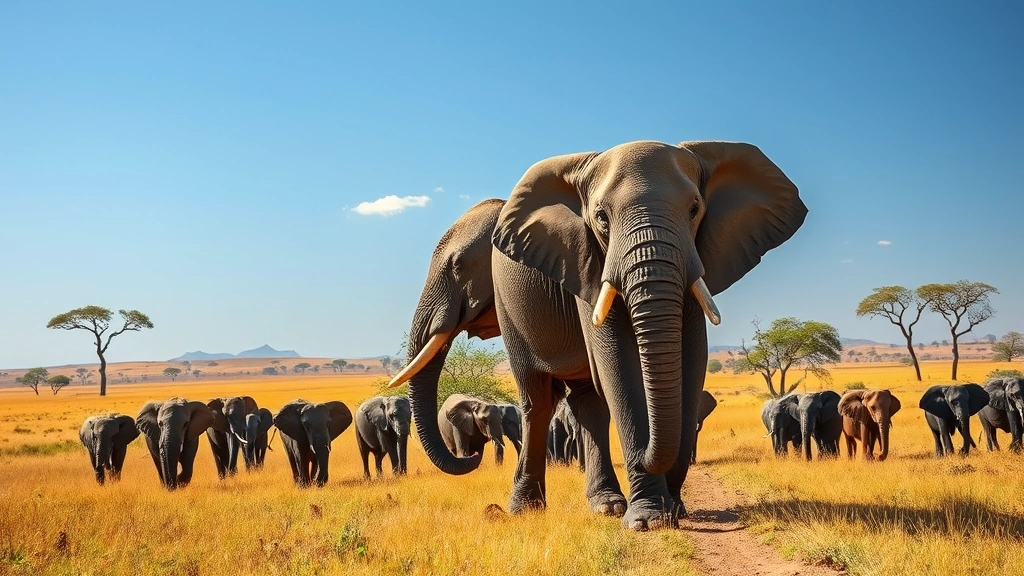
Wildlife trafficking alone constitutes a $23 billion annual market, making it the world’s fourth-largest illicit trade after drugs, counterfeits, and human trafficking. This generates immediate economic losses through depleted fish stocks, reduced tourism revenue, and higher enforcement costs. A single endangered species collapse can eliminate livelihoods for thousands of people dependent on sustainable resource use. The African elephant poaching crisis illustrates this—estimated annual losses to African economies from elephant population decline exceed $29 million in foregone tourism revenue alone, not accounting for ecological service losses.
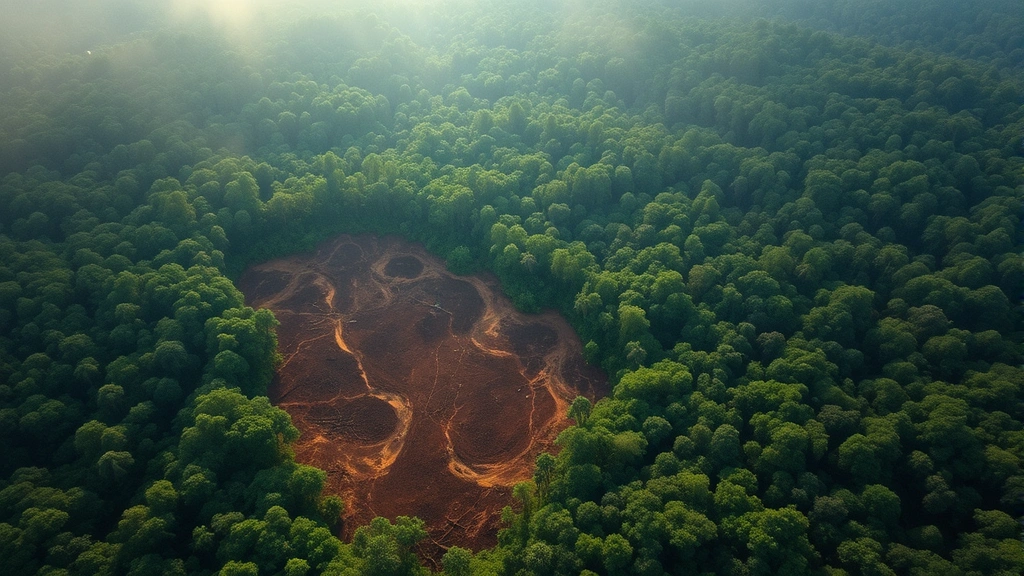
Illegal logging generates approximately $23-33 billion annually across tropical regions, primarily in Southeast Asia, Central Africa, and the Amazon. These operations devalue legitimate timber markets, reduce government tax revenues by an estimated 10-15% in affected countries, and create lasting ecosystem damage that impairs water regulation, carbon storage, and biodiversity conservation—services valued at trillions globally.
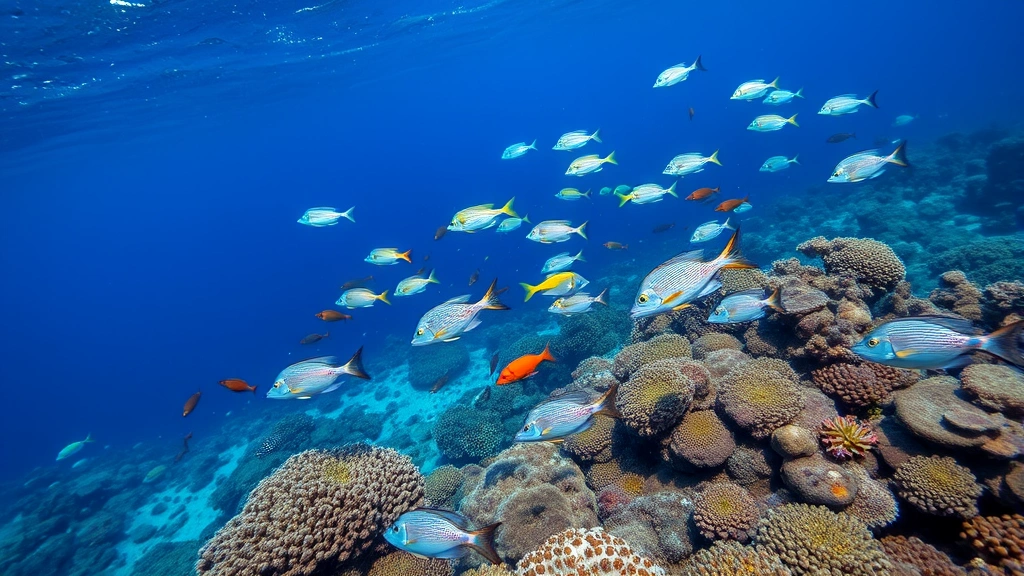
Illegal fishing costs legitimate fishing industries $14-36 billion annually through stock depletion and market flooding. When illegal operators harvest fish without respecting seasonal closures or catch limits, they accelerate stock collapse, reducing future productivity for all fishers. This creates a tragedy-of-the-commons scenario where short-term criminal profits generate long-term economic losses exceeding initial illegal gains by orders of magnitude.
Hazardous waste trafficking represents another significant economic drain. Developing nations receive an estimated 50-80% of global hazardous waste, much of it illegally dumped. Remediation costs can reach billions—Nigeria’s cleanup of toxic dumpsites costs approximately $11 billion annually, resources that could otherwise fund education, healthcare, or infrastructure.
Sector-Specific Economic Vulnerabilities
Environmental crime impacts differ dramatically across economic sectors, with particular vulnerability in resource-dependent economies. Understanding these sectoral dynamics reveals how environmental science intersects with economic development.
Fisheries Sector: Small-scale fishing communities in West Africa, Southeast Asia, and the South Pacific face catastrophic economic disruption from illegal fishing. When industrial vessels engage in unlicensed fishing, they deplete stocks that sustain 3.3 billion people who depend on fish for protein and livelihoods. Bangladesh’s fisheries sector, employing 1.7 million people, loses an estimated $2 billion annually to illegal operations. This creates unemployment cascades affecting processing facilities, distribution networks, and dependent communities.
Forestry and Agriculture: Illegal logging undermines legitimate forestry industries and accelerates deforestation, which reduces rainfall patterns critical for agricultural productivity. Studies show that deforestation in the Amazon reduces precipitation across South American agricultural regions, diminishing crop yields and farmer incomes. The economic feedback loops extend globally—when forests disappear, carbon storage capacity declines, accelerating climate change that increases agricultural risks worldwide.
Mining Sector: Illegal mining operations damage soil quality, contaminate water sources, and create health externalities that governments must address. In Ghana, illegal gold mining has contaminated water supplies serving millions, requiring expensive treatment infrastructure. The health costs—respiratory diseases, mercury poisoning, waterborne illnesses—reduce labor productivity and increase healthcare expenditure, diverting resources from productive investment.
Tourism Industry: Environmental degradation from crime directly reduces tourism revenue. The Philippines loses an estimated $1 billion annually in tourism revenue from coral reef destruction caused partly by illegal fishing and waste dumping. Wildlife trafficking undermines safari tourism across Africa, with some regions experiencing 30-40% tourism declines as megafauna populations collapse.
Corruption, Governance Failures, and Economic Consequences
Environmental crime thrives in weak governance environments, but simultaneously deepens governance failures through corruption mechanisms. This creates vicious cycles where criminal profits corrupt officials, who then facilitate further criminal activity, progressively weakening institutions.
Research indicates that environmental crime correlates strongly with broader corruption indices. In countries with high environmental crime, officials receive bribes to overlook illegal operations, issue fraudulent permits, or provide advance warning of enforcement activities. These corruption payments—estimated at 15-40% of environmental crime proceeds—directly reduce government resources available for legitimate services.
The institutional damage extends beyond direct bribery. When environmental enforcement agencies become corrupted, they lose credibility, deterrent capacity, and effectiveness. Legitimate businesses lose confidence in regulatory systems, creating disincentives for compliance. Foreign investors perceive governance risks and reduce investment, increasing capital costs and reducing economic growth potential. A study by the World Bank found that countries with high environmental crime experience 0.5-2% lower annual GDP growth compared to peers with effective environmental governance.
Corruption also diverts enforcement resources. Rather than investing in productive capacity, governments must fund expanded enforcement, investigation, and prosecution to combat environmental crime. The Philippines allocates 12% of its environmental budget to enforcement against illegal mining, diverting resources from conservation initiatives that could generate long-term economic benefits.
Natural Capital Depletion and Long-Term Economic Loss
The most profound economic impact of environmental crime operates through natural capital degradation. Natural capital—forests, fisheries, minerals, water, soil, and biodiversity—comprises the foundation of all economic activity. When environmental crime depletes these stocks, it reduces the productive capacity available for future generations.
Economic analysis reveals that natural capital depletion represents a form of forced disinvestment. When a forest is illegally logged, the economy gains short-term revenue but loses long-term income streams from sustainable forestry, watershed services, carbon storage, and tourism. The World Bank’s adjusted net savings calculations show that countries with high environmental crime experience negative genuine savings rates—meaning they’re becoming poorer in real terms despite apparent GDP growth.
Fisheries depletion illustrates this dynamic clearly. When illegal fishing reduces fish stocks below sustainable levels, future harvest capacity declines. A fishery capable of producing $100 million annually sustainably might be reduced to $40 million capacity if overexploited, representing a permanent $60 million annual loss. This loss persists indefinitely unless stocks recover, which requires years or decades of protection—during which legitimate fishers earn nothing.
Soil degradation from illegal mining and hazardous waste dumping creates similar permanent losses. Agricultural land rendered unproductive through contamination reduces food production capacity, increases import dependence, and reduces farmer incomes. Nepal’s agricultural productivity has declined measurably in regions affected by illegal mining, with yields dropping 15-25% in contaminated areas.
These long-term capital losses compound. As natural capital depletes, economic vulnerability increases, making societies more susceptible to climate shocks, market disruptions, and development challenges. Countries dependent on degraded natural capital cannot achieve sustainable development—they face perpetual resource constraints limiting poverty reduction and improved living standards.
Case Studies: Regional Economic Impacts
Examining specific regional cases reveals the concrete economic consequences of environmental crime operating within complex economic systems.
Southeast Asian Timber Trade: Illegal logging in Indonesia, Malaysia, and Myanmar generates an estimated $6.5 billion annually in criminal proceeds while costing legitimate timber industries $12-15 billion through depressed prices and lost market share. The environmental crime has decimated regional forestry sectors, with legitimate timber companies reducing operations by 40-60% in affected regions. This unemployment ripples through dependent industries—sawmills, furniture manufacturing, paper production—creating broader economic contractions in forest-dependent communities.
West African Fishing Collapse: Illegal fishing by foreign vessels has devastated West African fisheries. Mauritania’s fishing sector, historically providing 40% of government revenue, has contracted by 60% since 2000 due to overfishing. This fiscal collapse has reduced government capacity for education and healthcare investment, creating development setbacks affecting long-term human capital formation and economic potential.
Amazon Deforestation Economics: Illegal logging and land clearing in the Amazon generate short-term criminal profits estimated at $1-2 billion annually, but destroy ecosystem services—carbon storage, rainfall generation, biodiversity—valued at $20-50 billion annually. The deforestation reduces rainfall across agricultural regions in Brazil, Paraguay, and Argentina, causing crop losses exceeding $3 billion in some years. This illustrates how human-environment interaction creates cascading economic consequences extending far beyond crime locations.
African Wildlife Trafficking: Elephant poaching in Central Africa generates $100-200 million in annual criminal proceeds but costs African economies $29 million in lost tourism revenue annually—plus additional losses from ecosystem service degradation. The poaching has concentrated in regions with weak governance, creating feedback loops where reduced government revenue from environmental crime further weakens capacity to prevent future crime.
Market Distortion and Competitive Disadvantage
Environmental crime fundamentally distorts markets by enabling competitors to externalize environmental costs. When illegal operators avoid environmental compliance, labor standards, and taxation, they compete with unfair cost advantages, undermining legitimate businesses.
Price suppression represents a primary distortion mechanism. Illegal timber flooding markets depresses prices 20-40% below sustainable levels, making legal operations unprofitable. This forces legitimate businesses to reduce operations, lay off workers, or exit markets entirely. Over time, market share concentrates among illegal operators, progressively eliminating legitimate competition and reducing economic efficiency.
This dynamic has particularly severe consequences in developing economies where legitimate businesses operate with limited capital. A small timber operator in Cameroon cannot compete with illegal operations backed by criminal syndicates with access to black-market finance. The result is progressive market consolidation under criminal control, reducing competitive pressures that drive innovation and efficiency.
Environmental crime also distorts capital allocation. Criminal profits often exceed legitimate business returns, attracting capital that might otherwise fund productive investment. In countries with high environmental crime, entrepreneurs rationally choose illegal opportunities over legitimate ventures. This misallocation reduces overall economic productivity—criminal operations generate less value per unit of natural capital consumed than legitimate businesses.
International trade becomes another distortion channel. Illegal products entering global markets undercut legitimate suppliers worldwide. Timber from illegal sources floods markets, depressing prices for legal producers in Indonesia, Brazil, and Gabon. This creates competitive disadvantages for legitimate exporters, reducing their market share and export revenues.
Policy Solutions and Economic Recovery Strategies
Addressing environmental crime’s economic impacts requires integrated approaches combining enforcement, institutional strengthening, and market-based mechanisms.
Enforcement Enhancement: Effective enforcement deters environmental crime and protects legitimate markets. Countries investing in environmental enforcement—through expanded ranger patrols, forensic capabilities, and prosecution capacity—experience significant economic benefits. Kenya’s increased anti-poaching enforcement has stabilized elephant populations, supporting tourism revenue recovery. However, enforcement requires sustained investment; many developing nations lack resources for adequate environmental protection.
Institutional Strengthening: Anti-corruption reforms and governance improvements reduce environmental crime enabling factors. Countries implementing environmental governance reforms experience improved market conditions and investor confidence. The World Bank estimates that governance improvements yield 1-3% GDP growth increases through reduced corruption and improved resource allocation efficiency.
Legal Market Development: Promoting sustainable natural resource industries creates economic alternatives to crime. Sustainable forestry, certified fisheries, and eco-tourism generate employment while protecting natural capital. Costa Rica’s transition toward sustainable forestry and eco-tourism has increased per-capita income while expanding forest coverage—demonstrating that environmental protection and economic development align when criminal alternatives are eliminated.
Supply Chain Transparency: Traceability systems reduce illegal product market access. Blockchain-based systems tracking timber, fish, and minerals from harvest to consumer reduce illegal product infiltration. The EU’s due diligence requirements for timber imports reduced illegal timber trade by an estimated 30%, protecting legitimate European timber industries while supporting sustainable forestry globally.
International Cooperation: Environmental crime’s transnational nature requires coordinated responses. UNEP’s environmental crime initiatives coordinate enforcement across borders, disrupting criminal networks and protecting shared resources. Regional fisheries management organizations implementing coordinated enforcement have stabilized stocks and protected legitimate fishing industries.
Economic Incentive Alignment: Payment for ecosystem services programs provide economic incentives for environmental protection. Programs compensating communities for forest conservation have generated income while protecting carbon storage and biodiversity. FAO research shows that sustainable resource management programs generate 2-5x greater economic returns than extraction-based approaches when ecosystem services are valued.
Capacity Building: Developing nations require technical and financial support for environmental governance. International assistance for forensic capabilities, enforcement training, and institutional development yields significant economic returns through reduced environmental crime and improved resource management. Every dollar invested in environmental governance in developing nations generates estimated $4-6 in economic benefits through improved resource productivity and ecosystem service preservation.
FAQ
What is the total economic cost of environmental crime globally?
Estimates range from $91-258 billion annually depending on methodology. This includes direct criminal proceeds, lost legitimate economic activity, remediation costs, and ecosystem service losses. The variation reflects measurement challenges—many environmental crimes go undetected, and ecosystem service valuation involves inherent uncertainties. Conservative estimates suggest environmental crime costs exceed $150 billion annually, making it comparable to major legitimate industries.
How does environmental crime affect employment?
Environmental crime reduces legitimate employment through market displacement, sector collapse, and reduced business profitability. When illegal fishing depletes stocks, fishing communities lose livelihoods. When illegal logging floods markets, legitimate timber operations reduce employment. Studies estimate environmental crime causes 1-2 million job losses annually through these mechanisms, primarily affecting developing-nation communities dependent on natural resources.
Which regions experience the most severe economic impacts from environmental crime?
Sub-Saharan Africa, Southeast Asia, and South America experience the most severe impacts due to high resource dependence, weak governance, and organized crime networks. Countries like Ghana, Nigeria, Democratic Republic of Congo, Indonesia, and Peru lose 5-15% of potential economic growth annually to environmental crime impacts. These regions also have least institutional capacity to address the problem, creating persistent development challenges.
How does environmental crime relate to poverty and inequality?
Environmental crime perpetuates poverty by depleting natural capital that poor communities depend on for livelihoods. Poor communities lack political power to resist environmental crime operations and receive minimal benefits from criminal activity—most proceeds flow to criminal networks and corrupt officials. This deepens inequality while undermining poverty reduction pathways. Environmental protection frameworks that combat crime simultaneously protect poor communities’ resource access and livelihood security.
What is the connection between environmental crime and climate change?
Environmental crime accelerates climate change by destroying carbon sinks. Illegal logging removes forests that store atmospheric carbon, increasing emissions. Illegal fishing disrupts marine ecosystems’ carbon sequestration capacity. Hazardous waste dumping contaminates soils, reducing their carbon storage potential. Simultaneously, climate change increases environmental crime vulnerability—resource scarcity from climate impacts drives criminal exploitation of remaining resources. This creates vicious feedback loops where crime accelerates climate change that increases future crime pressure.
How can developing nations address environmental crime with limited budgets?
Developing nations can prioritize targeted enforcement in high-value sectors, develop international partnerships for capacity building, implement technology solutions like remote monitoring systems, and strengthen governance through anti-corruption reforms. International support through development assistance, technical training, and financial mechanisms like climate finance can supplement domestic resources. Community-based monitoring programs leverage local knowledge cost-effectively. Environmental careers supporting enforcement and governance represent productive investments in long-term economic security.


