How Crime Impacts the Environment: Data Insights
The relationship between crime and environmental degradation represents one of the most overlooked intersections in sustainability discourse. While criminal activities ranging from illegal wildlife trafficking to toxic waste dumping directly harm ecosystems, the broader economic consequences of crime create cascading effects throughout environmental management systems. Understanding this nexus requires examining how criminal enterprises exploit natural resources, undermine conservation efforts, and divert public resources away from environmental protection.
Crime-driven environmental damage costs the global economy an estimated $258 billion annually, according to recent research on environmental crime. This figure encompasses illegal logging, wildlife trafficking, illegal fishing, and pollution crimes that destabilize both ecological systems and the legitimate economies dependent on them. The intersection of crime and environmental degradation demands integrated policy responses that address both criminal networks and systemic vulnerabilities in environmental governance.

The Scale of Environmental Crime
Environmental crime ranks among the most profitable illegal activities globally, trailing only drug trafficking, human trafficking, and counterfeiting in financial scale. The United Nations Office on Drugs and Crime estimates that environmental crimes generate between $91 billion and $258 billion annually, making it a critical economic and ecological issue. This staggering range reflects the difficulty in quantifying illegal activities, but even conservative estimates demonstrate the magnitude of this problem.
The geographic distribution of environmental crime reveals patterns that correlate with weak governance, poverty, and limited enforcement capacity. Developing nations in Southeast Asia, Central Africa, and the Amazon region experience disproportionate impacts, though organized criminal networks operate transnationally. Environment and society frameworks must account for these criminal dimensions when designing sustainable development strategies.
Data from enforcement agencies shows that only an estimated 1-10% of environmental crimes result in prosecution, creating a massive enforcement gap. This impunity drives expansion of criminal operations, as perpetrators calculate minimal risk against substantial profits. The economic incentives structure makes environmental crime attractive to both opportunistic actors and sophisticated organized crime syndicates.

Wildlife Trafficking and Biodiversity Loss
Illegal wildlife trafficking represents one of the most visible forms of environmental crime, with direct impacts on species survival and ecosystem integrity. The global wildlife trade—both legal and illegal—represents approximately $23 billion annually, with the illegal segment comprising an estimated $7-23 billion. This trade drives extinction risk for thousands of species, from African elephants to pangolins, while generating criminal profits that fund broader organized crime networks.
The data reveals alarming population declines linked to poaching pressure. African elephant populations declined from approximately 1.3 million in 1979 to around 415,000 by 2020, with poaching for ivory driving the most severe losses. Rhinoceros populations face similarly dire circumstances, with fewer than 18,000 individuals remaining across all species. These declines represent not merely aesthetic losses but ecosystem service collapse, as megafauna play crucial roles in nutrient cycling, seed dispersal, and habitat structure.
Criminal networks exploit weak enforcement in source countries while leveraging demand in destination markets, primarily in East Asia. The profitability of wildlife trafficking creates perverse incentives that undermine conservation investments. A single kilogram of rhino horn commands prices exceeding $65,000 on black markets—far more than legitimate economic alternatives available to local communities. This economic disparity drives poaching despite severe legal penalties in many jurisdictions.
The connection between wildlife crime and human environment interactions extends beyond species loss to disease emergence. The wildlife trade facilitates zoonotic pathogen transmission, as demonstrated by COVID-19’s likely origins in wildlife markets. This represents an externality of environmental crime that affects global public health and economic stability.
Illegal Logging and Forest Destruction
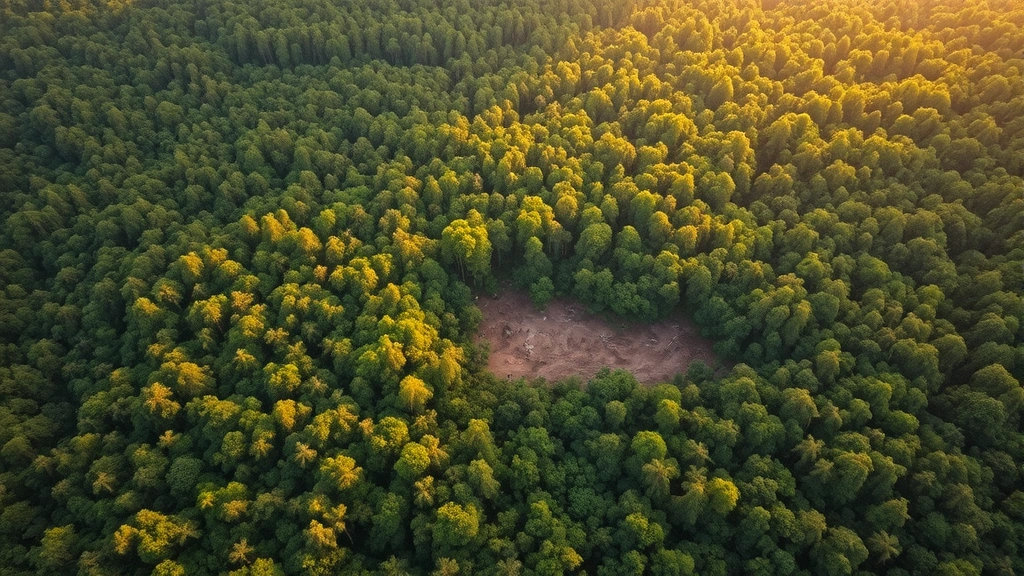
Illegal logging represents approximately 15-30% of global timber production, according to World Bank estimates, generating $30-100 billion annually in illegal revenues. This criminal activity drives deforestation at rates that dwarf legal timber harvesting, particularly in tropical regions containing irreplaceable biodiversity and carbon stores. The Amazon rainforest alone loses an estimated 1.7 billion trees annually, with criminal logging contributing substantially to this destruction.
The data reveals sophisticated criminal operations that exploit governance gaps in developing nations. Criminal logging networks employ violence against indigenous communities and environmental defenders, with documented murders of environmental activists exceeding 1,500 in the past decade. These crimes create humanitarian dimensions beyond environmental degradation, forcing displacement and cultural destruction alongside ecosystem collapse.
Illegal logging operations operate through complex supply chains that launder illegally harvested timber into legitimate markets. Estimates suggest that 30-40% of timber imported to developed nations originates from illegal sources, creating demand-side drivers for forest crime. The economic value of standing forests for carbon sequestration and biodiversity preservation remains largely unpriced in market transactions, creating economic incentives favoring criminal extraction over conservation.
The climate implications of illegal logging extend beyond direct carbon release. Deforestation reduces the planet’s capacity to absorb atmospheric carbon, while destroyed forests no longer provide ecosystem services valued at trillions annually. The economic analysis of illegal logging reveals that short-term criminal profits impose long-term costs on global climate stability and local ecosystem services.
Organized Crime in Fisheries
Illegal, unreported, and unregulated (IUU) fishing generates estimated losses of $15.5-36.9 billion annually while driving marine ecosystem collapse. Criminal fishing operations employ industrial-scale equipment in protected areas and during closed seasons, bypassing regulations designed to maintain stock sustainability. The data shows that IUU fishing accounts for 11-26 million tons of catch annually—equivalent to 14-33% of global reported catches.
The economic consequences ripple through coastal communities dependent on fisheries. An estimated 3.2 billion people rely on fish as primary protein sources, making fishery degradation a food security issue alongside environmental damage. Criminal fishing networks monopolize stocks, preventing legitimate fishing communities from accessing traditional resources and generating income. This economic displacement drives secondary migration and poverty in coastal regions.
Data from regional fisheries management organizations reveals that high-value species face particular vulnerability to IUU fishing. Bluefin tuna stocks declined 96% from unfished levels, while shark populations dropped 71% globally due partly to criminal overharvesting for fins. The ecosystem impacts extend beyond target species, as industrial fishing gear destroys benthic habitats and captures non-target organisms.
Transnational criminal networks operate fishing vessels under flags of convenience, register catches fraudulently, and launder illegal product through legitimate supply chains. The economic structure of IUU fishing creates powerful incentives for organized crime involvement, as capital requirements remain relatively modest compared to profits. Enforcement challenges persist due to vast ocean areas and limited monitoring capacity in developing nations.
Toxic Waste Dumping and Pollution
Criminal waste trafficking generates estimated annual revenues of $10-12 billion, with developing nations bearing disproportionate environmental burdens. Organized crime networks illegally transport hazardous waste from developed to developing countries, exploiting weaker environmental regulations and enforcement capacity. The data reveals that approximately 50-80% of global waste movements may involve fraudulent documentation or illegal dumping.
The health and environmental impacts prove devastating in recipient communities. Illegal dumping of electronic waste, industrial chemicals, and radioactive materials contaminates water supplies, agricultural soils, and atmospheric conditions. Studies document elevated cancer rates, respiratory diseases, and developmental disorders in communities near illegal dumping sites. The economic costs of remediation and health care often exceed any nominal penalties imposed on perpetrators, creating negative externalities borne by vulnerable populations.
The global north’s waste generation creates criminal opportunities in the global south. Wealthy nations generate approximately 2 billion tons of waste annually, with developed countries producing per capita waste generation rates 3-4 times higher than developing nations. Criminal networks exploit this disparity, purchasing waste cheaply in developed countries and dumping it illegally in locations with minimal enforcement capacity.
Data on chemical pollution reveals that illegal dumping contributes substantially to global contamination. Persistent organic pollutants, heavy metals, and endocrine-disrupting chemicals accumulate in ecosystems and bioaccumulate through food chains. The economic externalities of pollution crimes extend across generations, as contamination persists for decades and affects reproductive capacity in exposed populations.
Economic Cascades and Resource Diversion
The broader economic impacts of environmental crime extend beyond direct resource destruction to systemic effects on development and governance. Corruption accompanying environmental crime diverts public resources away from conservation, environmental monitoring, and sustainable development. An estimated 30-40% of conservation budgets in developing nations may be lost to corruption related to environmental crime.
The relationship between crime and definition of environment science frameworks reveals how criminal activities undermine scientific monitoring and research capacity. Environmental agencies in developing nations struggle to fund basic monitoring programs, allowing criminal activities to expand undetected. The data gap created by inadequate monitoring prevents evidence-based policy responses and enables perpetrators to operate with minimal accountability.
Crime-driven environmental degradation generates economic shocks that destabilize entire regions. Fishery collapse in West Africa contributed to migration pressures and conflict as economic opportunities disappeared. Forest loss in Southeast Asia reduced hydrological regulation, increasing flood risk and agricultural losses. The economic costs of these cascading impacts often dwarf the direct value of stolen resources, yet remain largely unaccounted for in crime impact assessments.
Investment in environmental crime prevention generates substantial economic returns through avoided ecosystem service losses. Research suggests that every dollar invested in anti-trafficking enforcement generates $10-15 in benefits through preserved wildlife populations and ecosystem services. Despite these favorable cost-benefit ratios, environmental crime enforcement remains chronically underfunded relative to drug or financial crime enforcement.
Data-Driven Solutions and Enforcement
Effective responses to environmental crime require integrated approaches combining enforcement, governance reform, and economic incentive restructuring. Technology innovations including satellite monitoring, DNA tracking, and blockchain supply chain verification offer unprecedented capacity to detect and prosecute environmental crimes. Recent deployments of these technologies reduced illegal logging in some regions by 30-50% through improved detection and enforcement certainty.
The data demonstrates that visible enforcement presence substantially reduces environmental crime. Increased patrols in protected areas correlate with 40-60% reductions in poaching, while strengthened port monitoring reduces IUU fishing by 25-45%. These results suggest that enforcement gaps reflect resource constraints rather than inherent difficulty in crime prevention. Strategic allocation of limited enforcement resources to high-impact areas generates measurable results.
Economic instruments restructuring incentives show promise in reducing environmental crime. Payments for ecosystem services programs that compensate communities for forest conservation prove effective when amounts exceed poaching profits. Community-based natural resource management approaches that share conservation benefits with local populations generate both environmental and development outcomes. The economic data reveals that properly designed incentive programs cost substantially less than enforcement-only approaches.
International cooperation frameworks addressing transnational crime networks require harmonized legal standards and coordinated enforcement. The United Nations Environment Programme estimates that strengthened international enforcement could reduce environmental crime by 30-50% through increased prosecution rates and penalty certainty. Regional cooperation agreements facilitate information sharing and joint enforcement operations that individual nations cannot accomplish independently.
Data transparency and supply chain verification represent emerging approaches to reduce environmental crime. Blockchain technology enables tracking of timber, fish, and wildlife products from source to consumer, making laundering of illegal products substantially more difficult. Consumer demand for certified sustainable products creates market incentives for legitimate producers and increases relative costs for criminals. The economic analysis suggests that certification systems generate positive returns through price premiums and reduced enforcement costs.
The intersection of environmental crime, types of environment affected, and economic systems reveals that comprehensive solutions require addressing both supply and demand factors. Reducing demand for illegal products in wealthy nations simultaneously addresses the root cause of criminal activity in source countries. Public education campaigns documenting links between consumer purchases and environmental crime demonstrate effectiveness in reducing demand for illegally sourced products.
Capacity building in developing nations represents a critical investment gap. Environmental agencies in low-capacity countries require training, equipment, and resources to detect and prosecute environmental crimes effectively. International donors have begun prioritizing environmental crime prevention funding, but allocations remain insufficient relative to crime scale. The economic case for increased investment proves compelling, as prevention costs represent small fractions of ecosystem service losses prevented.
FAQ
What percentage of environmental damage results from criminal activity?
Environmental crime directly causes approximately 15-30% of global environmental degradation, though precise quantification proves difficult. Illegal logging drives 15-30% of deforestation, IUU fishing accounts for 14-33% of global catches, and wildlife trafficking causes immeasurable but substantial biodiversity losses. These figures exclude indirect impacts of crime-driven governance failure and corruption.
How does environmental crime connect to organized crime networks?
Environmental crime generates sufficient profits to attract organized crime syndicates, which apply sophisticated criminal methodologies to environmental resource exploitation. Criminal networks exploit the same governance gaps and weak enforcement that facilitate drug trafficking and human trafficking. The profitability and lower prosecution risk compared to drug crimes make environmental crime increasingly attractive to organized crime.
What enforcement strategies prove most effective against environmental crime?
Data reveals that visible enforcement presence, international cooperation, technological monitoring, and supply chain verification all reduce environmental crime rates by 25-60% when implemented effectively. Combined approaches addressing both supply and demand factors prove more effective than enforcement-only strategies. Community engagement and economic incentive restructuring enhance enforcement effectiveness.
How does environmental crime affect climate change?
Environmental crime accelerates climate change through deforestation reducing carbon absorption capacity, wildlife trafficking disrupting ecosystem carbon cycling, and illegal fishing eliminating marine carbon sequestration. The climate impacts extend beyond direct carbon emissions to ecosystem service losses that reduce natural climate resilience. Preventing environmental crime represents a substantial climate mitigation strategy with multiple co-benefits.
What role do consumers play in environmental crime?
Consumer demand for illegally sourced products—from exotic pets to illegal timber to unverified seafood—drives criminal activity in source countries. Approximately 30-40% of timber and fish products in developed nation markets originate from illegal sources, directly funding criminal networks. Consumer education and certification programs demonstrate effectiveness in reducing demand for illegal products.
How do developing nations address environmental crime with limited resources?
Developing nations employ strategic enforcement focused on high-value targets, international cooperation for shared enforcement operations, and community engagement approaches. International funding and technical assistance programs provide capacity building support. Data reveals that strategic enforcement in limited geographic areas generates measurable results even with modest resource investments, suggesting that allocation strategy matters substantially.


