
Is Green Consumption Impacting GDP? Analyst Insights
The relationship between green consumption and gross domestic product represents one of the most contested intersections of environmental sustainability and economic growth. As consumers become increasingly conscious about the environment, their purchasing decisions are reshaping markets, supply chains, and ultimately, macroeconomic indicators. This shift challenges the traditional GDP framework, which has long treated environmental costs as externalities rather than integral components of economic value.
Green consumption—the purchase of environmentally friendly goods and services—has evolved from a niche market segment into a significant economic force. Global sustainable consumer goods sales reached approximately $150 billion in 2023, with year-over-year growth rates consistently outpacing conventional product categories. Yet the paradox remains: does this growth genuinely translate to positive GDP impacts, or does it merely redistribute consumption patterns while obscuring deeper ecological and economic realities?
Understanding this relationship requires examining how environmental consciousness influences production, employment, innovation, and resource allocation across entire economies. This analysis draws from ecological economics, environmental accounting, and empirical market research to provide a comprehensive assessment of green consumption’s true macroeconomic significance.
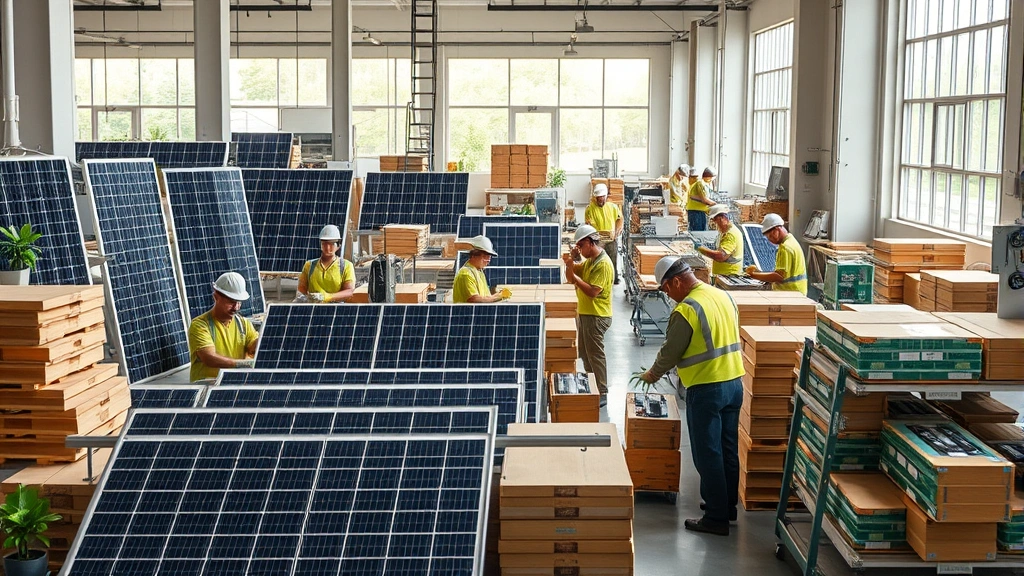
Green Consumption Market Growth and GDP Contribution
Green consumption directly contributes to GDP through increased spending on sustainable products and services. The organic food market alone generates over $200 billion annually across developed economies, while renewable energy installations contribute tens of billions to capital investment. From a strict GDP accounting perspective, every dollar spent on solar panels, electric vehicles, or eco-certified clothing represents economic activity that gets counted in national accounts.
However, the GDP contribution question becomes more nuanced when examining growth rates. While green products grew at 5-8% annually from 2015-2023, conventional consumer goods expanded at 2-3% rates. This suggests that green consumption is capturing market share rather than expanding the total consumption pie. Understanding this distinction matters because it reveals whether environmental consciousness genuinely stimulates aggregate demand or simply redirects existing purchasing power.
Research from the World Bank indicates that sustainable consumption patterns correlate with modest GDP increases in developed nations, primarily through premium pricing mechanisms. Consumers willing to purchase green products typically pay 15-40% price premiums, generating higher profit margins for producers. These margins drive increased investment, research and development, and employment—all factors that expand GDP.
Yet this growth occurs within a constrained framework. The total value of green consumption remains a fraction of overall consumer spending. In the United States, sustainable products represent approximately 8-12% of total consumer goods expenditure. Scaling this to meaningful macroeconomic impact requires either substantially larger consumer adoption or fundamental restructuring of what gets counted as economic value.

Environmental Externalities and Economic Measurement
The most significant analytical challenge involves reconciling conventional GDP measurement with ecological realities. Traditional GDP accounting ignores environmental degradation costs—carbon emissions, biodiversity loss, water depletion, soil erosion—treating them as free or costless inputs to production. Green consumption disrupts this framework by internalizing some environmental costs into pricing.
When a consumer purchases an electric vehicle instead of a gasoline-powered car, the transaction contributes equally to GDP regardless of the environmental benefit. However, the avoided carbon emissions represent real economic value that remains unmeasured in standard accounts. This measurement gap means that green consumption’s true economic contribution substantially exceeds reported GDP figures.
Scholars in ecological economics argue for alternative accounting frameworks that incorporate natural capital depreciation. If environmental degradation were properly valued—estimated at 4-6% of global GDP annually—green consumption’s comparative advantage would appear far more substantial. A product that costs slightly more but prevents environmental damage worth multiple times that cost represents genuine economic progress, yet conventional GDP statistics miss this entirely.
The relationship between definition of environment science and economic measurement reveals a fundamental disciplinary divide. Environmental science quantifies ecological impacts; economics traditionally quantifies monetary transactions. Green consumption bridges this gap by creating price signals that reflect environmental considerations, though imperfectly.
Several countries have begun developing satellite accounts that measure environmental-adjusted GDP. Costa Rica, for instance, calculates green GDP by subtracting natural resource depletion and environmental damage from conventional GDP. These adjusted figures often show lower growth rates than traditional measures, suggesting that apparent economic gains partially reflect resource depletion rather than genuine welfare improvement.
Sectoral Impacts: Winners and Losers
Green consumption creates complex sectoral reallocation effects. Renewable energy, sustainable agriculture, organic textiles, and eco-friendly construction materials represent expanding sectors. Simultaneously, fossil fuel industries, conventional agriculture, and high-emission manufacturing face declining demand and investment. From a purely GDP perspective, this reallocation appears economically neutral—one sector’s losses offset another’s gains.
Yet the quality of economic activity differs substantially. Renewable energy industries typically generate higher-skilled employment with better wages than some fossil fuel sectors. Sustainable agriculture often supports rural economies more effectively than industrial monoculture. These qualitative differences matter for long-term economic resilience, even if they don’t immediately increase aggregate GDP.
Understanding human environment interaction definition clarifies how sectoral shifts reflect changing relationships between economic activity and natural systems. Traditional sectors optimized for resource extraction; green sectors optimize for regeneration and efficiency. This transformation affects not just GDP but the sustainability of that GDP’s foundation.
The automotive sector exemplifies this dynamic. Electric vehicle manufacturing creates GDP growth through vehicle sales, infrastructure development, and battery production. However, conventional auto manufacturing decline reduces GDP through facility closures and workforce reduction. Net GDP effects remain modest—perhaps 0.1-0.3% annual growth increase—but employment redistribution effects are substantial and regionally concentrated.
Financial services, particularly green bonds and sustainable investment funds, represent a rapidly expanding sector contributing billions to GDP through transaction fees, advisory services, and asset management. However, this growth primarily reflects capital reallocation rather than new economic activity, meaning GDP impacts, while real, remain limited to financial services margins rather than underlying productive capacity.
Employment and Workforce Transformation
Employment effects represent one of green consumption’s most tangible GDP contributions. Renewable energy installations employ 12.7 million people globally, with growth rates exceeding fossil fuel sector employment. Energy efficiency retrofitting, sustainable transportation infrastructure, and organic agriculture all generate labor-intensive activities that increase GDP through wage income and consumption multipliers.
The employment multiplier effect matters significantly for overall economic impact. Each direct job in renewable energy creates approximately 0.5-1.0 indirect jobs in supply chains, and additional induced jobs through worker spending. This multiplier effect means that green consumption’s employment contribution to GDP exceeds simple job-counting would suggest.
However, employment transition challenges complicate the narrative. Workers displaced from fossil fuel industries often lack skills directly transferable to green sectors, creating regional unemployment and social costs that reduce net GDP gains. A coal miner transitioning to solar installation work may earn similar wages, but the transition period involves unemployment, retraining costs, and economic disruption.
Our analysis of environment and natural resources building demonstrates how green infrastructure projects create employment while building productive capacity. However, this requires substantial upfront capital investment, typically financed through government spending or private investment at rates of return lower than conventional projects, affecting capital allocation efficiency.
Wage premiums in green sectors present mixed evidence. Some renewable energy positions command 10-15% higher wages than conventional energy equivalents, reflecting skill requirements and market demand. However, other green sectors—particularly sustainable agriculture and eco-tourism—often feature lower wages than industrial alternatives, complicating employment benefit assessments.
Innovation, Technology, and Economic Productivity
Green consumption drives innovation with significant GDP implications. Investment in sustainable technologies—battery efficiency, solar conversion, carbon capture, sustainable materials—generates productivity improvements that ripple across entire economies. These innovations represent genuine economic value creation, as they enable production with fewer inputs.
Battery technology exemplifies this dynamic. Electric vehicle adoption necessitated massive R&D investment in battery chemistry, manufacturing, and recycling. This innovation improved battery performance by 80% over the past decade while reducing costs by 89%. These improvements benefit far beyond transportation—battery storage enables renewable energy grid integration, powering portable electronics and stationary energy systems. The spillover benefits generate substantial unmeasured GDP value.
Productivity gains from green technology adoption can increase overall economic growth rates by 0.2-0.5% annually, according to United Nations Environment Programme analysis. However, these gains require substantial capital investment upfront, creating timing mismatches between costs and benefits. An economy investing heavily in green infrastructure experiences lower near-term GDP growth but higher long-term productivity potential.
The relationship between innovation and Ecorise Daily blog content demonstrates how technological advancement integrates with environmental consciousness. Smart technologies that optimize resource use—precision agriculture, building automation, intelligent transportation—represent productivity improvements that generate GDP growth while reducing environmental impact.
Patent data reveals accelerating green technology development. Green patents grew from 3% of total patents in 2005 to 12% by 2023, indicating substantial innovation reallocation. This shift suggests future productivity gains as these technologies mature and diffuse throughout economies. However, the relationship between patent growth and actual GDP impact remains uncertain, particularly given the lag between innovation and commercialization.
Consumer Behavior Patterns and Spending Dynamics
Green consumption reflects evolving consumer preferences shaped by environmental consciousness, demographic shifts, and regulatory changes. Millennials and Generation Z demonstrate significantly higher willingness to pay for sustainable products—studies indicate 60-70% of these cohorts consider environmental impact in purchasing decisions, compared to 35-45% of older generations.
This preference shift creates interesting macroeconomic dynamics. If green consumption represents voluntary premium spending rather than substitution, it expands overall demand and GDP. However, evidence suggests primarily substitution effects—consumers spend the same total amount but redirect spending toward sustainable alternatives. This means green consumption’s GDP impact operates through margins and multipliers rather than aggregate demand expansion.
Income effects complicate this picture. Higher-income consumers predominantly drive green consumption growth, with sustainable products concentrated in affluent demographics. This creates a regressive pattern where environmental consciousness becomes a luxury good, raising equity concerns while limiting GDP-wide impacts given income concentration.
Understanding environment and society interactions reveals how consumption patterns reflect broader social values. The rise of conscious consumption connects to increased environmental awareness, social responsibility movements, and generational value shifts. These cultural changes drive market transformation that extends beyond simple purchasing decisions to affect investment patterns, career choices, and policy preferences.
The relationship between price elasticity and green consumption affects GDP impacts significantly. Products with high price elasticity (like air travel) see reduced consumption when environmental costs are internalized through carbon pricing, reducing GDP. Products with low price elasticity (like food) maintain consumption levels despite green premiums, meaning GDP impacts operate through margin expansion rather than volume increases.
Regional Variations in Green Consumption Adoption
Green consumption adoption varies dramatically across regions, creating divergent GDP impacts. Northern Europe, particularly Scandinavia, demonstrates highest green consumption penetration with sustainable products representing 15-25% of consumer spending. These regions show modest but consistent GDP growth premiums associated with green sectors—approximately 0.3-0.5% annually.
North America shows moderate adoption with significant regional variation. California and the Pacific Northwest lead in sustainable consumption, while Southern and Midwestern regions lag substantially. This geographic variation reflects income distribution, environmental consciousness variations, and regulatory environments that affect green product availability and pricing.
Emerging markets demonstrate different patterns. China leads global renewable energy investment and electric vehicle adoption, driven by government policy rather than consumer environmental consciousness. This top-down green consumption generates substantial GDP growth but differs fundamentally from organic preference-driven adoption in developed markets.
The practical application of 10 ways to protect the environment shows how regional environmental priorities shape consumption patterns. Water-scarce regions prioritize water-efficient products; pollution-affected areas demand air-quality solutions. These regional variations mean that green consumption’s economic impact depends heavily on local environmental challenges and resource constraints.
International trade patterns shift with green consumption growth. Regions specializing in sustainable product manufacturing—particularly Germany, Denmark, and Japan in renewable energy—capture GDP benefits through export markets. This creates winners and losers in global economic competition, with traditional manufacturing regions facing structural adjustment challenges.
Challenges to Authentic Environmental Impact
Greenwashing presents a critical challenge to accurately assessing green consumption’s genuine environmental and economic impact. Many products marketed as sustainable deliver minimal environmental benefits while capturing green consumption premiums. This creates GDP growth that lacks corresponding ecological value, essentially inflating economic statistics without real environmental progress.
The rebound effect—where efficiency improvements reduce costs, increasing consumption and offsetting environmental benefits—affects green consumption’s true impact. Fuel-efficient vehicles might encourage more driving; energy-efficient homes might maintain warmer temperatures. These behavioral responses mean that green consumption’s environmental benefits fall short of technical potential, raising questions about GDP growth quality.
Supply chain complexity obscures green consumption authenticity. A product labeled sustainable might involve environmentally destructive mining, manufacturing, or transportation. Without comprehensive lifecycle assessment, green labeling captures consumer consciousness without ensuring genuine environmental improvement. This gap between perceived and actual environmental impact affects the legitimacy of green consumption’s economic contribution.
Carbon accounting methodologies remain contested, affecting how green consumption’s climate benefits get valued. Different emissions accounting standards produce vastly different results, complicating GDP impact assessment. A product that appears climate-beneficial under one accounting framework might show minimal benefits under alternative methodologies.
The relationship between economic growth and environmental protection remains fundamentally unresolved. Some analysts argue that absolute decoupling—economic growth with declining environmental impact—remains impossible, suggesting that green consumption’s GDP contribution comes at the cost of delayed environmental degradation rather than genuine improvement. This perspective reframes green consumption from environmental solution to slower-paced environmental destruction.
Market concentration in green sectors raises concerns about competitive dynamics and long-term sustainability. As green consumption matures, consolidation may reduce competition and innovation, limiting future productivity gains. Additionally, green sectors’ dependence on government subsidies—renewable energy tax credits, EV purchase incentives—means that reported GDP growth partially reflects subsidy redirection rather than genuine economic expansion.
FAQ
Does green consumption increase overall GDP or just redistribute spending?
Evidence suggests primarily redistribution through margin expansion. Green products command price premiums that increase profits without proportional demand increases. However, innovation spillovers and employment multipliers create modest net GDP growth of 0.2-0.5% annually in leading green economies.
How much of GDP growth in developed nations comes from green consumption?
Green consumption contributes approximately 0.3-0.8% of annual GDP growth in developed economies, though this varies significantly by country. Scandinavian nations see higher contributions due to greater adoption rates, while the global average remains closer to 0.3%.
What’s the relationship between carbon pricing and green consumption GDP impact?
Carbon pricing increases green consumption through relative price shifts but simultaneously reduces overall consumption in carbon-intensive sectors. Net GDP effects depend on pricing design and revenue use. Revenue recycled through green investment shows positive long-term GDP effects; revenue returned as tax cuts shows neutral effects.
Are green jobs better than conventional jobs for economic growth?
Green jobs generate similar or slightly higher wages but often require more training and education. Employment quality differs by sector—renewable energy jobs exceed fossil fuel equivalents, while sustainable agriculture jobs often fall below industrial agriculture wages. The employment multiplier effect in green sectors typically exceeds conventional sectors.
How does greenwashing affect GDP measurements?
Greenwashing inflates reported green consumption GDP contributions without corresponding environmental benefits. Estimated greenwashing accounts for 10-30% of labeled sustainable products, meaning actual green consumption environmental impact significantly lags reported economic activity.
Will green consumption eventually dominate entire economies?
Projections suggest green consumption reaching 20-30% of total consumption by 2040 in developed economies, with growth rates declining as markets mature. Complete transition requires fundamental economic restructuring beyond consumption pattern shifts, including production methods, energy systems, and resource extraction approaches.


