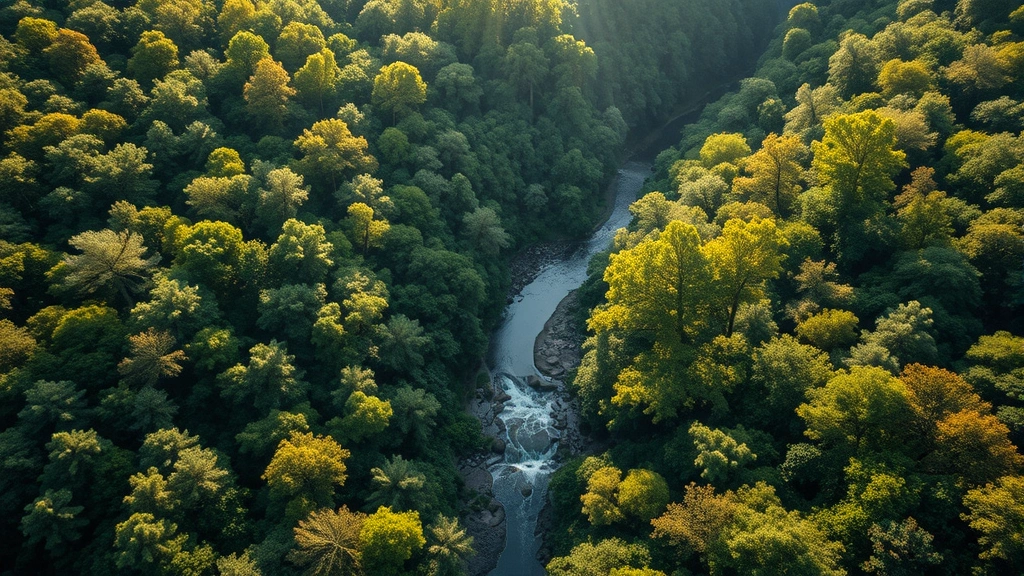
Can Ecosystem Services Boost the Economy? Study Says Yes
Ecosystem services generate 125 trillion dollars annually in economic value. Recent research proves environmental protection and economic growth are complementary forces driving sustainable development.
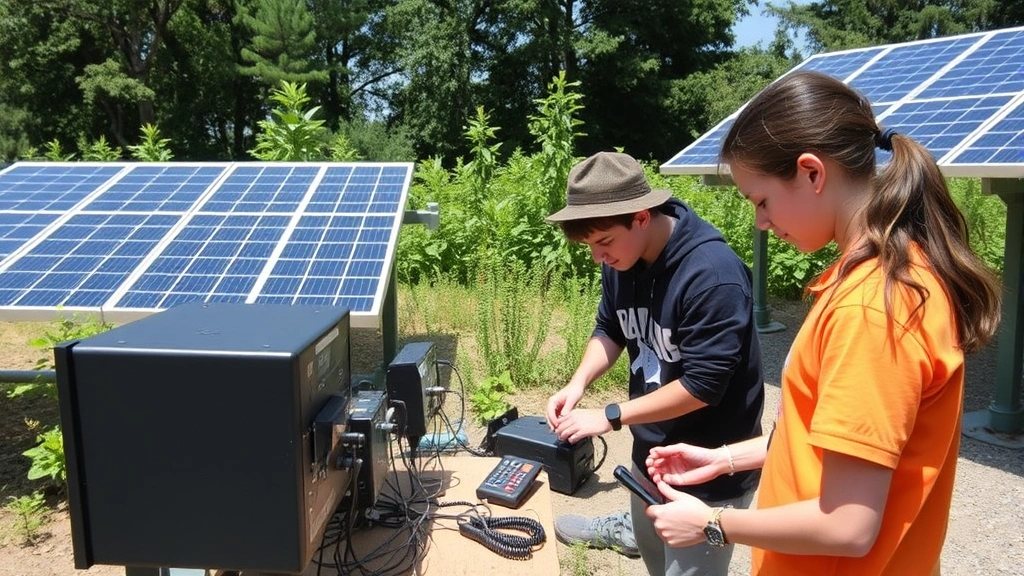
Tech & Eco Synergy: DeKalb Academy’s Unique Model
DeKalb Academy integrates technology and environmental education, preparing graduates for careers addressing sustainability challenges through interdisciplinary expertise in data science, engineering, and ecology.
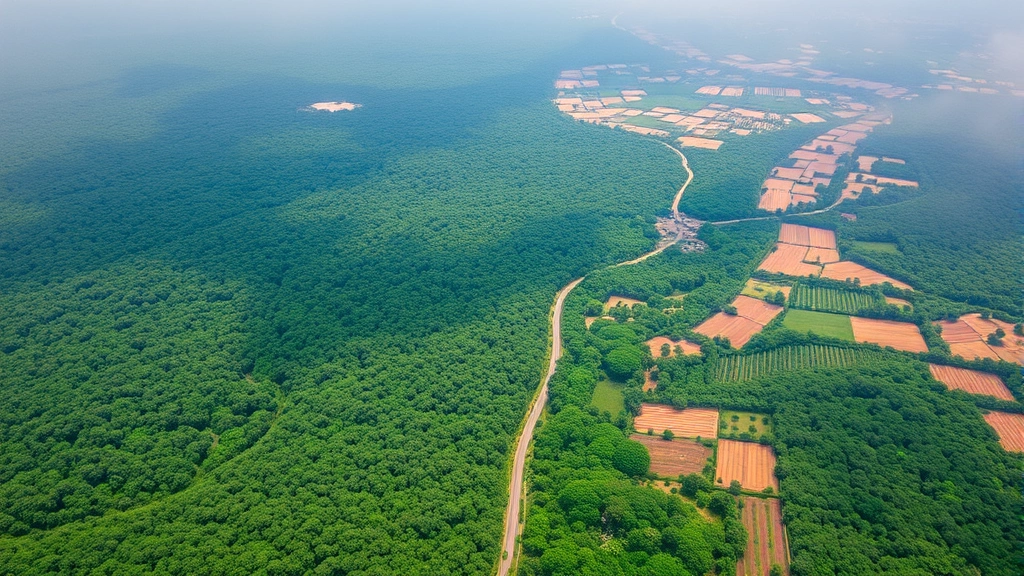
Human Environment Interaction: Key Insights Explained
Human environment interaction defines how societies modify natural systems and depend on environmental resources. Understanding this relationship is critical for achieving sustainability.

How Do Ecosystems Impact Economy? Expert Insights
Ecosystem services worth $125 trillion annually underpin global prosperity, yet economic systems ignore these values, driving degradation that threatens economic stability.

Built Environment’s Impact on Economy: A Study
The built environment—buildings, infrastructure, and urban design—fundamentally shapes economic productivity, property values, labor markets, and regional development. Strategic infrastructure investment creates multiplier effects while sustainable design ensures long-term resilience.

Corn Snake Habitats: Expert Care Guide
Creating optimal corn snake habitats requires understanding thermal ecology, substrate selection, and behavioral requirements. This expert guide synthesizes ecological principles with practical husbandry.

Can Green Investments Boost GDP? Economist Insights
Green investments boost GDP while protecting ecosystems through job creation, infrastructure development, and long-term economic stability. Evidence from leading economies demonstrates environmental protection and prosperity are mutually reinforcing.

Is GDP Growth Sustainable? Economist Insights
GDP growth persists as the primary economic metric despite mounting evidence that perpetual expansion proves incompatible with planetary boundaries and true human flourishing.
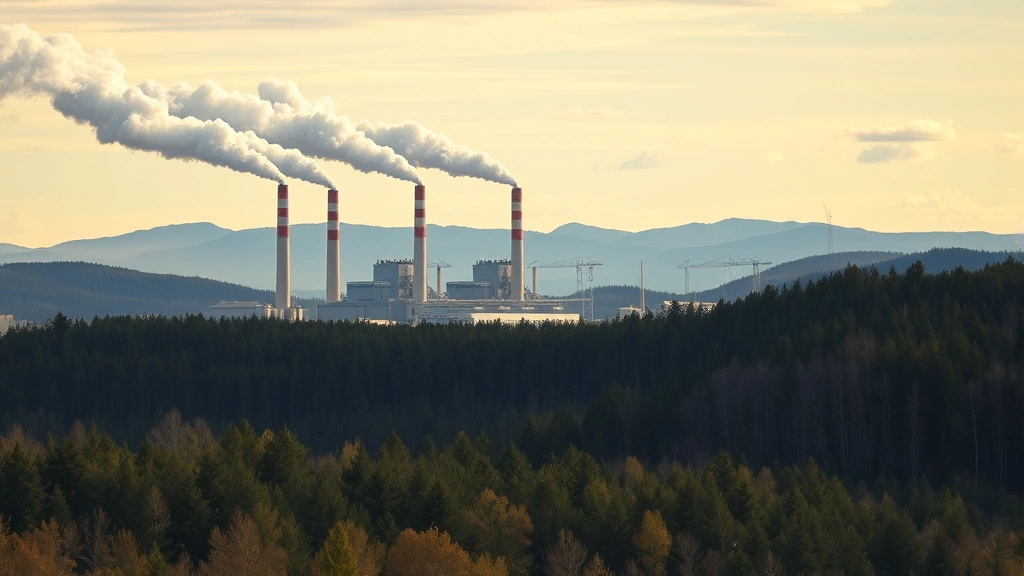
How Do Companies Impact Ecosystems? Expert Insight
Corporate operations drive 60% of global ecosystem degradation through extraction, pollution, supply chain externalities, and climate emissions. Understanding these impacts requires examining complex relationships between business activities and natural systems.

Colorado’s Ecosystem Services: Economic Impact Study
Colorado's ecosystems provide $150-200 billion in annual economic benefits through water supply, carbon sequestration, pollination, and recreation. Understanding these ecosystem services informs sustainable resource management and climate adaptation.