Burr Computer Impact on Ecosystems: A Comprehensive Study
The proliferation of computing technology has fundamentally reshaped our relationship with natural environments. While digital innovation drives economic efficiency and connectivity, the environmental costs of computer manufacturing, operation, and disposal present complex ecological challenges. Burr computing—referring to the rough, jagged technological edges and unintended consequences of widespread digitalization—creates cascading impacts across terrestrial and aquatic ecosystems through resource extraction, energy consumption, and electronic waste accumulation.
Understanding these impacts requires examining the full lifecycle of computer systems and their integration into economic structures that depend on continuous technological advancement. The ecological footprint of computing extends far beyond individual devices, encompassing supply chains that span continents, energy grids strained by data center operations, and landfills burdened with obsolete hardware. This analysis synthesizes ecological economics principles with environmental science to illuminate how burr computer environments fundamentally alter ecosystem services and biodiversity.

The Ecological Footprint of Computer Manufacturing
Computer production represents one of the most resource-intensive manufacturing processes in modern economies. A single desktop computer requires approximately 240 kilograms of fossil fuels, 22 kilograms of chemicals, and 1,500 liters of water throughout its manufacturing lifecycle. This intensive resource consumption reflects what ecological economists term the biophysical foundation of technological systems—the material and energy throughput necessary to sustain digital infrastructure.
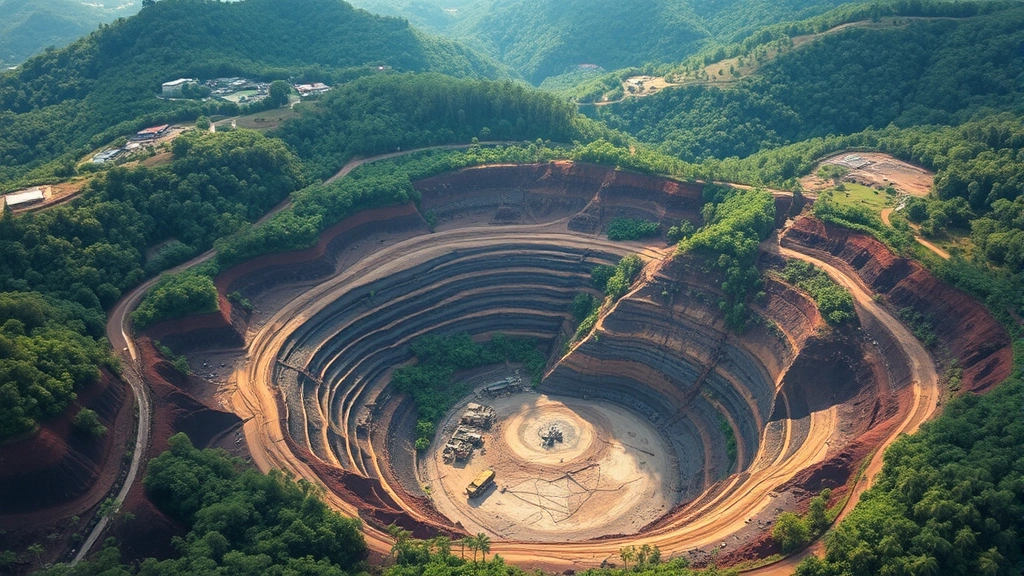
The manufacturing phase generates substantial ecological impacts through human-environment interactions that extend across multiple geographic scales. Mining operations for silicon, rare earth elements, and metals required in circuit boards destroy landscapes, contaminate groundwater, and disrupt ecosystems that have evolved over millennia. In regions like Southeast Asia and Africa, computer chip manufacturing concentrates in areas with minimal environmental regulation, externalizing costs onto local populations and ecosystems.
The semiconductor industry’s water consumption exemplifies how burr computer environments create resource conflicts. A single wafer fabrication plant consumes millions of gallons daily, competing with agricultural irrigation and drinking water supplies in water-stressed regions. This competition represents a fundamental economic problem: markets fail to price the scarcity value of freshwater, allowing manufacturers to deplete shared aquifers without compensation to affected communities or ecosystems.
Energy Consumption and Climate Impacts
Operational energy consumption constitutes the largest environmental cost of computer systems throughout their lifecycle. Data centers, personal computers, and networked devices collectively consume approximately 4% of global electricity generation, rivaling the aviation industry’s carbon footprint. This energy demand continues accelerating as artificial intelligence applications, blockchain technologies, and cloud computing expand computational requirements exponentially.
The carbon intensity of computer operation depends critically on regional electricity generation sources. In regions relying on fossil fuel generation, a single computer operating for 24 hours generates approximately 1.5 kilograms of CO₂ equivalent. Over a five-year lifespan, this translates to 2,737 kilograms of greenhouse gas emissions per device—a burden that scales across billions of computing devices globally. The carbon footprint reduction challenge intensifies as emerging economies expand digital infrastructure without transitioning toward renewable energy sources simultaneously.
Climate impacts from computing extend beyond direct emissions. Increased atmospheric CO₂ concentrations alter precipitation patterns, disrupt phenological cycles in plant and animal populations, and destabilize the ecological synchronization that species depend upon for survival. These cascading climate effects represent what ecological economists identify as ecosystem service degradation—the systematic decline in nature’s capacity to provide pollination, water filtration, climate regulation, and nutrient cycling services upon which human economies ultimately depend.
Resource Extraction and Habitat Destruction
The material inputs for computer manufacturing require extractive industries that fundamentally restructure landscapes. Rare earth element mining for computer components generates substantial habitat loss across Asia, Africa, and Latin America. A single kilogram of rare earth elements produces approximately one ton of toxic waste, creating environmental legacies that persist for centuries.
Coltan mining in the Democratic Republic of Congo illustrates the ecological consequences of burr computer supply chains. This mineral, essential for capacitors in computing devices, drives deforestation across critical biodiversity hotspots. Mining operations fragment habitat corridors, isolate wildlife populations, and reduce genetic diversity below thresholds necessary for population persistence. The ecological economics framework reveals how market prices for coltan fail to internalize the value of lost biodiversity and ecosystem services—manufacturers face no financial incentive to reduce extraction impacts.
Understanding these impacts requires examining types of environments affected by extraction. Tropical rainforests, which harbor disproportionate concentrations of global biodiversity, face particularly severe threats from computer-related mining. These ecosystems generate carbon sequestration services, regulate regional hydrological cycles, and maintain genetic repositories of pharmaceutical compounds—ecosystem services worth trillions annually yet systematically undervalued in market transactions.
Electronic Waste and Ecosystem Contamination
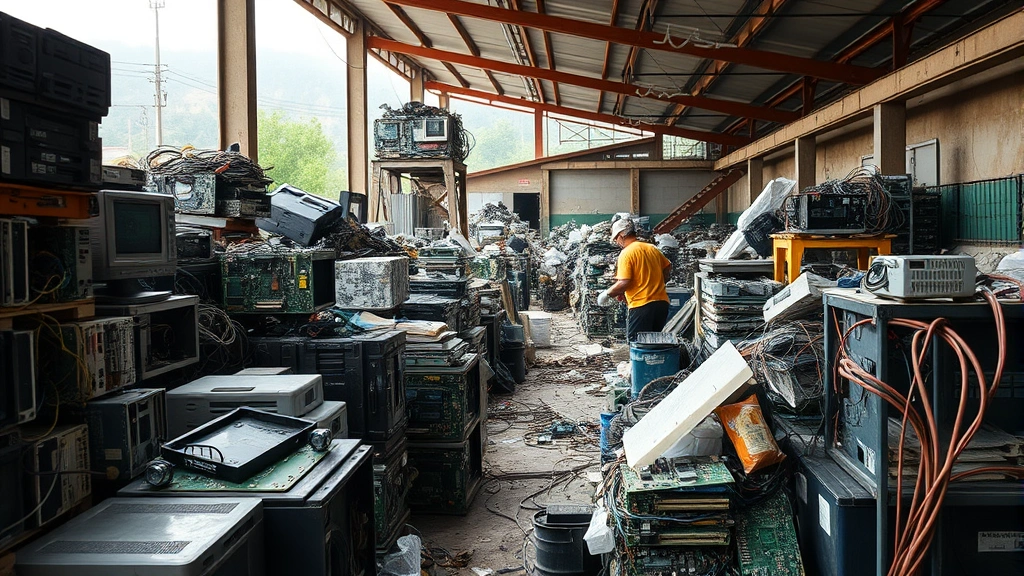
The rapid obsolescence cycles characteristic of burr computer environments generate staggering quantities of electronic waste. Approximately 57 million metric tons of e-waste enter global waste streams annually, with only 20% undergoing formal recycling. The remaining 80% accumulates in landfills or undergoes informal recycling in developing nations, where environmental protections remain minimal.
Electronic waste contains hazardous substances including lead, cadmium, mercury, and brominated flame retardants that persist in ecosystems indefinitely. When improperly disposed, these toxins leach into groundwater, bioaccumulate through food chains, and concentrate in apex predators and human populations. The contamination of aquatic ecosystems proves particularly severe, as water bodies concentrate pollutants and facilitate bioaccumulation across aquatic food webs.
Lead contamination from computer components exemplifies these dynamics. Lead persists in soil for centuries, inhibiting plant growth and rendering contaminated sites ecologically dysfunctional. Children exposed to lead-contaminated environments experience irreversible neurological damage, representing an intergenerational transfer of environmental costs. This pattern embodies what ecological economists term environmental injustice—the concentration of ecological harms among populations with minimal responsibility for generating them.
The recycling industry itself generates ecological impacts. Informal e-waste recycling in Ghana, India, and China employs thousands of workers in operations that extract valuable metals through primitive chemical processes. These operations release heavy metals directly into surrounding environments, creating sacrifice zones where ecosystems collapse and human health deteriorates systematically.
Data Centers as Burr Environments
Data centers represent the physical infrastructure sustaining digital economies, consuming 1-2% of global electricity annually and concentrating in regions with abundant water supplies. These facilities generate heat requiring constant cooling, driving water consumption to approximately 15,000 gallons daily per megawatt of computing capacity. In water-stressed regions, data center expansion directly threatens agricultural productivity and ecosystem health.
The geographic concentration of data centers creates environmental hot spots where energy demand and water consumption exceed regional carrying capacities. Iceland’s data center expansion, while powered by renewable geothermal energy, still consumes 25% of the nation’s electricity while hosting only 330,000 residents. This disproportionate energy allocation reflects how market mechanisms fail to balance computing infrastructure expansion against ecosystem sustainability thresholds.
Thermal pollution from data center cooling systems alters aquatic ecosystems. Heated discharge water raises stream temperatures above thresholds tolerated by native species, disrupting breeding cycles and reducing dissolved oxygen availability. These thermal impacts cascade through food webs, reducing fish populations that support both ecosystem function and human food security in downstream communities.
Economic Externalities and Market Failures
The environmental costs of burr computer systems exemplify fundamental market failures in digital economies. Computer manufacturers and users bear only a fraction of actual environmental costs, while ecosystems and future generations absorb the remainder. This cost externalization enables artificially low prices that encourage overconsumption and rapid obsolescence.
Ecological economics frameworks quantify these externalities through natural capital accounting. The World Bank’s environmental economics research estimates that properly accounting for ecosystem service degradation would increase computer prices by 40-60%, fundamentally altering consumption patterns and manufacturing incentives. Current market prices fail to reflect scarcity of critical resources or the irreversibility of biodiversity loss.
The planned obsolescence embedded in digital markets accelerates environmental degradation by shortening device lifespans. Manufacturers design systems with non-replaceable components, software updates that render older hardware incompatible, and aesthetic changes that drive social pressure for upgrades. These practices deliberately increase e-waste generation and resource extraction demands, generating profits for manufacturers while externalizing ecological costs.
Understanding these dynamics requires examining how human-environment interactions operate through economic institutions. Markets coordinate human behavior through price signals, but when prices fail to reflect true scarcity, they guide economies toward ecologically destructive outcomes. Computer industries demonstrate how technological sophistication can coexist with profound ecological ignorance, as market signals systematically undervalue environmental constraints.
Mitigation Strategies and Circular Economy Models
Transitioning from linear extraction-production-disposal models toward circular economy approaches represents the primary mitigation pathway for burr computer impacts. Circular models emphasize design for longevity, repairability, and material recovery, fundamentally restructuring how computing systems integrate into economies.
Extended producer responsibility policies mandate that manufacturers bear end-of-life costs for their products, internalizing externalities and creating financial incentives for design improvements. The European Union’s Circular Economy Action Plan requires manufacturers to design products for disassembly, material recovery, and reuse. These policies shift environmental costs from diffuse ecosystems and future generations toward manufacturers, enabling market signals to reflect true scarcity.
Right-to-repair movements challenge planned obsolescence by enabling consumers to replace components and extend device lifespans. Legislation requiring manufacturers to provide spare parts, repair documentation, and software updates for extended periods fundamentally alters device economics. When repairs become economically viable, consumers retain devices longer, reducing resource extraction demands and e-waste generation substantially.
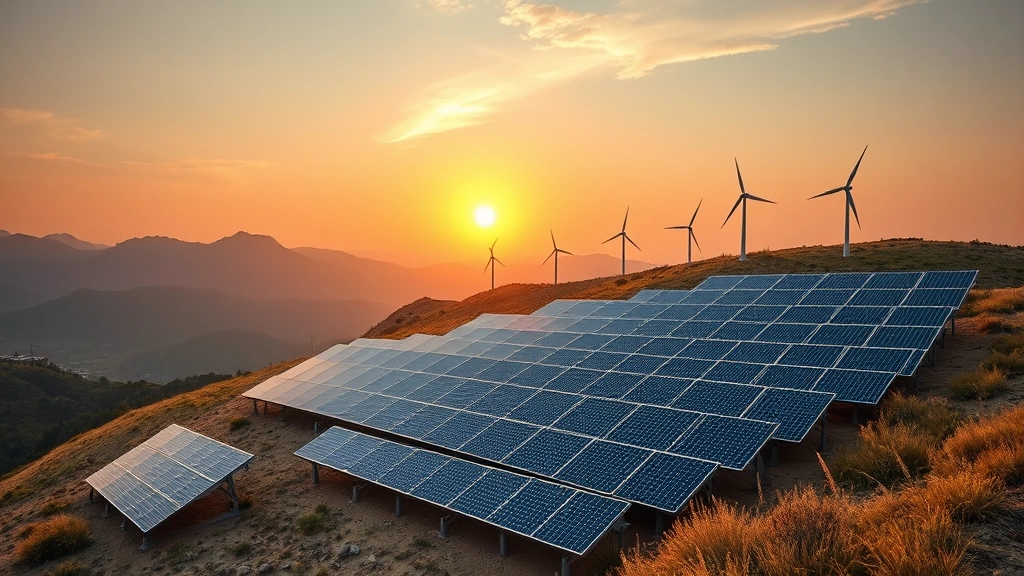
Renewable energy transition for computing infrastructure addresses operational carbon impacts. Renewable energy infrastructure development for data centers and manufacturing facilities eliminates fossil fuel combustion, though manufacturing and material extraction impacts persist. Several technology companies have committed to 100% renewable energy operations, demonstrating technical feasibility while revealing how market competition can incentivize environmental improvements when policy frameworks align properly.
Sustainable sourcing practices attempt to minimize extraction impacts through certification systems, supply chain transparency, and community benefit agreements. However, these voluntary approaches prove insufficient without regulatory enforcement. The United Nations Environment Programme advocates for mandatory conflict mineral disclosure and extraction impact assessments, recognizing that market-based solutions alone cannot address ecosystem destruction in regions with weak governance.
Material science innovations promise to reduce resource intensity through substitution, efficiency improvements, and alternative manufacturing processes. Biodegradable electronics, reduced material requirements through miniaturization, and lab-grown semiconductors represent emerging technologies that could fundamentally restructure computer manufacturing. However, these innovations require substantial investment and regulatory frameworks that currently favor incumbent technologies with established supply chains.
Examining sustainable production approaches across industries reveals that environmental improvement requires simultaneous transformation of production systems, consumption patterns, and regulatory institutions. Computing industries cannot transition toward sustainability through technological fixes alone; fundamental restructuring of digital economies toward durability, repairability, and circular material flows proves essential.
The ecological economics perspective emphasizes that computer system sustainability ultimately depends on recognizing planetary boundaries as binding constraints. Current consumption trajectories vastly exceed Earth’s regenerative and absorption capacities. Stabilizing ecological impacts requires reducing global computing resource throughput, concentrating computing infrastructure in renewable energy regions, and redesigning digital systems around principles of material efficiency and longevity rather than continuous expansion.
FAQ
What exactly constitutes a burr computer environment?
Burr computer environments refer to the rough, unintended ecological consequences of widespread computerization. These include habitat destruction from resource extraction, energy-driven climate impacts, electronic waste contamination, and water depletion. The term captures how technological sophistication coexists with ecological disruption, creating systemic environmental harms that markets systematically undervalue.
How much water does computer manufacturing consume?
Computer manufacturing consumes approximately 1,500 liters of water per desktop device throughout its lifecycle. Data centers require even greater volumes, consuming 15,000 gallons daily per megawatt of computing capacity. In water-stressed regions, this consumption competes directly with agricultural irrigation and drinking water availability, creating resource conflicts that markets fail to resolve equitably.
Can renewable energy solve computing’s climate impacts?
Renewable energy transition eliminates operational carbon emissions from computing infrastructure, but manufacturing and resource extraction impacts persist. Even with 100% renewable electricity, computer production still requires mining rare earth elements, manufacturing semiconductors, and transporting components globally. Comprehensive sustainability requires combining renewable energy with circular economy approaches that reduce material throughput.
What percentage of global e-waste undergoes proper recycling?
Approximately 20% of electronic waste enters formal recycling systems with environmental protections. The remaining 80% accumulates in landfills or undergoes informal recycling in developing nations, where hazardous substances contaminate ecosystems and human populations. Improving recycling rates requires expanding formal infrastructure and implementing extended producer responsibility policies.
How do rare earth elements impact ecosystems?
Rare earth element extraction generates approximately one ton of toxic waste per kilogram of extracted material. Mining operations destroy habitat across Asia, Africa, and Latin America, fragmenting ecosystems and concentrating hazardous substances in soil and water. These impacts prove particularly severe in biodiverse regions like tropical rainforests, where extraction destroys ecosystem services worth trillions annually.
Can circular economy approaches fully address computer environmental impacts?
Circular economy models substantially reduce environmental impacts by extending device lifespans, enabling material recovery, and eliminating planned obsolescence. However, complete sustainability requires combining circular approaches with renewable energy transition and reduced overall computing consumption. Planetary boundaries remain binding constraints that circular efficiency improvements alone cannot overcome.