
Table of Contents
Introduction
Walk into any grocery store these days, and you’ll see it everywhere—organic labels on everything from apples to yogurt. It’s not just marketing hype. More families are filling their carts with organic food, and there’s a real reason behind it. People want to know what they’re eating, where it comes from, and how it affects their health. (And honestly, who can blame them?)
But what does “organic” actually mean? It’s way more than just a fancy sticker that bumps up the price. When food is labeled organic, it means it was grown without synthetic pesticides, fertilizers, GMOs, or artificial additives. Think of it as farming the way your great-grandparents might have done it—working with nature instead of against it. Organic farmers focus on keeping soil healthy, protecting biodiversity, and using natural processes. Pretty different from the industrial farming methods that dominate today’s food system.
Here’s where it gets interesting. As more people worry about chemical residues in their food and what conventional farming does to our environment, organic practices are starting to look like a smart solution. Take something like rain gardens, for example. These aren’t just pretty landscaping—they’re mini ecosystems that manage stormwater, cut down pollution, and give local wildlife a place to thrive. The same principles that make rain gardens work (working with natural systems rather than fighting them) are exactly what organic farming is all about.
And speaking of working with nature, natural pest control methods are another piece of this puzzle. Instead of reaching for harsh chemicals at the first sign of bugs, these approaches encourage beneficial insects and keep soil healthy. Your tomatoes might thank you, and so will the environment. When you choose organic food, you’re essentially voting for these kinds of farming practices with your wallet.
What You’ll Learn in This Guide
Ready to dig deeper into why organic food matters? We’re going to cover everything you need to know to make informed choices about what ends up on your plate. From the science behind the nutrition claims to the real environmental impact, we’ll break it all down.
- Understanding Organic Food: Learn what qualifies as organic food, how it is produced, and the key differences from conventional products to grasp the full picture.
- Health Benefits: Discover how organic foods may offer higher nutrient levels and reduce exposure to harmful pesticides and additives, supporting your overall wellness.
- Environmental Impact: Explore how organic farming supports sustainability through practices like soil fertility maintenance, water conservation, and biodiversity protection.
- Economic and Social Dimensions: Understand the broader implications of choosing organic, including supporting local farmers and influencing market trends.
We’ll also talk about the practical stuff—like how to eat organic without breaking the bank. Because let’s be real, organic food can be pricey. But there are smart ways to make it work for your budget and lifestyle, whether you’re feeding just yourself or a whole family.
By the time we’re done here, you’ll understand not just the benefits of organic eating, but how to actually make it happen in your daily life. If you want to dive even deeper into the nutritional science, there’s a comprehensive nutrition guide that gets into all the nitty-gritty details.
Look, choosing organic isn’t just about changing what’s in your shopping cart. It’s about being part of something bigger—supporting farming methods that take care of our planet and putting your money behind practices you believe in. Ready to explore how your food choices can make a real difference? Let’s get started.
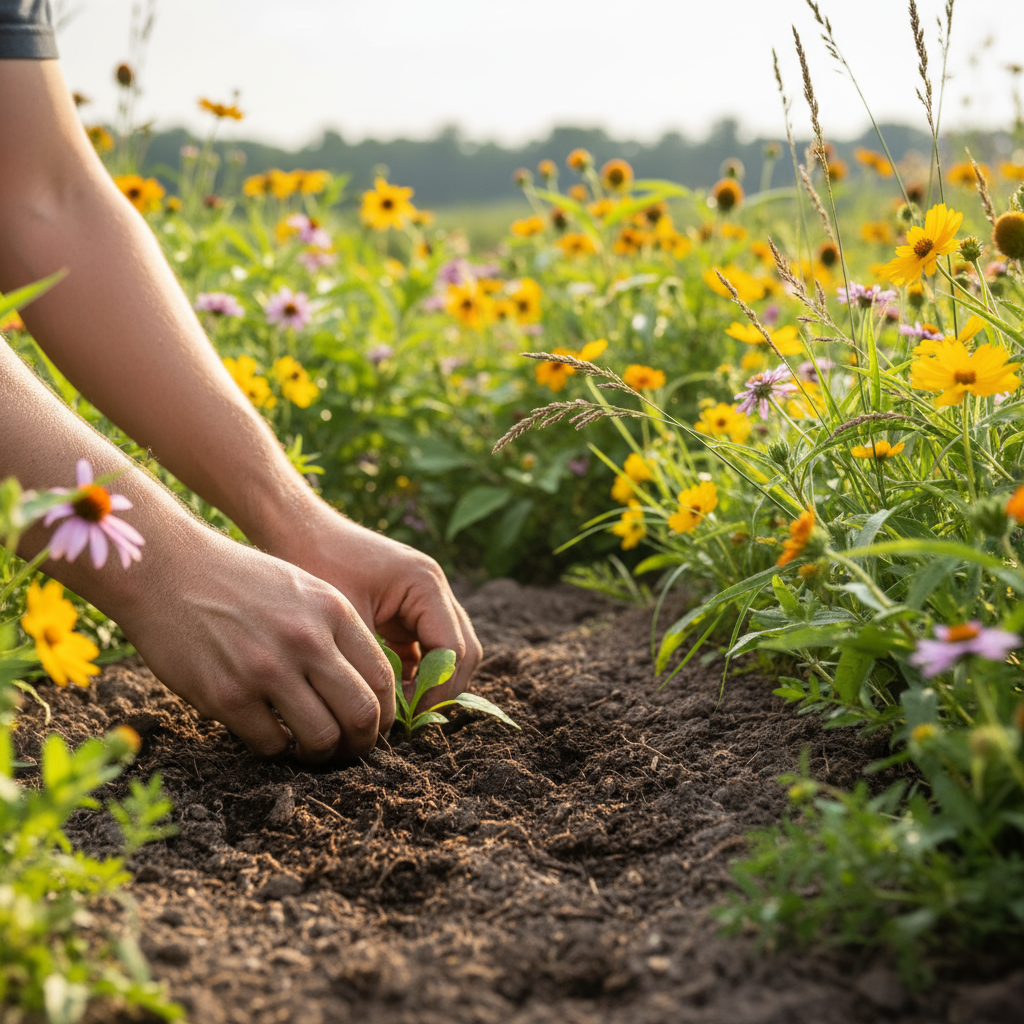
You’ve probably noticed more organic options popping up everywhere—from your local grocery store to that trendy café down the street. And there’s a good reason for that. People are starting to pay attention to what they’re putting in their bodies and how their food choices affect the planet. Organic foods aren’t just a marketing trend; they’re grown differently, following strict standards that skip the synthetic chemicals and focus on natural methods instead. It’s pretty amazing when you think about it—this shift represents people taking charge of their health while caring about the environment. So let’s explore what makes organic food worth the extra attention (and yes, sometimes the extra cost), from the real health benefits to the environmental wins, plus practical ways you can start eating more organic without breaking the bank.
Health Benefits of Eating Organic Food
Here’s what’s really interesting about organic food and your health: the research keeps backing up what many people have suspected all along. Organic foods often pack more nutritional punch than their conventional counterparts—we’re talking higher levels of antioxidants, vitamins, and minerals. Why? Well, when you grow food naturally without synthetic pesticides and fertilizers, you end up with produce that’s not just cleaner, but potentially more nutrient-dense too. Plus, you’re dodging all those chemical residues that can accumulate in your body over time. Some studies suggest this could mean better long-term health, including lower risks of chronic diseases and a stronger immune system. If you want to dig deeper into the science behind this, check out the benefits of eating organic foods—it breaks down the nutrient variations and explains why avoiding chemicals matters.
But here’s something you might not expect: many people who switch to organic report feeling better in ways that go beyond just nutrition. Better digestion, fewer allergic reactions, less bloating—could be because organic foods skip the artificial preservatives and genetically modified ingredients that sometimes don’t sit well with our systems. And when it comes to organic meat, dairy, and eggs? You’re getting products from animals that weren’t pumped full of hormones and antibiotics. That alone makes a difference in what ends up on your plate. For a broader look at how organic eating fits into overall wellness, the benefits of eating organic foods for health and environment shows how these food choices connect to a healthier lifestyle overall.
Key Aspects of Health Benefits
Let’s break down exactly how organic foods can boost your health. These are the big ones to know about:
- Higher Nutrient Density: Studies show organic produce contains more antioxidants like flavonoids and vitamin C—the good stuff that fights inflammation and keeps your cells happy.
- Reduced Chemical Residues: No synthetic pesticides, herbicides, or fertilizers means you’re not eating trace amounts of chemicals that could mess with your hormones or cause other health issues down the road.
- Lower Antibiotics and Hormones in Animal Products: Organic meat and dairy come from animals raised without growth hormones or routine antibiotics, so you’re not getting these substances secondhand.
- Potential Support for Chronic Disease Prevention: While we need more long-term studies, early research suggests organic diets might help reduce risks of allergies, certain cancers, and metabolic problems.
Now that we’ve covered how organic food can benefit your body, let’s talk about something equally important—how choosing organic helps the planet we all share.
Environmental Benefits of Organic Food
Here’s where organic farming really shines: it’s basically agriculture that works with nature instead of against it. Think about conventional farming for a moment—all those synthetic chemicals have to go somewhere, right? They end up in the soil, in waterways, and sometimes in the food itself. Organic farming flips the script completely. Instead of chemical fertilizers, organic farmers use natural compost and smart crop rotations. Instead of synthetic pesticides, they rely on beneficial insects and natural pest control methods. The result? Healthier soil that actually gets better over time, cleaner water, and land that stays productive for generations. Want to see how this connects to other environmental practices? Learning about how to build a rain garden shows another way people are managing water sustainably, just like organic farms do.
But there’s more to the environmental story. Organic farms are like little wildlife sanctuaries compared to conventional operations. Without harmful pesticides killing off beneficial insects, you get thriving ecosystems where birds, bees, and other creatures can actually live and work alongside the crops. It’s nature’s own pest control system—pretty clever, right? These farms also use water more efficiently and don’t create the toxic runoff that can contaminate rivers and groundwater. When you’re thinking about your environmental impact, organic food choices fit perfectly with other green practices like reducing greenhouse gas emissions—it’s all connected.
Key Aspects of Environmental Benefits
The environmental wins from organic farming are pretty impressive when you look at the details:
- Soil Health and Fertility: Organic methods build up soil with natural compost and cover crops, creating rich, living soil that prevents erosion and stores carbon naturally.
- Wildlife and Biodiversity Protection: Without harsh chemicals killing everything in sight, organic farms become homes for diverse wildlife that actually helps with natural pest control and pollination.
- Water Conservation and Quality: Organic farming uses water more efficiently and doesn’t create chemical runoff, protecting both local waterways and groundwater that communities depend on.
- Reduction of Greenhouse Gas Emissions: Organic farms typically use less energy-intensive methods and help soil capture more carbon from the atmosphere—a win for climate change efforts.
So you’ve got the health benefits and the environmental advantages—pretty compelling reasons to go organic. But how do you actually make this work in real life? Let’s get practical about incorporating organic foods into your everyday routine without completely overhauling your budget or lifestyle.

Here’s the thing about organic food—it’s not just about what you’re eating, it’s about what you’re not eating. Those synthetic pesticides, fertilizers, and GMOs that show up in conventional produce? They’re nowhere to be found in organic options. And that matters more than you might think. Organic foods typically pack more nutrients—we’re talking antioxidants, vitamins, and minerals that your body actually craves. It’s like giving your immune system a little extra boost while potentially lowering your risk of chronic diseases down the road. Not a bad trade-off, right?
But here’s where it gets really interesting—choosing organic isn’t just good for you. It’s actually helping heal our planet. Think about it: organic farms work with nature instead of against it. They build up soil naturally (no synthetic chemicals needed), create safe havens for bees and beneficial insects, and keep our waterways clean. Plus, when you buy organic, you’re supporting small-scale farmers and rural communities. It’s like voting with your wallet for a food system that actually makes sense.
Ready to make the switch? You don’t have to go all-in overnight. Start smart—focus on organic versions of the “Dirty Dozen” (those fruits and veggies known for heavy pesticide use when grown conventionally). Then gradually expand based on what your budget allows. Want to take your sustainable living up a notch? Consider learning how to build a rain garden—it’s a perfect complement to eating organic and helps manage stormwater naturally. You might also want to start or join a community garden where you can grow your own organic food while connecting with like-minded neighbors. And don’t forget to explore ways to reduce your carbon footprint—every little bit helps amplify the environmental benefits of your organic choices. For a deeper dive into how organic food actually nourishes your body, check out this comprehensive guide: Benefits of Eating Organic Foods.
The bottom line? Eating organic is so much more than a diet trend—it’s a lifestyle choice that ripples outward. Every organic purchase you make supports your health, protects our environment, and strengthens communities. You’re literally investing in a healthier future with every bite. Keep exploring sustainable living practices with us—your green journey is just getting started, and we’re here to help you make it count.
Frequently Asked Questions
-
Is organic food always healthier than conventional food?
- While organic food typically has higher nutrient levels and fewer pesticide residues, the health benefits can vary depending on the specific food and how it’s produced. The key is that you’re reducing your exposure to synthetic chemicals.
-
Does eating organic food help the environment?
- Absolutely. Organic farming practices naturally improve soil health, conserve water, and create safe spaces for wildlife. It’s one of the most direct ways your food choices can support environmental sustainability.
-
Is organic food more expensive?
- Yes, organic products often cost more upfront. But smart shopping strategies—like prioritizing key organic items and meal planning—can make it work for most budgets. Think of it as an investment in your health and the planet.
-
Can eating organic food reduce the risk of chronic diseases?
- There’s growing evidence that organic diets may help lower the risk of certain chronic illnesses, though researchers are still studying the long-term effects. What we do know is that reducing chemical exposure is generally beneficial for your health.
-
How can I start eating more organic foods?
- Start simple: choose organic versions of produce known for high pesticide residues (like strawberries and spinach). Plan meals around organic ingredients you can afford, and gradually expand your choices as you get more comfortable with the transition.