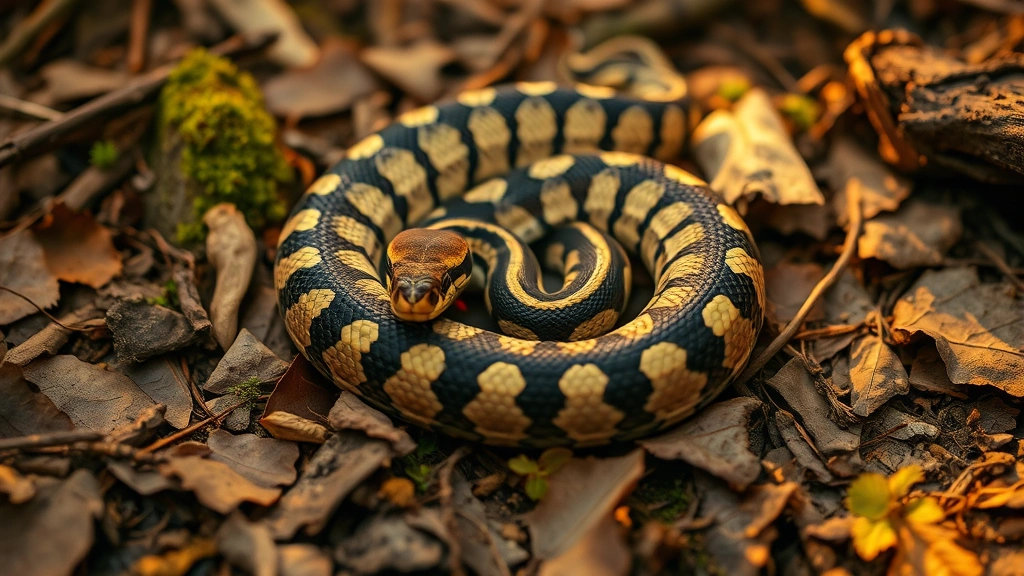
Can Ball Pythons Thrive in Captivity? A Herpetologist’s Comprehensive Analysis
Ball pythons (Python regius) represent one of the most popular captive reptiles globally, yet their successful maintenance remains a nuanced challenge that bridges herpetological science, animal welfare ethics, and ecological considerations. Native to West African ecosystems, these constrictors have adapted remarkably well to captive environments, but thriving—as opposed to merely surviving—requires sophisticated understanding of their behavioral, physiological, and psychological needs. This analysis examines whether ball pythons can genuinely flourish in captivity through the lens of current herpetological research and practical husbandry standards.
The distinction between survival and thriving is critical in captive reptile management. While many ball pythons live 15-20 years in captivity compared to 10-15 years in the wild, longevity alone does not indicate optimal welfare. Behavioral indicators, metabolic health, reproductive success, and absence of stereotypic behaviors provide more accurate measures of thriving. Understanding the ball python environment requires examining temperature gradients, humidity levels, enclosure dimensions, enrichment complexity, and social dynamics—elements that directly influence whether these animals can express natural behaviors and maintain physiological equilibrium.
Understanding Ball Python Ecology and Natural Habitat
Ball pythons inhabit the savannas, grasslands, and forest edges of West Africa, where they occupy specialized ecological niches that profoundly influence their physiological requirements. These snakes are primarily nocturnal, spending daylight hours in burrows, hollow logs, or beneath vegetation where they experience relatively stable microenvironments. The natural environment and environmental science perspective reveals that ball pythons are highly adapted to specific conditions: warm but not excessively hot temperatures (75-85°F in their active zones), moderate humidity levels (50-60%), and complex three-dimensional spaces that provide security and thermal refugia.
Understanding the natural habitat context is essential for evaluating captive success. In West African ecosystems, ball pythons experience seasonal variations in temperature and humidity, occasional rainfall, and natural day-night cycles that influence their behavior and physiology. They are solitary, cryptic predators that rely on ambush hunting strategies, spending extended periods in stationary positions waiting for prey. This behavioral ecology directly contrasts with many common captive management practices that prioritize accessibility and observation over naturalistic conditions. The ecological economics of captive breeding, discussed through an assessment of environment frameworks, often prioritizes production efficiency over individual animal welfare, creating tensions between commercial viability and genuine thriving.
Research from herpetological institutions indicates that ball pythons in captivity can develop behavioral stereotypies when environmental conditions deviate significantly from natural parameters. These repetitive behaviors—such as persistent glass-surfing, striking at non-existent prey, or excessive movement patterns—suggest psychological distress and indicate that the animal is not truly thriving despite adequate nutrition and longevity. The ball python environment must therefore incorporate naturalistic elements that satisfy both immediate physiological needs and deeper behavioral requirements rooted in millions of years of evolutionary adaptation.
Temperature and Thermal Requirements in Captivity
Thermal management represents the cornerstone of successful ball python captivity. These reptiles are ectothermic, meaning they rely entirely on environmental temperature to regulate metabolic processes, digestion, immune function, and reproduction. The ball python environment must provide a thermal gradient allowing individuals to thermoregulate by moving between warmer and cooler zones. Current herpetological standards recommend a warm side (88-92°F) with an under-tank heater or heat tape, a cool side (75-80°F), and a nighttime temperature range of 70-75°F.
Precise temperature control is non-negotiable for thriving. Temperatures below 75°F inhibit digestion and immune function, increasing susceptibility to respiratory infections and parasitic diseases. Conversely, sustained temperatures above 95°F can cause metabolic stress, reduced appetite, and potential organ damage. Many captive ball pythons fail to thrive due to inadequate thermal gradients that prevent proper thermoregulation. Keepers utilizing under-tank heaters without thermostatic controls frequently create temperature fluctuations that stress the animals. Professional facilities employ rheostat-controlled heating systems, temperature probes, and infrared thermometers to maintain precise thermal conditions.
The seasonal temperature variation present in natural habitats also influences reproductive cycles and overall physiological function. Some herpetologists argue that captive ball pythons experience subtle metabolic dysregulation from constant, unchanging temperatures. Research suggests that modest seasonal variation—slightly cooler temperatures during winter months—may enhance overall health, reproductive success, and behavioral naturalness. However, this remains an area where captive management must balance naturalistic conditions against practical constraints and individual snake requirements, as some animals demonstrate stress responses to temperature fluctuations.
Enclosure Design and Spatial Considerations
The physical dimensions and design of the ball python environment fundamentally determine whether captive snakes can express natural behaviors. Historically, ball pythons were maintained in small enclosures (20-gallon tanks or smaller), based on misconceptions that snakes prefer confined spaces and that larger enclosures cause stress. Contemporary herpetological research contradicts this assumption. Ball pythons in naturalistic, larger enclosures demonstrate increased activity, more diverse behavioral repertoires, and better overall health indicators compared to those in minimal enclosures.
Current best practices recommend minimum enclosure sizes of 40-gallon breeder tanks (36x18x18 inches) for adults, with many professionals advocating for 4x2x2 foot enclosures or larger. These dimensions allow ball pythons to move, explore, and express natural behaviors including hunting sequences, thermoregulation through spatial movement, and selection of preferred microhabitats. The enclosure should be longer and wider rather than taller, as ball pythons are terrestrial and semi-fossorial rather than arboreal. Vertical space is less critical than horizontal space that permits movement and exploration.
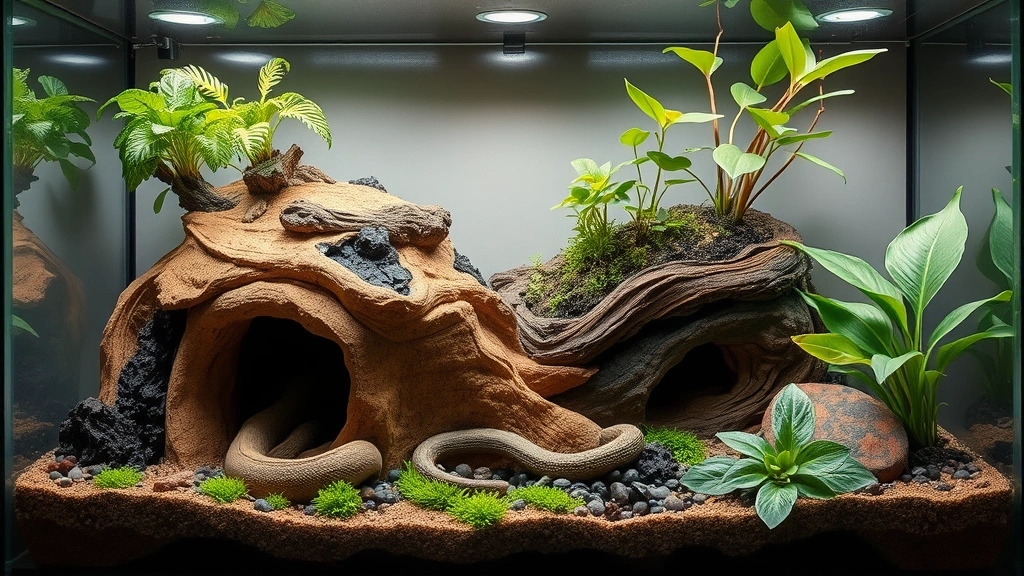
Enclosure design must incorporate multiple hides—at minimum one on the warm side and one on the cool side—to provide security and reduce stress. Ball pythons are cryptic animals that experience significant anxiety in open spaces without adequate refuge. Multiple hides allow individuals to select preferred microhabitats based on temperature preference, activity level, and psychological state. The inclusion of naturalistic substrate, plants (live or artificial), and complexity transforms the enclosure from a mere containment device into an environment that permits behavioral expression and psychological enrichment. This perspective aligns with broader discussions about environmental management and animal-centered ecological approaches.
Humidity, Substrate, and Microhabitat Complexity
While ball pythons originate from semi-arid regions and tolerate relatively dry conditions compared to tropical snakes, humidity management significantly impacts their health and behavior. Appropriate humidity levels (50-60%) support respiratory health, facilitate shedding, and allow natural burrowing behaviors. Many captive ball pythons experience respiratory infections stemming from improper humidity—either excessively dry conditions that stress respiratory epithelium or overly humid environments that promote fungal growth.
Substrate selection profoundly influences the ball python environment. Naturalistic substrates such as cypress mulch, aspen shavings, or coconut husk enable semi-fossorial behaviors that ball pythons express in the wild. These snakes frequently burrow into substrate, creating temporary shelters and reducing surface visibility. Providing 3-4 inches of substrate depth allows this behavior, promoting psychological wellbeing and reducing stress. Conversely, minimal substrate (newspaper or paper towels) eliminates this behavioral outlet and may contribute to chronic stress and stereotypic behaviors.
Microhabitat complexity significantly enhances captive thriving. Beyond substrate depth, the inclusion of cork bark, hollow logs, plants, and varied terrain creates three-dimensional complexity that encourages exploration and behavioral diversity. Research demonstrates that enriched environments promote neuroplasticity in reptile brains, enhance cognitive function, and reduce stress-related physiological markers. Ball pythons in complex environments show improved feeding responses, more natural activity patterns, and reduced signs of psychological distress compared to those in barren enclosures. This enrichment approach reflects broader principles of environmental assessment that emphasize complexity and naturalism.
Behavioral Enrichment and Psychological Wellbeing
Psychological wellbeing represents an often-overlooked dimension of captive ball python thriving. These snakes possess sophisticated sensory systems and behavioral repertoires that extend beyond basic feeding and reproduction. Enrichment strategies that stimulate natural behaviors—exploration, hunting, thermoregulation through spatial choice, and environmental investigation—directly contribute to psychological health.
Feeding protocols significantly influence behavioral expression. Live prey offers enrichment through hunting sequences, scent tracking, and predatory behavior, though ethical considerations and safety concerns (prey animals may injure snakes) have shifted many professionals toward pre-killed or frozen-thawed prey. However, the transition to pre-killed prey should not eliminate enrichment opportunities. Varying feeding locations, occasionally using scent trails, and altering feeding schedules maintains behavioral engagement and prevents habituation.
Environmental rotation and novel stimuli contribute to psychological enrichment. Periodically rearranging enclosure components, introducing new substrates, or providing novel objects for exploration maintains cognitive engagement. Ball pythons demonstrate habituation to static environments, and varied conditions stimulate investigative behaviors and maintain neurological function. Some facilities implement quarterly environmental modifications that maintain novelty while preserving essential security elements.
Social considerations require careful evaluation. Ball pythons are solitary animals that do not benefit from cohabitation with other snakes. Housing multiple individuals together increases stress, competition, and cannibalism risk. Solitary housing is essential for thriving. However, regular, gentle handling by experienced keepers can provide positive environmental stimulation without causing stress, though individual snakes vary considerably in their tolerance for handling.
Nutrition and Feeding Protocols
Nutritional adequacy is fundamental to thriving, yet feeding ball pythons in captivity presents unique challenges. These snakes are specialized feeders in the wild, consuming small mammals and occasionally other prey. Captive ball pythons should receive appropriately-sized prey—generally 10-15% of the snake’s body weight—every 7-10 days for adults. Juveniles require more frequent feeding (every 5-7 days) to support growth.
Prey selection impacts nutritional completeness and behavioral expression. Frozen-thawed mice or rats provide consistent nutrition and eliminate concerns about live prey injuries. However, some ball pythons demonstrate feeding reluctance with pre-killed prey, particularly if they were fed live prey during early life. Addressing feeding challenges may require gradual transitions using scent enhancement or slight warming of prey to stimulate predatory responses. Persistent feeding refusal—common in captive ball pythons—often indicates environmental stress, inadequate temperature, or psychological issues rather than true anorexia.
Nutritional supplements require judicious application. Calcium supplementation is essential for growing juveniles and breeding females, though adult maintenance feeding of appropriately-sized whole prey generally provides adequate nutrition. Over-supplementation can cause metabolic imbalances. Professional feeding protocols typically recommend calcium dusting twice weekly for juveniles and once monthly for adults, with vitamin A supplementation provided sparingly to avoid toxicity.
Feeding-associated behaviors and safety merit consideration. Feeding in separate containers reduces accidental consumption of substrate and minimizes feeding aggression toward keepers. However, some herpetologists argue that feeding within the enclosure better simulates natural hunting sequences. Individual snake temperament, keeper experience, and facility protocols should guide this decision. Regardless of approach, ball pythons should be monitored during feeding to ensure successful prey consumption and to identify feeding difficulties early.
Health Indicators and Disease Prevention
True thriving manifests through measurable health indicators that extend beyond mere survival. Ball pythons thriving in captivity demonstrate: consistent feeding and healthy weight maintenance, regular shedding in complete, single-piece sheds, clear eyes and nostrils, smooth movement without labored breathing, and absence of visible parasites or lesions. Behavioral indicators include natural activity patterns, responsive predatory strikes, and exploration of the enclosure.
Common captive ball python health issues often reflect environmental inadequacy rather than inevitable disease. Respiratory infections frequently result from improper temperature, humidity, or inadequate ventilation. Inclusion body disease, a viral infection, appears more prevalent in poorly-maintained facilities with stress-compromised immune systems. Mites, parasites, and fungal infections often correlate with suboptimal humidity, inadequate cleaning, or overcrowding in commercial breeding facilities.
Prevention through proper environmental management proves far more effective than treatment. Maintaining appropriate temperature gradients, humidity levels, and enclosure cleanliness prevents the majority of common health problems. Regular veterinary assessment by reptile specialists provides early detection of subclinical issues. Professional facilities implement quarantine protocols for new animals, regular health monitoring, and preventive care measures that maintain population health and individual thriving.
The relationship between captive conditions and stress-related immunosuppression deserves emphasis. Ball pythons in inadequate environments experience elevated corticosterone levels and compromised immune function, increasing susceptibility to opportunistic infections. Conversely, animals in well-designed, naturalistic environments maintain robust immune function and demonstrate resistance to common pathogens. This physiological reality underscores the direct connection between environmental quality and health outcomes.
Reproductive Success in Captive Populations
Reproductive capability and success represent ultimate indicators of thriving in captive animals. Ball pythons breed readily in captivity when environmental conditions support reproduction, with females producing 4-8 eggs per clutch and demonstrating high fertility rates. However, reproductive success requires specific conditions: adequate body weight (females must reach 1000-1500 grams), appropriate temperature gradules, and seasonal variation that mimics natural breeding cycles.
Many captive ball pythons fail to reproduce or demonstrate reduced fertility due to environmental limitations. Females maintained in inadequate conditions may refuse to breed or produce reduced clutch sizes. Males in suboptimal environments may demonstrate low sperm quality or reduced mating drive. Successful breeding programs in professional facilities implement specific protocols: seasonal temperature reduction (70-75°F nights for 2-3 months), increased humidity during breeding season, and careful female body condition assessment to ensure adequate nutritional reserves for egg production.
The distinction between breeding in captivity and thriving while reproducing is important. Intensive breeding regimens that maximize egg production often compromise individual animal welfare. Ball pythons bred annually or more frequently may experience accelerated aging, reduced lifespan, and higher mortality rates. Sustainable breeding approaches that prioritize individual health—allowing females to rest between breeding seasons and maintaining appropriate body conditions—support both reproductive success and genuine thriving. This perspective reflects broader sustainability principles applied to animal management.
Genetic considerations in captive populations warrant attention. Ball pythons in the pet trade have undergone selective breeding for specific color morphs, which has inadvertently selected for behavioral changes and reduced genetic diversity. Understanding the ecological economics of the captive reptile industry, as discussed in frameworks examining environmental impact reduction, reveals how commercial pressures influence breeding practices. Responsible breeding programs maintain genetic diversity and prioritize health traits alongside aesthetic characteristics.
Comparative Analysis: Captive Thriving Versus Wild Populations
Comprehensive evaluation requires comparing captive ball pythons to wild populations across multiple dimensions. Wild ball pythons experience greater environmental complexity, seasonal variation, and behavioral diversity. They hunt live prey, navigate complex terrain, and experience natural predation pressure and environmental challenges. These factors maintain cognitive function, physical conditioning, and behavioral diversity often reduced in captive settings.
Conversely, captive ball pythons avoid predation, infectious disease exposure, parasitic burdens, and nutritional scarcity. Captive animals frequently achieve longer lifespans than wild counterparts, suggesting that longevity alone represents a meaningful welfare improvement. The question becomes whether extended lifespan in a psychologically impoverished environment represents genuine thriving or merely prolonged survival.
Contemporary herpetological consensus suggests that ball pythons can indeed thrive in captivity when environmental conditions incorporate naturalistic elements, appropriate thermal management, behavioral enrichment, and psychological consideration. However, thriving requires deliberate husbandry effort—it does not occur automatically in standard commercial setups. The ball python environment must be intentionally designed to support physiological health, behavioral expression, and psychological wellbeing simultaneously.
Professional facilities, experienced private keepers, and research institutions demonstrate that captive ball pythons can exhibit natural behaviors, maintain robust health, reproduce successfully, and live long, psychologically engaged lives. The distinction between these facilities and inadequate setups lies in commitment to environmental quality, understanding of species-specific requirements, and prioritization of animal welfare over convenience or cost reduction.
Ethical and Ecological Considerations
The sustainability of captive ball python populations connects to broader ecological economics and environmental ethics. The pet trade removes wild ball pythons from African ecosystems, though captive breeding has reduced wild collection pressure. Understanding the broader context of resource management and sustainability reveals how captive breeding can function as either conservation or exploitation depending on implementation.
Responsible captive ball python maintenance supports several ecological objectives: reducing pressure on wild populations, maintaining genetic diversity through breeding programs, and providing opportunities for education and scientific study. However, the industry also perpetuates demand that may drive unsustainable wild collection in some regions. Ethical considerations require examining the entire supply chain and supporting breeding programs with transparent practices and genuine welfare commitment.
The environmental impact of captive ball python maintenance—energy consumption for heating, substrate production, frozen prey breeding—represents another dimension of ecological consideration. Facilities utilizing renewable energy sources and sustainable practices minimize environmental footprint while maintaining high welfare standards. This integrated approach to animal welfare and environmental stewardship represents emerging best practice in professional herpetological institutions.
For individual keepers, the ethical commitment to genuine thriving—rather than mere maintenance—requires ongoing education, investment in proper equipment, and willingness to modify practices based on animal response and emerging research. The ball python environment represents an individual’s commitment to ecological responsibility and ethical animal stewardship.
Frequently Asked Questions
What is the minimum enclosure size for a ball python to thrive?
While ball pythons can survive in 20-gallon tanks, contemporary herpetological standards recommend minimum 40-gallon breeder tanks (36x18x18 inches) for adults, with many professionals advocating larger enclosures (4x2x2 feet or bigger). Larger enclosures permit naturalistic behavior expression, thermoregulation through spatial choice, and psychological enrichment that support genuine thriving rather than mere survival.
Can ball pythons thrive on frozen-thawed prey exclusively?
Yes, ball pythons can thrive on frozen-thawed prey, which provides complete nutrition without safety concerns associated with live prey. However, some individuals demonstrate feeding reluctance with pre-killed prey, particularly if raised on live prey. Addressing feeding challenges may require scent enhancement or gradual transitions. Individual snake preference and keeper experience should guide this decision.
How important is environmental enrichment for captive ball python thriving?
Environmental enrichment is critical for psychological wellbeing and genuine thriving. Complex enclosures with varied substrate depths, multiple hides, naturalistic elements, and periodic environmental changes promote behavioral expression, cognitive function, and reduced stress. Ball pythons in enriched environments demonstrate better health outcomes and more natural behavior patterns compared to those in barren setups.
What temperature fluctuations are acceptable for ball pythons?
Ball pythons require precise temperature management with warm side temperatures of 88-92°F and cool side temperatures of 75-80°F. Nighttime temperatures should range from 70-75°F. Temperatures below 75°F inhibit digestion and immune function, while sustained temperatures above 95°F cause metabolic stress. Modest seasonal variation may enhance health, but extreme fluctuations cause stress and physiological dysfunction.
How frequently should ball pythons be fed?
Adult ball pythons should be fed every 7-10 days with prey representing 10-15% of body weight. Juveniles require more frequent feeding (every 5-7 days) to support growth. Feeding frequency may need adjustment based on individual metabolism, body condition, and seasonal activity levels. Persistent feeding refusal often indicates environmental stress rather than true anorexia.
Do ball pythons require seasonal temperature variation to thrive?
While ball pythons can survive in constant temperatures, modest seasonal variation—slightly cooler nighttime temperatures during winter months—may enhance reproductive success and overall physiological function. However, the importance of seasonal variation compared to other environmental factors remains an area where research continues. Individual snake response to temperature variation should guide keeper decisions.
What health indicators suggest a ball python is truly thriving?
Thriving ball pythons demonstrate: consistent feeding and healthy weight maintenance, complete single-piece shedding, clear eyes and nostrils, smooth movement without respiratory distress, absence of visible parasites or lesions, responsive predatory behavior, and natural enclosure exploration patterns. These indicators suggest physiological health and psychological wellbeing beyond mere survival.
Can ball pythons live naturally with other snakes in captivity?
No. Ball pythons are solitary animals that do not benefit from cohabitation. Housing multiple individuals together increases stress, competition, cannibalism risk, and disease transmission. Solitary housing is essential for individual thriving and welfare. However, regular gentle handling by experienced keepers can provide environmental stimulation without causing stress.