

Mosquitoes’ Role in Ecosystems: Scientific Insight
Mosquitoes provide vital ecosystem services including food web support, nutrient cycling, and pollination, generating billions in annual ecosystem value despite disease transmission concerns.

Mosquitoes provide vital ecosystem services including food web support, nutrient cycling, and pollination, generating billions in annual ecosystem value despite disease transmission concerns.

Uncomfortable office conditions may violate legal standards when they threaten health or safety. Understand employer obligations, employee rights, and when discomfort becomes actionable.

Ecosystems generate trillions in economic value through services like pollination, climate regulation, and water purification. Research reveals conservation delivers superior returns on investment.
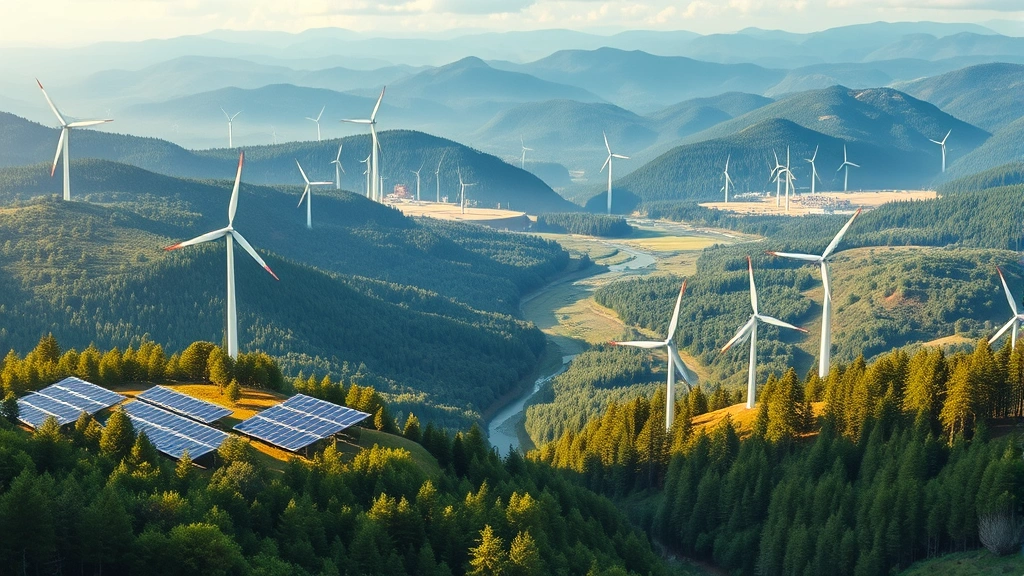
Eco-friendly economies integrate ecological science with economic theory, operating within planetary boundaries while meeting human needs through systematic transformation.

Recent research reveals biodiversity generates $125 trillion annually in ecosystem services, making conservation economically rational. Biodiverse economies show 23% greater resilience and capture tourism premiums exceeding 40%.

Natural ecosystems generate trillions annually through services ignored by GDP. Economists explore integrating nature’s economic value into growth measurements for sustainable prosperity.
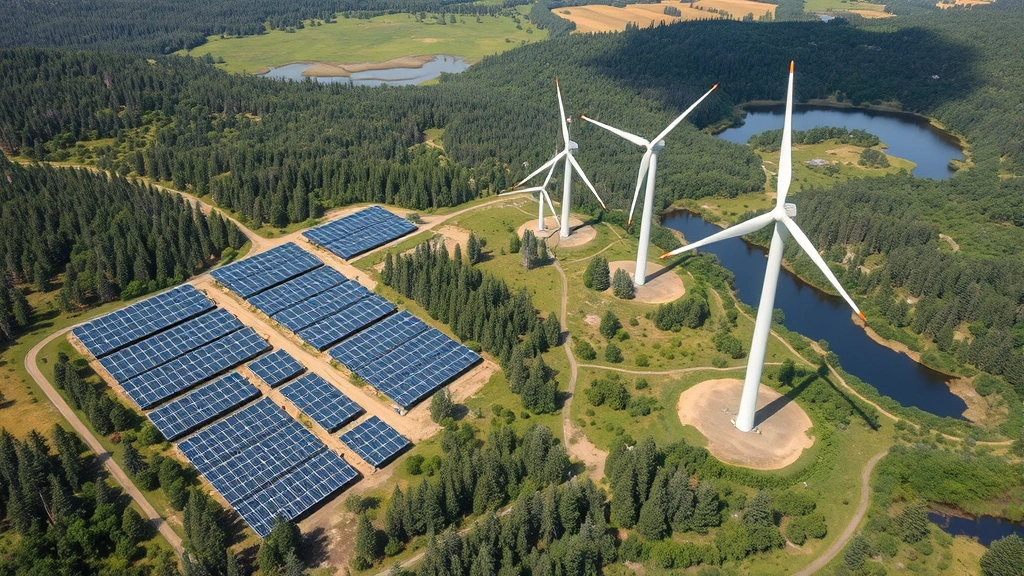
Python revolutionizes ecological economics by enabling computational modeling of coupled human-natural systems, integrating environmental variables into economic forecasts, and democratizing sophisticated analysis for global policymakers.

Personal learning environments transform workforce productivity and innovation capacity through customized educational experiences, directly boosting GDP through human capital multiplier effects, productivity gains, and entrepreneurial expansion.

Person-in-environment theory reveals how human economics fundamentally depends on healthy ecosystems and social systems. This framework reshapes economic policy, business strategy, and environmental valuation.

Brain health directly impacts economic productivity through neuropsychological mechanisms. Environmental stressors degrade cognition while nature exposure enhances it, creating measurable economic implications.