

Human Impact on Ecosystems: Key Economic Insights
Human-environment interaction reveals critical market failures where ecosystem services worth trillions remain unpriced, driving systematic overexploitation and biodiversity collapse.

Human-environment interaction reveals critical market failures where ecosystem services worth trillions remain unpriced, driving systematic overexploitation and biodiversity collapse.

Ecosystems generate trillions in annual services yet remain invisible in economic accounting. New studies reveal ecosystem degradation costs the global economy $2.7 trillion yearly through lost natural capital and services.
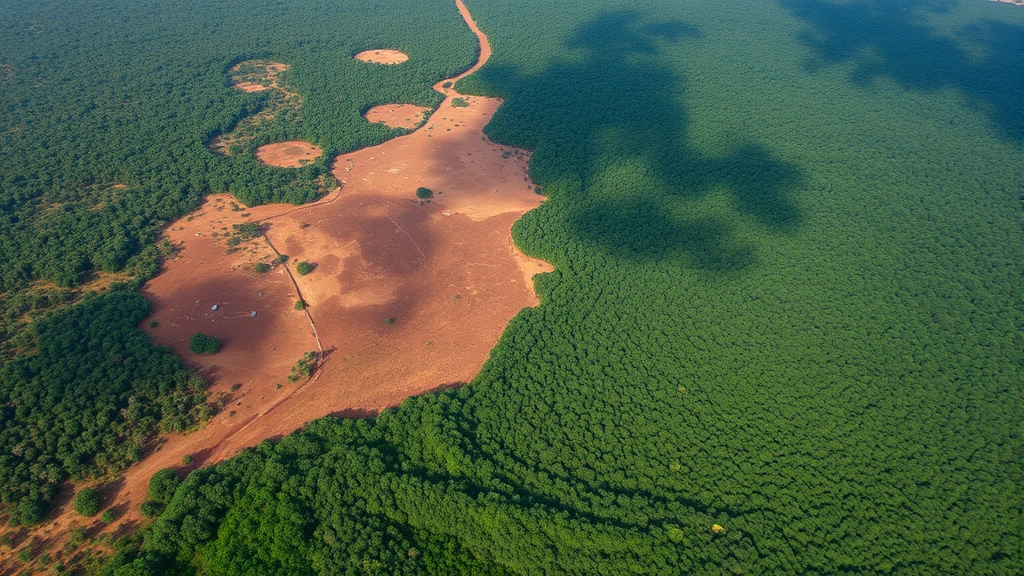
Human activity has transformed Earth’s ecosystems through habitat destruction, climate change, pollution, and species extinction. Understanding these impacts requires examining economic systems driving environmental degradation.

Iron fundamentally influences ecosystem health through marine productivity, soil fertility, and microbial processes. Well-balanced iron environments sustain biodiversity, carbon cycling, and climate regulation across terrestrial and aquatic systems.

Vite environment variables optimize infrastructure costs, reduce energy consumption, improve supply chain efficiency, and enhance competitive advantage. Technical configuration drives measurable economic outcomes.

Tennessee balances economic growth with ecosystem preservation through climate-smart agriculture, renewable energy transition, and nature-based economic development strategies.

Solaris aquatic ecosystems generate trillions in annual economic value through fisheries, carbon sequestration, and water purification, yet remain systematically undervalued in policy frameworks.

Recent research reveals ecosystems provide $125-150 trillion in annual economic value through services like pollination, water purification, and carbon sequestration—far exceeding conservation costs.
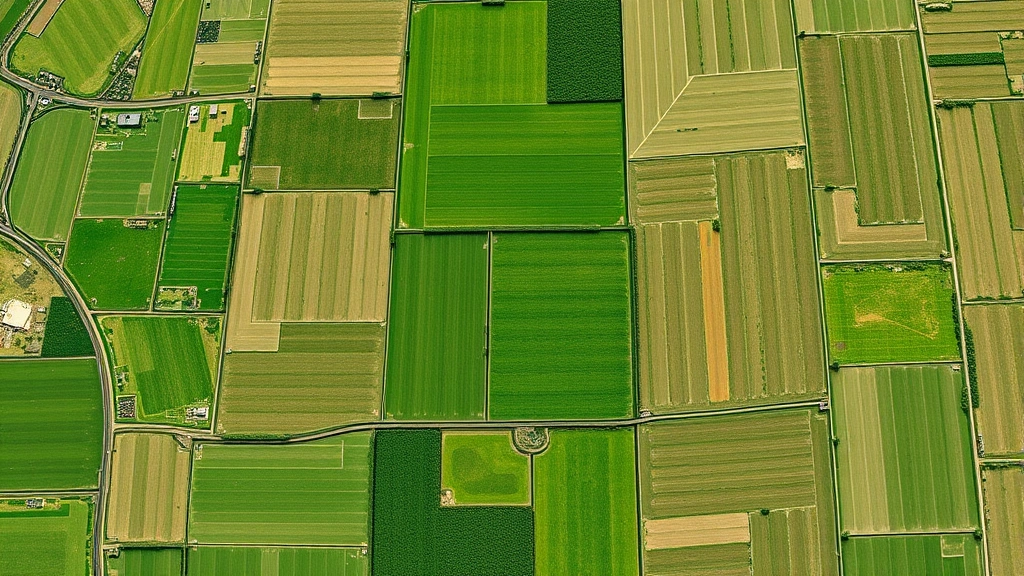
Remote sensing technology transforms economic decision-making by providing real-time environmental data on agriculture, forests, water resources, and climate. Satellite monitoring enables precision agriculture, carbon credit verification, urban planning optimization, and disaster risk assessment, driving significant economic value.

Recent studies show eco-friendly policies boost economies while creating jobs. Evidence from renewable energy, sustainable agriculture, and green technology sectors demonstrates environmental protection and economic growth align.