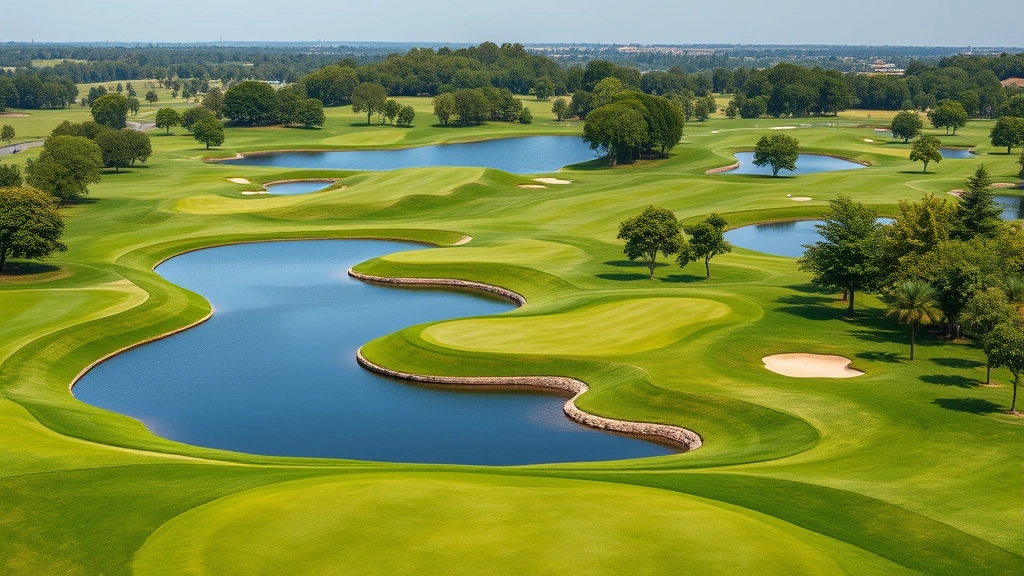
Golf Courses and Environment: Impact Study Insights
Golf courses occupy approximately 1.7 million hectares globally, yet their environmental footprint extends far beyond manicured fairways. Recent research reveals complex ecological consequences ranging from water depletion to biodiversity loss, challenging the perception of golf as a benign recreational activity. Understanding these impacts requires examining water consumption patterns, chemical inputs, habitat fragmentation, and the potential for sustainable golf course management.
The debate surrounding golf courses and environmental sustainability has intensified as climate change accelerates and freshwater scarcity becomes a critical global challenge. While some courses implement regenerative practices, others continue contributing significantly to ecological degradation. This comprehensive analysis synthesizes current research to answer a fundamental question: are golf courses bad for the environment?
Water Consumption and Depletion
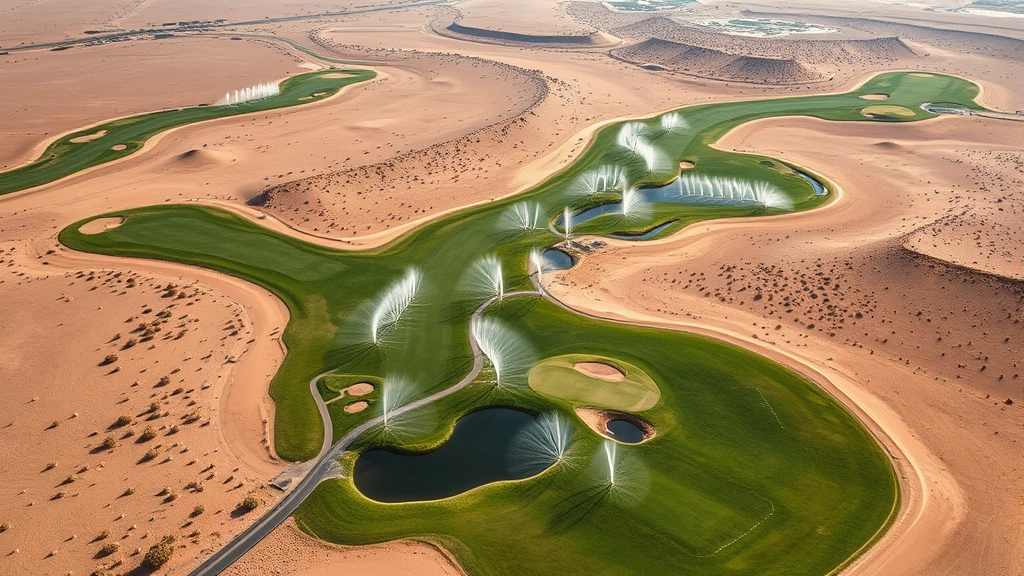
Golf courses represent one of the most water-intensive land uses globally, requiring between 6 to 15 million gallons of water annually per course depending on climate, grass species, and maintenance standards. In arid regions like the southwestern United States, Middle East, and parts of Australia, this consumption becomes particularly problematic. A typical 18-hole championship course consumes approximately 1 million gallons weekly during growing seasons, equivalent to water usage for 500-1,000 households.
The World Bank identifies water stress as a critical issue affecting 4 billion people, making golf course irrigation an increasingly contentious land use allocation. Groundwater depletion represents the most severe consequence, with many courses drawing from aquifers that recharge slowly or not at all. The Ogallala Aquifer in North America, which supplies water to numerous golf courses across the Great Plains, has declined significantly over recent decades.
Turf irrigation accounts for approximately 80 percent of golf course water use, with maintenance practices varying substantially. Courses in California, Arizona, and Nevada face particular scrutiny as regional water crises intensify. Some facilities have begun transitioning to alternative irrigation sources including recycled wastewater, stormwater capture, and desalinated water, though initial capital investments remain substantial. Understanding how humans affect the environment through water consumption patterns reveals golf courses as significant contributors to regional hydrological stress.
Chemical Inputs and Pollution
Golf course maintenance typically involves substantial applications of synthetic pesticides, herbicides, and fertilizers. Industry data indicates that golf courses apply pesticides at rates 5 to 10 times higher per unit area than conventional agricultural land. These chemical inputs create multiple pollution pathways affecting soil health, groundwater quality, and aquatic ecosystems.
Nitrogen and phosphorus from fertilizer applications leach into groundwater and surface water bodies, contributing to eutrophication and harmful algal blooms. Research published in Nature documents contamination of drinking water supplies in proximity to intensive golf course operations. Pesticide residues including neonicotinoids pose particular threats to pollinator populations and non-target invertebrates essential for ecosystem functioning.
The transition toward integrated pest management (IPM) and organic maintenance protocols offers promise but requires significant operational changes. Courses adopting these approaches report 30-50 percent reductions in chemical inputs while maintaining acceptable playing conditions. However, industry-wide adoption remains limited due to cost considerations and perceived aesthetic trade-offs. Examining comparative environmental impacts of other recreational industries contextualizes golf’s chemical pollution within broader consumption patterns.
Biodiversity and Habitat Loss
Golf course development frequently replaces native ecosystems with monoculture turf grass, resulting in significant biodiversity loss. A typical 18-hole course covers 150-200 acres, often converting diverse habitats including grasslands, wetlands, or forests into simplified landscapes supporting minimal wildlife diversity. This habitat fragmentation disrupts migration corridors and reduces genetic connectivity for native species populations.
Studies document that golf courses support substantially lower species richness compared to natural or semi-natural areas. Bird populations decline by 40-60 percent in proximity to courses, while native flowering plants and pollinator communities experience comparable reductions. The loss of structural complexity in converted habitats eliminates nesting sites, food sources, and shelter for numerous species.
Invasive species introductions represent an additional biodiversity concern. Non-native turf grasses, ornamental plants, and associated arthropods establish populations within courses and spread into surrounding ecosystems. Some golf courses have begun implementing wildlife-friendly management practices including native plant restoration, wetland creation, and predator habitat development. The United Nations Environment Programme recognizes habitat restoration within golf courses as a potential conservation strategy when implemented systematically.
” alt=”Environmental impact of golf course development”/>
Carbon Emissions and Climate Impact
Golf course operations generate substantial carbon emissions through multiple pathways including equipment operation, fertilizer production, and water treatment. A single course produces approximately 300-800 metric tons of CO2 equivalent annually, equivalent to emissions from 65-170 gasoline-powered automobiles. The production of synthetic fertilizers alone accounts for 3-5 percent of global energy consumption.
Turf grass maintenance requires frequent mowing, with typical courses operating diesel-powered equipment 40-60 times annually. Fuel consumption for mowing, irrigation pumping, and grounds transportation contributes significantly to operational carbon footprints. Golf courses in temperate regions may operate year-round, extending emission periods and increasing resource consumption.
Climate change simultaneously exacerbates golf course environmental challenges by increasing evapotranspiration rates, requiring greater irrigation in many regions. This creates feedback loops where courses expand water consumption and associated emissions in response to climatic shifts. Some progressive facilities have adopted renewable energy systems, electric equipment, and carbon offset programs, though these remain exceptional rather than standard practice.
Sustainable Golf Course Management
Sustainable golf course design and management represents an emerging field addressing environmental concerns through integrated approaches. The Audubon Cooperative Sanctuary Program certifies courses meeting rigorous environmental standards across water conservation, chemical reduction, habitat restoration, and wildlife management. Approximately 1,200 courses globally hold certification, demonstrating feasibility of improved practices.
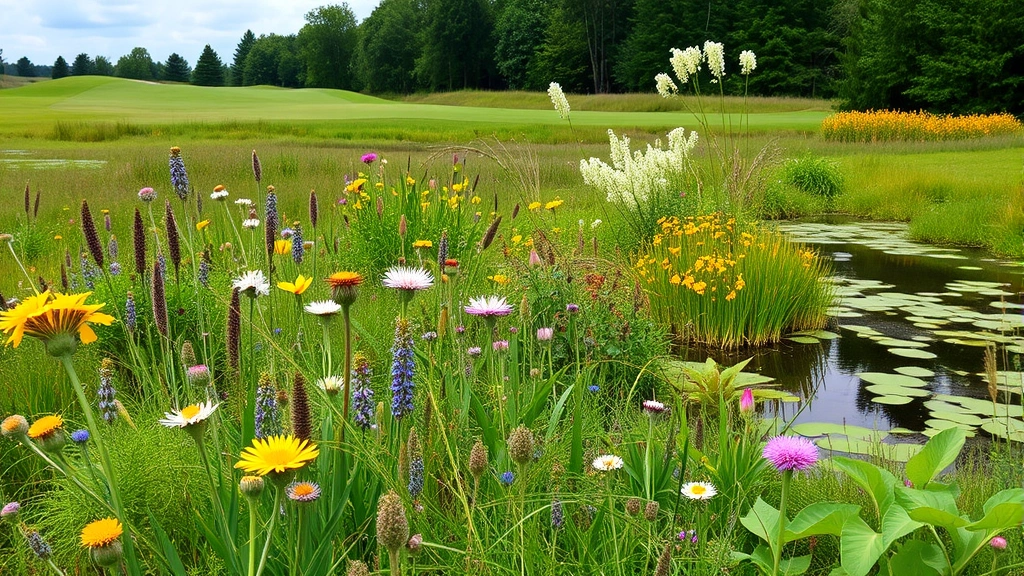
Native plant integration offers particular promise, with courses incorporating indigenous vegetation while maintaining playability. Rough areas and non-playing zones can support diverse plant communities providing habitat value. Selective mowing protocols, reduced fertilizer applications, and biological pest control reduce chemical inputs while supporting ecosystem functions.
Water conservation technologies including soil moisture sensors, weather-based irrigation controllers, and drought-tolerant turf varieties reduce consumption by 20-40 percent without compromising course quality. Recycled water use, where available, eliminates freshwater depletion while providing beneficial nutrient cycling. Some courses have achieved net-positive water balance through stormwater capture and constructed wetland systems.
Understanding positive impacts humans have on the environment includes recognition of golf courses implementing regenerative practices. Progressive facilities serve as demonstration sites for ecological restoration, showing that recreational land use need not inherently degrade ecosystems.
Regional Variations in Environmental Impact
Environmental impacts of golf courses vary substantially based on regional climate, water availability, and ecological context. Courses in arid regions including the southwestern United States, Middle East, and Australia face particular scrutiny due to water scarcity and groundwater depletion concerns. Desert courses irrigating non-native turf species exemplify unsustainable practices in water-stressed regions.
Temperate regions with adequate precipitation experience different impact profiles. Courses in Europe and northeastern North America face greater chemical pollution concerns relative to water depletion. Tropical golf courses present unique challenges including conversion of biodiverse ecosystems and potential pesticide impacts on coral reefs and mangrove systems.
Regulatory frameworks differ substantially across jurisdictions, influencing course development and management practices. Some countries including Denmark and Sweden implement strict environmental standards, while others lack comprehensive regulations. The European Union’s Water Framework Directive has driven substantial improvements in course management practices across member states.
Geographic context determines whether golf course development represents net environmental loss or potential conservation opportunity. In some regions, golf courses have replaced more intensive agricultural operations, potentially reducing chemical inputs. In others, conversion of natural ecosystems to golf courses represents irreversible biodiversity loss.
Economic Considerations and Trade-offs
Golf courses generate significant economic value through employment, property tax revenue, and recreational services. The global golf industry generates approximately $84 billion annually, supporting hundreds of thousands of jobs. This economic contribution must be weighed against environmental costs in comprehensive impact assessments.
Life cycle cost analyses comparing golf course operations with environmental restoration reveal complex trade-offs. Conversion of marginal agricultural land to golf courses may reduce pesticide use relative to farming operations. However, conversion of natural ecosystems to courses represents irreplaceable ecological loss exceeding economic benefits in most assessments.
Property value enhancement represents a significant economic driver for golf course development, particularly in real estate markets. Courses often increase nearby property values by 10-15 percent, creating financial incentives for development. This economic dynamic drives expansion in environmentally sensitive areas including wetlands, forests, and riparian corridors.
Sustainable golf course management requires substantial upfront capital investment, with some estimates suggesting 20-30 percent increases in development costs for environmentally certified courses. Operating costs may increase 10-15 percent through adoption of organic maintenance protocols and water conservation technologies. These economic barriers slow industry-wide transition toward sustainable practices despite demonstrated environmental benefits.
Future Directions and Mitigation Strategies
Emerging research indicates that golf courses can contribute positively to environmental goals through strategic design and management. The concept of “ecological golf” emphasizes habitat restoration, native plant integration, and ecosystem service provision alongside recreational function. Progressive courses increasingly incorporate climate adaptation strategies including drought-resistant turf varieties and stormwater management systems.
Policy interventions including water use restrictions, chemical application regulations, and environmental certification requirements drive industry improvements. Some jurisdictions have implemented moratoriums on golf course development in water-stressed regions, reflecting recognition of unsustainable resource consumption. Conversely, incentive programs encouraging sustainable management show promise in driving voluntary improvements.
Technological innovations including precision irrigation, biological pest control, and renewable energy integration offer pathways toward reduced environmental impacts. Research into salt-tolerant turf grasses and native species suitable for golf course use expands management options. Digital monitoring systems enable real-time optimization of resource use, reducing waste and environmental impacts.
Consumer demand for environmentally responsible golf experiences may drive market-based improvements. Golfers increasingly value courses demonstrating environmental stewardship, creating competitive advantages for certified facilities. This market dynamic, combined with regulatory pressure and technological innovation, suggests potential for substantial industry transformation.
” alt=”Sustainable golf course with native habitat restoration”/>
Frequently Asked Questions
Are all golf courses equally damaging to the environment?
Environmental impacts vary substantially based on location, management practices, and design philosophy. Courses in arid regions using non-native turf represent greater environmental concerns than temperate courses implementing sustainable practices. Certified sustainable courses demonstrate that environmental damage is not inevitable, though industry-wide adoption remains limited.
How much water does a typical golf course use annually?
Average courses consume 6-15 million gallons annually, with significant regional variation. Desert courses may use 20+ million gallons yearly, while courses in humid regions use substantially less. This consumption exceeds typical household water use by 300-500 percent per unit area.
Can golf courses support wildlife and biodiversity?
While conventional courses support minimal wildlife, courses incorporating native plants, habitat restoration, and wildlife-friendly management can provide ecological value. However, even well-managed courses typically support lower biodiversity than natural ecosystems. They represent compromise solutions rather than optimal conservation outcomes.
What chemical inputs do golf courses typically use?
Courses commonly apply synthetic pesticides, herbicides, and nitrogen-phosphorus fertilizers at rates 5-10 times higher than agricultural land per unit area. Organic management protocols substantially reduce chemical inputs, though achieving comparable aesthetic standards requires operational adjustments.
Are there regulations governing golf course environmental impacts?
Regulatory frameworks vary substantially by jurisdiction. Some regions implement strict water use restrictions and chemical application limits, while others lack comprehensive environmental standards. The Environmental Protection Agency provides guidance but lacks direct regulatory authority in most U.S. states.
What is the most significant environmental impact of golf courses?
Water consumption represents the most critical environmental concern in arid regions, while chemical pollution dominates in water-abundant areas with intensive agriculture. Habitat loss and biodiversity impacts represent universal concerns across all geographic contexts, making ecosystem conversion the most fundamental environmental issue.
Can golf courses be carbon neutral or carbon negative?
Yes, courses implementing renewable energy, electric equipment, and carbon offset programs can achieve carbon neutrality. Some courses incorporating substantial native vegetation and wetland restoration sequester carbon through ecosystem recovery. However, operational emissions from typical courses remain substantial and rarely offset through conventional mitigation strategies.
How does golf course development compare environmentally to other land uses?
Golf courses typically generate greater environmental impacts than low-intensity agricultural or natural land uses, but may reduce impacts relative to intensive agriculture or urban development. Context-specific comparisons reveal that environmental trade-offs depend on what land use would otherwise occur in each location.


