Animal Physiologists’ Role in Economy: Expert Insights
Animal physiologists occupy a critical yet often underrecognized position at the intersection of biological science, environmental management, and economic systems. These specialists investigate how animals function at cellular, organ, and organism levels, translating complex biological processes into practical applications that generate substantial economic value. The work environment for animal physiologists spans diverse settings—from research laboratories and universities to agricultural enterprises, pharmaceutical companies, and conservation organizations—each contributing distinctly to economic productivity and ecosystem health.
The economic significance of animal physiology extends far beyond academic curiosity. As global economies increasingly confront challenges related to food security, sustainable resource management, and climate adaptation, animal physiologists provide essential expertise for optimizing production systems, developing disease-resistant livestock, and understanding how animals respond to environmental stress. Their research directly influences decisions affecting billions of dollars in agricultural output, pharmaceutical development, and environmental policy implementation.
This comprehensive analysis examines how animal physiologists shape economic systems through their work environments, research contributions, and practical applications across multiple sectors. Understanding their role reveals fundamental connections between biological knowledge, economic productivity, and sustainable development.
Animal Physiologists in Agricultural Economics
Animal physiologists working in agricultural settings represent one of the most economically productive sectors of their profession. Global livestock production generates approximately $1.3 trillion annually, and physiological research directly enhances this economic output through multiple mechanisms. These professionals operate within complex work environments that combine laboratory analysis with field observation, data management systems, and collaborative networks involving veterinarians, geneticists, and agricultural economists.
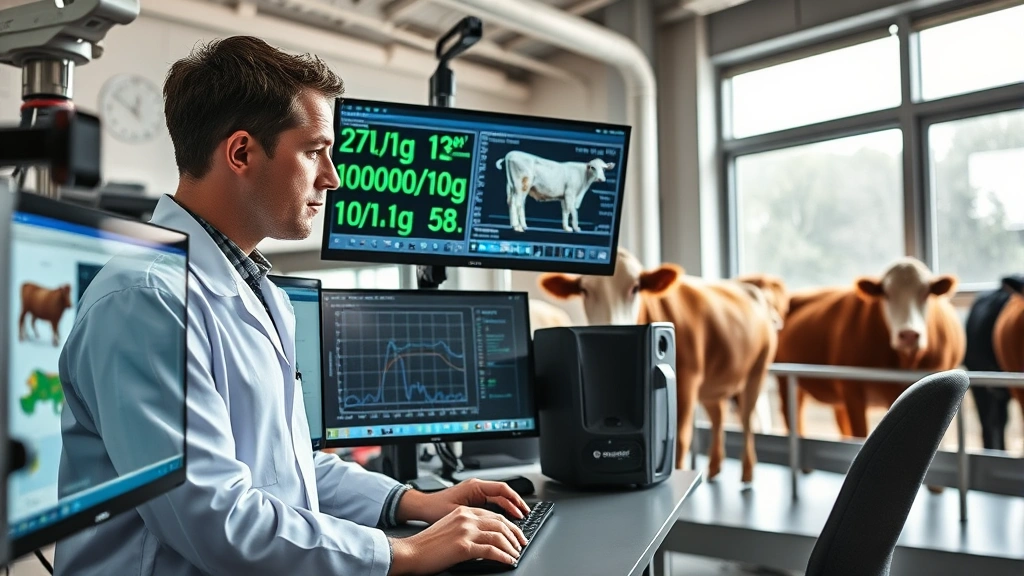
In dairy production, animal physiologists investigate lactation physiology to optimize milk yield and composition. Their research on metabolic efficiency, hormonal regulation, and nutritional requirements translates into recommendations that increase productivity per animal while reducing input costs. A single physiological breakthrough regarding agriculture, ecosystems and environment interactions can generate millions in economic benefits across entire industries. The work environment typically includes controlled research facilities, farm settings for validation studies, and increasingly, digital monitoring systems that track physiological parameters in real-time.
Livestock stress physiology represents another critical economic domain. Animal physiologists study how stress hormones, immune function, and metabolic responses affect production traits. Their work environments often incorporate sophisticated monitoring equipment, behavioral observation systems, and environmental chambers that simulate various stressors. This research directly reduces economic losses from heat stress, disease susceptibility, and reduced reproduction—problems costing the global livestock industry billions annually. Understanding how human activities affect the environment through intensive animal production has prompted physiologists to develop more sustainable management practices.
Reproductive physiology in livestock generates substantial economic returns through improved breeding efficiency. Animal physiologists elucidate mechanisms controlling estrous cycles, ovulation, and embryonic development, enabling technologies like artificial insemination and embryo transfer. These applications increase genetic gain rates and reduce generation intervals, multiplying economic value across herds. The work environment for reproductive physiologists includes specialized laboratory facilities for hormone analysis, ultrasound equipment for reproductive imaging, and increasingly, genomic analysis capabilities.
Research Environments and Economic Output
University-based animal physiologists operate within research-intensive work environments that generate economic value through multiple pathways. These professionals supervise graduate students, maintain specialized laboratory facilities, and publish research that guides industry practices affecting billions in economic activity. The work environment typically encompasses animal care facilities, molecular biology laboratories, environmental chambers, and increasingly, bioinformatics centers for processing complex physiological datasets.
Research funding represents a significant economic indicator of the field’s importance. Major funding agencies—including the U.S. Department of Agriculture, National Science Foundation, and international research councils—allocate hundreds of millions annually to animal physiology research. This investment reflects recognized economic returns, as physiological discoveries frequently translate into practical applications within 5-10 years. The work environment in research institutions emphasizes publication productivity, grant acquisition, and mentorship of future scientists who will advance knowledge-based economies.
Collaborative research environments increasingly characterize modern animal physiology. Multi-institutional teams combining physiologists, molecular biologists, engineers, and economists work on complex problems like optimizing environment and sustainability in animal agriculture. These collaborative work environments leverage complementary expertise to address challenges with significant economic implications. Technology transfer offices within universities facilitate commercialization of physiological discoveries, creating startup companies and licensing opportunities that generate economic returns beyond traditional academic metrics.
The digitalization of research environments has expanded economic opportunities for animal physiologists. Wearable sensors, automated monitoring systems, and artificial intelligence applications enable real-time physiological data collection from thousands of animals simultaneously. This technological infrastructure creates new work environments where physiologists collaborate with data scientists and software engineers, generating insights previously impossible to obtain. These integrated systems reduce production costs while improving animal welfare—a value proposition increasingly important to consumers and regulators.
Pharmaceutical and Biomedical Applications
Animal physiologists working in pharmaceutical development operate within highly regulated, economically significant work environments. These professionals use animal models to understand drug mechanisms, toxicity, and efficacy—essential steps before human trials. The pharmaceutical industry invests billions in animal-based research, with physiologists providing critical expertise for interpreting results and optimizing study designs. Their work environments include specialized vivarium facilities, pharmacokinetic laboratories, and increasingly, sophisticated imaging centers for monitoring physiological responses to experimental compounds.
The economic value of animal physiology in drug development extends beyond direct research contributions. Physiological expertise informs regulatory submissions to agencies like the FDA, reducing delays in drug approval and accelerating time-to-market for new therapeutics. This acceleration translates into substantial economic value, as each year of delay in drug approval represents millions in lost revenue for pharmaceutical companies. Animal physiologists working in regulatory affairs environments combine bench research experience with knowledge of regulatory requirements, creating essential bridges between discovery and commercialization.
Translational research represents an increasingly important work environment for animal physiologists. These professionals design studies that bridge basic physiological research and clinical applications, accelerating the journey from laboratory discoveries to human health benefits. Their expertise in animal models, combined with understanding of human physiology, positions them uniquely to interpret cross-species extrapolation challenges. This work environment emphasizes interdisciplinary collaboration, rigorous methodology, and economic awareness of research costs and potential returns.
Contract research organizations (CROs) employ animal physiologists in specialized work environments dedicated to conducting studies for pharmaceutical and chemical companies. These positions combine scientific expertise with business acumen, as CROs operate on competitive margins requiring efficient research delivery. Animal physiologists in CRO environments develop expertise in managing multiple simultaneous projects, regulatory compliance, and client communication—skills that generate economic value through reliable, high-quality data production.
Conservation Physiology and Economic Value
Conservation-focused animal physiologists operate in work environments that bridge biological science and environmental economics. These specialists investigate how wild animals respond physiologically to habitat loss, climate change, pollution, and other anthropogenic stressors. Their research generates economic value through improved conservation strategies that maintain ecosystem services worth trillions globally. Understanding physiological stress responses helps identify population viability thresholds, informing land management decisions affecting economic activities from tourism to resource extraction.
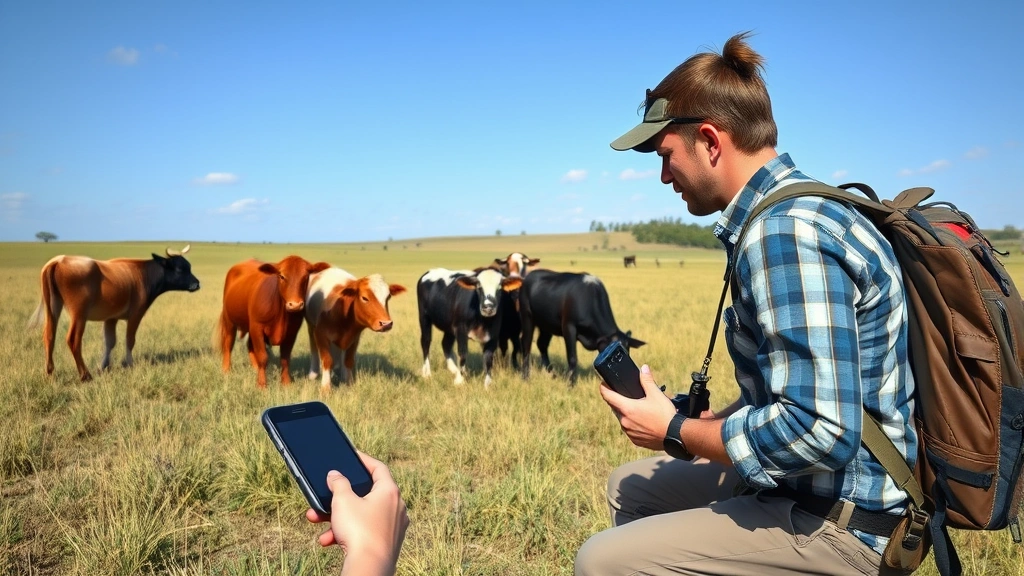
The concept of reducing carbon footprint through conservation physiology deserves particular attention. Animal physiologists studying metabolic rates and activity patterns in wildlife contribute to understanding ecosystem carbon cycling and climate regulation services. This work environment often combines field research with laboratory analysis, requiring physiologists to operate in remote locations while maintaining scientific rigor. Their findings influence carbon credit valuation, ecosystem service payments, and climate policy development.
Ecotourism represents a significant economic sector where animal physiology expertise generates direct returns. Understanding behavioral physiology helps tourism operators manage wildlife viewing to maximize revenue while minimizing stress on animals. Physiological knowledge about habituation, stress responses, and activity patterns enables sustainable tourism practices that maintain both economic productivity and animal welfare. The work environment for physiologists in this sector includes field sites, tourism enterprises, and policy organizations developing sustainable tourism standards.
Marine and aquatic animal physiology contributes substantially to fisheries economics and aquaculture productivity. Physiologists investigating osmoregulation, oxygen utilization, and reproductive physiology in fish and invertebrates enable more efficient aquaculture systems and sustainable wild fishery management. The work environment spans laboratory facilities for controlled experiments, field sites for population monitoring, and increasingly, offshore facilities for studying animals in natural conditions. These research environments generate economic value through improved production systems and evidence-based fishery regulations.
Climate Adaptation and Future Economic Resilience
Animal physiologists increasingly work in environments focused on climate adaptation, addressing one of the most economically significant challenges of the 21st century. These professionals investigate thermal tolerance, water balance, and metabolic flexibility in response to changing climates. Their work directly informs breeding programs, management practices, and policy decisions affecting global food security and economic stability. The work environment for climate-focused physiologists combines traditional research with scenario modeling, stakeholder engagement, and policy consultation.
Heat stress physiology has become economically critical as global temperatures rise. Animal physiologists quantify productivity losses from heat stress in livestock, develop cooling strategies, and identify genetic markers for heat tolerance. Their research enables targeted breeding programs and management interventions that maintain productivity despite climate challenges. The economic implications are substantial—heat stress already costs the livestock industry tens of billions annually, and physiological solutions represent critical investments in economic resilience.
Nutritional physiology research addresses how animals can adapt to changing food availability and nutritional composition. Animal physiologists investigate metabolic flexibility, nutrient utilization efficiency, and compensatory growth mechanisms. This work environment increasingly incorporates climate modeling and agricultural scenario analysis, enabling physiologists to anticipate future challenges and develop proactive solutions. Their research informs feed formulation strategies and management practices that maintain productivity despite environmental constraints.
The work environment for animal physiologists addressing climate adaptation increasingly emphasizes interdisciplinary collaboration with economists, agronomists, and climate scientists. These integrated research environments generate holistic understanding of climate impacts and develop solutions optimizing biological, environmental, and economic outcomes. This systems-level approach reflects recognition that sustainable economic development requires deep integration of physiological knowledge with economic analysis.

Career Trajectories and Economic Impact
Animal physiologists follow diverse career trajectories, each contributing to economic systems through different mechanisms. Academic careers emphasize research productivity and knowledge dissemination, generating economic value through discoveries that industry eventually implements. The academic work environment emphasizes teaching, mentorship, and research independence, creating intellectual infrastructure that drives innovation across sectors.
Industry-based animal physiologists operate in work environments emphasizing applied research and product development. These professionals translate basic physiological knowledge into practical applications—feed formulations, management protocols, pharmaceutical products—that generate direct economic returns. The industry work environment typically emphasizes efficiency, regulatory compliance, and market responsiveness, requiring physiologists to balance scientific rigor with commercial timelines.
Government and regulatory positions employ animal physiologists in work environments focused on policy development, standard-setting, and compliance oversight. These professionals ensure that physiological knowledge informs regulations affecting animal agriculture, pharmaceutical development, and environmental protection. Their work environment emphasizes evidence-based policymaking, stakeholder engagement, and long-term economic and environmental sustainability.
International development organizations increasingly employ animal physiologists to address food security and poverty reduction in developing nations. These work environments combine research with capacity building, technology transfer, and policy support. Animal physiologists in development contexts contribute to economic growth through improved livestock productivity and sustainable resource management, directly supporting the livelihoods of millions of people dependent on animal agriculture.
Consulting and technology transfer represent growing career paths for animal physiologists. These professionals operate in work environments emphasizing knowledge translation, business development, and economic analysis. Their expertise helps companies optimize production systems, develop new products, and navigate regulatory requirements. This career trajectory often generates significant economic returns while advancing professional expertise through exposure to diverse industries and business models.
FAQ
What educational qualifications do animal physiologists typically require?
Animal physiologists generally require a bachelor’s degree in animal science, biology, or physiology, with most research and specialized positions requiring master’s or doctoral degrees. Advanced positions in academia or leadership roles typically require Ph.D. credentials. Continuing education and professional certifications enhance career advancement and economic prospects.
How do animal physiologists contribute to sustainable agriculture?
Animal physiologists develop knowledge enabling more efficient production systems requiring fewer resources per unit output. Their research on stress physiology, reproductive efficiency, and metabolic optimization reduces environmental impacts while maintaining economic productivity. This work directly supports agriculture, ecosystems and environment sustainability goals.
What salary ranges can animal physiologists expect?
Animal physiologists earn competitive salaries varying by sector, experience, and location. Academic positions typically range from $60,000-$120,000 annually, while industry positions often exceed $80,000-$150,000. Government positions offer stable employment with moderate salaries, and consulting roles may generate variable but potentially higher income.
How is technology changing animal physiology work environments?
Wearable sensors, automated monitoring systems, artificial intelligence, and bioinformatics platforms are transforming animal physiology research. These technologies enable real-time data collection from large animal populations, sophisticated data analysis, and predictive modeling. Modern work environments increasingly require physiologists to collaborate with data scientists and software engineers.
What role do animal physiologists play in disease prevention?
Animal physiologists investigate immune function, stress responses, and pathogen interactions, generating knowledge that informs disease prevention strategies. Their research enables development of vaccines, management protocols, and genetic selection approaches that reduce disease incidence and associated economic losses in livestock and wildlife populations.
How do animal physiologists address animal welfare concerns?
Physiological research on stress indicators, pain responses, and welfare parameters informs development of improved management practices and welfare standards. Animal physiologists work in environments where scientific knowledge about animal physiology directly improves welfare while often enhancing economic productivity—demonstrating that welfare and economic efficiency frequently align rather than conflict.
What future opportunities exist for animal physiologists?
Emerging opportunities include climate adaptation research, precision livestock farming, personalized nutrition, conservation genetics, and sustainable aquaculture. The integration of animal physiology with genomics, artificial intelligence, and environmental sciences creates expanding career opportunities in research, industry, and policy sectors addressing global sustainability challenges.


