Is AI Harmful to Ecosystems? Expert Insights on Technology’s Environmental Impact
Artificial intelligence has become one of the most transformative technologies of our era, reshaping industries from healthcare to finance. Yet beneath the promise of efficiency and innovation lies a critical question: what is the true environmental cost of AI? As we deploy increasingly sophisticated machine learning models and expand data centers globally, the ecological consequences demand rigorous examination. Expert researchers, environmental economists, and sustainability analysts are raising urgent concerns about AI’s carbon footprint, water consumption, and broader ecosystem disruption.
The conversation around AI and environmental harm extends beyond simple energy metrics. It encompasses complex interconnections between computational infrastructure, resource extraction, electronic waste, and the systemic changes AI introduces to human behavior and economic systems. Understanding these relationships requires an interdisciplinary approach that bridges computer science, ecology, economics, and environmental policy—precisely the framework this analysis employs.
The Carbon Footprint of AI Infrastructure
The computational demands of modern AI systems generate substantial greenhouse gas emissions. Training large language models like GPT-3 and similar architectures requires processing billions of parameters across massive datasets, consuming electricity equivalent to the annual usage of hundreds of households. A landmark study published in research on machine learning efficiency documented that training a single large transformer model can emit as much carbon as five cars over their entire lifespans.
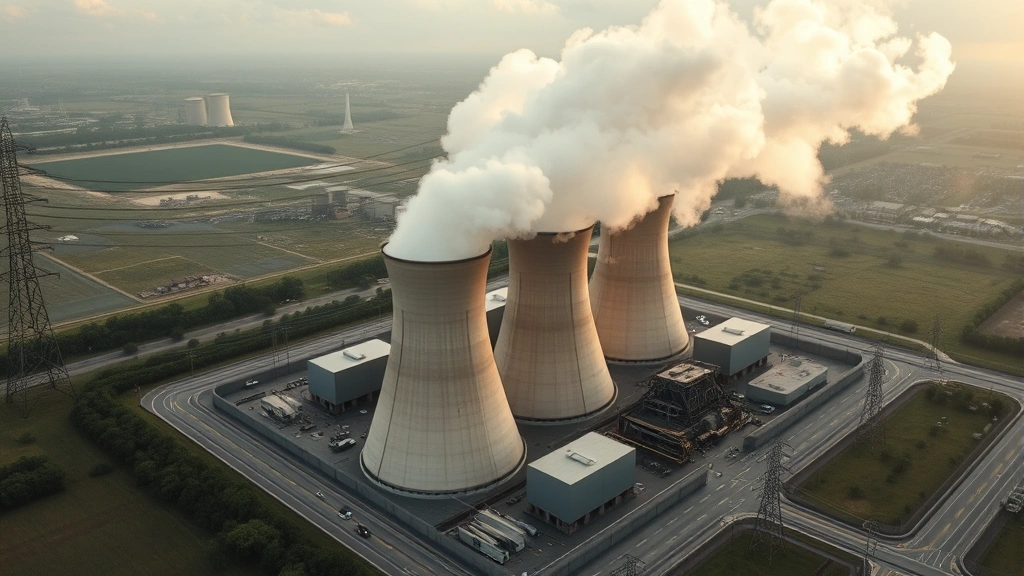
Data centers powering AI operations globally consume approximately 1-2% of worldwide electricity, a figure projected to double within five years. While this percentage may seem modest, the absolute volume is staggering: tens of billions of kilowatt-hours annually. The carbon intensity of this energy varies dramatically by geography. Data centers in regions reliant on coal-generated electricity—particularly in parts of Asia and Eastern Europe—carry significantly higher emissions profiles than those powered by renewable sources. Even in developed nations with cleaner grids, the sheer energy density of AI workloads creates measurable atmospheric impact.
The problem intensifies during the inference phase, when deployed AI models process queries from millions of users. Each search, recommendation, or prediction requires computational work. Companies operating at scale process trillions of such requests monthly, translating to continuous, distributed carbon emissions across global server networks. This creates what economists call the “hidden carbon cost of convenience”—environmental damage invisible to end-users but substantial in aggregate.
Moreover, the hardware lifecycle compounds these emissions. Training AI models on outdated hardware becomes inefficient, driving replacement cycles that accelerate equipment obsolescence. Manufacturers continuously release new processors optimized for AI workloads, creating pressure to upgrade infrastructure. This technological treadmill generates upstream emissions from manufacturing and downstream impacts from electronic waste streams.
Water Consumption and Thermal Stress
Beyond carbon, AI infrastructure creates acute water stress in already vulnerable regions. Data centers require enormous quantities of cooling water to prevent hardware failure. A single large facility can consume millions of gallons daily—equivalent to the residential water needs of entire communities. In water-scarce regions, this competition between computational infrastructure and human/agricultural needs creates direct ecological harm.
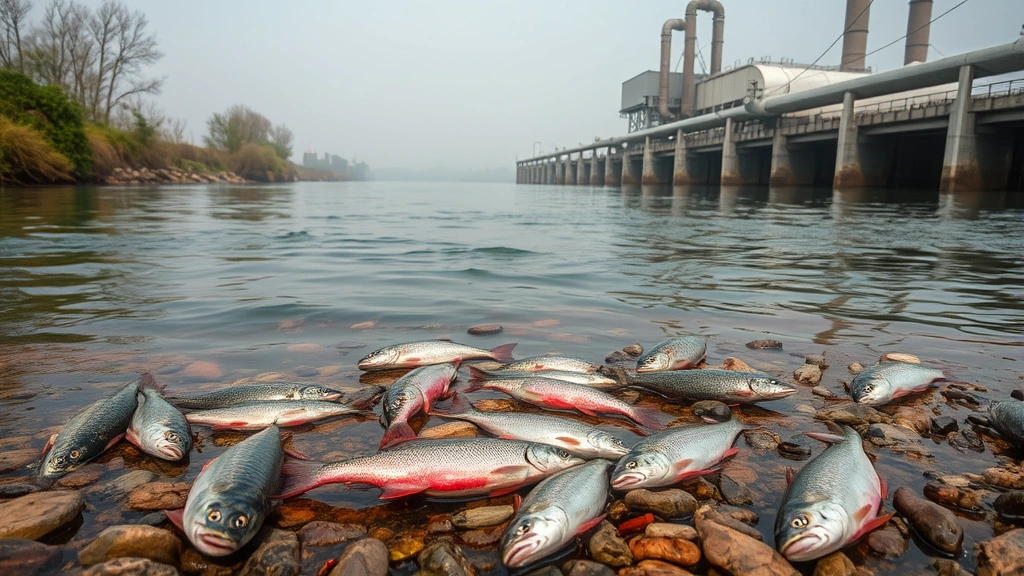
The thermal discharge from data center cooling systems affects aquatic ecosystems directly. Heated water released into rivers and lakes alters temperature regimes that aquatic organisms have evolved to tolerate. Fish migration patterns, breeding cycles, and metabolic rates depend on precise temperature ranges. Sudden thermal shifts trigger cascading effects through food webs. Algal blooms proliferate in warmed waters, consuming dissolved oxygen and creating dead zones where aquatic life cannot survive.
Water scarcity amplifies during droughts. In regions like the southwestern United States and parts of Europe, data center expansion has coincided with severe drought conditions. Groundwater depletion accelerates as facilities pump aquifer reserves to meet cooling demands. This represents an intergenerational equity problem: current computational benefits impose water stress on future populations dependent on these finite underground reserves.
Research from environmental economics institutions demonstrates that water-related externalities—costs borne by ecosystems and communities rather than computational companies—represent a massive hidden subsidy to the AI industry. When ecosystems cannot self-regulate due to thermal shock or depletion, cascading failures emerge across agriculture, fisheries, and human water security.

Resource Extraction and Supply Chains
The physical hardware enabling AI requires rare earth elements, cobalt, lithium, and other minerals concentrated in specific geographic regions. Mining these materials devastates local ecosystems and communities. Cobalt extraction in the Democratic Republic of Congo, for instance, involves artisanal mining operations with minimal environmental protection, contaminating soil and water with toxic processing chemicals. Lithium mining in South America’s salt flats requires enormous water extraction in some of Earth’s driest regions, further stressing arid ecosystems.
The connection between AI expansion and resource extraction intensity follows a direct relationship: as computational demand grows, so does demand for these materials. Chip manufacturers compete for supply, driving prices up and incentivizing mining companies to expand operations into previously untouched ecosystems. This represents what ecological economists term “environmental colonialism”—wealthy nations outsourcing ecological damage to resource-rich but economically vulnerable regions.
Supply chain complexity obscures accountability. AI hardware passes through dozens of manufacturers, transporters, and refiners before reaching data centers. At each stage, energy consumption, chemical processing, and waste generation occur. The complete lifecycle carbon footprint of a single processor can exceed 10 times its operational emissions. Yet this upstream impact rarely appears in corporate sustainability reporting, which typically focuses only on direct operational emissions.
Electronic waste streams from outdated AI hardware create persistent environmental problems. Precious metals and hazardous substances like lead and mercury concentrate in devices destined for landfills or informal recycling operations. In developing nations lacking proper e-waste management infrastructure, toxins leach into groundwater and soil, affecting agricultural productivity and human health for decades.
Ecosystem Disruption Through Automation
Beyond direct physical impacts, AI’s role in automating resource extraction and industrial processes accelerates ecosystem degradation. Machine learning algorithms optimize logging operations, enabling companies to identify and harvest timber with unprecedented efficiency. Precision agriculture powered by AI increases pesticide and fertilizer application rates by targeting specific field zones, intensifying agricultural runoff that creates aquatic dead zones.
AI-driven optimization in fisheries enables industrial fleets to locate and capture fish populations with devastating efficiency. Stock depletion accelerates as algorithms remove the natural constraints that previously limited harvest rates. This represents a “tragedy of the commons” problem amplified by artificial intelligence—technology that was supposed to improve efficiency instead enables the overexploitation of shared natural resources.
Algorithmic decision-making in land use planning often prioritizes economic metrics over ecological preservation. When AI systems optimize for profit rather than ecosystem health, they systematically recommend converting biodiverse natural areas into monoculture plantations or development zones. The economic valuation of ecosystem services—pollination, carbon sequestration, water filtration—remains inadequate in most algorithmic frameworks, leading to systematic underprotection of critical habitats.
Wildlife monitoring systems using AI provide some conservation benefits, yet simultaneously enable more effective poaching through real-time location data. Adversarial actors exploit the same technology designed for protection, creating an ongoing technological arms race in ecosystems. The net effect on biodiversity remains uncertain and highly context-dependent.
Rebound Effects and Behavioral Economics
Economic theory identifies “rebound effects” when efficiency improvements paradoxically increase total resource consumption. AI-driven efficiency in transportation, energy, and manufacturing theoretically reduces per-unit environmental costs. Yet lower costs typically stimulate demand, offsetting efficiency gains. This phenomenon, documented extensively in human-environment interaction literature, suggests that AI efficiency improvements alone cannot solve environmental crises without accompanying demand management.
Consider AI-optimized logistics reducing shipping costs and carbon per package. The result: increased online consumption as lower prices drive purchasing. Total transportation emissions may rise despite improved efficiency. Similarly, AI-powered renewable energy optimization makes clean electricity cheaper, yet without consumption constraints, total energy demand and associated ecosystem impacts (mining, manufacturing, land use) continue expanding.
Behavioral economics reveals how AI recommendation systems amplify consumption patterns. Algorithms trained to maximize user engagement and platform revenue systematically recommend higher-consumption lifestyles. Fashion AI suggests more frequent purchases; entertainment algorithms promote streaming content requiring data center resources; shopping platforms use predictive analytics to stimulate demand. These systems operate within economic structures that fail to price environmental externalities, creating systematic bias toward unsustainable consumption.
The carbon footprint reduction strategies most effective at individual level—consuming less, choosing sustainable products, reducing energy use—run counter to AI systems optimized for corporate profit. This structural misalignment means technological solutions alone cannot address environmental challenges without accompanying economic and policy transformation.
Solutions and Mitigation Strategies
Addressing AI’s environmental impact requires multi-layered interventions spanning technology, policy, and economics. Technical solutions include developing more efficient algorithms requiring less computational power, improving chip design to reduce energy per operation, and transitioning data center electricity sources to renewable energy. Federated learning, which trains models on distributed devices rather than centralized servers, potentially reduces transmission energy. Model compression techniques reduce inference computational demands.
However, technical efficiency alone proves insufficient. Policy interventions must establish carbon pricing for computational services, require environmental impact reporting across AI supply chains, and regulate water extraction by data center operators. Some jurisdictions have begun implementing data center energy auditing requirements and renewable energy mandates. International frameworks modeled on carbon border adjustment mechanisms could create economic incentives for relocating computational infrastructure to regions with clean electricity.
More fundamentally, economic restructuring toward genuine cost accounting remains essential. Environmental accounting that prices ecosystem services—carbon sequestration, water purification, biodiversity—into AI infrastructure costs would dramatically alter investment decisions. Circular economy principles applied to hardware manufacturing, emphasizing reuse and recycling over replacement, could reduce resource extraction pressure. Renewable energy transition for data centers represents a critical component, though this alone cannot solve broader ecosystem impacts.
Corporate governance reform toward stakeholder models that account for environmental impacts—rather than shareholder-only maximization—could align AI development with ecological sustainability. Some technology companies have begun purchasing renewable energy credits and committing to carbon neutrality targets, though critics note these commitments often employ accounting methods that obscure true environmental costs.
The types of environments most vulnerable to AI-driven ecosystem disruption—tropical rainforests, freshwater systems, and arctic regions—deserve prioritized protection through enforceable international agreements. Indigenous land management practices, which demonstrate superior biodiversity outcomes compared to industrial extraction, offer alternative models for resource governance that could constrain AI-driven optimization pressures.
Research funding for ecological AI—machine learning systems designed to optimize for ecosystem health rather than economic extraction—represents a promising direction. These systems would incorporate ecological constraints into optimization functions, treating biodiversity preservation and ecosystem integrity as primary objectives rather than externalities to minimize.
Transparency initiatives requiring disclosure of AI environmental impacts, similar to financial reporting standards, could enable informed decision-making by investors, consumers, and policymakers. Several environmental economics institutions and United Nations Environment Programme initiatives have begun developing frameworks for measuring and reporting AI’s environmental footprint comprehensively.
Perhaps most importantly, society must engage in honest debate about appropriate levels of AI deployment. Not every potential application justifies environmental costs. Developing decision frameworks that weigh genuine benefits against ecological impacts—rather than assuming technological progress inherently benefits humanity—represents essential intellectual work for the coming decades. This requires interdisciplinary collaboration between computer scientists, ecologists, economists, and policymakers fundamentally rethinking the relationship between technological advancement and environmental stewardship.
FAQ
How much electricity does AI training actually consume?
Training a single large language model consumes 200-1,000 megawatt-hours of electricity, equivalent to 15-75 average American households’ annual consumption. Multiplied across thousands of models trained annually by tech companies and researchers, this represents billions of kilowatt-hours globally—roughly equivalent to the total electricity consumption of some small nations.
Can renewable energy solve AI’s environmental problems?
Renewable energy transition is necessary but insufficient. While clean electricity reduces operational carbon emissions, it doesn’t address water consumption, resource extraction, electronic waste, or rebound effects that increase total resource demand. Additionally, renewable energy infrastructure itself requires significant material inputs and land use conversion, creating environmental costs that offset some benefits.
Is AI worse for the environment than other industries?
AI’s environmental impact is significant but contextual. The semiconductor industry broadly—including smartphones, servers, and consumer electronics—generates larger total impacts. However, AI represents the fastest-growing segment with rapidly escalating resource demands. Per unit of computation, AI workloads are becoming increasingly energy-intensive as model complexity grows, making trajectory analysis concerning.
What percentage of global emissions comes from AI?
Current estimates range from 0.5-2% of global greenhouse gas emissions directly attributable to computational infrastructure, with significant uncertainty due to incomplete data. Including supply chain, resource extraction, and indirect effects through economic changes, the true impact likely exceeds 3-5%. Projections suggest doubling within 5-10 years absent significant intervention.
Can individual choices reduce AI’s environmental impact?
Individual actions matter but face structural limitations. Reducing cloud service usage, limiting streaming consumption, and avoiding AI-powered recommendation systems marginally decrease personal computational footprints. However, most environmental damage occurs during model training and infrastructure operation—costs distributed across millions of users. Systemic change through policy, corporate governance, and economic restructuring proves more impactful than individual consumption choices alone.
What are the most promising AI environmental solutions?
Technical innovations (efficient algorithms, renewable energy, hardware optimization) provide necessary but insufficient solutions. Policy interventions (carbon pricing, environmental auditing, water regulation) create economic incentives for responsible development. Most promising long-term: economic restructuring toward true cost accounting that prices ecosystem services, governance models prioritizing ecological health alongside innovation, and international agreements protecting vulnerable ecosystems from AI-driven extraction intensification.