Impact of FCC Regulations on Ecosystems: Expert Insight
The Federal Communications Commission (FCC) regulates telecommunications infrastructure across the United States, wielding substantial authority over radio frequencies, wireless networks, and broadband deployment. While ostensibly focused on communication standards and spectrum allocation, FCC regulations create cascading effects throughout natural ecosystems. From electromagnetic radiation exposure to habitat fragmentation caused by tower infrastructure, the intersection of telecommunications policy and environmental health represents a critical yet underexamined domain of regulatory impact.
Understanding how FCC environment policies affect biodiversity, wildlife behavior, and ecosystem function requires interdisciplinary analysis spanning ecology, physics, economics, and regulatory science. This examination synthesizes expert research demonstrating that telecommunications infrastructure regulated by the FCC generates both direct ecological impacts through physical infrastructure and indirect effects through electromagnetic field emissions. The economic trade-offs between connectivity expansion and ecosystem preservation demand sophisticated policy frameworks that balance development with conservation.
FCC Regulatory Framework and Environmental Oversight
The FCC operates under the Communications Act of 1934 and subsequent amendments, establishing its primary mandate as ensuring efficient spectrum use and competitive telecommunications markets. However, environmental review obligations arise through the National Environmental Policy Act (NEPA), which requires federal agencies to evaluate significant environmental consequences of proposed actions. The FCC’s environmental assessment procedures, outlined in 47 CFR Part 1, theoretically capture ecological impacts from tower construction, facility siting, and spectrum allocation decisions.
In practice, FCC environmental review remains constrained by categorical exclusions and limited analytical depth. The agency categorically excludes certain actions—such as routine maintenance and minor facility modifications—from detailed environmental review. This creates regulatory gaps where incremental infrastructure expansion accumulates without comprehensive ecosystem assessment. Human-environment interaction within the telecommunications sector exemplifies how technological systems embed themselves within natural systems, yet regulatory mechanisms fail to capture systemic effects.
The FCC’s 1996 Telecommunications Act accelerated broadband deployment by reducing regulatory barriers, inadvertently minimizing environmental scrutiny. FCC policy prioritizes connectivity expansion, creating institutional incentives that subordinate environmental considerations. Economic analysis reveals that externalized environmental costs—including habitat loss, electromagnetic exposure, and ecosystem service degradation—remain unpriced in spectrum auction mechanisms and facility approval processes. This represents a fundamental market failure where telecommunications companies capture benefits from infrastructure deployment while ecosystems bear uncompensated costs.
Recent FCC initiatives addressing environmental concerns remain limited in scope. The agency established environmental assessment procedures for tower siting but delegated substantial authority to applicants for self-evaluation. Examples of human-environment interaction in this context include tower placement decisions made with minimal independent ecological review, creating cumulative impacts across landscapes.
Electromagnetic Fields and Wildlife Impact
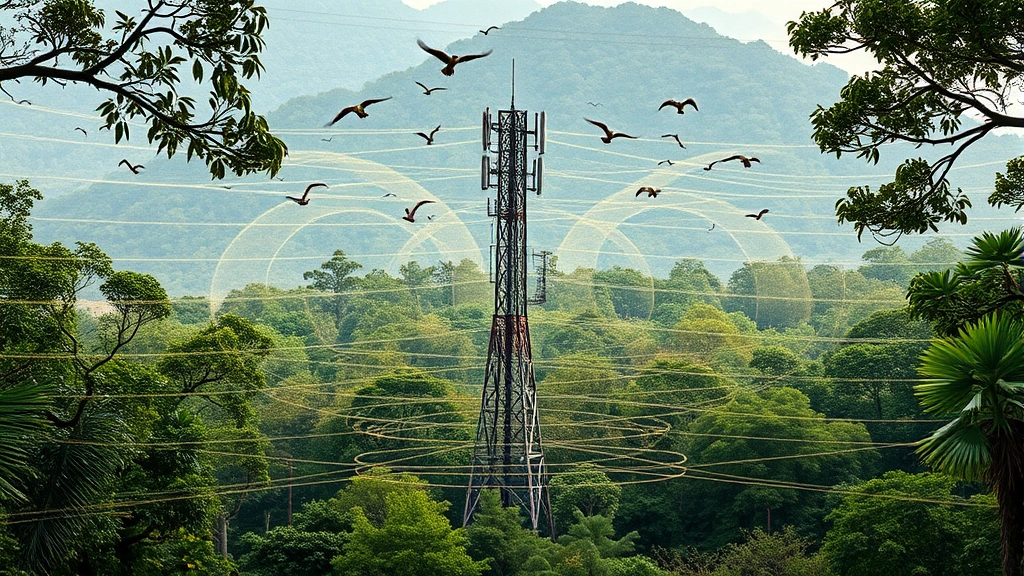
Electromagnetic fields (EMF) generated by FCC-regulated telecommunications infrastructure affect wildlife through multiple biological pathways. Radio frequency radiation from cell towers, wireless networks, and broadcast facilities operates at frequencies between 300 kHz and 300 GHz, creating non-ionizing radiation that induces electrical currents in biological tissues. While FCC safety standards (47 CFR 1.1307) establish exposure limits for human populations, wildlife exposure limits remain absent from regulatory frameworks.
Scientific research demonstrates behavioral and physiological effects of EMF exposure in diverse species. Migratory birds rely on magnetoreception—sensing Earth’s magnetic field—for navigation across continents. Studies indicate that anthropogenic electromagnetic fields disrupt these navigational systems, causing disorientation and increased mortality rates. A meta-analysis of bird migration studies found that electromagnetic field exposure correlates with altered flight patterns and increased collision rates with infrastructure. The economic value of ecosystem services provided by migratory birds—including insect pest control, seed dispersal, and pollination—exceeds $2.4 billion annually in the United States alone.
Insect populations demonstrate heightened sensitivity to electromagnetic fields. Research on honeybees reveals that radiofrequency radiation impairs colony navigation and reduces honey production by up to 40% in high-exposure areas. Given that pollinators generate approximately $15-20 billion in annual agricultural services, electromagnetic impacts on insect behavior create substantial economic externalities. Bumblebees, critical wild pollinators for ecosystem function, exhibit reduced foraging efficiency and reproductive success in areas with elevated EMF exposure.
Marine ecosystems experience distinct electromagnetic impacts. Sharks and rays utilize electroreception to locate prey and navigate, with sensory organs detecting minute electrical gradients. Submarine telecommunications cables generate electromagnetic fields that interfere with these sensory systems, altering predator-prey dynamics and reproductive behavior. Cetaceans—including whales and dolphins—demonstrate sensitivity to anthropogenic electromagnetic fields, with evidence suggesting impacts on echolocation and migration patterns.
The FCC’s current safety standards, established in 1996 and minimally updated since, rely on thermal effects models that underestimate non-thermal biological impacts. World Health Organization research indicates that non-thermal electromagnetic effects warrant regulatory reconsideration, yet FCC standards remain unchanged despite accumulated evidence. This regulatory lag represents a significant policy failure where scientific evidence accumulates faster than regulatory adaptation.
” alt=”Wireless communication tower surrounded by forest canopy with birds in flight, electromagnetic waves visualized as translucent ripples, natural landscape with diverse vegetation layers” style=”width: 100%; height: auto; border-radius: 8px;”/>
Infrastructure Development and Habitat Fragmentation
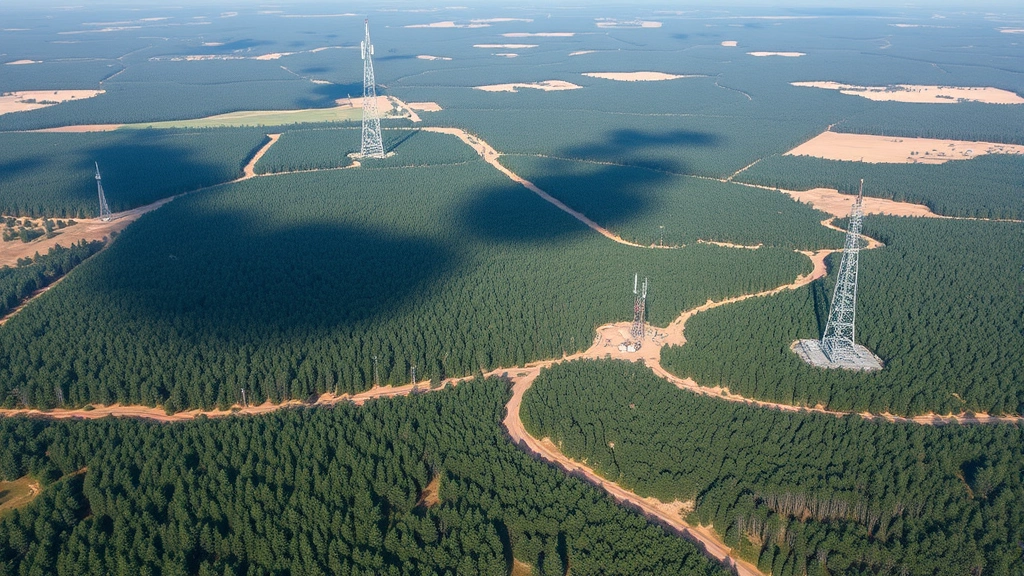
Physical infrastructure deployment for FCC-regulated telecommunications creates landscape-scale habitat fragmentation that disrupts ecological processes fundamental to biodiversity conservation. Cell tower construction, fiber optic cable installation, and broadband facility development require right-of-way acquisition, vegetation clearing, and soil disturbance affecting thousands of acres annually across the United States.
Habitat fragmentation operates through multiple mechanisms. Tower siting in sensitive ecosystems directly removes vegetation, displaces wildlife, and creates barrier effects that restrict species movement. Access roads for tower maintenance fragment habitats further, enabling invasive species colonization and altering hydrology. The cumulative effect of distributed infrastructure creates landscape-scale connectivity loss, particularly in regions targeted for rural broadband expansion where infrastructure density increases rapidly.
The economic analysis of habitat fragmentation reveals substantial ecosystem service losses inadequately reflected in FCC cost-benefit analyses. Fragmented habitats experience reduced genetic diversity in wildlife populations, lowering adaptive capacity to environmental change. Predator-prey dynamics shift in fragmented landscapes, creating trophic cascades that propagate through ecosystems. The economic value of ecosystem services provided by intact habitats—including carbon sequestration, water purification, and biodiversity maintenance—ranges from $125,000 to $2 million per hectare annually, depending on ecosystem type and location.
Migratory corridor disruption represents a particularly significant impact. Infrastructure development affects carbon sequestration capacity in disrupted habitats, creating climate change feedback loops. Wetlands fragmented by infrastructure lose hydrological connectivity, reducing water filtration services and increasing downstream water treatment costs. The FCC’s environmental assessment procedures inadequately capture these landscape-scale effects because they evaluate individual projects rather than cumulative impacts across regions.
Rural broadband expansion, accelerated through FCC policy initiatives and federal funding, generates substantial habitat fragmentation in previously undeveloped areas. The Infrastructure Investment and Jobs Act allocated $65 billion for broadband deployment, creating rapid infrastructure expansion across ecologically sensitive regions. Environmental review procedures prove inadequate for assessing cumulative impacts of this scale, with individual tower approvals proceeding without comprehensive regional ecosystem analysis.
Economic Valuation of Ecosystem Services
Economic frameworks for evaluating FCC environment impacts require sophisticated valuation of ecosystem services affected by telecommunications infrastructure. Ecosystem services—including carbon sequestration, pollination, water purification, and biodiversity maintenance—generate economic value that remains largely unpriced in conventional telecommunications markets. This creates persistent market failures where infrastructure developers capture benefits while ecosystems bear uncompensated costs.
Carbon sequestration represents a quantifiable ecosystem service affected by FCC-regulated infrastructure. Vegetation clearing for tower installation and right-of-way maintenance reduces forest carbon storage capacity. A mature forest sequesters approximately 2.4 metric tons of carbon dioxide annually per hectare. When scaled across thousands of tower installations and hundreds of miles of cable routes, vegetation loss generates climate change externalities valued at $50-100 per metric ton of CO2, translating to millions of dollars in unpriced environmental costs.
Pollination services disrupted by electromagnetic field exposure create economic impacts in agricultural sectors dependent on wild pollinators. The economic value of pollination services in the United States exceeds $18 billion annually, with substantial portions provided by wild bee populations affected by EMF exposure. Reduced pollination efficiency increases agricultural production costs and food prices, representing a regressive economic impact affecting low-income populations disproportionately.
Water purification services degraded through wetland fragmentation create substantial economic externalities. Natural wetlands filter pollutants and improve water quality at a cost substantially lower than engineered treatment systems. Fragmentation of wetland ecosystems through infrastructure development increases downstream water treatment costs, with municipalities bearing expenses that should reflect telecommunications infrastructure impacts. UNEP research demonstrates that ecosystem service valuation proves essential for equitable environmental policy, yet FCC decision-making remains largely disconnected from these economic frameworks.
Biodiversity maintenance generates economic value through existence values—the willingness of populations to pay for species preservation—and option values reflecting potential future benefits from genetic resources. Habitat fragmentation reduces biodiversity, destroying genetic resources with potential pharmaceutical and agricultural applications. The economic value of biodiversity conservation ranges from $2-5 trillion annually in global ecosystem services, with FCC infrastructure impacts contributing to this loss through habitat disruption.
The FCC’s cost-benefit analyses for infrastructure approval decisions systematically undervalue ecosystem services. Regulatory procedures lack mechanisms for incorporating ecosystem service valuation into spectrum allocation decisions or tower siting approvals. This institutional design failure perpetuates underinvestment in environmental protection, as costs of ecosystem degradation remain externalized from telecommunications markets.
Policy Recommendations and Future Directions
Reforming FCC environmental oversight requires institutional restructuring that integrates ecosystem service valuation into telecommunications policy. Renewable energy infrastructure deployment shares similar environmental challenges, suggesting that cross-sector policy coordination could generate efficiencies. Several policy mechanisms merit implementation:
Electromagnetic Field Standards Revision: The FCC should update safety standards to reflect contemporary scientific evidence regarding non-thermal biological effects of electromagnetic fields. Wildlife-specific exposure limits should be established based on species-specific sensory physiology, recognizing that electromagnetic sensitivity varies dramatically across taxa. International Commission on Non-Ionizing Radiation Protection guidelines provide evidence-based frameworks for standard-setting that exceed current FCC regulations.
Cumulative Impact Assessment: Environmental review procedures should shift from project-specific analysis to landscape-scale cumulative impact assessment. Regional environmental impact statements should precede broadband deployment programs, evaluating ecosystem effects across entire service territories. This approach enables identification of high-value conservation areas where infrastructure deployment should be restricted or minimized.
Ecosystem Service Valuation Integration: FCC cost-benefit analyses for major infrastructure decisions should incorporate ecosystem service valuation using established economic methodologies. This requires interdisciplinary analysis incorporating ecological expertise into telecommunications policy processes. Community-based environmental management approaches could complement regulatory reforms, enabling local stakeholder participation in infrastructure siting decisions.
Infrastructure Siting Optimization: FCC policy should incentivize infrastructure consolidation and co-location, reducing cumulative habitat impacts. Regulatory mechanisms could reward tower sharing and facility consolidation through spectrum allocation preferences or expedited approval processes. This approach recognizes that ecological impacts scale with infrastructure density, making consolidated deployment more environmentally efficient.
Habitat Mitigation Requirements: For infrastructure projects generating significant ecosystem impacts, FCC approval conditions should require habitat restoration or conservation easements equivalent to impacts generated. This creates direct accountability for environmental damages while generating funding for ecosystem restoration. Mitigation banking mechanisms could enable efficient allocation of restoration resources across regions.
Research Coordination: The FCC should establish research partnerships with ecological and environmental health institutions to continuously update understanding of infrastructure impacts on ecosystems and wildlife. Regular scientific review of EMF exposure effects and infrastructure impacts should inform regulatory updates, ensuring that standards reflect current scientific knowledge.
Implementation of these recommendations requires institutional commitment and political will to subordinate short-term connectivity expansion goals to long-term ecosystem health. Economic analysis demonstrates that ecosystem service losses from unregulated infrastructure expansion substantially exceed costs of environmental protection, suggesting that regulatory reform generates net economic benefits alongside ecological gains.

” alt=”Landscape showing restored wetland ecosystem with native vegetation, water reflections, birds and wildlife, demonstrating ecosystem recovery and natural habitat restoration, vibrant biodiversity visible” style=”width: 100%; height: auto; border-radius: 8px;”/>
FAQ
What specific FCC regulations affect ecosystems most significantly?
FCC regulations establishing spectrum allocation policies and tower siting procedures generate the most substantial ecosystem impacts. Spectrum allocation decisions determine infrastructure density across landscapes, while tower siting procedures directly affect habitat conversion and fragmentation. Environmental assessment procedures under 47 CFR Part 1 theoretically capture these impacts but often prove inadequate due to categorical exclusions and limited analytical depth.
How do electromagnetic fields from cell towers affect migratory birds?
Electromagnetic fields disrupt magnetoreception systems that migratory birds use for navigation. Research indicates that birds exposed to anthropogenic EMF demonstrate altered flight patterns, increased disorientation, and higher collision rates with infrastructure. The cumulative effect of distributed EMF sources across landscapes creates navigational barriers that impede migration, increasing mortality rates particularly during spring and fall migration periods.
Does the FCC have authority to regulate environmental impacts of telecommunications?
The FCC possesses environmental authority under NEPA and the Communications Act, requiring environmental review of actions with significant environmental consequences. However, the agency has historically exercised limited environmental authority, emphasizing spectrum efficiency and market development over ecosystem protection. Regulatory reform could substantially expand FCC environmental oversight without exceeding existing statutory authority.
What economic value do ecosystem services affected by FCC infrastructure represent?
Ecosystem services affected by telecommunications infrastructure—including pollination, carbon sequestration, water purification, and biodiversity maintenance—generate economic value in the range of $2-5 trillion annually globally. In the United States, FCC infrastructure impacts affect ecosystem services valued at tens of billions of dollars annually, yet these costs remain externalized from telecommunications markets and regulatory decision-making.
How can rural broadband expansion be achieved while protecting ecosystems?
Ecosystem-compatible broadband expansion requires infrastructure siting optimization, habitat impact mitigation, and cumulative impact assessment integrated into deployment planning. Consolidating infrastructure through tower sharing and fiber optic co-location reduces per-unit ecosystem impacts. Directing deployment toward previously developed areas and away from high-value conservation habitats enables connectivity expansion while protecting critical ecosystems.
What international models exist for balancing telecommunications and environmental protection?
European Union environmental regulations impose stricter requirements for electromagnetic field exposure and infrastructure siting than FCC standards. Several countries have established environmental impact assessment procedures for telecommunications infrastructure that exceed U.S. regulatory requirements. These international models demonstrate that stricter environmental standards remain compatible with advanced telecommunications networks, suggesting that regulatory reform in the United States would not compromise connectivity goals.


