
Alpine Ecosystems and Economy: A Vital Intersection
Alpine ecosystems represent some of Earth’s most extraordinary and economically significant environments, where towering peaks meet delicate ecological balance. These high-altitude regions, typically found above the tree line at elevations exceeding 2,000 meters, support unique biodiversity while simultaneously generating substantial economic value through tourism, agriculture, and ecosystem services. The intersection of alpine ecology and human economics creates both opportunities and profound challenges that demand sophisticated understanding and adaptive management strategies.
The alpine environment in which iconic species like the ibex live demonstrates the intricate relationship between physical geography, biological adaptation, and economic activity. Alpine ecosystems face unprecedented pressures from climate change, tourism development, and shifting land use patterns. Understanding how these systems function economically while maintaining ecological integrity has become critical for sustainable development in mountain regions worldwide.
The Alpine Environment: Physical Characteristics and Ecology
Alpine ecosystems occupy a unique position in Earth’s biosphere, characterized by extreme environmental conditions that fundamentally shape both ecological communities and human economic activities. These regions experience dramatic temperature fluctuations, intense solar radiation, strong winds, and limited growing seasons—typically just three to four months of frost-free conditions. The alpine environment in which the ibex lives spans across multiple mountain ranges including the Alps, Carpathians, Pyrenees, and beyond, each presenting distinct ecological characteristics shaped by latitude, continental position, and local topography.
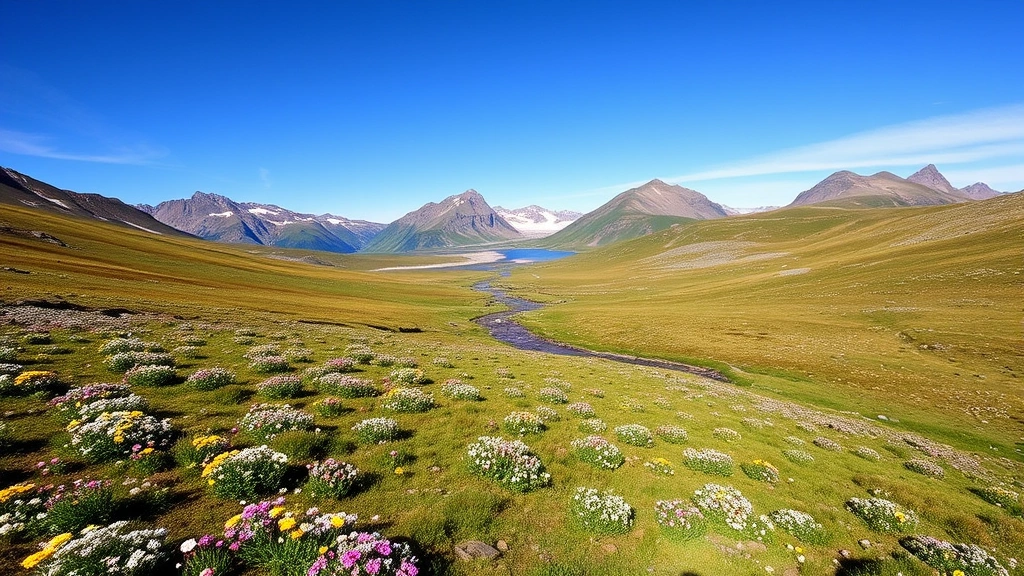
The physical structure of alpine environments creates distinctive zones of vegetation and habitat. Above the tree line, where conditions become too harsh for tree growth, alpine meadows transition to sparse herbaceous vegetation, dwarf shrubs, and eventually bare rock and scree at the highest elevations. Soil development remains minimal due to steep slopes, freeze-thaw cycles, and limited organic matter accumulation. Water availability paradoxically combines abundance from snowmelt with drought stress during growing seasons, as shallow soils cannot retain moisture effectively. These challenging conditions have driven the evolution of specialized alpine flora and fauna adapted to survive in this extreme environment.
The alpine environment’s geological foundation comprises ancient crystalline rocks, glaciated valleys, and dramatic topography created by Pleistocene glaciation. Ongoing periglacial processes—including permafrost dynamics, solifluction, and rockfall—continuously reshape the landscape. This active geology interacts with climate and biology to create the distinctive alpine character. Understanding human environment interaction in these regions requires recognizing how human activities layer onto these powerful natural processes.
Alpine Ibex: Master of Mountain Survival
The alpine ibex exemplifies evolutionary adaptation to extreme mountain environments, demonstrating how species thrive within the harsh alpine environment in which the ibex lives. These remarkable ungulates, scientifically known as Capra ibex, possess specialized morphological and physiological adaptations that enable survival at elevations up to 4,500 meters. Their compact, muscular bodies maximize heat retention, while specialized hooves provide extraordinary traction on vertical rock faces and scree slopes. Ibex can traverse terrain that seems physically impossible, accessing forage resources unavailable to competing species.
The ibex’s behavioral ecology reflects intimate adaptation to alpine conditions. These animals migrate seasonally between lower winter ranges and high summer pastures, following snowmelt and vegetation phenology. Their digestive system efficiently processes sparse, nutrient-poor alpine vegetation, extracting maximum nutrition from dwarf willows, alpine grasses, and lichen-covered rocks. Population dynamics in alpine ibex demonstrate how ecological constraints structure animal communities—territorial behavior, rutting cycles, and predator avoidance strategies all reflect adaptation to mountain life.
Historically, ibex populations declined catastrophically due to overhunting, with fewer than 100 individuals surviving by the early 19th century. Modern conservation efforts have successfully restored populations in the Alps and other ranges, demonstrating that dedicated management can reverse ecological collapse. Today, ibex serve as flagship species for alpine conservation, their recovery symbolizing successful human-nature collaboration. However, this recovery also illustrates impacts humans have had on the environment, as restoration required deliberate intervention to counteract previous overexploitation.
The alpine environment in which the ibex lives continues evolving as climate change alters snowfall patterns, vegetation composition, and seasonal timing. Ibex populations must adapt to shifting resource availability and changing predator-prey relationships. Their presence indicates ecosystem health, making ibex monitoring a valuable indicator for tracking alpine ecosystem responses to environmental change.
Economic Value of Alpine Ecosystem Services
Alpine ecosystems generate enormous economic value through ecosystem services—the natural processes that support human wellbeing. These services extend far beyond the mountains themselves, benefiting downstream communities and entire regions. Water provision represents perhaps the most economically significant service; alpine snowpack and glaciers supply freshwater to billions of people worldwide. Major river systems including the Danube, Rhine, Po, and Rhone derive substantial portions of their annual flow from alpine snowmelt, supporting agriculture, industry, and municipal water supplies across Europe.
Hydrological regulation through alpine ecosystems prevents catastrophic flooding while maintaining summer flows during dry seasons. The economic value of this regulation service reaches billions of euros annually when calculated through avoided flood damage and maintained hydroelectric generation. According to research from the World Bank, mountain regions provide water to over half the world’s population, with alpine areas contributing disproportionately to this critical resource.
Carbon sequestration represents another substantial ecosystem service, as alpine grasslands and soils store significant carbon stocks. While alpine vegetation growth remains limited by short growing seasons, the accumulated biomass and organic matter in alpine soils represents centuries of carbon storage. Climate change threatens these carbon reserves, as warming temperatures accelerate decomposition and potentially convert alpine areas from carbon sinks to carbon sources. The economic implications of losing this carbon storage capacity extend to global climate regulation and carbon credit markets.
Biodiversity conservation provides existence and option values that economists increasingly recognize as economically significant. Alpine regions harbor exceptional species richness and endemism, with many plants and animals found nowhere else on Earth. This genetic and species diversity represents biological capital with potential pharmaceutical, agricultural, and biotechnological value. Preserving alpine biodiversity maintains future economic options while supporting intrinsic conservation values.
Nutrient cycling and soil formation proceed slowly in alpine environments but remain essential for long-term ecosystem function and productivity. The alpine environment in which the ibex lives depends on these pedogenic processes that gradually build fertile soils from bare rock. Disruption of nutrient cycling through overgrazing or erosion can permanently reduce ecosystem productivity and economic carrying capacity.
Alpine Tourism and Economic Development
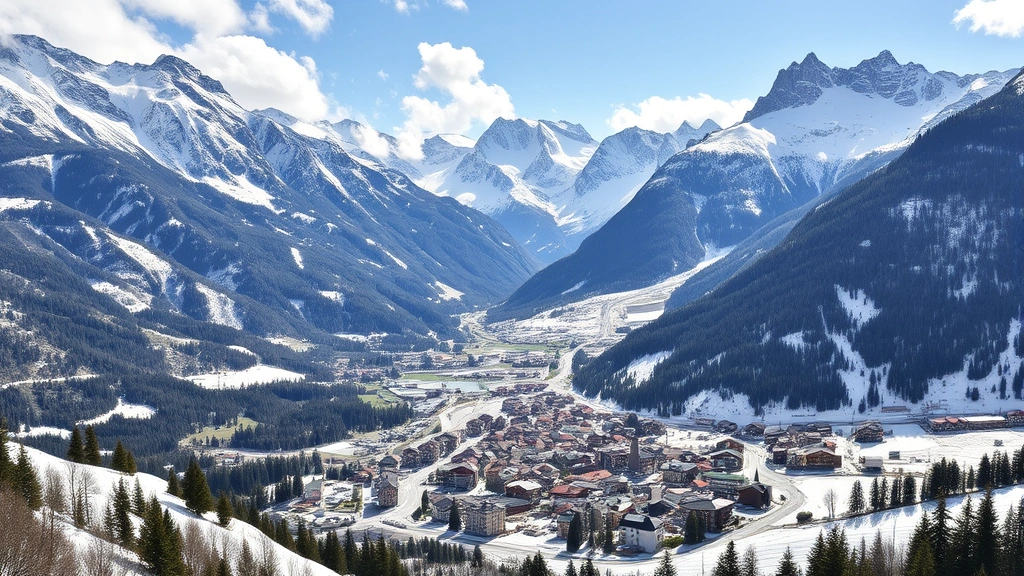
Alpine tourism generates enormous economic returns, driving regional development and employment across mountain communities. Winter sports—skiing, snowboarding, and related activities—constitute a multi-billion-euro industry in the Alps alone, with similar economic significance in mountain regions worldwide. Summer tourism encompasses hiking, mountaineering, ecological tourism, and cultural heritage experiences. This tourism economy creates employment for mountain residents while generating government revenue through taxes and fees.
However, alpine tourism creates substantial ecological pressures that threaten the ecosystem services and biodiversity that make these regions economically valuable. Ski resort development requires extensive infrastructure including roads, lifts, hotels, and residential construction, fragmenting habitats and altering hydrological patterns. Winter recreation compacts snow, damages vegetation, and disrupts wildlife during critical hibernation and resting periods. Summer hiking trails erode soils and disturb nesting birds and other sensitive species. The alpine environment in which the ibex lives increasingly encounters human presence and associated disturbances.
Tourism-driven land use conversion represents a particular concern, as permanent development displaces traditional alpine agriculture and eliminates habitat. Rising property values incentivize construction over conservation, creating economic pressures that favor development over ecological preservation. Balancing tourism economic benefits with ecosystem protection requires sophisticated management frameworks that internalize environmental costs into economic decision-making.
The economic geography of alpine tourism reveals significant disparities in benefit distribution. While tourism generates wealth for investors and service providers in developed regions, local alpine communities often capture limited benefits. Seasonal employment creates income instability, and wealth often flows to external corporations rather than remaining in mountain regions. Sustainable alpine tourism requires ensuring that economic benefits support local communities while maintaining ecological integrity.
Climate Change and Alpine Economic Vulnerability
Alpine regions experience climate change at accelerated rates, with warming proceeding two to three times faster than global averages. This alpine amplification creates profound economic consequences as fundamental ecosystem characteristics shift. Glacial retreat eliminates water storage capacity and hydroelectric potential, directly threatening water security and energy production. The economic value of glacial water supplies—estimated at hundreds of billions of euros annually for European regions—faces systematic decline as glaciers disappear.
Shifting vegetation zones alter grazing capacity, ecosystem services, and wildlife habitat. Alpine meadows transform into shrubland and eventually forest as temperature thresholds shift upward, reducing open habitat for species like ibex while changing landscape character that attracts tourism. Snow season compression threatens ski industry viability, as marginal ski areas become economically unviable with shortened seasons and reduced snow reliability. reducing carbon footprint represents an essential strategy for limiting future alpine climate impacts.
Increased frequency of extreme weather events—intense precipitation, droughts, and storms—creates economic losses through infrastructure damage, avalanches, and ecosystem disruption. Permafrost degradation destabilizes mountain slopes and infrastructure built upon frozen ground, requiring expensive remediation or relocation. These climate impacts create cascading economic effects extending far beyond mountain regions, affecting downstream water availability, energy production, and agricultural productivity.
Economic adaptation to alpine climate change requires substantial investment in infrastructure modification, ecosystem restoration, and economic diversification. Transitioning away from climate-vulnerable activities like low-elevation skiing toward climate-resilient alternatives demands entrepreneurship and capital. Communities dependent on glacier-fed hydroelectric power must develop alternative energy sources, potentially through renewable energy for homes and regional grids. These transitions create economic opportunities alongside adjustment challenges.
Sustainable Management Strategies
Sustainable alpine management integrates ecological protection with economic development, recognizing that long-term prosperity depends on ecosystem integrity. Protected area designation establishes conservation priorities while potentially supporting ecological tourism. Transnational frameworks like the Alpine Convention coordinate management across political boundaries, addressing ecosystem processes that ignore human borders. Payment for ecosystem services programs compensate landowners for maintaining hydrological functions, carbon storage, and biodiversity, creating economic incentives for conservation.
Regenerative agriculture practices adapted to alpine conditions can maintain traditional pastoral economies while supporting ecosystem health. Rotational grazing systems prevent overgrazing while maintaining open habitats for alpine species. Agroforestry approaches integrate tree cultivation with traditional activities, enhancing productivity and resilience. Supporting mountain communities through agricultural subsidies and market development for alpine products helps maintain human presence in marginal areas while preventing land abandonment or unsustainable intensification.
Climate adaptation planning for alpine regions must address water security, energy transitions, and ecosystem restoration. Investing in water storage infrastructure and demand management reduces vulnerability to changing precipitation patterns. Supporting economic diversification away from climate-vulnerable sectors builds resilience and creates employment opportunities in emerging industries. Ecosystem-based adaptation—restoring forests, wetlands, and grasslands—enhances natural adaptive capacity while providing co-benefits including carbon sequestration and habitat provision.
Monitoring and adaptive management frameworks track ecosystem responses to management and environmental change, enabling course correction when outcomes diverge from objectives. Integrating traditional ecological knowledge from alpine communities with scientific expertise creates more effective and socially acceptable management approaches. Involving stakeholders—residents, businesses, conservation organizations, and government agencies—in decision-making builds support for challenging management choices.
The alpine environment in which the ibex lives demonstrates that human economic activities and ecological conservation need not conflict. Successful restoration of ibex populations alongside maintained ecosystem services shows that dedicated, science-based management can reconcile seemingly incompatible objectives. Extending these lessons across alpine regions requires political will, adequate funding, and commitment to integrating ecological and economic perspectives.
International cooperation through frameworks like the United Nations Environment Programme and regional organizations facilitates knowledge sharing and coordinated action on transboundary alpine issues. Research institutions studying ecological economics contribute essential understanding of how to value ecosystem services and design effective conservation incentives. Economic instruments including carbon pricing, water pricing, and biodiversity offsetting can align market forces with conservation objectives.
FAQ
What defines the alpine environment in which the ibex lives?
The alpine environment encompasses high-altitude regions above the tree line, typically exceeding 2,000 meters elevation, characterized by extreme cold, intense solar radiation, strong winds, short growing seasons, and sparse vegetation. This environment features steep terrain, minimal soil development, and dramatic seasonal changes that create unique ecological conditions. The ibex thrives in these harsh conditions through specialized adaptations including compact physiology, efficient digestion, and remarkable climbing ability that allows access to forage on vertical rock faces and scree slopes.
How do alpine ecosystems provide economic value?
Alpine ecosystems generate economic value through multiple pathways: water provision and hydrological regulation supporting agriculture and hydroelectric power; carbon sequestration contributing to climate regulation; tourism revenue from skiing and mountain recreation; biodiversity conservation with pharmaceutical and biotechnological potential; and nutrient cycling supporting long-term productivity. The economic value of alpine ecosystem services reaches billions of euros annually across European regions alone, with global significance extending to water-dependent regions far from mountains.
What threatens alpine economic sustainability?
Alpine economic sustainability faces threats from climate change causing glacial retreat and shifting vegetation zones; tourism development fragmenting habitats and altering hydrology; overgrazing degrading soils and vegetation; and infrastructure development converting natural areas to built environments. These pressures reduce ecosystem service provision while threatening biodiversity and traditional economic activities. Balancing continued economic development with ecological protection requires sophisticated management frameworks and international cooperation.
How can alpine communities adapt to climate change?
Alpine communities can adapt through economic diversification away from climate-vulnerable sectors like low-elevation skiing; investment in water security infrastructure and demand management; support for regenerative agriculture and traditional pastoral practices; ecosystem restoration enhancing natural adaptive capacity; and development of climate-resilient tourism products emphasizing ecological and cultural heritage. Supporting community-based adaptation planning ensures locally appropriate strategies while building social resilience alongside ecological adaptation.
What role does the ibex play in alpine ecosystem management?
The ibex serves as a flagship species and indicator of alpine ecosystem health, with population trends reflecting broader environmental conditions. Ibex presence indicates adequate habitat quality and predator-prey relationships, while population changes signal ecosystem stress. Managing ibex populations requires maintaining open alpine habitats, preventing overgrazing, and balancing human recreation with wildlife needs. Successful ibex restoration demonstrates that dedicated conservation can reverse ecological decline while maintaining human economic activities in alpine regions.
How do international frameworks support alpine conservation?
International frameworks including the Alpine Convention coordinate management across political boundaries, address transboundary ecosystem processes, and establish common conservation standards. Regional organizations facilitate knowledge sharing and joint problem-solving for issues like water management and climate adaptation. Research networks connecting institutions across countries advance understanding of alpine ecology and economics. International funding mechanisms support conservation and sustainable development projects that individual nations might struggle to finance independently.


