How Do Bearded Dragons Affect Ecosystems? A Comprehensive Analysis
Bearded dragons represent a fascinating case study in understanding how non-native species, whether invasive or escaped captive animals, interact with and impact natural ecosystems. Native to arid regions of Australia, these reptiles have become increasingly common in the global pet trade, raising critical questions about their ecological footprint and potential environmental consequences. When examining human environment interaction through the lens of exotic pet ownership, bearded dragons exemplify the complex relationships between human consumption patterns and ecological stability.
The intersection of herpetology, conservation biology, and environmental economics reveals that understanding bearded dragon environmental impacts requires examining both direct predation effects and indirect ecosystem consequences. This analysis explores the multifaceted ways these popular reptiles influence ecological systems, from prey population dynamics to broader implications for biodiversity and ecosystem services. As apex mesopredators in their native habitat, bearded dragons occupy a critical ecological niche that, when disrupted through introduction into non-native environments, can trigger cascading ecological effects with measurable economic and environmental costs.
Native Habitat and Ecological Niche
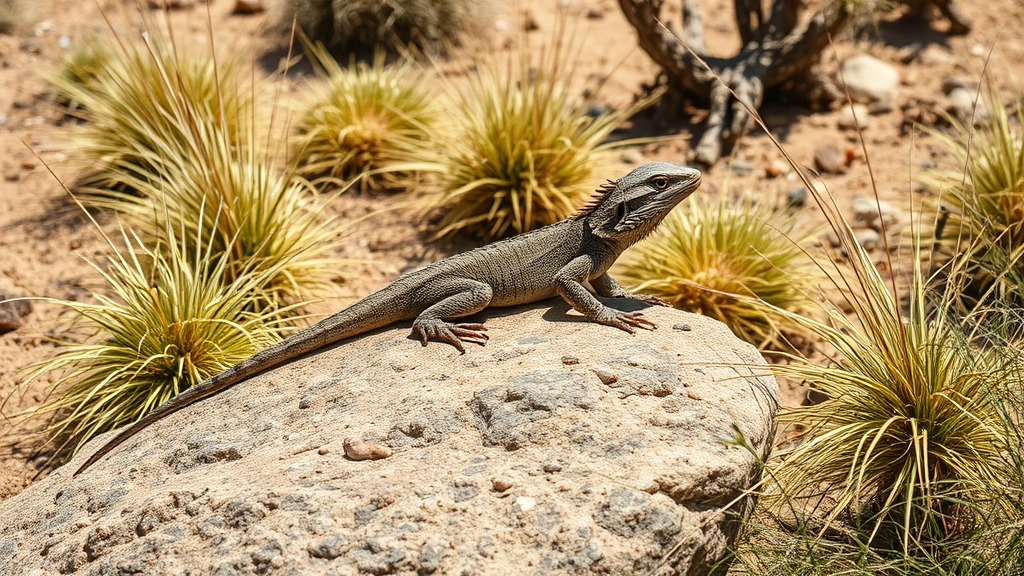
Bearded dragons evolved over millions of years in the arid and semi-arid regions of Australia, developing specialized physiological and behavioral adaptations that enable them to thrive in environments with extreme temperature fluctuations, limited water availability, and sparse vegetation. Their native habitat encompasses diverse ecological zones, including spinifex grasslands, open woodlands, and rocky outcrops where they occupy a distinct ecological niche as ambush predators and, conversely, as prey items for larger predators.
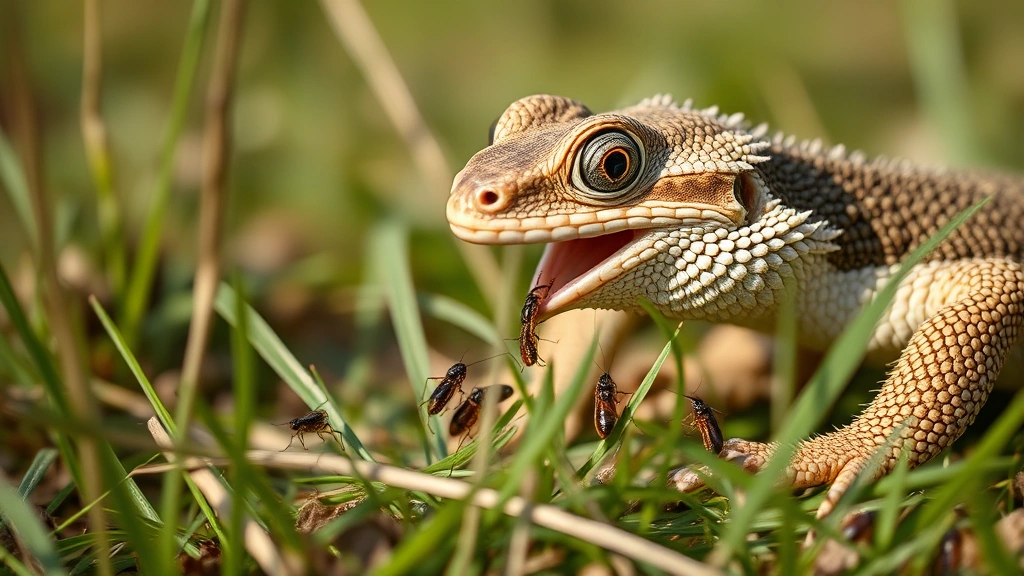
In their native Australian ecosystems, bearded dragons maintain ecological balance through their role as mesopredators—organisms that occupy an intermediate position in the food chain. They consume significant quantities of arthropods, particularly insects and arachnids, which helps regulate invertebrate populations and prevent pest outbreaks. Simultaneously, their presence as prey for larger carnivores including monitor lizards, snakes, and raptorial birds contributes to energy transfer up the trophic pyramid. This balanced relationship has developed over evolutionary timescales, with native predators and prey species exhibiting coevolved defensive and hunting strategies.
The Australian arid zone ecosystems where bearded dragons naturally occur are characterized by low productivity and high environmental variability. This means that population densities of most species remain relatively low, and the removal or addition of predators can have disproportionate effects on ecosystem structure. Understanding these native dynamics is essential for predicting how bearded dragons might behave if introduced into completely different ecological contexts, where their competitive abilities or predatory efficiency might be enhanced or diminished.

Predation Dynamics and Prey Population Effects
Bearded dragons are voracious predators with dietary flexibility that enables them to exploit diverse food sources depending on availability and life stage. Juvenile bearded dragons consume primarily insects, with a diet composition of approximately 80-90% arthropods, while adults gradually shift toward a more omnivorous diet incorporating vegetation, though animal matter remains nutritionally critical. This dietary plasticity represents both an ecological advantage and a potential threat to prey populations in non-native environments.
The predation pressure exerted by bearded dragons on arthropod populations can be quantified through ecological modeling and field observations. A single adult bearded dragon may consume hundreds of insects weekly, translating to thousands annually. In native Australian ecosystems, this predation is offset by reproductive rates of prey species and the presence of competing predators that limit bearded dragon population growth. However, when introduced into ecosystems lacking coevolved constraints, bearded dragons can impose unsustainable predation pressure on naive prey populations.
Particularly vulnerable are arthropod species with low reproductive rates, specialized habitat requirements, or limited dispersal abilities. Ground-nesting insects, arthropods in leaf litter, and slow-moving invertebrates lack behavioral or morphological defenses against bearded dragon predation. Research on invasive reptile impacts demonstrates that mesopredators introduced into novel environments frequently cause population declines in native arthropod communities, with cascading effects through food webs. These impacts extend beyond simple predator-prey dynamics, affecting pollination services, decomposition rates, and nutrient cycling—ecosystem services with quantifiable economic value.
Invasive Species Risks and Escape Events
The global pet trade has transformed bearded dragons from regionally endemic species into animals distributed across every inhabited continent. While most captive bearded dragons remain in controlled environments, escape events and intentional releases have created established populations in non-native regions. Australia itself has documented feral bearded dragon populations in areas outside their native range, suggesting that even within their native continent, human translocation creates ecological risks.
The invasion risk posed by bearded dragons varies dramatically by recipient ecosystem. Temperate regions with cold winters present significant barriers to population establishment, as bearded dragons require sustained warm temperatures for survival and reproduction. However, subtropical and tropical regions, particularly those with Mediterranean or semi-arid climates, provide suitable thermal conditions. Southern California, parts of Mediterranean Europe, and subtropical Asia represent regions where bearded dragon populations could potentially establish if escape events occurred.
Invasion biology research, synthesized through frameworks like the impacts humans have had on the environment, demonstrates that successful invasions depend on multiple factors: propagule pressure (number and frequency of introduction events), environmental matching between source and recipient habitats, and the presence or absence of natural enemies and competitors. Bearded dragons satisfy several invasion criteria: they reproduce readily in captivity, tolerate a range of environmental conditions, and lack natural enemies in most potential recipient ecosystems. The probability of invasion increases with the expanding global pet trade, estimated at over $100 billion annually.
Competition with Native Fauna
Beyond direct predation, bearded dragons compete with native fauna for limited resources including food, basking sites, and shelter. In their native Australian habitats, bearded dragons compete with other reptile species, particularly agamid lizards and other small to medium-sized predatory reptiles. These native competitors have evolved alongside bearded dragons, resulting in resource partitioning and niche differentiation that prevents competitive exclusion.
In non-native ecosystems, native lizards, skinks, and other small predatory vertebrates lack coevolved competitive strategies to exclude or limit bearded dragon populations. This competitive asymmetry can result in resource depletion that negatively affects native species. For example, if bearded dragons become established in Mediterranean ecosystems, they would compete with native lacertid lizards for arthropod prey and basking microhabitats. The larger body size and aggressive feeding behavior of bearded dragons might confer competitive advantages that native species cannot overcome.
Competition extends to microhabitat utilization. Bearded dragons require specific basking and shelter sites that provide appropriate thermal conditions and predator protection. If these microhabitats are limiting in recipient ecosystems, bearded dragon establishment could exclude native species from critical resources. This is particularly concerning in isolated habitats with endemic species, where competitive displacement could drive extinctions.
The economic valuation of competitive displacement involves assessing losses in ecosystem services and biodiversity value. Native species often provide pollination, pest control, and other ecosystem services that have been quantified by environmental economists. The replacement of native species by invasive competitors represents a loss of ecosystem service provision and genetic diversity, with costs that extend across multiple human generations.
Disease Transmission and Pathogenic Impacts
Bearded dragons can harbor diverse parasites and pathogens, including protozoan parasites, helminths, bacterial pathogens, and viruses. While captive bearded dragons are frequently screened and treated for parasites, wild or feral populations may maintain higher parasite loads. The introduction of bearded dragon-associated pathogens into naive native wildlife populations represents a significant ecological risk.
Particularly concerning are species-specific parasites that might spill over into native reptiles. For example, Cryptosporidium species and Coccidia parasites commonly found in bearded dragons can infect other reptile species. In native populations lacking immune resistance to these pathogens, spillover infection could cause population-level impacts. Historical examples of pathogenic spillover from introduced species include chytrid fungus in amphibians and snake fungal disease, both of which have caused dramatic population declines and regional extinctions.
Disease transmission risk is amplified in ecosystems with high reptile diversity and abundance. Tropical regions with diverse native reptile communities face greater spillover risks than temperate regions. The epidemiological dynamics of pathogenic spillover depend on factors including transmission mode, pathogen virulence, host susceptibility, and contact rates between bearded dragons and native reptiles. Modeling studies suggest that even moderate spillover rates can destabilize native reptile populations if they reduce reproductive success or survival rates.
Economic Implications of Ecosystem Disruption
The ecological impacts of bearded dragons translate directly into economic costs through multiple pathways. When invasive species disrupt ecosystem function, they reduce the flow of ecosystem services—benefits that humans derive from natural systems. These services include pollination, pest control, water purification, climate regulation, and nutrient cycling, each with quantifiable economic value.
Environmental economists use methods including contingent valuation, hedonic pricing, and replacement cost approaches to estimate ecosystem service values. Research from the World Bank and ecological economics literature indicates that arthropod-based ecosystem services—particularly pollination and pest control—generate trillions of dollars in annual economic value globally. If bearded dragon invasions reduce arthropod diversity or abundance, the economic losses could be substantial.
Additionally, control and eradication efforts for established invasive reptile populations impose direct economic costs. Successful invasive species management programs require sustained funding for monitoring, capture, and removal. The United Nations Environment Programme estimates that invasive species management costs governments billions annually. Preventing bearded dragon establishment through biosecurity measures represents a cost-effective alternative to post-invasion control.
The pet trade itself generates economic value, but this value must be weighed against potential ecological and economic costs of invasions. Cost-benefit analysis of the exotic pet trade reveals that private benefits to consumers and dealers are often much smaller than potential ecological costs borne by society. This represents a classic economic externality, where market prices fail to reflect true social costs.
Climate Change and Range Expansion
Climate change alters the geographic distribution of suitable habitat for bearded dragons and other species, with significant implications for invasion risk. As global temperatures increase, previously unsuitable regions become climatically suitable for bearded dragon establishment. Projections based on species distribution models suggest that suitable habitat for bearded dragons will expand poleward and to higher elevations, potentially encompassing regions currently considered safe from invasion.
The interaction between climate change and invasive species represents a critical challenge for conservation. Species that currently cannot establish in temperate regions due to cold winters may become invasive as minimum temperatures increase. This temporal dimension adds urgency to preventive measures and biosecurity protocols. Additionally, climate change may enhance bearded dragon competitive abilities relative to native species if it alters resource availability or thermal niches.
The economic implications of climate-driven range expansion are complex. Some regions may experience increased invasion risk, requiring enhanced management resources. Other regions may lose economic value from nature-based tourism if native species are displaced by invasive species. The aggregated economic impact across multiple regions and sectors could be substantial, potentially reaching billions of dollars over coming decades.
Conservation Strategies and Mitigation
Effective conservation strategies to minimize bearded dragon environmental impacts operate at multiple levels, from individual pet owner responsibility to international policy frameworks. Understanding human environment interaction dynamics is essential for designing interventions that reduce invasion risk while maintaining beneficial human activities.
At the individual level, responsible pet ownership practices minimize escape risk. This includes secure enclosures, escape-proof housing, and proper containment protocols. Educational campaigns targeting pet owners increase awareness of invasion risks and encourage compliance with best practices. Some jurisdictions have implemented permitting systems for exotic pet ownership that require demonstration of secure housing before animals can be legally purchased.
At the regional level, biosecurity protocols at borders and ports prevent the movement of bearded dragons and other exotic species into regions where they pose invasion risks. Inspection of shipments, quarantine procedures, and confiscation of illegally imported animals reduce propagule pressure. The effectiveness of these measures depends on adequate funding, trained personnel, and international cooperation.
At the global level, international agreements including the Convention on Biological Diversity and CITES (Convention on International Trade in Endangered Species) establish frameworks for managing invasive species and regulating wildlife trade. However, implementation remains inconsistent across countries, with varying levels of enforcement and compliance. Strengthening international cooperation on invasive species management requires political will and financial resources.
For regions where bearded dragons have already established, eradication or population control programs may be necessary. Early detection and rapid response programs can prevent population expansion before control becomes economically infeasible. Once populations are well-established, control options become limited and expensive. Some jurisdictions have successfully eradicated invasive reptile populations through intensive capture and removal efforts, though success requires sustained commitment and funding.
Research priorities for bearded dragon conservation include improved understanding of their ecological impacts in specific recipient ecosystems, development of more effective population monitoring methods, and identification of biological control agents or management techniques that minimize environmental impact. Collaborative research involving ecologists, economists, and policy makers can generate evidence-based recommendations for invasive species management.
The broader context of reducing human environmental impact extends beyond bearded dragons to encompass comprehensive strategies for sustainable living. Initiatives like reducing carbon footprint and adopting sustainable practices across consumer choices reflect broader recognition that human activities generate environmental externalities requiring mitigation. Similarly, transitioning to renewable energy systems and supporting local food production through community gardens demonstrate how individual and community-level actions can reduce environmental impact.
FAQ
Are bearded dragons currently invasive in any regions?
Established feral bearded dragon populations are rare globally. However, small populations have been documented in parts of Australia outside their native range, and individual escaped animals have been reported in various regions. The absence of widespread invasion likely reflects both limited escape events and the specific habitat requirements of bearded dragons. Continued vigilance is necessary to prevent population establishment in suitable regions.
What is the primary ecological threat posed by bearded dragons?
The primary threat varies by ecosystem but generally includes predation on native arthropods, competition with native predators for food and habitat, and potential disease transmission. In arthropod-rich ecosystems, predation impacts may be most significant. In reptile-rich ecosystems, competition and disease transmission may predominate.
Can bearded dragons survive in cold climates?
Bearded dragons require sustained warm temperatures (75-95°F) for normal activity and survival. They cannot overwinter outdoors in cold climates without supplemental heating. This thermal requirement currently limits invasion risk in temperate regions, though climate change may alter this situation over coming decades.
How can pet owners prevent bearded dragon escapes?
Secure enclosures with escape-proof construction, regular inspection for damage or gaps, secure locking mechanisms, and careful handling during cleaning or feeding reduce escape risk. Pet owners should also avoid releasing unwanted animals into the environment and instead contact local wildlife authorities or reptile rescues.
What role do international regulations play in preventing bearded dragon invasions?
CITES and other international agreements regulate wildlife trade, including bearded dragons. However, implementation varies across countries, and the pet trade remains substantial. Strengthening enforcement, increasing penalties for illegal trade, and promoting domestic breeding of captive-bred animals can reduce wild-caught imports and associated invasion risks.
How do bearded dragons compare to other invasive reptiles in terms of ecological impact?
Bearded dragons are generalist predators with moderate ecological impact potential. Other invasive reptiles, including Burmese pythons and various monitor lizards, have demonstrated more severe impacts in some ecosystems. The relative impact of bearded dragons depends heavily on recipient ecosystem characteristics and the presence of competing predators.


