Maya Economy: How Ecosystems Shaped Their Trade
The Maya civilization stands as one of history’s most sophisticated examples of how environmental systems directly shaped economic structures and trade networks. Spanning from approximately 2000 BCE to the Spanish conquest in the sixteenth century, the Maya developed complex commercial systems that were fundamentally rooted in the ecological characteristics of Mesoamerica. Rather than viewing their economy as separate from nature, the Maya integrated ecosystem services into every aspect of their trading practices, resource management, and wealth accumulation strategies.
The relationship between environment of the Maya civilization and their economy reveals critical insights for contemporary ecological economics. The Maya did not simply extract resources from their landscape; they engineered their environment through sophisticated agricultural techniques, water management systems, and forest management practices. These innovations created the surplus necessary for trade, specialization, and the development of urban centers. Understanding how the Maya economy functioned within ecological constraints offers valuable lessons about sustainable resource management and the interdependence between natural systems and economic prosperity.
This analysis examines how specific ecosystems—from tropical rainforests to wetlands and limestone plateaus—determined what goods the Maya could produce, where trade routes could develop, and how their economy ultimately thrived or declined based on environmental conditions. We’ll explore the commodities that drove their trade, the ecological foundations of their agriculture, and the sophisticated understanding the Maya possessed about managing their natural resources.
Tropical Ecosystems and Agricultural Production
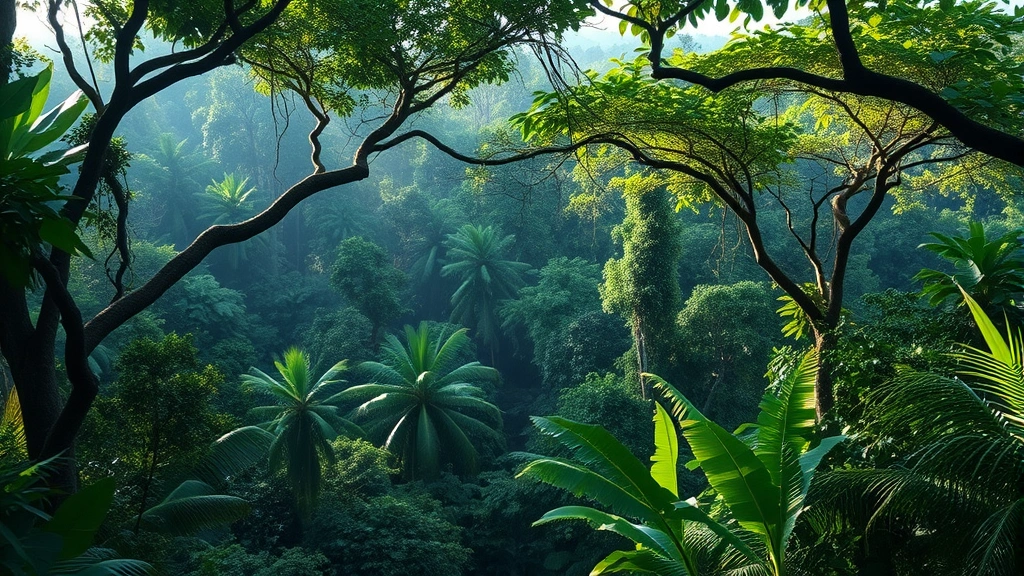
The Maya civilization emerged within one of Earth’s most biodiverse regions—the Mesoamerican tropical forest system. This ecosystem fundamentally determined the economic foundation of Maya society. The tropical climate, characterized by distinct wet and dry seasons, shaped agricultural strategies that became the backbone of their economy. Maize, beans, and squash—the “three sisters” agricultural complex—formed the primary economic base, but their cultivation was entirely dependent on understanding and manipulating the tropical environment.
The tropical soil structure of the Yucatan Peninsula and Central American lowlands presented both opportunities and challenges. Unlike temperate zones with naturally fertile soils, tropical soils are typically laterite-based with limited nutrient retention. The Maya addressed this ecological constraint through innovative agricultural techniques. Organic farming methods similar to traditional Maya practices demonstrate how working with ecosystem processes, rather than against them, creates sustainable agricultural systems. The Maya developed milpa agriculture—an intercropping system that mimicked forest structure and maintained soil fertility through nitrogen-fixing legumes and diverse plant associations.
This agricultural sophistication created economic surplus that enabled trade specialization. Farmers could produce more than subsistence needs, allowing some community members to specialize in crafts, administration, or long-distance trade. The tropical forest also provided complementary resources—cacao, vanilla, allspice, and other valuable crops—that became major trade commodities. Cacao, in particular, served both as currency and luxury good, with its value tied directly to the specific ecological conditions required for its cultivation in humid lowland regions.
Research from the World Bank’s forest economics programs demonstrates how tropical forest ecosystems provide essential services that underpin economic systems. The Maya economy similarly depended on forest provisioning services—timber, medicinal plants, game animals, and plant-derived materials—that complemented agricultural production and created diverse trade goods.
Forest Resources and Luxury Trade Goods
Beyond agriculture, the Maya economy relied heavily on forest extraction and processing. The tropical rainforest surrounding Maya settlements contained numerous species valued for trade and elite consumption. Hardwoods like mahogany and cedar were harvested for construction and shipbuilding, creating trade goods that moved along established routes. Copal resin, essential for religious ceremonies and valued throughout Mesoamerica, came exclusively from specific forest zones, making regions that controlled copal-producing areas economically powerful.
Jade, though not a forest product, was processed and traded within the context of forest-based economies. Jade sources in Guatemala required access through rainforest trade networks, connecting highland mining regions to lowland market centers. The economic control of jade trading routes generated significant wealth for merchant classes and elite administrators. Similarly, obsidian from highland volcanic regions traveled through Maya trade networks, with economic value directly linked to the effort required to transport it through challenging jungle terrain.
Feathers from tropical birds, particularly quetzal plumes, represented some of the most valuable trade goods in the Maya economy. The ecological specificity of quetzal habitat—cloud forests at specific elevations—meant that access to these birds provided enormous economic leverage for highland Maya communities. Feather working became a specialized craft, with artisans processing and combining feathers into elaborate headdresses and ceremonial objects that commanded high prices in elite markets.
The extraction of these forest resources required sophisticated ecological knowledge. The Maya understood sustainable harvesting practices, timing their collection to avoid depleting populations. This ecological management created consistent, renewable sources of trade goods—an early example of what modern ecological economics calls “natural capital management.” When colonial period overexploitation disrupted these systems, the economic consequences were severe.
” alt=”Dense tropical rainforest canopy with sunlight filtering through layers of vegetation, showing the biodiversity that sustained Maya trade economies”>
Water Systems and Trade Route Development
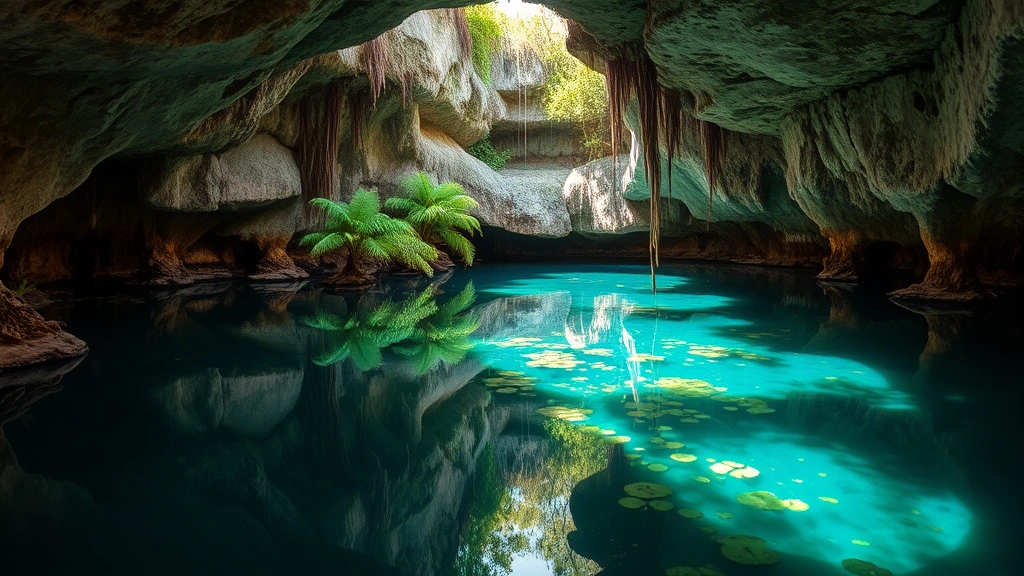
The physical geography of Maya territories was defined by water systems that shaped economic geography. The Yucatan Peninsula’s limestone geology created a unique hydrological system featuring cenotes (underground sinkholes providing access to groundwater), underground rivers, and seasonal wetlands called bajos. These water features determined where settlements could develop and where trade routes could be established.
Cenotes functioned as critical economic nodes. Communities controlling cenotes possessed reliable freshwater access in an otherwise water-scarce landscape, giving them significant economic advantage. This environmental advantage translated into political and commercial power. Major trade centers developed around cenote clusters, creating natural market locations where merchants from different regions could exchange goods. The economic geography of the Maya world was fundamentally shaped by hydrology.
The Rio Usumacinta and other river systems provided crucial trade corridors. These waterways enabled transport of heavy goods—stone, salt, and processed materials—that would be prohibitively expensive to move overland. River-based trade created economic specialization, with communities along rivers developing into trading hubs. Archaeological evidence reveals that Maya merchants understood these water routes intimately, timing trade voyages to seasonal water levels and monsoon patterns.
Wetland ecosystems, particularly the bajos of the Yucatan and the swamp forests of Belize, provided crucial resources. Fish, waterfowl, and aquatic plants from these ecosystems supplemented agricultural production and provided trade goods. Salt production from coastal wetlands and evaporative lagoons became a major trade commodity, with salt functioning as a valuable good for food preservation and religious purposes. The economic value of salt made salt-producing regions economically strategic.
Understanding how water systems shaped Maya trade reveals principles relevant to contemporary economic geography. As noted in research on UNEP’s water and economic impacts analysis, water access remains fundamental to economic development and trade patterns, even in modern economies.
Coastal and Maritime Commerce
Maya civilization extended to both Caribbean and Pacific coastal regions, creating maritime trade networks that dramatically expanded economic possibilities. Coastal settlements engaged in long-distance ocean trade, exchanging goods with distant communities and accessing marine resources unavailable inland. The Caribbean coast provided access to valuable marine products—shells, sea turtles, manatees, and reef fish—that became luxury trade goods for elite consumption.
Shell middens and archaeological deposits reveal the economic importance of marine resources. Shells, particularly conch and other mollusk shells, were processed into valuable items—cutting tools, ornaments, and musical instruments. The labor required to harvest, process, and transport shells to inland markets created economic value. Spondylus shells, rare and highly prized, commanded extraordinary prices and functioned as wealth markers for elite classes.
Coastal salt production created another major trade commodity. Evaporative salt ponds in coastal lagoons produced salt in quantities sufficient for trade to inland regions. The salt trade generated consistent economic value and created interdependence between coastal and inland communities. This ecological-economic specialization strengthened trade networks and created mutual dependence that stabilized commercial relationships.
Maritime trade also connected the Maya to broader Mesoamerican networks. Cacao from the Maya lowlands traveled by sea to Mexican highlands and coastal regions. Turquoise and other highland goods moved through Maya ports to Caribbean destinations. This maritime integration expanded the geographic scale of Maya commerce and created opportunities for merchant wealth accumulation.
Resource Specialization by Region
The diverse ecosystems within Maya territory created distinct regional economic specializations. Highland regions with volcanic soils and cloud forest ecosystems specialized in cacao, jade, and feather production. Lowland rainforest regions focused on timber, copal, and tropical forest products. Coastal areas specialized in salt, marine resources, and maritime trade. This ecological-based specialization created complementary regional economies that encouraged trade and economic integration.
The Petén region of Guatemala, with its dense rainforest and river systems, developed into a major timber and forest products trading center. Communities in this region controlled valuable trade routes through the jungle and managed forests for consistent production of valuable materials. The economic power of Petén communities derived directly from their control of forest resources and forest trade routes.
The northern Yucatan, with its limestone geology and cenote-based water systems, developed different economic specializations. Communities here engaged more intensively in salt production, obsidian trading, and long-distance merchant activities. The ecological differences between north and south created distinct economic strategies and encouraged inter-regional trade.
Highland Maya communities in the Chiapas and Guatemala highlands occupied cloud forest and volcanic ecosystems. These regions produced cacao, quetzal feathers, and highland agricultural products. The altitude-based ecological differences created distinct agricultural products that were highly valued by lowland communities, driving highland-lowland trade relationships.
This regional specialization created economic interdependence. No single region was entirely self-sufficient; each depended on trade with other regions for essential goods. This interdependence strengthened trade networks and created political relationships that transcended individual city-states. When environmental disruptions affected specific regions, the entire economic system experienced stress.
Environmental Constraints and Economic Collapse
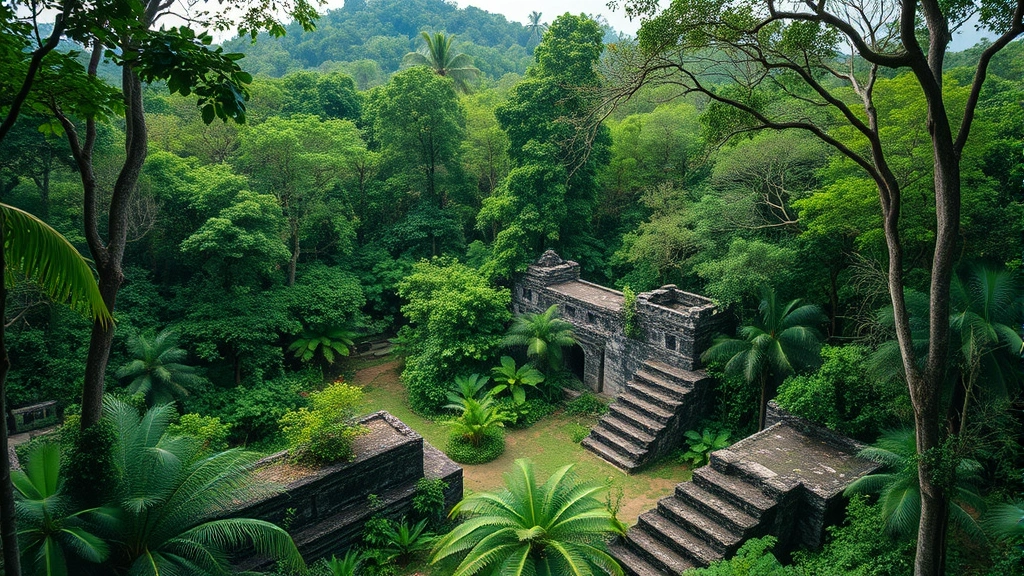
The relationship between Maya economy and environment ultimately demonstrates how ecological constraints limit economic systems. The Late Classic Maya collapse (approximately 800-950 CE) resulted from complex interactions between environmental stress and economic systems. Prolonged droughts disrupted agricultural production, reducing the surplus necessary for trade, craft specialization, and urban maintenance.
Paleoclimate research reveals that the Maya experienced extended dry periods during the Classic collapse. These droughts affected water availability in cenotes and reduced agricultural yields. The economic consequences were severe: reduced trade goods, inability to maintain craft specialists and administrators, and eventual abandonment of major urban centers. This collapse demonstrates that even sophisticated economies cannot indefinitely exceed environmental carrying capacity.
Soil degradation from intensive agriculture also contributed to economic stress. While Maya agricultural techniques were generally sustainable, concentrated populations in certain regions exceeded local ecological carrying capacity. Deforestation for agricultural expansion and construction reduced forest resources, limiting the availability of trade goods. As forest products became scarcer, their economic value increased, but availability declined, disrupting trade networks.
The Maya collapse provides crucial lessons for contemporary ecological economics. It demonstrates that economic systems must operate within environmental constraints. Technological sophistication and organizational complexity cannot overcome fundamental ecological limits. The sophisticated Maya economy ultimately depended on reliable environmental conditions that climate change disrupted.
” alt=”Ancient Maya stone structures partially reclaimed by overgrown vegetation and forest, showing environmental succession after settlement abandonment”>
Ecological Engineering for Economic Surplus
The most sophisticated aspect of Maya economic-environmental integration was their active engineering of ecosystems to enhance productivity and create surplus. Rather than simply harvesting natural products, the Maya modified their landscape to increase production of valuable goods. This ecological engineering created the economic surplus necessary for civilization.
Milpa agriculture represents the most significant example. By combining maize, beans, and squash in specific spatial arrangements that mimicked natural forest structure, the Maya created agricultural systems with yields far exceeding simple monoculture. The system maintained soil fertility, conserved water, and provided diverse products. This agricultural innovation directly enabled economic specialization by reliably producing surplus grain.
Water management systems demonstrate similar ecological engineering for economic benefit. The Maya constructed reservoirs, canals, and water distribution systems that enhanced agricultural productivity during dry seasons. These systems required significant labor investment but created reliable water supplies that enabled consistent agricultural production and supported larger populations. The economic value of enhanced agricultural production justified the investment in water infrastructure.
Forest management practices show sophisticated understanding of how to enhance forest productivity for economic purposes. Archaeological evidence suggests the Maya actively managed forests to increase production of valuable species like cacao, copal, and fruit trees. By selectively removing competing vegetation and protecting valuable species, they created managed forest ecosystems that produced more valuable goods than unmanaged forest. This represents early agroforestry—an economically and ecologically sophisticated land management strategy.
Terracing and soil conservation techniques prevented erosion and maintained soil fertility on sloped terrain. These practices enabled agricultural expansion into marginal lands and sustained productivity on existing agricultural land. The labor investment in terracing created long-term economic benefits through enhanced agricultural productivity.
These ecological engineering practices reveal that Maya economic success depended on active environmental management. They understood that economic productivity required investment in maintaining and enhancing ecosystem services. This integration of economic activity with ecological management created resilient systems that sustained civilization for centuries.
Contemporary ecological economics increasingly recognizes the value of similar approaches. Understanding how human activities affect natural systems and finding ways to work with ecological processes, rather than against them, represents the frontier of sustainable economic development. The Maya demonstrated these principles centuries before modern ecological science formalized them.
FAQ
How did the environment of the Maya civilization directly influence their economic activities?
The specific ecosystems surrounding Maya settlements determined what resources they could produce and trade. Tropical forest regions produced timber, copal, and forest products; highland areas produced cacao and feathers; coastal zones specialized in salt and marine resources. These ecological differences created regional specialization that drove long-distance trade networks. Water availability through cenotes and rivers determined settlement locations and trade route development. Agricultural productivity depended entirely on understanding and managing tropical ecosystems through techniques like milpa agriculture. Without these ecological foundations, the Maya economy could not have developed.
What were the most valuable trade goods in the Maya economy, and where did they come from?
Cacao from lowland tropical forests, jade from highland Guatemala, obsidian from volcanic regions, feathers from cloud forest quetzals, copal resin from specific forest zones, salt from coastal lagoons, and timber from rainforests represented major trade commodities. Each emerged from specific ecosystems, meaning control over particular regions provided economic advantage. The geographic distribution of these resources created interdependence between regions and encouraged trade networks.
How did water systems shape Maya economic geography?
Cenotes in the Yucatan provided reliable freshwater access in otherwise water-scarce regions, making communities controlling cenotes economically powerful. Rivers like the Rio Usumacinta created natural trade corridors for transporting heavy goods. Wetland ecosystems provided fish, waterfowl, and salt. The location of water features determined where settlements developed and where trade centers emerged. Maya economic geography was fundamentally organized around water availability.
What role did natural ecosystem management play in Maya economic productivity?
The Maya actively managed ecosystems to enhance economic productivity. Milpa agriculture, forest management to increase valuable species production, water systems for agricultural enhancement, and terracing for soil conservation all represent ecological engineering for economic benefit. These practices created reliable surplus production that enabled trade, craft specialization, and urban development. The Maya understood that economic productivity required investment in maintaining ecosystem services.
How did the Maya collapse relate to environmental constraints on their economy?
Extended droughts during the Late Classic period disrupted water availability and reduced agricultural production. This eliminated the economic surplus necessary for trade, craft specialists, and administrators. Soil degradation from intensive agriculture in some regions reduced productivity. Deforestation limited forest product availability. These environmental stresses demonstrated that even sophisticated economies cannot indefinitely exceed ecological carrying capacity. The collapse illustrates fundamental connections between environmental conditions and economic viability.
What lessons from the Maya economy apply to contemporary sustainable economics?
The Maya demonstrated that economic systems must operate within environmental constraints. Their integration of ecological management with economic activity shows that productivity and sustainability can align. Their regional specialization based on ecological differences created trade networks that encouraged cooperation. However, their eventual collapse reminds us that technological sophistication cannot overcome fundamental environmental limits. Contemporary economic systems face similar challenges of operating sustainably within ecological constraints.


