Degrading the Environment: Economic Costs Explored
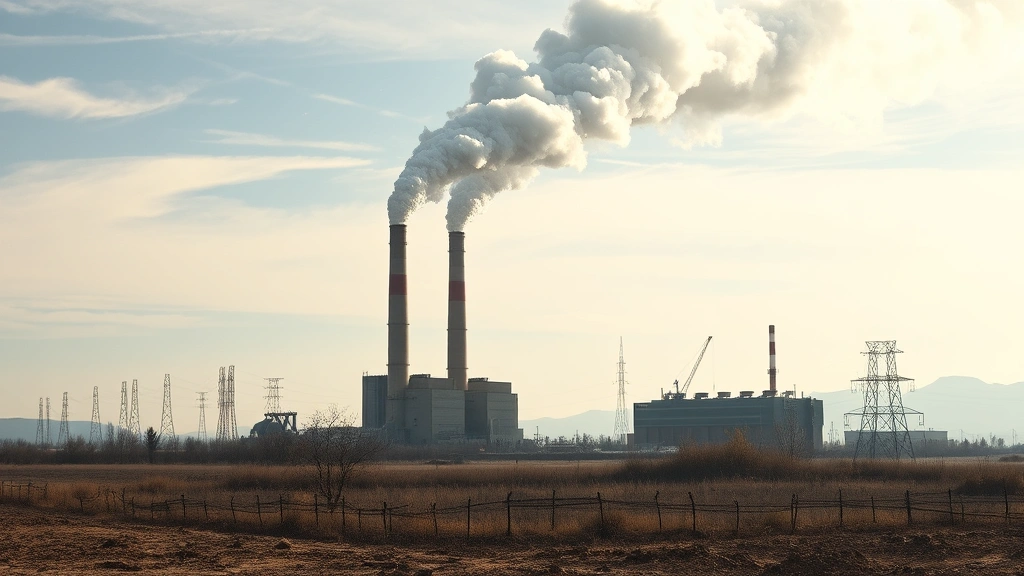
Environmental degradation represents one of the most significant economic challenges of our time, yet its true financial burden remains underestimated in traditional economic accounting. When we examine the true cost of degrading the environment, we discover a paradox: activities that appear economically profitable in the short term often generate staggering hidden costs that undermine long-term economic stability and prosperity. These externalities—unpriced environmental damages—distort market signals and perpetuate unsustainable practices across industries.
The economic consequences of environmental degradation extend far beyond simple pollution metrics. They infiltrate supply chains, reduce productivity, trigger health crises, and destabilize entire economic sectors. From agricultural collapse due to soil degradation to infrastructure damage from climate impacts, the financial toll accumulates silently across balance sheets that fail to account for natural capital depletion. Understanding these economic costs is essential for policymakers, investors, and citizens who seek to build resilient economies aligned with ecological reality.
Quantifying Hidden Environmental Costs
The world’s environmental degradation costs approximately 5-10% of global GDP annually, according to estimates from leading ecological economics institutions. This staggering figure encompasses air pollution damages, water contamination, deforestation, soil erosion, and biodiversity loss. Yet most conventional economic measurements exclude these costs entirely, creating a dangerous disconnect between reported economic growth and actual wealth creation.
Consider air pollution alone: the World Health Organization estimates that outdoor and indoor air pollution causes approximately 7 million premature deaths annually, with associated economic losses exceeding $2.4 trillion yearly. These costs manifest through healthcare expenditures, lost working hours, reduced agricultural yields, and diminished human capital. When we incorporate these figures into GDP calculations—a practice called “green accounting”—many nations show declining or stagnant wealth despite reported economic growth.
Water degradation presents equally serious economic consequences. Contaminated water supplies force nations to invest billions in treatment infrastructure while reducing industrial productivity and agricultural output. Groundwater depletion in major agricultural regions like the Indus Valley and North China Plain threatens food security and economic stability for billions of people. The economic costs of degrading freshwater systems include lost fisheries revenues, reduced hydroelectric generation, and increased water acquisition expenses.
Deforestation exemplifies how environmental degradation generates cascading economic costs. Beyond timber revenue losses, forest destruction eliminates carbon sequestration services, triggers erosion and flooding, reduces rainfall patterns, and destroys pharmaceutical and agricultural genetic resources. The economic value of forest ecosystem services—carbon storage, water filtration, biodiversity preservation, climate regulation—far exceeds the short-term profits from timber extraction and land conversion, yet markets consistently fail to price these values.
Ecosystem Services and Economic Value
Ecosystem services represent the tangible economic benefits that natural systems provide to human economies. These services generate trillions in annual economic value yet remain largely invisible in market transactions and national accounts. Understanding their economic significance reveals why degrading the environment imposes catastrophic costs on human societies.
Pollination services, provided primarily by wild and managed bees, generate approximately $200-300 billion in annual global agricultural value. Declining pollinator populations due to pesticide use, habitat loss, and climate change directly threaten crop yields and food security. European nations have documented significant agricultural productivity losses correlating with pollinator population declines, yet few agricultural pricing models incorporate pollination service values.
Water purification services provided by wetlands, forests, and aquifers represent enormous economic value. Natural filtration systems eliminate the need for expensive water treatment infrastructure. Wetland destruction forces municipalities to construct artificial treatment facilities costing billions while delivering inferior results. The economic case for wetland preservation becomes overwhelming when calculating avoided treatment costs.
Climate regulation through carbon sequestration represents perhaps the most economically significant ecosystem service. Forests, wetlands, grasslands, and ocean ecosystems absorb approximately 50% of anthropogenic carbon emissions annually. The economic value of this service—calculated at carbon market prices—exceeds $500 billion annually. Degrading these ecosystems not only eliminates this service but converts them into carbon sources, doubling the negative economic impact.
Genetic resources preserved within biodiverse ecosystems generate pharmaceutical and agricultural innovations worth hundreds of billions annually. Approximately 25% of modern pharmaceuticals derive from tropical forest plants, yet less than 1% of tropical plant species have been screened for medicinal properties. Degrading biodiversity eliminates future economic opportunities while destroying current pharmaceutical supply chains dependent on natural compounds.
Nutrient cycling services provided by soil organisms, decomposers, and biogeochemical processes enable agricultural productivity. Soil degradation reduces these services, requiring increasing chemical inputs to maintain yields. The global agricultural sector spends approximately $200 billion annually on synthetic fertilizers—a cost that would be unnecessary if natural nutrient cycling remained intact. Additionally, synthetic fertilizer production generates significant carbon emissions, creating cascading climate costs.
Sectoral Economic Impacts
Environmental degradation creates sector-specific economic vulnerabilities that threaten entire industries and regional economies.
Agriculture and Food Security: Soil degradation affects approximately 33% of global agricultural land, reducing productivity and requiring compensatory intensification. This drives increased fertilizer and pesticide inputs, raising production costs while degrading soil further. Water scarcity in major agricultural regions threatens crop yields, with some projections indicating 20-50% yield reductions in vulnerable areas by 2050. The economic costs manifest through food price volatility, reduced farmer incomes, and increased agricultural trade dependencies.
Fisheries and Aquaculture: Ocean degradation through overfishing, acidification, and warming waters threatens economic viability of fisheries supporting 3 billion people. Global fish catch stagnation despite increased fishing effort indicates ecosystem collapse dynamics. The economic consequences include reduced protein availability, lost employment in fishing communities, and increased seafood prices. Aquaculture expansion, often driven by wild fishery decline, creates new environmental costs through water pollution and disease transmission to wild populations.
Tourism and Recreation: Environmental degradation directly reduces tourism revenues through coral bleaching, water quality decline, and biodiversity loss. Coastal tourism economies worth hundreds of billions annually face existential threats from ocean acidification and warming. Mountain tourism dependent on snow and alpine ecosystems suffers from climate change impacts. These economic losses cascade through hospitality, transportation, and service sectors.
Energy and Infrastructure: Environmental degradation increases infrastructure costs through flooding, erosion, and climate extremes. Energy generation faces challenges from water scarcity affecting hydroelectric and thermal generation. Renewable energy infrastructure vulnerability to extreme weather increases maintenance and replacement costs. Grid reliability deteriorates as climate impacts increase frequency of infrastructure failure.
Insurance and Financial Services: Environmental degradation increases insurance claim frequencies and severity, driving premium increases and market withdrawal from vulnerable regions. Uninsurable climate risks create financial instability and reduce property values in affected areas. Stranded assets from climate impacts impose losses on financial institutions holding carbon-intensive investments.
Connecting these impacts to broader economic resilience, exploring how to reduce carbon footprint across sectors becomes economically rational rather than merely environmental virtue.
Health and Labor Productivity Losses
Environmental degradation imposes massive health costs that reduce economic productivity through multiple pathways. Air pollution causes respiratory diseases, cardiovascular conditions, and premature mortality, generating healthcare costs and lost working hours. The World Bank estimates that air pollution costs developing nations 4-6% of GDP through health impacts and lost productivity.
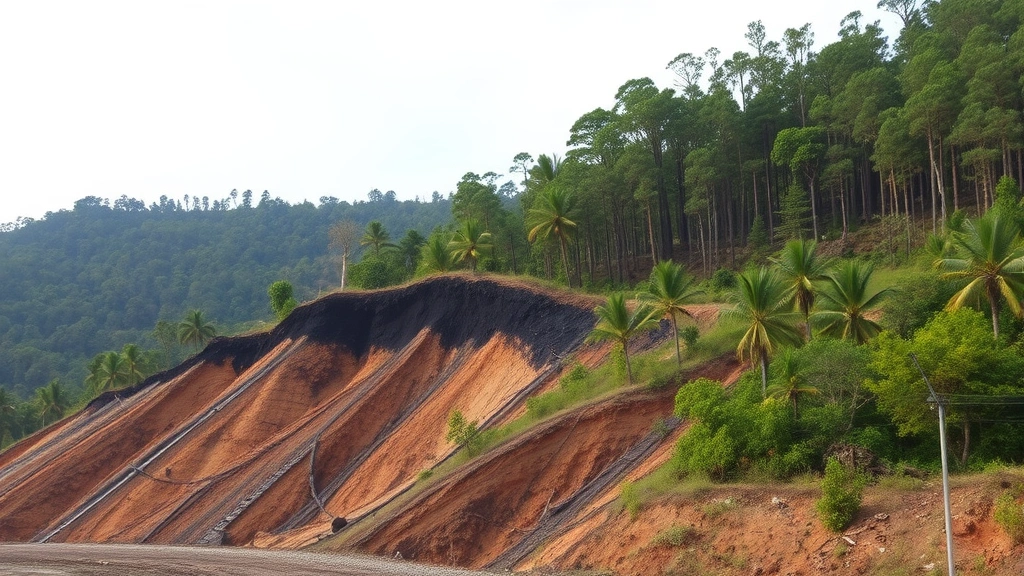
Water contamination triggers disease outbreaks, nutritional deficiencies, and chronic health conditions. Waterborne diseases cost developing nations billions in treatment expenses and productivity losses. Heavy metal contamination from mining and industrial activity causes neurological damage, particularly in children, reducing cognitive development and future earning potential.
Chemical pollution from pesticides and industrial processes causes cancer, reproductive disorders, and developmental problems. The economic costs of these health impacts include medical treatment, disability compensation, and reduced lifetime earnings. Occupational exposure to environmental hazards imposes workers’ compensation costs and reduces labor force participation.
Heat stress from climate change reduces labor productivity, particularly in outdoor industries like agriculture, construction, and manufacturing. Studies document 5-15% productivity reductions during heat waves, with greater impacts in developing nations lacking air conditioning infrastructure. These productivity losses accumulate across millions of workers, generating billions in lost economic output.
Mental health impacts from environmental degradation—anxiety, depression, and stress-related conditions—impose additional healthcare costs and productivity losses. Psychological impacts of natural disasters, resource scarcity, and environmental loss create long-term health consequences affecting entire populations.
Climate Change and Economic Disruption
Climate change represents the most economically significant consequence of environmental degradation, imposing costs across all economic sectors and geographies. The Stern Review estimated that unmitigated climate change could reduce global GDP by 5-20% permanently, while climate action costs approximately 1% of global GDP annually.
Agricultural disruption from changing precipitation patterns, temperature extremes, and pest range expansion threatens global food security and rural economies. Crop yield variability increases production costs through crop insurance premiums and adaptive management requirements. Water scarcity in agricultural regions forces irrigation investment and crop switching, reducing profitability and land values.
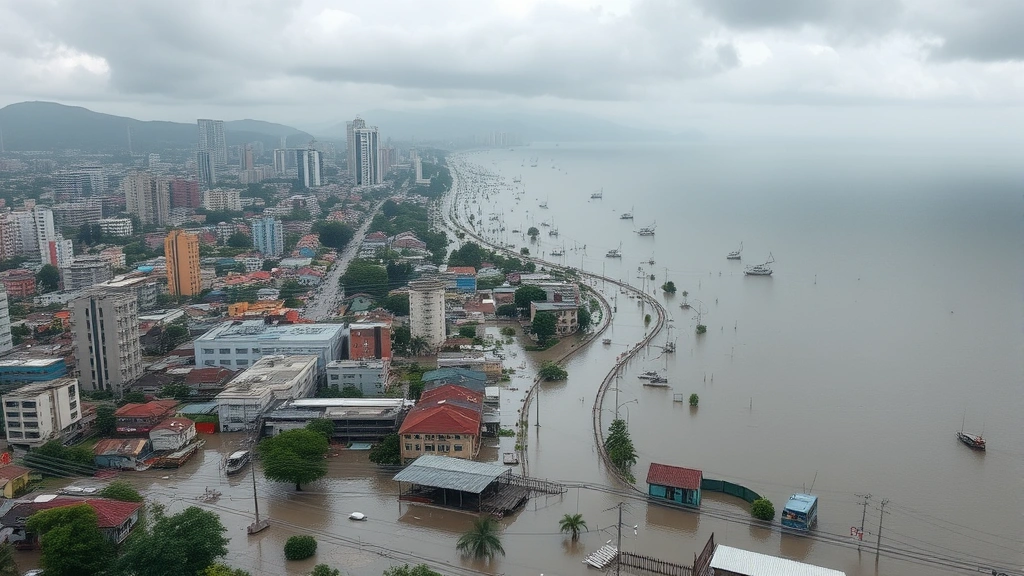
Sea level rise threatens coastal cities and infrastructure representing trillions in economic value. Small island nations face existential economic collapse as agricultural land becomes saline and tourism infrastructure becomes unusable. Major coastal cities including New York, London, Tokyo, and Shanghai face infrastructure damage costs exceeding hundreds of billions annually by mid-century.
Extreme weather events—hurricanes, floods, droughts—generate direct damage costs exceeding $100 billion annually and increasing exponentially. Insurance markets struggle to price these risks accurately, creating financial instability. Disaster recovery diverts government resources from productive investment, reducing long-term growth rates.
Ecosystem collapse from climate stress triggers economic cascades through supply chain disruption and resource scarcity. Coral reef destruction eliminates fisheries and tourism revenue for island economies. Arctic ice loss disrupts marine ecosystems supporting fishing industries. Forest dieback reduces carbon sequestration while potentially triggering runaway climate feedback loops.
Environmental Valuation Methods
Quantifying environmental costs requires sophisticated valuation methodologies that translate ecological impacts into economic units. Several approaches enable economists to price environmental degradation and incorporate these costs into decision-making frameworks.
Market Valuation: Direct market prices reveal environmental values when markets exist for environmental goods. Timber prices reflect forest values; fish prices reflect fishery values; water prices reflect water scarcity. However, market prices often underestimate true environmental values because they exclude non-market benefits like carbon sequestration and existence values.
Hedonic Pricing: Property value analysis reveals how environmental quality affects real estate prices. Studies consistently demonstrate that properties near clean water, forests, and parks command 5-20% premiums over comparable properties in degraded areas. These price differentials reveal implicit environmental valuations embedded in market transactions.
Contingent Valuation: Survey-based methods ask individuals their willingness to pay for environmental preservation or willingness to accept compensation for environmental loss. While controversial regarding reliability, contingent valuation captures non-use values including existence value and bequest value—the value individuals place on environmental preservation for future generations.
Replacement Cost Methods: Calculating the cost of replacing ecosystem services with technological alternatives reveals environmental values. Constructed wetlands replacing natural wetlands, artificial pollination replacing bee services, and water treatment plants replacing natural filtration systems all demonstrate that ecosystem services command substantial economic value.
Damage Cost Avoidance: Calculating costs avoided through environmental preservation reveals environmental values. Forest preservation avoiding erosion damage, wetland preservation avoiding flood damage, and coral reef preservation avoiding storm surge damage all generate quantifiable economic benefits.
Carbon Pricing: Carbon markets and shadow carbon prices enable valuation of climate impacts. At carbon prices of $50-200 per ton, forest carbon storage becomes economically valuable. This methodology reveals that forest preservation generates greater economic value through carbon sequestration than through timber extraction.
These valuation methods demonstrate that environmental degradation imposes massive economic costs that conventional accounting systematically ignores. Incorporating environmental costs into economic decision-making fundamentally changes cost-benefit analyses and investment decisions.
Policy Solutions and Economic Transition
Addressing environmental degradation requires policy frameworks that internalize environmental costs into market prices and economic decision-making. Multiple policy approaches enable economic transition toward sustainability.
Carbon Pricing: Carbon taxes and cap-and-trade systems price greenhouse gas emissions, creating economic incentives for emissions reduction. Carbon pricing transforms renewable energy and energy efficiency from costly environmental measures into economically optimal investments. Evidence from carbon pricing jurisdictions demonstrates emissions reductions of 5-15% following implementation, with manageable economic impacts.
Environmental Taxation: Taxes on pollution, resource extraction, and environmental damage internalize external costs into product prices. Pollution taxes reduce emissions, resource extraction taxes encourage conservation, and waste taxes incentivize circular economy adoption. Tax revenue can fund environmental restoration or reduce distortionary income taxes, generating double dividends.
Subsidy Reform: Eliminating subsidies for environmentally damaging activities—fossil fuels, industrial agriculture, overfishing—reduces market distortions and environmental degradation. Global fossil fuel subsidies exceed $500 billion annually, artificially reducing energy prices and encouraging excessive consumption. Subsidy elimination improves fiscal balances while reducing environmental degradation.
Natural Capital Accounting: Incorporating environmental assets into national accounting systems—practiced by World Bank initiatives on environmental economics—reveals true wealth changes and guides sustainable development. Green GDP accounting demonstrates that many nations experience declining wealth despite rising conventional GDP.
Protected Areas and Conservation: Establishing protected areas preserves ecosystem services and biodiversity while supporting sustainable livelihoods. Conservation programs generate employment in ecotourism, ecosystem management, and restoration work. Research indicates that protected area benefits—through ecosystem services, tourism, and climate resilience—exceed costs by 5-15 times.
Renewable Energy Transition: Accelerating renewable energy deployment reduces fossil fuel dependence and associated environmental costs. Renewable energy costs have declined 80-90% over two decades, making clean energy economically competitive. Exploring renewable energy for homes demonstrates household-level economic opportunities in clean energy transition.
Circular Economy Adoption: Transitioning from linear extraction-production-waste models to circular systems reduces resource depletion and pollution. Circular economy businesses demonstrate 15-30% cost reductions through waste elimination and material efficiency. These economic benefits align with environmental protection, creating win-win opportunities.
Sustainable Agriculture: Transitioning to regenerative agriculture practices reduces environmental degradation while improving long-term productivity. Practices like crop rotation, cover cropping, and agroforestry reduce input costs while building soil health. Understanding benefits of eating organic food connects consumer choices to agricultural sustainability.
Green Finance: Directing investment capital toward sustainable enterprises and away from environmentally destructive activities accelerates transition. Green bonds, sustainability-linked loans, and environmental investment funds mobilize capital for environmental solutions. Evidence indicates that sustainable investments deliver competitive financial returns while reducing environmental risk exposure.
Implementing these policies requires overcoming political barriers and short-term adjustment costs. However, economic analyses consistently demonstrate that policy action costs substantially less than inaction, making environmental protection economically rational.
FAQ
What percentage of global GDP does environmental degradation cost?
Environmental degradation costs approximately 5-10% of global GDP annually, though estimates vary based on methodology. The World Bank estimates $4.5-5.5 trillion in annual ecosystem service losses. These costs include health impacts, productivity losses, natural disaster damages, and ecosystem service depletion. Regional variations are significant, with developing nations bearing disproportionate costs—up to 15% of GDP in some African and Asian nations.
How do environmental costs differ between developed and developing nations?
Developing nations bear disproportionate environmental degradation costs relative to their GDP due to economic dependence on natural resources, limited adaptation capacity, and geographic vulnerability to climate impacts. Developed nations import environmental costs through supply chains and outsourced production while accumulating wealth. This creates global injustice where nations least responsible for environmental degradation bear highest costs.
Can environmental restoration generate positive economic returns?
Yes, environmental restoration consistently generates positive economic returns exceeding investment costs. Studies document that restoration benefits—ecosystem services, tourism, productivity improvements—exceed costs by 5-15 times over 20-30 year periods. Mangrove restoration, wetland reconstruction, and forest regeneration projects demonstrate strong economic returns alongside environmental benefits.
How do carbon pricing mechanisms work economically?
Carbon pricing internalizes climate costs into energy prices, making clean energy economically competitive. Carbon taxes directly price emissions, while cap-and-trade systems create tradeable emission permits. Both mechanisms create economic incentives for emissions reduction by making pollution costly. Evidence from carbon pricing regions shows 5-15% emissions reductions with minimal economic disruption.
What role does sustainable agriculture play in reducing environmental costs?
Sustainable agriculture reduces environmental degradation costs through reduced chemical inputs, improved soil health, and enhanced water retention. These practices lower input costs while improving long-term productivity and resilience. Regenerative agriculture can sequester carbon, generating additional climate benefits and potential carbon credit revenue. Connecting sustainable food choices through how to start a community garden demonstrates household-level participation in agricultural sustainability.
How does biodiversity loss translate into economic costs?
Biodiversity loss reduces ecosystem resilience, eliminates pharmaceutical and agricultural genetic resources, and degrades ecosystem services. Economic costs include lost pollination services, reduced disease resistance in crops, and pharmaceutical innovation limitations. Estimates suggest that biodiversity loss costs $250-500 billion annually through ecosystem service degradation and lost future opportunities.
What are stranded assets and how do they affect economies?
Stranded assets are investments that become economically unviable due to environmental or climate factors. Fossil fuel reserves that must remain unburned due to climate commitments, coal plants that become unprofitable due to renewable competition, and coastal properties threatened by sea level rise all represent stranded assets. Trillions in stranded assets threaten financial stability and require economic transition planning.
How can businesses integrate environmental costs into decision-making?
Businesses can calculate true cost accounting incorporating environmental impacts, implement environmental management systems, adopt circular economy principles, and invest in clean technology. Companies practicing these approaches demonstrate improved financial performance through reduced material costs, enhanced reputation, and reduced regulatory risk. Sustainable business practices align economic performance with environmental protection.


