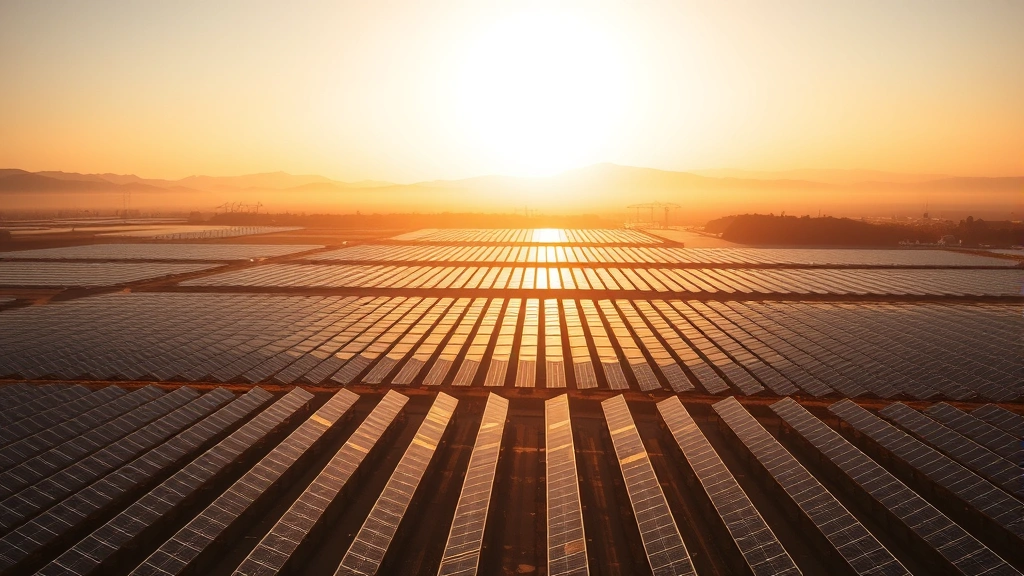
Can Green Economy Boost Growth? Analyst Insights on Natural Capital and Economic Expansion
The intersection of ecological sustainability and economic growth has become one of the most contested debates in contemporary policy discourse. For decades, conventional economic theory positioned environmental protection and GDP expansion as competing objectives—a zero-sum game where nations must choose between prosperity and planetary health. However, emerging evidence from leading economists, international institutions, and empirical case studies increasingly suggests that this dichotomy is fundamentally flawed. A well-designed green economy can simultaneously generate robust economic growth while restoring natural systems that underpin all human prosperity.
Recent analysis from the World Bank and United Nations Environment Programme demonstrates that transitioning toward sustainable economic models creates measurable returns on investment. Nations investing in renewable infrastructure, circular economy principles, and ecosystem restoration are experiencing accelerated job creation, enhanced productivity, and improved resilience against climate-related economic shocks. This article examines the mechanisms through which ecological stewardship drives economic dynamism, explores real-world examples of green growth success, and addresses persistent skepticism about the viability of sustainable expansion.
Understanding this transformation requires moving beyond simplistic narratives. The green economy represents not merely environmental altruism but rational economic optimization—recognizing that natural capital depreciation imposes enormous hidden costs on societies that conventional GDP metrics systematically undercount.
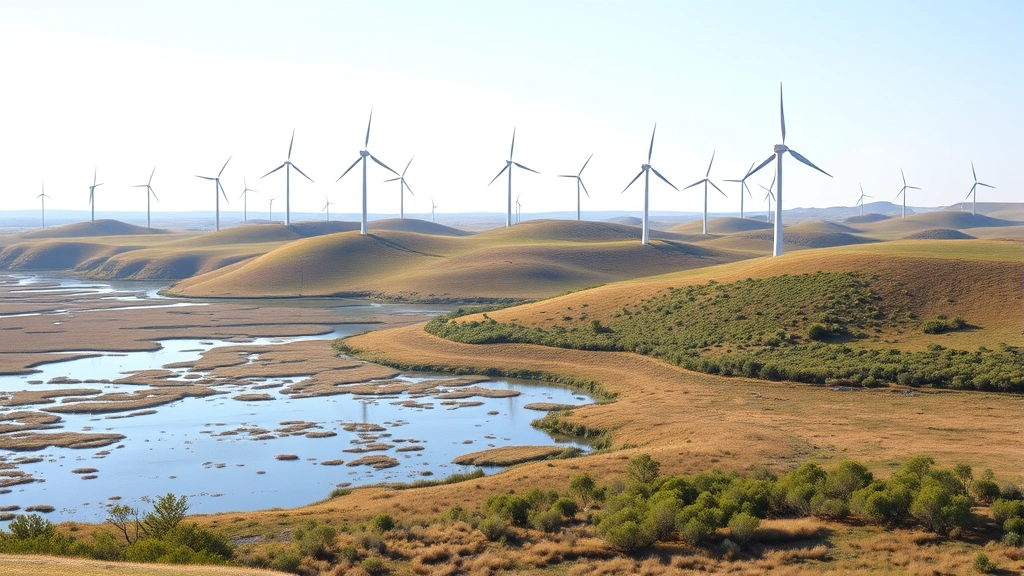
Redefining Growth Through Natural Capital Accounting
Traditional GDP calculations treat the natural world as an unlimited input source with negligible economic value. Forests are assigned zero worth until harvested; fisheries register no loss until stocks collapse; atmospheric carbon dioxide absorption capacity appears costless until climate damages materialize. This accounting framework creates perverse incentives where environmental destruction appears economically rational.
Ecological economics—a subdiscipline gaining prominence among policymakers—fundamentally reframes this analysis. Natural capital encompasses renewable resources (forests, fisheries, agricultural soils), non-renewable resources (minerals, fossil fuels), and ecosystem services (pollination, water filtration, climate regulation, carbon sequestration). When properly valued, these assets represent trillions of dollars in annual economic contributions. The World Bank’s natural capital accounting initiative reveals that many developing nations possess natural capital stocks exceeding their human-made capital by multiples—yet this wealth remains invisible in conventional economic reporting.
Costa Rica exemplifies this principle in practice. By implementing payment-for-ecosystem-services programs, the nation transformed forest conservation into a revenue-generating sector. Between 1987 and 2015, forest cover increased from 25% to over 50% of national territory while maintaining consistent GDP growth averaging 4% annually. This wasn’t coincidental; restored forests enhanced water security for hydroelectric generation (providing 99% of electricity in some years), increased tourism revenue, and protected agricultural productivity through pollination services and watershed protection.
Nations adopting comprehensive natural capital accounting—including Australia, Indonesia, and several European states—consistently discover that green investments deliver superior economic returns compared to extractive alternatives when full environmental costs are internalized. This reframing doesn’t eliminate growth; it redirects growth toward sustainable pathways.
The measurement revolution extends to corporate accounting. Integrated reporting frameworks now require major corporations to disclose natural capital dependencies and environmental liabilities. This transparency reveals that companies treating ecological assets as free inputs face hidden systemic risks—supply chain vulnerabilities, regulatory exposure, and stranded assets in carbon-intensive sectors. First-movers adopting circular economy principles and ecological restoration gain competitive advantages through operational efficiency and investor confidence.
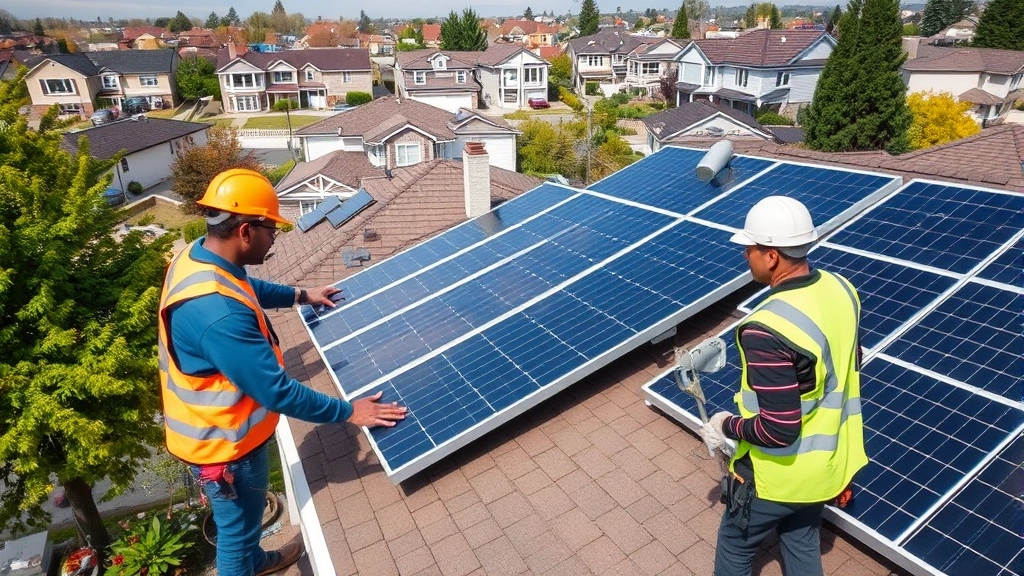
Job Creation and Innovation in Green Sectors
One of the most compelling arguments for green economy transition is employment generation. Renewable energy, energy efficiency retrofitting, sustainable agriculture, ecosystem restoration, and circular manufacturing are inherently labor-intensive compared to fossil fuel extraction and linear production models.
Global renewable energy employment reached 12.7 million jobs in 2021, according to International Renewable Energy Agency data, with solar photovoltaic installation alone employing more workers than coal mining globally. Unlike fossil fuel sectors—which concentrate employment in extraction, processing, and transportation—renewable industries create distributed, localized job opportunities across manufacturing, installation, maintenance, and grid integration. This geographic distribution strengthens rural economies and reduces urban unemployment concentration.
Energy efficiency retrofitting represents an underutilized employment frontier. Improving building insulation, upgrading HVAC systems, and installing smart controls requires skilled trades—electricians, plumbers, carpenters, engineers—that cannot be outsourced. Germany’s Energiewende (energy transition) created over 300,000 jobs in renewable energy and efficiency sectors, with wages comparable to traditional energy industry employment. Youth apprenticeship programs in solar installation and heat pump technology provide career pathways in declining industrial regions.
Innovation acceleration accompanies employment growth. Green economy transition requires technological breakthroughs in battery storage, grid management, alternative materials, and carbon capture—domains where first-mover advantages translate into substantial competitive positioning. Denmark’s wind energy leadership generated €9 billion in annual export revenue and established the nation as a technology standard-setter. Germany’s renewable equipment manufacturing became a €15 billion export sector. These weren’t government handouts but market-driven responses to genuine economic opportunities.
The innovation multiplier extends beyond direct sectors. Sustainable agriculture employs precision farming techniques, soil health monitoring, and regenerative practices requiring advanced sensors and data analytics. Circular economy models—where waste becomes feedstock for new production—incentivize materials science innovation and process optimization. These innovations generate spillover benefits across economy-wide productivity.
Critically, green job creation proves more recession-resistant than traditional sectors. During the 2008 financial crisis, renewable energy employment continued expanding while fossil fuel sectors contracted sharply. This resilience reflects structural factors: renewable energy infrastructure requires long-term capital deployment insulated from short-term market volatility, and energy transition enjoys bipartisan political support across developed economies, ensuring policy continuity.
Risk Mitigation and Economic Resilience
Green economy transition functions as comprehensive insurance against escalating climate and ecological risks. The economic costs of environmental degradation have grown exponentially: the 2010 Pakistan floods caused $10 billion in damage; Hurricane Harvey (2017) generated $125 billion in insured losses; coral bleaching threatens $375 billion in tourism and fisheries revenue annually. These aren’t abstract environmental concerns but concrete balance sheet liabilities.
Investing in natural infrastructure—wetland restoration, mangrove protection, forest conservation—provides cost-effective disaster mitigation. The Nature Conservancy estimates that protecting natural systems delivers flood protection at 5-10 times lower cost than equivalent engineered infrastructure, while simultaneously generating biodiversity, carbon storage, and livelihood benefits. Bangladesh’s mangrove restoration program reduced cyclone mortality by 90% compared to pre-protection periods while supporting artisanal fisheries employing 3.5 million people.
Supply chain resilience emerges as a critical corporate advantage. Companies dependent on single-source commodity inputs face catastrophic disruption risks amplified by climate volatility. Unilever’s investment in regenerative agriculture across its supply chain—encouraging farmer adoption of soil health practices, water conservation, and agroforestry—simultaneously reduced input cost volatility, enhanced farmer profitability, and built adaptive capacity against climate extremes. This wasn’t charitable; it was rational risk management.
Diversified energy systems demonstrate superior reliability compared to concentrated fossil fuel infrastructure. Germany’s Dunkelflaute (dark doldrums)—periods of simultaneous low wind and solar output—created temporary grid challenges, yet the nation maintained 99.97% electricity availability through grid integration, storage deployment, and demand flexibility mechanisms. Contrast this with fossil fuel-dependent systems vulnerable to fuel supply disruptions, geopolitical shocks, and single-point-failure infrastructure. Energy transition fundamentally improves system resilience.
Financial markets increasingly recognize these risk dynamics. Asset managers controlling $130+ trillion now incorporate climate and ecological risks into valuation models. Insurance companies are repricing climate risk into premiums and withdrawing from high-exposure markets. Fossil fuel assets face accelerating divestment, creating capital flight from sunset industries toward green sectors. This reallocation isn’t ideologically driven; it reflects actuarial reality and fiduciary responsibility.
Investment Returns in Renewable Energy Infrastructure
Renewable energy represents the clearest empirical case for green economy profitability. Solar and wind generation costs have declined 90% and 70% respectively since 2010, making these technologies cost-competitive or cheaper than fossil alternatives in most global markets without subsidies. This cost trajectory defies conventional wisdom about renewable energy requiring perpetual government support.
The levelized cost of electricity (LCOE)—the average cost per unit of energy produced over an installation’s lifetime—reveals the economic transformation. In 2023, solar LCOE averaged $30-60/MWh globally, wind $40-80/MWh, compared to coal ($65-150/MWh) and natural gas ($60-150/MWh). These economics exclude climate damage costs and air pollution health impacts—externalities that would dramatically increase fossil fuel LCOE if properly internalized. When societal costs are included, renewables prove economically superior by multiples.
Investment returns in renewable infrastructure exceed returns in traditional energy. Solar installation companies report 15-25% annual returns; wind farm operators achieve 8-12% returns over 20-year project lifecycles. These returns attract institutional capital: pension funds, sovereign wealth funds, and infrastructure investors now dedicate substantial allocations to renewable energy. The International Renewable Energy Agency reports that renewable energy investment reached $366 billion in 2022, with developing nations capturing 60% of new investment.
Grid modernization and storage technologies extend renewable economics. Battery storage costs declined 89% between 2010 and 2020, enabling 24/7 renewable power systems. Germany’s Hornsdale Power Reserve in Australia—a 150 MW/150 MWh battery facility—generated $40 million in revenue during its first year through grid services, peak shaving, and frequency regulation. These weren’t subsidized returns; they reflected genuine economic value creation.
Renewable energy’s decentralized nature democratizes economic benefits. Rooftop solar installations enable household energy independence and income generation through net metering. Community solar projects distribute benefits across neighborhoods. This contrasts sharply with centralized fossil fuel infrastructure, where energy profits concentrate among large utilities and extractive corporations. Green energy transition redistributes economic returns toward broader populations.
Sectoral Transformation and Competitive Advantage
Green economy transition extends far beyond energy. Sustainable agriculture, circular manufacturing, regenerative forestry, and ecological restoration represent transformation across economic sectors, each generating growth and employment.
Regenerative agriculture demonstrates productivity enhancement alongside ecological restoration. Practices including cover cropping, reduced tillage, diverse rotations, and integrated pest management increase yields 10-30% while reducing input costs, building soil carbon, and enhancing resilience. The Regenerative Organic Alliance reports that regenerative farms achieve premium pricing 20-50% above conventional products, with growing consumer demand outpacing supply. This isn’t niche; regenerative agriculture represents the fastest-growing segment of the food industry.
Circular economy models—where products are designed for longevity, repairability, and material recovery—generate competitive advantages through resource efficiency and cost reduction. Interface, a carpet tile manufacturer, transformed its business model toward circular design, reducing material waste 96% while increasing profitability 40% over two decades. The Ellen MacArthur Foundation estimates that circular economy transition could generate $4.5 trillion in economic benefits by 2030 through material cost savings, waste reduction, and innovation acceleration.
Your journey toward reducing carbon footprint in business operations increasingly aligns with profit maximization rather than competing with it. Companies implementing comprehensive sustainability strategies report improved employee retention, enhanced brand loyalty, and superior financial performance. This reflects genuine value creation, not greenwashing.
Sustainable fashion brands demonstrate market expansion through ecological differentiation. The global sustainable fashion market reached $9 billion in 2022 and grows 8-10% annually, compared to 3-4% for conventional fashion. Patagonia, Allbirds, and Reformation built multi-billion dollar valuations by positioning environmental stewardship as core brand value, attracting demographics prioritizing sustainability. This isn’t altruism; it’s market segmentation capitalizing on genuine consumer preference shifts.
Ecosystem restoration services represent an emerging economic sector. Companies specializing in wetland restoration, coral reef rehabilitation, forest regeneration, and pollinator habitat creation now capture millions in contracts from corporations seeking to offset environmental impacts, comply with regulations, and build stakeholder trust. This creates market-driven incentives for ecological recovery.
Policy Frameworks Enabling Green Growth
Green economy transition requires intentional policy design. Markets alone, absent policy intervention correcting environmental externalities, systematically underprice ecological assets and overproduce environmental destruction. Effective policy frameworks align market incentives with ecological sustainability.
Carbon pricing mechanisms—whether cap-and-trade systems or carbon taxes—internalize climate costs into market prices. The EU Emissions Trading System, despite imperfections, drove €50+ billion in clean technology investment and reduced covered sector emissions 35% since 2005 while maintaining economic growth. Carbon pricing works because it leverages market mechanisms to achieve environmental goals rather than imposing command-and-control restrictions.
Renewable energy standards and feed-in tariffs accelerated technology deployment and cost reduction. Germany’s feed-in tariff guaranteed renewable generators long-term revenue certainty, enabling €200+ billion in private investment in wind and solar. While tariff rates proved excessively generous in some cases, the policy successfully de-risked renewable investment and achieved technology maturation. Similar policies catalyzed renewable expansion in Denmark, Spain, and Brazil.
Investment in renewable energy for homes accelerates through net metering policies and tax incentives. These policies reduce household adoption barriers and distribute renewable energy benefits broadly. California’s renewable portfolio standard and net metering policy catalyzed residential solar deployment, creating 50,000+ jobs and establishing the state as a clean energy innovation leader.
Natural capital protection through regulatory frameworks prevents irreversible ecological damage. Protected area networks, environmental impact assessments, and ecosystem service valuation in development decisions ensure that economic growth doesn’t destroy the natural systems upon which prosperity depends. Costa Rica’s protected area system—covering 25% of national territory—generates $4 billion in tourism revenue while preserving biodiversity and watershed function.
Green procurement policies leverage government purchasing power to accelerate sustainable industry development. When governments commit to renewable energy procurement, sustainable building standards, and circular economy principles in their operations, they create stable demand enabling private sector scaling. The UK government’s commitment to net-zero procurement by 2050 catalyzed supply chain transformation across hundreds of corporations.
International coordination through climate agreements and trade policy increasingly incentivizes green economy transition. The Paris Agreement’s commitment to net-zero pathways creates policy certainty enabling long-term investment in clean infrastructure. Trade agreements incorporating environmental standards prevent carbon leakage and support just transitions in affected communities.
Yet policy alone proves insufficient. Private sector innovation, investor capital reallocation, technological breakthroughs, and consumer preference shifts must complement policy frameworks. The most successful green economy transitions combine enabling policy, competitive markets, technological innovation, and stakeholder engagement.
FAQ
Does green economy transition eliminate economic growth?
No. Evidence from multiple nations demonstrates that properly designed green economy transitions accelerate sustainable growth. Germany, Denmark, and Costa Rica achieved faster GDP growth than pre-transition baselines while reducing environmental impact. Growth shifts from resource-extraction intensity toward innovation, efficiency, and service sectors—a qualitative transformation toward more sustainable prosperity.
Won’t renewable energy transition increase energy costs?
Renewable energy costs have declined below fossil alternatives in most markets. While transition periods may involve temporary price fluctuations, long-term energy costs stabilize at lower levels than fossil fuel dependency, which faces resource depletion and geopolitical volatility. Additionally, health benefits from pollution reduction and climate damage avoidance far exceed energy cost changes.
How do we address job losses in fossil fuel industries?
Just transition policies—including worker retraining programs, income support, and investment in clean energy job creation in affected communities—address displacement concerns. Appalachian coal regions investing in renewable manufacturing, weatherization, and ecosystem restoration create comparable employment while building long-term economic resilience. Early examples in Germany and Australia demonstrate successful transitions when properly resourced.
Can developing nations afford green economy transition?
Yes, and they increasingly recognize that fossil fuel dependency creates greater long-term costs. Climate damages, pollution health impacts, and fossil fuel price volatility impose enormous burdens on developing economies. Renewable energy’s declining costs now make clean infrastructure cheaper than fossil alternatives for emerging markets. International climate finance and technology transfer accelerate transition feasibility.
What role does individual action play in green economy growth?
Individual choices—adopting sustainable fashion brands, consuming organic food, installing renewable energy, and reducing consumption—aggregate into market signals that redirect capital toward sustainable sectors. Additionally, individual engagement in community gardens and local sustainability initiatives builds social capital and political will for systemic change. Individual and systemic transformation reinforce each other.


